

Few experiences in marriage feel as lonely as realizing your husband doesn’t spend time with you anymore.

You may still live together, share responsibilities, and function as a team on paper, yet emotionally it feels like you’re miles apart. Conversations become shorter. Date nights disappear. His attention seems reserved for work, hobbies, friends, television, or his phone while you’re left wondering what happened to the connection you once shared.
If you’ve found yourself thinking, “My husband doesn’t spend time with me,” the first instinct is often to demand more attention, push for conversations, or express frustration. While those reactions are understandable, they rarely create the result you’re hoping for.
Connection grows best through attraction, influence, emotional intelligence, and mutual respect—not pressure.
The good news is that a lack of quality time doesn’t automatically mean your marriage is failing. In many cases, it signals deeper issues that can be identified and addressed before they become permanent patterns.
Why Your Husband Doesn’t Spend Time With You
Before trying to solve the problem, it’s important to understand what may be causing it.
Most husbands don’t wake up one morning and decide they no longer want to spend time with their wives. Emotional distance usually develops gradually.
What Would Help You Most Right Now?
Choose the option that best matches where you are with your marriage.
My Marriage Is in Serious Trouble
If you're dealing with separation, divorce, loss of attraction, infidelity, intimacy problems, or a spouse who's pulling away, get help looking at what's happening in your specific situation.
Get Personalized Help →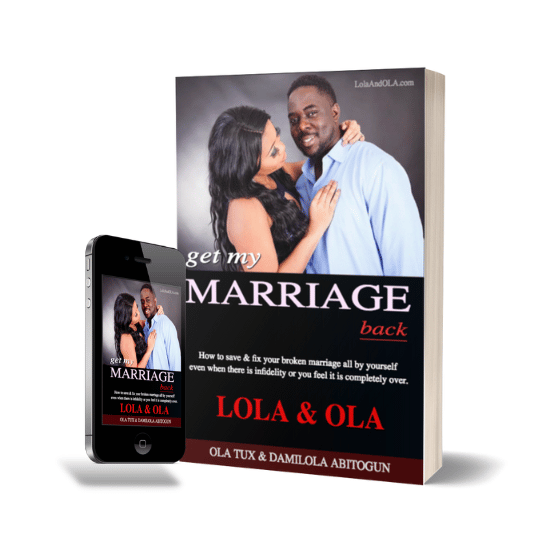
Start With Get My Marriage Back
Get the book and start learning the principles for moving your marriage in a better direction.
Get the Free Book →Common reasons include:
- Work stress and mental exhaustion
- Unresolved resentment
- Feeling criticized or unappreciated
- Loss of emotional connection
- Falling into routine and complacency
- Different relationship needs
- Personal struggles with anxiety, depression, or burnout
- Lack of excitement and variety in the relationship
A partner being outright malicious is usually the exception, not the rule.
More often, people withdraw because they no longer experience the marriage as a place of certainty, connection, growth, appreciation, or emotional safety.
Is Quality Time Actually Your Love Language?
Many women who feel neglected are actually craving quality time more than anything else.
The concept of love languages was popularized by relationship counselor and author Gary Chapman in his bestselling book The Five Love Languages.
If quality time is your primary love language, a lack of shared experiences can feel like rejection even when your husband still loves you.
Understanding your emotional needs helps you communicate them more clearly instead of assuming your husband automatically understands what you need.
The goal is not simply getting more hours together. The goal is feeling connected during the time you share.
Besure to take the assessment here.
Stop Chasing and Start Influencing
One of the biggest mistakes people make is trying to force connection.
Pressure creates resistance.
What Would Help You Most Right Now?
Choose the option that best matches where you are with your marriage.
My Marriage Is in Serious Trouble
If you're dealing with separation, divorce, loss of attraction, infidelity, intimacy problems, or a spouse who's pulling away, get help looking at what's happening in your specific situation.
Get Personalized Help →
Start With Get My Marriage Back
Get the book and start learning the principles for moving your marriage in a better direction.
Get the Free Book →The more one spouse demands attention, the more the other often pulls away.
This doesn’t mean you should suppress your needs. It means you should focus on influence instead of force.
There is a significant difference between taking quality time and inspiring quality time.
When your husband feels obligated to spend time with you, the interaction often feels transactional.
When he genuinely wants to spend time with you, the experience feels natural, enthusiastic, and emotionally rewarding for both of you.
Healthy attraction is built through invitation, not coercion.
Rebuild Friendship First
Many struggling marriages focus heavily on problems while neglecting friendship.
Yet friendship remains one of the strongest foundations of long-term attraction.
Ask yourself:
- When was the last time you laughed together?
- When was the last time you shared a new experience?
- When was the last time you talked without discussing responsibilities?
Strong marriages consistently nurture friendship.
That means becoming curious about each other again.
Instead of turning every interaction into a relationship discussion, create opportunities for lighthearted engagement.
A simple walk, shared meal, game night, or spontaneous outing can often accomplish more than another emotional confrontation.

Avoid Behaviors That Kill Attraction
Many people unintentionally damage connection while trying to fix it.
Some of the most common attraction killers include:
Neediness and Suffocation
Constantly seeking reassurance can create pressure instead of closeness.
Criticism and Blame
Repeated criticism makes people emotionally defensive.
Emotional Reactivity
When every conversation becomes emotionally charged, people begin avoiding interactions altogether.
Policing and Moralizing
Nobody enjoys feeling monitored, corrected, or managed.
Negativity and Contempt
Shaming, sarcasm, insults, judgment, and condescension slowly poison emotional safety.
The healthier alternative is emotional self-leadership.
Learn to communicate your needs calmly, clearly, and confidently.
Focus on Becoming Magnetic Again
One of the most empowering shifts you can make is focusing on your own growth.
This is not about playing games.
It’s about becoming the strongest version of yourself.
People are naturally attracted to individuals who possess:
- Purpose
- Confidence
- Emotional stability
- Gratitude
- Self-respect
- Positive energy
- Personal growth
Ironically, when your entire emotional world depends on your spouse’s attention, attraction often decreases.
When you cultivate a meaningful life, your energy changes.
You become more interesting, more fulfilled, and more attractive—not just to your husband, but to yourself.
Improve Communication by Listening More
Most people think communication is primarily about talking.
In reality, effective communication is often about listening.
Many spouses spend conversations preparing their next argument instead of seeking understanding.
Try asking questions such as:
- “How have you been feeling lately?”
- “What’s been weighing on your mind?”
- “What would help you feel more supported right now?”
Then listen without interrupting.
Listening creates emotional safety.
Emotional safety creates connection.
Connection creates attraction.
Address Expectations Before They Become Resentment
Many marriage problems stem from unspoken expectations.
You may expect regular date nights.
Your husband may assume providing financially demonstrates love.
Neither person is necessarily wrong.
The issue is that expectations left unspoken eventually become disappointments.
Healthy couples regularly discuss:
- Time together
- Family responsibilities
- Intimacy
- Finances
- Personal goals
- Emotional needs
Clarity prevents resentment.
Create More Variety in the Marriage
Human beings crave both certainty and variety.
Marriage provides certainty.
But attraction often requires variety.
If every week feels exactly the same, emotional energy tends to decline.
Introduce novelty through:
- New experiences
- Shared hobbies
- Weekend adventures
- Learning something together
- Traveling
- Taking classes
- Revisiting activities you enjoyed while dating
New experiences create new memories, and new memories often reignite connection.
When Professional Help Makes Sense
If emotional distance has persisted for a long time, professional counseling may be beneficial.
A skilled marriage counselor can help identify blind spots, improve communication, and uncover unresolved issues that neither spouse has fully recognized.
Seeking help isn’t a sign of failure.
It’s often a sign that both people value the relationship enough to fight for it.
Your Wife Needs Space? Check this out…

If your husband doesn’t spend time with you, don’t immediately assume the marriage is over.
Distance is often a symptom, not the root problem.
Rather than chasing attention, focus on rebuilding friendship, improving communication, creating emotional safety, and becoming the strongest version of yourself.
The healthiest relationships are built through influence, attraction, respect, and partnership.
When you lead with emotional intelligence instead of pressure, you create the kind of environment where connection can naturally grow again.
My Wife Loves Me But Doesn’t Desire Me | 5 Signs | 5 Tips
Frequently Asked Questions
Start by calmly communicating your needs without blame or criticism. Focus on rebuilding friendship, creating positive interactions, and understanding the reasons behind his withdrawal instead of immediately applying pressure.
Common signs include emotional disconnection, constant criticism, lack of respect, avoidance of meaningful conversations, and a complete loss of effort from both partners. These signs do not automatically mean the relationship is over, but they should be addressed promptly.
There is no single rule, but successful marriages consistently balance friendship, respect, communication, attraction, and shared growth. Couples who manage expectations and protect emotional safety tend to navigate challenges more effectively.
Depleted husband syndrome refers to a state of emotional, mental, or physical exhaustion where a husband feels overwhelmed by life demands and withdraws from connection. While not a formal clinical diagnosis, it often involves burnout, stress, and reduced emotional availability that can impact marriage.