
Broken Marriage?
Fix it
Here FREE

Get My Marriage Back


Your Husband Doesn’t Spend Time With You: How to Reconnect Without Being Needy

Few experiences in marriage feel as lonely as realizing your husband doesn’t spend time with you anymore.

my husband doesn't spend time with me

You may still live together, share responsibilities, and function as a team on paper, yet emotionally it feels like you’re miles apart. Conversations become shorter. Date nights disappear. His attention seems reserved for work, hobbies, friends, television, or his phone while you’re left wondering what happened to the connection you once shared.

If you’ve found yourself thinking, “My husband doesn’t spend time with me,” the first instinct is often to demand more attention, push for conversations, or express frustration. While those reactions are understandable, they rarely create the result you’re hoping for.

Connection grows best through attraction, influence, emotional intelligence, and mutual respect—not pressure.

The good news is that a lack of quality time doesn’t automatically mean your marriage is failing. In many cases, it signals deeper issues that can be identified and addressed before they become permanent patterns.

Why Your Husband Doesn’t Spend Time With You

Before trying to solve the problem, it’s important to understand what may be causing it.

Most husbands don’t wake up one morning and decide they no longer want to spend time with their wives. Emotional distance usually develops gradually.

Common reasons include:

  • Work stress and mental exhaustion
  • Unresolved resentment
  • Feeling criticized or unappreciated
  • Loss of emotional connection
  • Falling into routine and complacency
  • Different relationship needs
  • Personal struggles with anxiety, depression, or burnout
  • Lack of excitement and variety in the relationship

A partner being outright malicious is usually the exception, not the rule.

More often, people withdraw because they no longer experience the marriage as a place of certainty, connection, growth, appreciation, or emotional safety.

Is Quality Time Actually Your Love Language?

Many women who feel neglected are actually craving quality time more than anything else.

The concept of love languages was popularized by relationship counselor and author Gary Chapman in his bestselling book The Five Love Languages.

If quality time is your primary love language, a lack of shared experiences can feel like rejection even when your husband still loves you.

Understanding your emotional needs helps you communicate them more clearly instead of assuming your husband automatically understands what you need.

The goal is not simply getting more hours together. The goal is feeling connected during the time you share.

Besure to take the assessment here.

Stop Chasing and Start Influencing

One of the biggest mistakes people make is trying to force connection.

Pressure creates resistance.

The more one spouse demands attention, the more the other often pulls away.

This doesn’t mean you should suppress your needs. It means you should focus on influence instead of force.

There is a significant difference between taking quality time and inspiring quality time.

When your husband feels obligated to spend time with you, the interaction often feels transactional.

When he genuinely wants to spend time with you, the experience feels natural, enthusiastic, and emotionally rewarding for both of you.

Healthy attraction is built through invitation, not coercion.

Rebuild Friendship First

Many struggling marriages focus heavily on problems while neglecting friendship.

Yet friendship remains one of the strongest foundations of long-term attraction.

Ask yourself:

  • When was the last time you laughed together?
  • When was the last time you shared a new experience?
  • When was the last time you talked without discussing responsibilities?

Strong marriages consistently nurture friendship.

That means becoming curious about each other again.

Instead of turning every interaction into a relationship discussion, create opportunities for lighthearted engagement.

A simple walk, shared meal, game night, or spontaneous outing can often accomplish more than another emotional confrontation.

Attraction - my husband doesn't spend time with me

Avoid Behaviors That Kill Attraction

Many people unintentionally damage connection while trying to fix it.

Some of the most common attraction killers include:

Neediness and Suffocation

Constantly seeking reassurance can create pressure instead of closeness.

Criticism and Blame

Repeated criticism makes people emotionally defensive.

Emotional Reactivity

When every conversation becomes emotionally charged, people begin avoiding interactions altogether.

Policing and Moralizing

Nobody enjoys feeling monitored, corrected, or managed.

Negativity and Contempt

Shaming, sarcasm, insults, judgment, and condescension slowly poison emotional safety.

The healthier alternative is emotional self-leadership.

Learn to communicate your needs calmly, clearly, and confidently.

Focus on Becoming Magnetic Again

One of the most empowering shifts you can make is focusing on your own growth.

This is not about playing games.

It’s about becoming the strongest version of yourself.

People are naturally attracted to individuals who possess:

  • Purpose
  • Confidence
  • Emotional stability
  • Gratitude
  • Self-respect
  • Positive energy
  • Personal growth

Ironically, when your entire emotional world depends on your spouse’s attention, attraction often decreases.

When you cultivate a meaningful life, your energy changes.

You become more interesting, more fulfilled, and more attractive—not just to your husband, but to yourself.

Improve Communication by Listening More

Most people think communication is primarily about talking.

In reality, effective communication is often about listening.

Many spouses spend conversations preparing their next argument instead of seeking understanding.

Try asking questions such as:

  • “How have you been feeling lately?”
  • “What’s been weighing on your mind?”
  • “What would help you feel more supported right now?”

Then listen without interrupting.

Listening creates emotional safety.

Emotional safety creates connection.

Connection creates attraction.

Address Expectations Before They Become Resentment

Many marriage problems stem from unspoken expectations.

You may expect regular date nights.

Your husband may assume providing financially demonstrates love.

Neither person is necessarily wrong.

The issue is that expectations left unspoken eventually become disappointments.

Healthy couples regularly discuss:

  • Time together
  • Family responsibilities
  • Intimacy
  • Finances
  • Personal goals
  • Emotional needs

Clarity prevents resentment.

Create More Variety in the Marriage

Human beings crave both certainty and variety.

Marriage provides certainty.

But attraction often requires variety.

If every week feels exactly the same, emotional energy tends to decline.

Introduce novelty through:

  • New experiences
  • Shared hobbies
  • Weekend adventures
  • Learning something together
  • Traveling
  • Taking classes
  • Revisiting activities you enjoyed while dating

New experiences create new memories, and new memories often reignite connection.

When Professional Help Makes Sense

If emotional distance has persisted for a long time, professional counseling may be beneficial.

A skilled marriage counselor can help identify blind spots, improve communication, and uncover unresolved issues that neither spouse has fully recognized.

Seeking help isn’t a sign of failure.

It’s often a sign that both people value the relationship enough to fight for it.

if your husband doesn't spend time with you

If your husband doesn’t spend time with you, don’t immediately assume the marriage is over.

Distance is often a symptom, not the root problem.

Rather than chasing attention, focus on rebuilding friendship, improving communication, creating emotional safety, and becoming the strongest version of yourself.

The healthiest relationships are built through influence, attraction, respect, and partnership.

When you lead with emotional intelligence instead of pressure, you create the kind of environment where connection can naturally grow again.

My Wife Loves Me But Doesn’t Desire Me | 5 Signs | 5 Tips

Frequently Asked Questions

What to do when your husband won’t spend time with you?

Start by calmly communicating your needs without blame or criticism. Focus on rebuilding friendship, creating positive interactions, and understanding the reasons behind his withdrawal instead of immediately applying pressure.

What are the signs a relationship is failing?

Common signs include emotional disconnection, constant criticism, lack of respect, avoidance of meaningful conversations, and a complete loss of effort from both partners. These signs do not automatically mean the relationship is over, but they should be addressed promptly.

What is the rule for success in marriage?

There is no single rule, but successful marriages consistently balance friendship, respect, communication, attraction, and shared growth. Couples who manage expectations and protect emotional safety tend to navigate challenges more effectively.

What is depleted husband syndrome?

Depleted husband syndrome refers to a state of emotional, mental, or physical exhaustion where a husband feels overwhelmed by life demands and withdraws from connection. While not a formal clinical diagnosis, it often involves burnout, stress, and reduced emotional availability that can impact marriage.

What Is Infidelity? Meaning, Types, Causes, and How to Heal

Infidelity is one of the most painful experiences a person can face in a marriage or committed relationship. Yet many people still struggle to define exactly what it is.

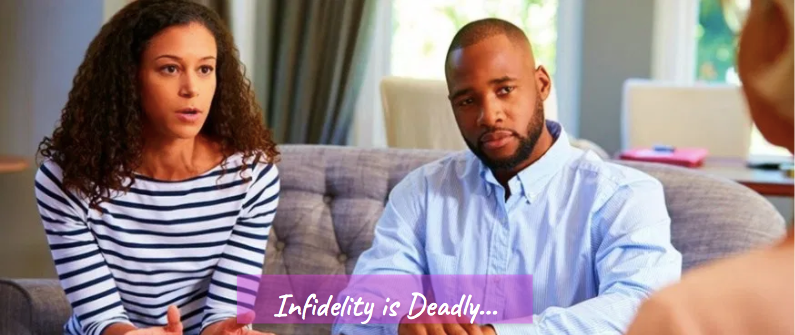
What is Infidelity in a Marriage? DEADLY

So, what is infidelity?

Infidelity is the violation of the agreed-upon trust, loyalty, and exclusivity within a committed relationship. While many people immediately think of sexual affairs, infidelity can also be emotional, digital, financial, or any behavior that secretly redirects intimacy, energy, attention, or commitment away from the primary relationship.

At its core, infidelity is not just about sex. It is about betrayal of trust and the breaking of relationship agreements—spoken or unspoken.

Understanding infidelity at a deeper level is essential because healing a marriage requires more than identifying who was wrong. It requires clarity, emotional intelligence, healthy boundaries, and a commitment to rebuilding attraction, respect, and trust.

The Real Meaning of Infidelity

Most people define infidelity as cheating.

While that’s true, the deeper reality is that infidelity occurs whenever someone violates the emotional, romantic, sexual, or relational agreements that form the foundation of a committed partnership.

For one couple, exchanging flirtatious messages may be considered harmless. For another, it may represent a serious betrayal.

The specific behavior matters, but the larger issue is this:

Infidelity happens when secrecy replaces transparency and loyalty is replaced by hidden attachments.

When trust is broken, emotional safety disappears. That loss of safety often causes more damage than the act itself.

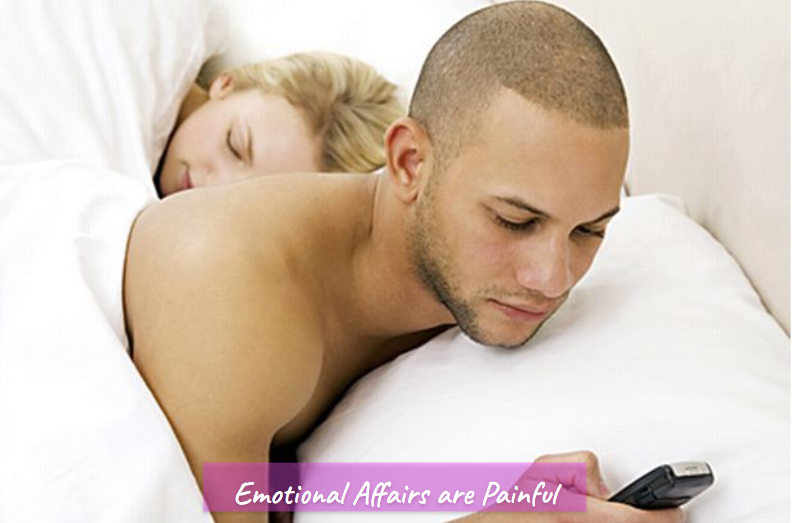
Infidelity can be emotional and even more painful.

What Is Infidelity in Marriage?

In marriage, infidelity occurs when a spouse forms an inappropriate romantic, emotional, sexual, or intimate connection outside the marriage that violates the trust and expectations of the relationship.

Marriage is built upon several pillars:

  • Friendship
  • Trust
  • Emotional connection
  • Physical intimacy
  • Shared expectations

When one of these pillars is compromised through deception or secrecy, the marriage begins to suffer.

The pain of infidelity is often amplified because marriage is designed to provide certainty, connection, significance, growth, and contribution—some of the most fundamental emotional needs humans possess.

When betrayal enters the relationship, those needs suddenly feel threatened.

Types of Infidelity

Many people assume all affairs are physical. In reality, infidelity appears in several forms.

1. Physical or Sexual Infidelity

This is the most commonly recognized form of infidelity.

It involves sexual or intimate physical activity with someone outside the committed relationship.

Examples include:

  • Sexual intercourse
  • Kissing
  • Physical intimacy
  • Ongoing affairs
  • One-night stands

Because physical affairs are visible and tangible, they often receive the most attention. However, they are not always the most damaging form of betrayal.

2. Emotional Infidelity

Emotional infidelity occurs when someone develops a deep emotional bond with another person while hiding it from their spouse.

Signs may include:

  • Sharing personal secrets with someone else
  • Prioritizing another person emotionally
  • Constant texting or communication
  • Seeking emotional support outside the marriage
  • Romantic feelings without physical contact

Many betrayed spouses report that emotional affairs hurt just as much—or more—than physical affairs because emotional intimacy is often the foundation of long-term attraction.

3. Digital Infidelity

Technology has created new opportunities for secrecy.

Digital infidelity may involve:

  • Secret conversations
  • Sexting
  • Dating apps
  • Hidden social media relationships
  • Online affairs
  • Secretive pornography habits that violate relationship agreements

The device may be digital, but the betrayal is real.

4. Financial Infidelity

Financial infidelity happens when one partner hides money matters from the other.

Examples include:

  • Secret bank accounts
  • Hidden debt
  • Undisclosed purchases
  • Gambling losses
  • Concealed investments

Trust extends beyond romance. When financial transparency disappears, emotional trust often follows.

what is infidelity - it hurts

Why Does Infidelity Hurt So Much?

The pain of infidelity goes far beyond the affair itself.

Most people experience:

  • Shock
  • Anger
  • Sadness
  • Anxiety
  • Loss of self-esteem
  • Obsessive thoughts
  • Fear of future betrayal

The reason is simple.

Infidelity attacks multiple emotional needs simultaneously:

  • Certainty becomes uncertainty.
  • Connection becomes distance.
  • Significance becomes rejection.
  • Growth becomes stagnation.

Many betrayed spouses become trapped trying to understand every detail of what happened.

Unfortunately, endless investigation often prolongs suffering rather than creating healing.

At some point, recovery requires shifting focus from the affair itself to personal clarity, self-respect, and healthy relationship boundaries.

What Causes Infidelity?

There is rarely one single cause.

Infidelity is usually the result of multiple factors interacting over time.

Common causes include:

Low Emotional Connection

When couples stop nurturing friendship and emotional intimacy, distance often develops.

Unmet Emotional Needs

Humans naturally seek certainty, variety, significance, connection, growth, and contribution. When these needs are chronically neglected, vulnerability to temptation may increase.

Poor Boundaries

Most affairs do not begin in a hotel room.

They often begin with:

  • Private conversations
  • Emotional dependency
  • Excessive familiarity
  • Hidden communication

Low Self-Esteem

Some individuals seek external validation to compensate for internal insecurities.

Revenge or Retaliation

In some cases, infidelity becomes a misguided attempt to punish a spouse for past hurts.

Opportunity and Circumstances

Temptation exists for most people. Character, boundaries, and purpose determine how individuals respond when opportunities arise.

Importantly, understanding causes is not the same as excusing behavior.

Every affair remains a personal choice.

35 Warning Signs Your Wife Is Cheating (Is It Insecurity?)

what is infidelity - is it the end?

Is Infidelity Always the End of a Marriage?

No.

Many marriages survive infidelity.

Some even become stronger after both partners confront the deeper issues that existed before the betrayal.

However, survival requires more than forgiveness.

It requires:

  • Genuine remorse
  • Radical honesty
  • Accountability
  • Consistent action
  • Time
  • Emotional maturity

Trust is not rebuilt through promises.

Trust is rebuilt through repeated experiences of reliability.

How to Rebuild Trust After Infidelity

Healing takes time, but it is possible.

1. Stop Chasing Explanations Forever

Understanding is helpful.

Obsession is not.

At some point, healing requires accepting that no explanation will completely erase the pain.

2. Establish Clear Boundaries

Healthy boundaries create emotional safety.

Examples include:

  • Full transparency
  • Ending inappropriate relationships
  • Open communication
  • Consistent accountability

3. Focus on Self-Respect

Many betrayed spouses become consumed by monitoring their partner.

Ironically, the more empowering path is rebuilding yourself.

Invest in:

  • Physical health
  • Emotional health
  • Spiritual grounding
  • Personal goals
  • Meaningful friendships

Self-respect creates clarity.

Clarity creates power.

4. Rebuild Friendship First

Long-term attraction grows from emotional connection.

Many couples attempt to fix sex before repairing friendship.

The stronger approach is rebuilding trust, communication, and companionship first.

5. Avoid the Blame Cycle

Blame, guilt, shame, condemnation, and constant judgment rarely create healing.

They often create defensiveness and emotional withdrawal.

This does not mean avoiding accountability.

It means addressing problems without destroying the possibility of future connection.

what is infidelity - can attraction return?

Can Attraction Return After Infidelity?

Absolutely.

Attraction is not merely physical.

It is emotional, psychological, and behavioral.

Many couples mistakenly believe attraction should happen automatically after trust is restored.

The reality is that attraction often grows when both spouses become healthier versions of themselves.

That means:

  • Developing emotional intelligence
  • Managing pride and ego
  • Improving communication
  • Becoming more confident
  • Rekindling friendship
  • Creating positive experiences together

Respect, trust, and emotional safety are often earned gradually through consistent behavior.

What Is the Difference Between Infidelity and Adultery?

People frequently use the terms interchangeably, but they are not identical.

Adultery specifically refers to sexual relations involving a married person and someone who is not their spouse.

Infidelity is the broader category that includes emotional affairs, digital affairs, financial deception, and sexual betrayal.

In simple terms, adultery is one form of infidelity, but not all infidelity is adultery.

Moving Forward After Infidelity

Whether you stay together or separate, healing begins when you stop allowing the betrayal to define your entire future.

The healthiest path forward involves:

  • Accepting reality
  • Setting boundaries
  • Rebuilding self-respect
  • Strengthening emotional intelligence
  • Focusing on personal growth
  • Creating clarity about what you want next

You cannot control another person’s choices.

You can control your standards, your response, and the direction of your life moving forward.

That is where true healing begins.

Success statistics of marriage counseling

Frequently Asked Questions

What is the difference between adultery and infidelity?

Adultery specifically refers to sexual relations between a married person and someone other than their spouse. Infidelity is a broader term that includes emotional affairs, digital cheating, financial deception, and sexual betrayal.

What is considered infidelity?

Infidelity is any behavior that violates the agreed boundaries of trust, loyalty, or exclusivity within a relationship. This can include physical affairs, emotional affairs, secret online relationships, sexting, or other hidden intimate connections.

Which gender cheats more?

Research has historically shown slightly higher rates of reported sexual infidelity among men, although the gap has narrowed significantly in recent decades. The likelihood of cheating is influenced more by individual circumstances, values, opportunity, and relationship dynamics than by gender alone.

Are most men faithful to their wives?

Yes, most married men do not report engaging in extramarital affairs. While infidelity receives significant attention because of its emotional impact, the majority of husbands remain faithful throughout their marriages.

Your Husband Doesn’t Want to Spend Time With You? Here’s What to Do Next

Few things feel more lonely than realizing your husband doesn’t want to spend time with you.

You’re sharing a home, responsibilities, and perhaps even raising children together, yet somehow the connection feels missing. Conversations become shorter. Date nights disappear. He seems more interested in his phone, work, hobbies, friends, or simply being alone than spending quality time with you.

Naturally, this can trigger feelings of rejection, insecurity, frustration, and even panic.

But before you assume the worst, understand something important:

People rarely move away from something unless they are moving toward something else.

If your husband doesn’t want to spend time with you, the first question isn’t, “What’s wrong with me?”

The better question is:

“What is currently getting his time, attention, energy, and emotional investment?”

Understanding that answer can reveal far more than repeatedly asking why he is pulling away.

The Mistake Most People Make

When a spouse feels neglected, the natural reaction is often to pursue harder.

They ask for more conversations.

More reassurance.

And … explanations.

More quality time.

Ironically, this often creates even more distance.

Why?

Because attraction, connection, and companionship cannot be forced through pressure.

The more one partner feels chased, criticized, monitored, or emotionally cornered, the more likely they are to retreat.

This doesn’t mean your needs are invalid.

It means the strategy matters.

If you want someone to move toward you, creating emotional safety is usually more effective than creating emotional pressure.

husband doesn't want to spend time with me - what is going on?

Where Is His Time Actually Going?

Life does not tolerate a vacuum.

If your husband isn’t spending time with you, he is spending time somewhere.

That doesn’t automatically mean another person.

Often, it’s something else entirely:

  • Work and career pressures
  • Stress and burnout
  • Video games
  • Social media
  • Sports
  • Friends
  • Personal hobbies
  • Escapism
  • Mental health struggles
  • Unresolved resentment

Before jumping to conclusions, get curious.

Observe without immediately judging.

The goal isn’t to become a detective looking for guilt.

The goal is understanding what emotional need that activity is fulfilling.

Remember that every human is constantly seeking:

  • Certainty
  • Variety
  • Significance
  • Connection
  • Growth
  • Contribution

The question becomes:

What is he getting from that activity that he isn’t experiencing inside the relationship right now?

That insight often unlocks the real issue.

husband doesn't want to spend time with me

The Hidden Dynamic: Attraction vs. Obligation

Many marriages slowly drift into an obligation-based relationship.

Everything becomes about responsibilities.

Bills.

Schedules.

Children.

Household management.

Problem-solving.

Eventually, the friendship and romance that originally created attraction start disappearing.

Nobody intentionally plans for this.

It simply happens.

When every interaction feels like work, even a good spouse may unconsciously seek relief elsewhere.

This is why rebuilding connection often starts by rebuilding friendship.

Not through another serious relationship discussion.

But through moments that feel light, enjoyable, and pressure-free.

Check this out: 9 Signs Your Wife Is Not Sexually Attracted To You

Stop Treating Every Interaction Like a Relationship Meeting

One of the fastest ways to make someone avoid spending time with you is making every interaction heavy.

If every conversation turns into:

  • Relationship complaints
  • Emotional audits
  • Criticism
  • Unresolved conflicts
  • Discussions about what they’re not doing

Eventually they begin associating your presence with stress.

That doesn’t mean problems shouldn’t be discussed.

It means not every interaction should become a performance review.

Sometimes connection grows faster through:

  • Shared laughter
  • New experiences
  • Light flirting
  • Genuine curiosity
  • Playfulness
  • Appreciation

Attraction often returns where tension decreases.

Learn to Work With What Already Has His Attention

This may sound counterintuitive.

Instead of immediately competing with what currently has his attention, study it.

If he’s obsessed with a hobby, learn about it.

And If he loves a sport, show some interest in the experience.

If he enjoys a specific activity, find ways to participate occasionally.

The objective isn’t losing yourself.

The objective is creating bridges instead of walls.

Many couples accidentally create unnecessary separation because neither partner makes an effort to enter the other’s world.

Shared experiences create shared emotions.

Shared emotions create connection.

Connection creates desire to spend more time together.

Check for Unspoken Resentment

Sometimes distance isn’t caused by boredom.

It’s caused by unresolved resentment.

Resentment often develops when expectations go unspoken for too long.

In fact, many marriage breakdowns can be traced back to two recurring issues:

  1. Mismanaged expectations
  2. Mismanaged pride

One partner feels unheard.

The other feels unappreciated.

Both become defensive.

Neither feels understood.

Over time, emotional withdrawal becomes easier than conflict.

If this sounds familiar, the answer isn’t blame.

It’s honest communication without shaming, condemning, criticizing, or attacking.

Avoid the Attraction Killers

Many well-intentioned behaviors unintentionally damage attraction.

Some common examples include:

  • Neediness
  • Constant criticism
  • Emotional overreacting
  • Trying to police or control behavior
  • Excessive negativity
  • Lack of patience
  • Chronic complaining

When someone feels they can never get it right, they often stop trying.

Healthy attraction thrives where there is both acceptance and accountability.

Not perfection.

Focus on Becoming More Interesting, Not More Available

One of the most overlooked truths in long-term relationships is this:

People are naturally drawn toward growth.

If your entire emotional world revolves around whether your husband gives you attention, your confidence can start shrinking.

Instead, invest in yourself.

Develop your purpose.

Strengthen your friendships.

Improve your health.

Learn new skills.

Pursue meaningful goals.

This isn’t a game.

It’s personal leadership.

Ironically, when someone becomes more fulfilled, confident, and emotionally grounded, they often become more attractive to their spouse.

Rebuild Emotional Safety Before Asking for More Time

Many spouses make the mistake of asking for more time before rebuilding emotional safety.

A better approach is:

  1. Reduce unnecessary tension.
  2. Increase positive interactions.
  3. Show appreciation where appropriate.
  4. Create enjoyable moments.
  5. Make connection feel rewarding.

Then communicate your needs clearly.

Instead of:

“You never spend time with me.”

Try:

“I miss us. I’d love for us to have one evening each week where we reconnect.”

One creates defensiveness.

The other creates an invitation.

When You Need to Have the Hard Conversation

There are situations where a deeper discussion is necessary.

Particularly if:

  • He consistently refuses connection attempts.
  • There is emotional neglect.
  • There is disrespect.
  • There is ongoing hostility.
  • There are concerns about infidelity.
  • The marriage is deteriorating rapidly.

Approach these conversations with clarity and calmness.

The goal is understanding and solutions.

Not proving who is wrong.

Strong marriages are rarely built through winning arguments.

They’re built through solving problems together.

The Real Goal Isn’t More Time

Many people believe they need more time together.

What they actually need is better quality connection.

A couple can spend ten hours together and feel disconnected.

Another couple can spend thirty meaningful minutes together and feel deeply bonded.

The objective isn’t simply increasing hours.

It’s increasing emotional connection, friendship, admiration, romance, and mutual investment.

When those elements improve, spending time together often becomes a natural outcome rather than a forced obligation.

If your husband doesn’t want to spend time with you, don’t immediately assume the marriage is doomed.

Take a step back.

Observe where his energy is going.

Understand the emotional needs being met elsewhere.

Focus on rebuilding friendship, reducing unnecessary tension, improving emotional safety, and becoming the strongest version of yourself.

You cannot force attraction.

You cannot demand connection.

But you can create an environment where both are far more likely to grow.

And in many marriages, that shift changes everything.

Frequently Asked Questions

What does it mean when your husband doesn’t want to spend time with you?

It can mean many different things, including stress, burnout, distraction, unresolved resentment, emotional disconnection, or simply taking the relationship for granted. The key is understanding the underlying cause rather than assuming it automatically means he has lost interest or is involved with someone else.

What is the rule for success in marriage?

Successful marriages typically balance friendship, intimacy, shared expectations, and mutual respect. Couples who continually invest in connection, growth, communication, and appreciation tend to navigate challenges more effectively over the long term.

What are the signs of a husband losing interest in his wife?

Common signs include emotional withdrawal, lack of curiosity about your life, avoiding quality time, reduced affection, increased irritability, and consistently prioritizing other activities over the relationship. However, these signs should be evaluated alongside factors like stress, health, and life circumstances before drawing conclusions.

What are the 4 signs a relationship is failing?

Four common warning signs are persistent criticism, defensiveness, emotional stonewalling, and contempt. When these behaviors become recurring patterns and remain unresolved, they can gradually erode trust, attraction, and emotional connection.

Does Your Husband Care About You? Here Are 7 Signs & What To Do Next

There are few questions more painful than asking yourself or wondering if your husband care about you?

This isn’t usually a question that appears overnight.

It grows quietly over time.

It starts when your texts go unanswered for hours, when your tears seem unnoticed, when your concerns feel dismissed, or when you begin to feel more like a roommate than a wife.

If you’re searching for answers, the first thing you need to know is this:

Your feelings matter.

Many people try to approach relationships purely through logic.

They ask for evidence, proof, and objective measurements.

But marriage is an emotional relationship before it is a logical arrangement.

If you consistently feel uncared for, that feeling deserves attention.

Does that automatically mean your husband doesn’t care about you?

Not necessarily.

But the fact that you’re asking the question means there is a disconnect that needs to be addressed.

Instead of obsessing over whether he cares, the better question may be:

Why do I feel like he doesn’t?

That shift changes everything.

The Truth Most People Miss

Believe it or not, you’re the only person who can ultimately answer the question, “Does your husband care about you?”

Why?

Because care is experienced emotionally before it is measured logically.

A husband may genuinely care about his wife while failing to express it in ways she can feel.

Likewise, a husband may perform responsibilities faithfully while neglecting the emotional connection his wife desperately needs.

In either case, the result is the same:

You feel alone.

And in marriage, perception matters because perception shapes emotional reality.

The goal is not to prove who is right or wrong.

The goal is to understand why emotional safety and connection have weakened.

7 Signs Your Husband Truly Cares About You

does my husband care about me - He Makes an Effort to Understand Your Feelings

1. He Makes an Effort to Understand Your Feelings

A caring husband doesn’t have to agree with every emotion you experience.

However, he makes an effort to understand your perspective instead of immediately dismissing it.

He asks questions.

And he listens.

He tries to see the world through your eyes.

2. He Considers Your Well-Being

When a husband cares, your well-being becomes part of his decision-making process.

He considers how his choices affect you emotionally, mentally, financially, and physically.

This doesn’t mean perfection.

It means consideration.

3. He Supports Your Growth

Healthy marriages aren’t just about survival.

One of the purposes of marriage is personal growth.

A husband who cares encourages your development, celebrates your wins, and doesn’t feel threatened by your success.

4. He Tries to Solve Problems With You

Every marriage experiences conflict.

The question is whether your husband approaches problems as “you versus me” or “us versus the problem.”

Care reveals itself through collaboration.

5. He Shows Consistency

Grand romantic gestures are wonderful.

But genuine care is usually found in consistency.

Checking on you.

Following through on promises.

Being reliable when you need him.

Trust grows from consistency.

6. He Values Friendship With You

One of the strongest predictors of long-term relationship success is friendship.

If your husband still seeks your company, enjoys conversations with you, and values spending time together, those are powerful indicators of care.

7. He Makes Room for Physical and Emotional Intimacy

Sex alone doesn’t prove love.

However, a complete lack of physical affection and emotional intimacy over extended periods often signals deeper issues.

Care thrives where connection is nurtured.

Why You May Feel Like Your Husband Doesn’t Care

Emotional Needs Are Going Unmet

Every human being has emotional needs.

Some of the most important include:

  • Certainty
  • Variety
  • Significance
  • Connection
  • Growth
  • Contribution

When several of these needs go unmet for a prolonged period, feelings of neglect often emerge.

You may not actually be asking whether your husband cares.

You may be asking:

  • Do I matter?
  • Am I seen?
  • Or valued?
  • Am I still desired?

Those are deeper questions.

You’re Trapped in the Roommate Pattern

Many couples accidentally drift into what feels like a business partnership.

Bills get paid.

Kids get raised.

Schedules get managed.

But romance disappears.

The marriage becomes functional while emotional connection slowly dies.

When friendship, intimacy, and attraction stop receiving attention, emotional distance follows.

Expectations Have Quietly Become Resentments

One of the biggest reasons marriages struggle is mismanaged expectations.

Many spouses carry unspoken expectations that their partner doesn’t even know exist.

Over time, disappointment turns into resentment.

Resentment turns into emotional withdrawal.

Then one day someone asks:

“Does my husband even care about me anymore?”

Behaviors That Poison Connection

Before assuming your husband is the problem, it’s worth looking honestly at the relationship dynamic.

Certain behaviors destroy emotional safety and attraction over time:

  • Constant criticism
  • Shaming
  • Blaming
  • Judgment
  • Condemnation
  • Sarcasm
  • Condescension
  • Guilt manipulation

These behaviors don’t inspire closeness.

They create distance.

A partner who feels attacked often becomes emotionally unavailable, defensive, or withdrawn.

What Not to Do If You Feel Uncared For

Don’t Beg for Attention

Desperation rarely creates attraction.

In fact, excessive pursuit often pushes emotionally distant partners even further away.

Don’t Turn Every Conversation Into an Interrogation

Questions like:

  • “Do you even love me?”
  • “Why don’t you care?”
  • “What’s wrong with you?”

Usually trigger defensiveness instead of connection.

Don’t Abandon Yourself

One of the most attractive qualities in any person is self-leadership.

Continue investing in your purpose, friendships, health, growth, and emotional well-being.

Your happiness cannot rest entirely in another person’s hands.

How to Rebuild Connection Skillfully

focus on friendship - does my husband care about me

Focus on Friendship First

Many couples try to fix intimacy before fixing friendship.

That rarely works.

Friendship creates emotional safety.

Emotional safety creates attraction.

Attraction fuels intimacy.

Create New Emotional Experiences

Relationships need variety.

Initiate something different together.

Break routines.

Create moments that generate laughter, curiosity, and shared memories.

Novelty often reignites connection.

Lead With Emotional Intelligence

Instead of accusing:

“You never care about me.”

Try:

“Lately I’ve been feeling disconnected from you, and I miss us.”

One invites conflict.

The other invites conversation.

Growth takes time.

The Real Question You Should Ask

The question isn’t simply:

“Does my husband care about me?”

The deeper question is:

“Why do I feel disconnected from the care that may or may not be there?”

That distinction matters.

Because even if your husband genuinely loves you, a marriage cannot thrive when one partner consistently feels unseen, unheard, or emotionally abandoned.

Your feelings are real.

Your concerns are valid.

And the solution begins not with blaming, shaming, or demanding—but with courageous self-awareness, honest communication, and intentional efforts to rebuild connection.

A healthy marriage is not built by two perfect people.

It’s built by two people who continually choose each other, even after distance has crept in.

Is testing your partner manipulative?

Frequently Asked Questions

How do you know if your husband really cares about you?

A husband who truly cares consistently considers your well-being, listens to your concerns, and makes efforts to maintain emotional connection. Care is usually revealed through reliable actions over time rather than occasional grand gestures.

What are the 4 signs a relationship is failing?

Four major warning signs include emotional disconnection, chronic resentment, loss of intimacy, and ongoing unresolved conflict. When couples stop communicating, stop enjoying each other’s company, and stop working as a team, the relationship enters a danger zone.

How do you test your husband’s love for you?

Testing your husband’s love through games, traps, or manipulation is usually counterproductive. A better approach is to observe his consistent actions, communicate your needs clearly, and evaluate whether he responds with care, effort, and consideration.

What do men crave the most in a relationship?

Most men deeply crave appreciation, respect, emotional safety, and a sense of significance within the relationship. While every individual is different, feeling valued and trusted often strengthens a man’s emotional investment and commitment.


Broken Marriage?
Fix it
Here FREE

Get My Marriage Back