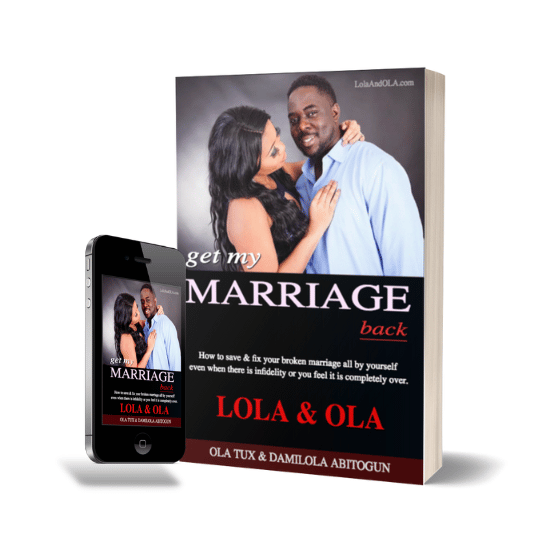
Broken Marriage?
Fix it
Here FREE

Get My Marriage Back


35 Habits That Destroy Marriages and Quietly Kill Attraction

Most marriages do not end because of one catastrophic event.

They die slowly.

Not from a single affair. Definitely not from one explosive argument. Not from one bad year.

Instead, they deteriorate through repeated daily habits that gradually destroy emotional safety, sexual attraction, trust, friendship, and respect.

This is why many couples wake up one day feeling like roommates instead of lovers.

The connection did not disappear overnight. It was eroded by hundreds of small moments where contempt replaced admiration, pride replaced partnership, and emotional neglect replaced intentional connection.

If you want to prevent a communication breakdown, avoid a sexless marriage, and maintain attraction over the long term, you must identify the habits that destroy marriages before they become your normal.

habits that destroy marriages

Why Attraction Dies Before Marriage Ends

Many people think marriage survives primarily on love.

In reality, long-term marriages survive on three critical pillars:

1. Friendship

A healthy marriage requires genuine companionship, teamwork, and emotional safety.

2. Intimacy

Sexual connection is not merely physical. It is a powerful barometer of emotional closeness, trust, and attraction.

3. Expectations & Pride Management

Most marital conflicts ultimately come back to two issues:

  • Mismanaged expectations
  • Mismanaged pride

When these are left unchecked, resentment begins accumulating underneath the surface.

Eventually, attraction follows resentment out the door.

The Hidden Truth About Marital Collapse

One of the biggest mistakes couples make is viewing their spouse as the villain.

In most cases, your partner is not evil.

They are simply operating from unconscious habits, emotional wounds, pride, fear, unmet needs, or poor relationship skills.

The goal is not blame.

The goal is awareness.

Because awareness creates leverage.

And leverage creates change.

The 35 Habits That Destroy Marriages

The 35 Habits That Destroy Marriages

Category 1: Verbal & Psychological Attacks

These habits poison emotional safety and create lasting emotional scars.

1. Blaming Your Spouse

Making your partner the cause of every problem instead of taking ownership of your role.

2. Shaming Your Spouse

Attacking who they are rather than addressing what they did.

3. Insulting Your Spouse

Name-calling and personal attacks destroy respect.

4. Judging Harshly

Viewing your partner through a constant lens of criticism.

5. Guilt-Tripping Your Spouse

Using emotional manipulation to gain compliance.

6. Using Sarcasm as Punishment

Disguising hostility as humor.

7. Talking Down to Them

Treating your spouse like a child rather than a respected partner.


Category 2: Pride, Defensiveness & Ego

Pride is one of the fastest ways to destroy attraction.

Nobody feels emotionally connected to someone who constantly needs to be right.

8. Always Needing to Win

Treating disagreements as competitions.

9. Ignoring Their Feelings

Dismissing emotional experiences because they seem irrational.

10. Assuming Bad Intentions

Believing your spouse is trying to hurt, disrespect, or inconvenience you.

11. Mismanaging Expectations

Expecting mind-reading instead of communicating clearly.

12. Letting Pride Lead

Prioritizing ego over connection.

13. Refusing to Apologize

Protecting your image rather than repairing the relationship.

14. Rejecting Feedback

Becoming defensive whenever concerns are raised.

15. Avoiding Ownership

Immediately pointing out your spouse’s faults whenever yours are mentioned.

Conflict Escalation Habits - habits that destroy marriages

Category 3: Conflict Escalation Habits

Conflict itself does not destroy marriages.

Poor conflict management does.

16. Avoiding Hard Conversations

Delaying necessary discussions until resentment builds.

17. Overreacting Emotionally

Allowing emotions to dictate behavior.

18. Escalating Conflict

Turning minor disagreements into major battles.

19. Creating Unnecessary Drama

Adding emotional chaos where none is required.

20. Holding Grudges

Keeping score instead of healing.

21. Refusing Forgiveness

Punishing your spouse indefinitely for past mistakes.

22. Communicating Destructively

Yelling, stonewalling, contempt, and emotional withdrawal.


Category 4: Emotional & Sexual Neglect

Many marriages do not collapse because of conflict.

They collapse because of neglect.

Attraction requires ongoing investment.

23. Withholding Affection

Using emotional or physical distance as punishment.

24. Withholding Appreciation

Failing to acknowledge your spouse’s contributions.

25. Neglecting Intimacy

Allowing sexual connection to disappear without addressing it.

26. Neglecting Companionship

Stopping the friendship portion of marriage.

27. Neglecting Emotional Needs

Ignoring your spouse’s internal world.

28. Avoiding Vulnerability

Never allowing your spouse to truly know you.

habits that destroy marriages

Category 5: Trust & Partnership Erosion

Trust is built through consistency.

It is destroyed through repeated violations.

29. Controlling Your Spouse

Attempting to dominate their choices, relationships, or independence.

30. Disrespecting Boundaries

Ignoring clearly communicated limits.

31. Neglecting Responsibilities

Leaving your spouse carrying the relationship alone.

32. Taking Without Giving

Receiving support without reciprocating effort.

33. Breaking Commitments

Failing to follow through on promises.

34. Undermining Trust

Engaging in secrecy, deception, or hidden behaviors.

35. Prioritizing Ego

Protecting your pride instead of protecting the marriage. Check this video out.


Why These Habits Also Kill Attraction

Many people separate relationship health from attraction.

That is a mistake.

Attraction thrives when these emotional needs are consistently met:

  • Certainty
  • Variety
  • Significance
  • Connection
  • Growth
  • Contribution

When destructive habits dominate the relationship:

  • Certainty becomes anxiety.
  • Connection becomes distance.
  • Significance becomes criticism.
  • Growth becomes stagnation.
  • Contribution becomes resentment.

The result?

Less admiration.

And less desire.

Less respect.

Definitely… less intimacy.

Eventually, less attraction.

This is why attraction is not merely about appearance.

Attraction is heavily influenced by emotional intelligence, self-leadership, emotional safety, confidence, respect, and partnership.


How Emotionally Intelligent Couples Protect Their Marriage

Healthy couples intentionally practice the opposite habits.

They:

  • Take ownership quickly.
  • Apologize sincerely.
  • Communicate directly.
  • Manage expectations clearly.
  • Express appreciation regularly.
  • Prioritize friendship.
  • Protect intimacy.
  • Extend grace.
  • Give constructive feedback.
  • Repair conflicts quickly.
  • Choose partnership over pride.

Most importantly, they understand that attraction is maintained, not assumed.

They continue dating each other long after the wedding day.


Break the Cycle Before It Becomes Permanent

Recognizing the habits that destroy marriages is the first step.

Eliminating them is where transformation begins.

A healthy marriage is not built by avoiding divorce.

It is built by intentionally creating respect, attraction, emotional safety, companionship, intimacy, and trust every single day.

The couples who thrive are not the couples who never make mistakes.

They are the couples who consistently repair them.

Check this out: Behaviors That Cause Divorces: 10 Marriage Killers to Avoid

Frequently Asked Questions

What is the #1 thing that destroys marriages?

Contempt is the strongest predictor of divorce because it destroys respect, emotional safety, and attraction.

What are the four habits that destroy marriages?

Criticism, defensiveness, contempt, and stonewalling are the four habits most associated with marital breakdown.

What are the four behaviors that cause 90% of all divorces?

Criticism, defensiveness, contempt, and stonewalling are the four behaviors most strongly linked to divorce.

What are the 4 dark horsemen of marriage?

The four dark horsemen are criticism, defensiveness, contempt, and stonewalling.

Can a marriage survive years of destructive habits?

Yes, if both spouses consistently replace destructive patterns with accountability, respect, and healthy communication.

How do you break toxic habits in a marriage?

Break toxic habits by identifying the pattern, taking ownership, and repeatedly practicing a healthier response.

Behaviors That Cause Divorces: 10 Marriage Killers Most Couples Ignore

Most divorces do not happen because of one dramatic event.

They usually happen because of repeated behaviors that slowly damage trust, respect, friendship, attraction, and emotional connection.

behaviors that cause divorces

A marriage may survive one bad argument.

It may survive a hard season.

It may even survive a serious mistake if both people are willing to repair the damage.

But when small harmful habits keep happening over and over, the relationship begins to weaken.

A little sarcasm becomes normal.

A little blame becomes a pattern.

A little emotional distance becomes a lifestyle.

A little pride keeps two people from saying:

“I was wrong.”

“I miss you.”

“Let’s fix this.”

That is how many marriages begin to break down.

The good news is that many of the same behaviors that cause divorces can be replaced with better habits.

Couples can learn how to communicate with more care, repair conflict faster, rebuild attraction, and meet each other’s emotional needs with more skill.

If you want a marriage that feels safe, passionate, respectful, and alive, you must understand the main causes of divorce before they become too big to ignore.

understanding behaviors that cause divorces

Why Understanding Behaviors That Cause Divorces Matters

Many people think divorce starts with infidelity, money problems, addiction, or constant fighting.

Those issues are serious, but they are often the final result of deeper problems that were ignored for too long.

Before many affairs, there was emotional distance.

Before many money fights, there were hidden expectations.

Before many explosive arguments, there were years of resentment.

Before one person finally leaves, they may have spent a long time feeling unseen, unheard, undesired, or unimportant.

This is why it is not enough to ask, “What ended the marriage?”

A better question is:

“What slowly weakened the marriage?”

Most strong marriages are not strong because the couple never has problems.

They are strong because both people learn how to deal with problems without destroying the bond.

They know how to repair after conflict.

They know how to stay friends.

They know how to protect trust.

They know how to keep attraction alive instead of assuming love will carry everything by itself.

Marriage needs love.

But love alone is not enough.

A healthy marriage also needs respect, patience, self-control, honesty, friendship, affection, shared purpose, and emotional intelligence.

When these things are missing for too long, even two people who once loved each other deeply can begin to feel like strangers.

Most Divorces Begin Long Before the Divorce

When people talk about the top causes of divorce, they often mention lack of commitment, infidelity, money problems, poor communication, and constant conflict.

These are real problems.

But they usually do not appear out of nowhere.

Most divorces begin with slow emotional erosion.

One spouse stops feeling appreciated.

The other stops feeling respected.

One stops feeling desired.

The other stops feeling understood.

One person wants peace.

The other wants passion.

One wants support.

The other wants space.

Over time, both people may begin to protect themselves instead of protecting the marriage.

This is where pride and expectations become dangerous.

Pride says:

“I should not have to change.”

Expectations say:

“You should already know what I need.”

Pride refuses to apologize.

Expectations create disappointment when they are never spoken clearly.

Together, they turn normal marriage stress into emotional distance.

In many struggling marriages, the real enemy is not the husband or the wife.

The real enemy is the pattern the couple keeps repeating.

A healthy marriage requires both people to ask a brave question:

“What am I doing that is making this harder?”

That question is not about blame.

It is about power.

When you focus only on what your spouse is doing wrong, you feel stuck.

When you focus on what you can change, you get your power back.

top 10 behaviors that cause divorces

The Top 10 Behaviors That Cause Divorces

1. Contempt: The Most Dangerous Behavior in Marriage

Contempt is one of the most harmful behaviors that cause divorces because it attacks the dignity of the other person.

It is more than being upset.

It is more than disagreeing.

Contempt carries a message of disgust, superiority, or disrespect.

It can show up through eye-rolling, mocking, sarcasm, name-calling, belittling, or talking to your spouse like they are beneath you.

Sometimes contempt is loud.

Other times, it is quiet but still painful.

A cold look, a cruel joke, or a dismissive tone can say:

“I do not respect you anymore.”

Respect is one of the roots of attraction.

It is hard to desire someone you secretly look down on.

It is also hard to feel emotionally safe with someone who makes you feel small.

Once contempt becomes normal, the marriage becomes emotionally unsafe.

Both people may start defending themselves instead of opening up.

The home becomes a courtroom instead of a safe place.

The better path is to practice admiration on purpose.

This does not mean pretending problems do not exist.

It means refusing to reduce your spouse to their worst habit or weakest moment.

Instead of saying:

“You are useless.”

Say:

“I feel unsupported, and I need us to work on this.”

Instead of attacking their character, speak to the issue.

Respect does not mean avoiding hard truth.

It means telling the truth without trying to destroy the person.

2. Constant Criticism Instead of Constructive Feedback

Every marriage needs honest feedback.

No one can grow if nothing can ever be discussed.

The problem begins when feedback becomes constant criticism.

Criticism attacks identity.

It says:

“You are selfish.”

“You are lazy.”

“You never do anything right.”

“You are impossible to live with.”

Over time, the criticized partner stops hearing the issue and only hears rejection.

People do not usually become better when they feel attacked.

They become defensive, quiet, angry, or distant.

Even if the criticism has some truth in it, the delivery can make repair almost impossible.

Healthy communication focuses on behavior, not identity.

There is a big difference between:

“You never care about me.”

and

“I felt hurt when you did not check on me yesterday.”

One attacks the whole person.

The other explains the pain and opens the door for repair.

In strong marriages, correction is mixed with warmth.

A spouse should not only hear what they are doing wrong.

They should also hear what they are doing right.

If every conversation feels like a performance review, attraction will suffer.

Nobody wants to feel like they are married to a judge.

3. Defensiveness and Refusing Accountability

Defensiveness is one of the most common reasons for divorce because it blocks growth.

When a person becomes defensive, they are no longer listening to understand.

They are listening to escape blame.

Defensiveness sounds like:

“Well, you do it too.”

“It is not my fault.”

“You are too sensitive.”

“I would not act this way if you did not make me.”

Sometimes it even sounds logical.

But the deeper message is:

“I do not want to take responsibility.”

A marriage cannot heal if both people are always defending themselves.

Someone has to become mature enough to pause, listen, and own their part.

This does not mean taking blame for everything.

It means having the strength to say:

“I can see how that hurt you.”

or

“I could have handled that better.”

Those words can soften conflict quickly because they show humility.

Many couples stay stuck because both people are waiting for the other person to go first.

But leadership in marriage often begins when one person decides to rise above pride and create a better pattern.

The person who takes ownership is not weak.

They are often the strongest person in the room.

4. Stonewalling and Emotional Withdrawal

Stonewalling happens when one spouse shuts down, avoids the conversation, gives the silent treatment, or refuses to engage emotionally.

Sometimes it happens because the person feels overwhelmed.

Other times, it becomes a way to punish or control.

Either way, emotional withdrawal can be deeply painful.

A marriage cannot stay close when important conversations are constantly avoided.

Over time, the other spouse may stop trying.

They may decide it is safer to be quiet than to keep reaching for someone who will not respond.

This is how loneliness can grow inside a marriage.

The couple may still live in the same home.

They may still handle bills, children, chores, and family events.

But emotionally, they begin living separate lives.

The healthier approach is not to force a conversation when emotions are too high.

Sometimes a break is wise.

But the key is to return.

Saying:

“I need 30 minutes to calm down, but I will come back so we can talk.”

is very different from disappearing emotionally.

Emotional availability builds trust.

When your spouse knows you will not abandon the conversation forever, it becomes easier to feel safe, even during conflict.

taken for granted - behaviors that cause divorces

5. Taking Your Spouse for Granted

One of the most overlooked behaviors that cause divorces is neglect.

Not dramatic betrayal.

Not explosive fighting.

Just the slow habit of assuming your spouse will always be there, no matter how little attention, affection, or appreciation they receive.

In the beginning of most relationships, people notice the little things.

They say thank you.

They compliment each other.

They make an effort.

They listen more closely.

They want to impress each other.

But over time, many couples stop doing the things that helped create the relationship.

A husband who once thanked his wife for her support may begin to treat it as expected.

A wife who once admired her husband’s effort may begin to focus only on what he is not doing.

Neither person may mean harm.

But both slowly stop feeding the bond.

People want to feel important.

They want to feel chosen.

They want to feel like their effort matters.

When appreciation disappears, resentment often grows.

The solution is simple.

But it requires consistency.

Notice what your spouse does right.

Say thank you.

Give sincere compliments.

Show affection without being asked.

Do not wait until your spouse feels invisible before reminding them they matter.

Check this out: When Can You Tell a Marriage Is Over? [5 Signs]

Frequently Asked Questions

What are the behaviors that cause divorce?

The most common behaviors that cause divorce are contempt, criticism, defensiveness, emotional withdrawal, dishonesty, neglect, blame, unresolved conflict, and loss of attraction.

What are the top causes of divorce?

The top causes of divorce are lack of commitment, infidelity, constant conflict, poor communication, emotional disconnection, unmet expectations, and financial stress.

What is the #1 thing that destroys marriages?

The #1 thing that destroys marriages is ongoing disrespect because it weakens trust, safety, attraction, friendship, and emotional connection.

What are the marriage killers?

Marriage killers include contempt, criticism, blame, sarcasm, defensiveness, pride, dishonesty, emotional neglect, lack of intimacy, and unresolved resentment.

What are the signs of a toxic relationship?

Signs of a toxic relationship include constant disrespect, manipulation, control, emotional abuse, gaslighting, fear, blame, dishonesty, and a lack of emotional safety.

At what point is a marriage not salvageable?

A marriage becomes difficult to salvage when one or both partners refuse accountability, repair, honesty, safety, change, or any real investment in rebuilding the relationship.

What is the misery stage of marriage?

The misery stage of marriage is a painful season where resentment, emotional distance, disappointment, and hopelessness feel stronger than love, friendship, affection, and connection.

How Do You Tell When Your Marriage Is Over? 5 Painful Signs You Shouldn’t Ignore

how do you tell when your marriage is over-these are signs

There is a special kind of heartbreak that comes from sharing a home with someone and still feeling completely alone.

You wake up beside them every morning.

You eat dinner at the same table.

You go through the motions of life together.

Yet something feels missing.

The connection is gone.

The warmth is gone.

The hope is fading.

And late at night, after another disappointing day, you find yourself typing the same question into Google:

how do you tell when your marriage is over

How do you tell when your marriage is over?

Most people asking this question aren’t looking for permission to leave.

They’re looking for clarity.

They’re trying to figure out whether they’re experiencing a difficult season or whether the marriage they once loved is slowly dying.

The truth is that marriages rarely end overnight.

They usually unravel through a series of painful patterns that grow worse over time.

If several of the signs below describe your relationship, it may be time to honestly evaluate whether your marriage is strugglingโ€”or whether it has already emotionally ended.

1. You’re No Longer On The Same Team

One of the strongest signs a marriage is in trouble is when the feeling of partnership disappears.

Healthy couples face problems together.

They may disagree, but they still feel like they’re standing on the same side.

When a marriage begins falling apart, that united front vanishes.

Psychologically, this often happens when trust has been damaged repeatedly.

After enough disappointments, broken promises, criticism, or unresolved conflicts, the brain starts focusing on self-protection rather than teamwork.

Instead of asking, “What’s best for us?” both spouses start asking, “How do I protect myself?

You notice it in everyday moments.

Your spouse makes a decision without consulting you.

You share a concern and immediately feel dismissed.

You tell your partner about a difficult day and receive criticism instead of comfort.

Even parenting becomes a struggle because neither person feels supported by the other.

Over time, you stop feeling like husband and wife.

You start feeling like two people living separate lives under the same roof.

That loneliness can be devastating because the one person who was supposed to have your back no longer feels like a safe place to land.

how do you tell when your marriage is over - contempt

2. Every Conversation Feels Like A Minefield

There was a time when talking to your spouse felt easy.

Now even the smallest conversation feels dangerous.

You carefully choose your words because you’re afraid of starting another argument.

You rehearse conversations in your head before speaking.

Sometimes you decide not to bring things up at all because the conflict doesn’t seem worth it.

This often develops after years of unresolved hurt.

Psychologists refer to this as a negative relationship filter.

Once resentment becomes deeply rooted, both spouses begin interpreting neutral comments as attacks.

Questions sound like accusations.

Requests sound like criticism.

Concerns sound like complaints.

Imagine asking your spouse what time they’ll be home.

Instead of answering, they become defensive.

Or maybe you ask for help around the house and somehow end up discussing every mistake you’ve made during the past five years.

The issue is no longer the conversation itself.

The issue is that emotional safety has disappeared.

Eventually, many couples stop talking about meaningful things altogether because every discussion feels exhausting.

The silence that follows can be just as painful as the arguments.

how do you tell when your marriage is over - abandonment

3. Someone Has Already Left Emotionally

One of the most heartbreaking signs your marriage is over is when one spouse emotionally checks out.

At first, they may have fought for the relationship.

They may have pleaded for change.

They may have expressed their frustrations repeatedly.

But after enough disappointment, many people simply stop trying.

Psychologically, this is often the result of emotional exhaustion.

When someone feels unheard for too long, hopelessness begins replacing effort.

The danger is that emotional withdrawal is often mistaken for peace.

The arguments stop.

The tension seems lower.

Things appear calmer.

But underneath the surface, something far more dangerous is happening.

The person has stopped believing the marriage can improve.

You may hear phrases like:

“I’m tired.”

“I don’t care anymore.”

“Do whatever you want.”

“What’s the point?”

Those words carry a different kind of pain.

Anger still contains emotion.

Frustration still contains investment.

Indifference often means the emotional bond is already breaking.

When your spouse no longer fights for the relationship, it can feel like you’re grieving someone who is still sitting right beside you.

4. The Marriage Has Stopped Moving Forward

Every healthy marriage requires growth.

Two imperfect people are constantly learning, adapting, apologizing, and improving.

When that process stops, the relationship begins to stagnate.

One spouse may stop working on themselves.

Both spouses may stop addressing problems.

The same conflicts repeat year after year without resolution.

Psychologically, people stop growing when they lose hope that their efforts matter.

Why change if nothing improves?

Why communicate if nobody listens?

Why work harder if the relationship feels dead already?

The result is a marriage that feels stuck in place.

The same disappointments happen over and over.

The same arguments replay like a movie you’ve seen a hundred times.

Nothing changes because neither person believes change is possible.

This creates a painful sense of helplessness.

You start looking at the future and realizing it looks exactly like the present.

For many couples, that realization is terrifying.

5. Physical Intimacy Has Completely Disappeared

A temporary dry season is normal in marriage.

Stress, children, health issues, work demands, and life transitions can all affect intimacy.

But when physical intimacy disappears for three months or longer without a clear reason, it often signals a deeper emotional problem.

Intimacy is more than sex.

It’s affection.

It’s touch.

It’s closeness.

It’s feeling wanted by your spouse.

Emotional distance often shows up physically long before couples realize what’s happening.

Resentment weakens attraction.

Unresolved conflict reduces desire.

Loss of respect destroys connection.

You stop holding hands.

The hugs become less frequent.

The kisses become routine or disappear entirely.

Eventually, physical distance becomes the new normal.

Few things hurt more than feeling rejected by the person you chose to spend your life with.

The loneliness of a sexless marriage is difficult to describe unless you’ve lived through it.

You begin wondering whether your spouse still desires you.

Whether they still love you.

Whether they still see a future with you at all.

how do you tell when your marriage is over - loss of respect

The Silent Killers: Indifference And The Loss Of Respect

Many people believe constant fighting means a marriage is over.

In reality, indifference is often much more dangerous.

Arguments usually mean both people still care enough to engage.

Indifference means someone has stopped emotionally investing.

The same is true of respect.

When mutual respect disappears, nearly every other area of marriage begins suffering.

Communication becomes harder.

Intimacy declines.

Trust weakens.

Conflict increases.

Emotional safety disappears.

Many marriages don’t die because of one major betrayal.

They die because of thousands of small moments where one or both spouses stop valuing, honoring, and respecting each other.

If you’re asking yourself, how to tell when your marriage is over, one of the most important questions to ask is whether respect still exists in the relationship.

Because when respect disappears, everything else usually follows.

If you’ve noticed growing emotional distance, constant conflict, criticism, or a spouse who seems checked out, read 3 Signs Your Wife or Husband Lost Respect for You (And How to Get It Back) to understand one of the biggest hidden causes of marital breakdown and what you can do before it’s too late:

Frequently Asked Questions

What are the first signs a marriage is ending?

The first signs often include emotional distance, frequent misunderstandings, declining affection, and feeling more like roommates than romantic partners.

What are the signs of marriage failure?

Common signs include chronic conflict, loss of respect, emotional disengagement, lack of intimacy, and one or both spouses giving up on solving problems.

How do I know if my marriage is worth saving?

If both spouses are still willing to communicate, take responsibility, and work toward change, there is often hope for rebuilding the relationship.

How do you know when a marriage is beyond repair?

A marriage may be beyond repair when there is complete emotional detachment, persistent contempt, ongoing abuse, or an unwillingness to address serious issues.

Can a marriage survive after years of emotional disconnection?

Yes, many marriages recover when both spouses intentionally rebuild trust, communication, respect, and emotional intimacy.

Is a sexless marriage always a sign the marriage is over?

No, but prolonged lack of intimacy often signals deeper emotional or relational problems that need immediate attention.

3 Hidden Marriage Killers 💔 You NEVER Knew Were Blocking Reconciliation

Marriage is rarely broken by one massive moment of betrayal. More often, it’s eroded by smaller, hidden forcesโ€”quiet emotional leaks that slowly drain trust, love, and hope.

Click below to watch the video

reconcile marriage after separation

Click above to watch the video

Whether you’re currently navigating a trial separation, attempting to reconcile a marriage after separation, or seeking effective separation reconciliation tips, understanding these hidden marriage killers could be your breakthrough moment.

Letโ€™s uncover the three subtle yet deadly issues that silently sabotage your effortsโ€”and what you can do to heal, rebuild, and reconcile.


Hidden Killer #1: Resentment โ€“ The Silent Saboteur

Imagine this scenario: A couple tries to repair their relationship after betrayal. They start spending more time together, maybe even go on a few date nights. But somehow, arguments erupt out of nowhere.

Beneath the surface?

Resentment.

This emotion is sneaky. It hides behind politeness, fake smiles, and phrases like โ€œIโ€™m fine.โ€ But internally, it festers like an untreated wound. And that untreated pain blocks real reconciliation.

Why Resentment Destroys Reconciliation Efforts

  • It creates emotional distance: Even when you’re physically close, the unspoken pain builds a wall.
  • It leads to unpredictable blowups: Trivial things become triggers, causing confusion for both partners.
  • It delays healing: Because the hurt never gets processed, it simmers under the surface.

Letting go doesnโ€™t mean saying, โ€œItโ€™s okay.โ€ It means saying, โ€œIโ€™m hurt, but I choose to heal.โ€

How to Release Resentment

  • Acknowledge it openly (even to yourself).
  • Donโ€™t wait for the other person to apologize โ€œperfectly.โ€
  • Seek internal peace, not external control over what happened.

Resentment punishes the person holding it. To reconcile marriage after separation, releasing resentment is step one.


Hidden Killer #2: Lack of Accountability โ€“ The Trust Destroyer

One of the most overlooked aspects of reconciliation is personal responsibility.

When both partners expect simultaneous healing or shared blame every step of the way, progress stalls.

Common Phrases That Signal Lack of Accountability

  • โ€œYeah, but theyโ€ฆโ€
  • โ€œI already apologized. What more do they want?โ€
  • โ€œThey need to meet me halfway.โ€

These are signs of deflectionโ€”not healing.

Why Accountability is Critical in Rebuilding Trust

  • It rebuilds credibility: Words mean little without the actions to back them up.
  • It creates safety: Your partner needs to feel that youโ€™re aware of the pain caused.
  • It sets a healing tone: Owning your part allows the other person space to reflect on theirs.

In a trial separation reconciliation phase, timing is everything. One partner often has to go first in taking ownership.

How to Practice True Accountability

  • Drop the defensiveness: It may feel like weakness, but itโ€™s powerful.
  • Speak in โ€œI could haveโ€ฆโ€ statements, not โ€œYou should haveโ€ฆโ€ accusations.
  • Apologize with empathy, not obligation.

Humility is magnetic. It opens doors that force never could.


Hidden Killer #3: Rebuilding on the Same Broken Foundation

Many couples think reconciliation means โ€œgoing back to how things were.โ€

But if the old relationship broke down, why rebuild it?

The Danger of “Rewind” Thinking

  • โ€œLetโ€™s just move on and forget the past.โ€
  • โ€œWeโ€™ve been together too long to start over.โ€
  • โ€œWeโ€™re doing what we used toโ€”why isnโ€™t it working?โ€

These mindsets ignore the core truth: you need a new foundation, not a polished version of the old one.

Why the Old Blueprint Doesnโ€™t Work

  • Itโ€™s built on unresolved pain.
  • It lacks updated boundaries and expectations.
  • It creates a fear-based atmosphereโ€”tiptoeing around landmines.

What a New Foundation Looks Like

  • Open conversations about what each person needs now.
  • New boundaries based on growth and clarity, not punishment.
  • A shared vision for the future, not just regret about the past.

Reconciliation isnโ€™t rewindโ€”itโ€™s reset. Thatโ€™s what turns trial separation into triumph.


The Path to Lasting Reconciliation

Reconciling a marriage after separation is one of the most emotionally taxing journeys youโ€™ll ever take. But itโ€™s also one of the most rewarding.

To make it successful, you must:

  • Identify and uproot resentment before it poisons the process.
  • Embrace accountability, not blame-shifting or pride.
  • Rebuild something new, not settle for a faulty repeat.

This isnโ€™t about begging. Itโ€™s about becoming a safe space againโ€”someone your partner wants to reconnect with.


Key Takeaways: How to Reconcile a Marriage After Separation

Action StepWhy It Matters
Let go of resentmentCreates emotional space for change
Take individual accountabilityRebuilds trust without conditions
Create a new relationship blueprintPrevents cycles of the same arguments
Communicate openly and clearlyAvoids assumptions and misalignment
Be consistent in your growthHelps your partner feel safe to retur

Final Thoughts: Your Love Story Isnโ€™t Over

Even if resentment has taken root.

Even if youโ€™ve both made mistakes.

Even if the foundation feels shattered.

You can reconcile. You can rewrite your love story. And you can do it without losing yourself.

💡 Start by downloading your free copy of Get My Marriage Backโ€”a guide thatโ€™s helped thousands of couples rediscover peace, clarity, and real connection.

👉 Click here to download your free book now

Because reconciliation isnโ€™t about fixing the pastโ€ฆ

Itโ€™s about building something newโ€”together.

You Will Like This Too…

3 Signs My SEPARATED WIFE Wants to RECONCILE

Disrespectful Wife Signs: Hereโ€™s Whatโ€™s Really Going On (And What You Can Do About It)

FAQ: Marriage Reconciliation After Separation

How long after separation do couples reconcile?

Most couples who reconcile do so within 6 months to 2 years, depending on personal growth, emotional healing, and communication.

What percentage of marriages reconcile after separation?

Studies suggest that about 10% to 15% of separated couples eventually reconcile and remain together.

Do married couples get back together after separation?

Yes, many married couples do reunite after separation, especially when they address unresolved issues like resentment, lack of accountability, and poor communication.

Can a marriage be restored after separation?

Absolutelyโ€”marriages can be restored after separation when both partners commit to emotional honesty, rebuilding trust, and starting fresh rather than repeating old patterns.

7 Stages of Emotional Affairs + Additional TIPS

Welcome back to LOLAandOLA.com.ย  Letโ€™s talk about the 7 stages of an emotional affair; a sequel to โ€œ5 signs of an emotional affairโ€.ย ย 

Be sure to watch that video too.ย 

As usual, we are answering your question.ย  Feel free to continue leaving them in the comment area or send an email to [email protected]

Letโ€™s check out this story.

โ€œSo my wife seems to be having an emotional affair with her boss.ย 

She locked me out of her home computer a few months back (it was shared).ย 

Just before that I noticed she’d been trying to find a way to stop her phone messages being saved in the cloud.

When I did see some of her messages she’s been texting with him all times of day and at weekends.ย 

When she went away on a trip a couple of times, he was getting pictures and texts etc. I got nothing.

He talks back with her a lot.ย 

She’s deleted a lot of the texts (presumably the worst ones??).ย 

Some of the texts seem to be suggestive but I can’t see if they lead anywhere but I don’t think anything physical has happened.ย 

It’s more flirting.โ€

Sorry about this trauma.ย  Itโ€™s going to take a lot of work to get out of this funk.ย  And I am sorry you have to go through this.ย ย 

Maybe understanding the stages of emotional affairs can help you put things in better perspective so you can move forward in the most effective way.

Letโ€™s get into it.

Stage 1

Void

Void

In order for another person to occupy the space of intimacy in a relationship, there must be some type of void.

This is not to blame or assign fault away from the transgressor to the other partner but to highlight the fact that it is what it is.

If you caught your partner in this type of bad behavior, always remember itโ€™s not your fault but thatโ€™s not equivalent to not assuming responsibility in the overall status of your relationship.ย ย 

Stage 2

Friendship

Youโ€™ve always had friends anyway.ย  For women, they often need to feel safe and secure.ย ย 

So the closest person to that when there is a void they want to fill in their present relationship or marriage are exโ€™s.

Ladies.ย  Be careful with keeping friendships with your exes.ย  It might seem innocent because after all there are stages.ย ย 

You probably already know that everything feels wrong but right at the same time with this inappropriate relationship.

If you are not careful, you will eventually find yourself justifying it.ย  Donโ€™t wait for it because again, friendship is a seemingly innocent stage of emotional affairs.

Stage 3

Sharing

In this stage, the transgressor is getting comfortable and starting to share intimate details with the loser on the side.

Why are they losers?ย  Itโ€™s just the reality because you are clearly not 100% emotionally available but yet, they are hoping to build something serious usually.

There is a void as I stated in stage one but it is not the same thing as being emotionally available which is a requirement for a healthy relationship.

Not only was that lady sharing details, when she went away on a trip a couple of times, the loser was getting pictures and texts while the husband got nothing.

At this point, the marriage is in the danger zone.

Stage 4

Secrecy

Secrecy

What happens next?ย  The transgressor is leaving exhibits and digital footprints on SMS, text messages and WhatsApp right?

These are now secrets which in this context can be described somewhat as lies.ย  They have to tell more lies and create more secrets to cover up.

But there is a problem.

No matter how much they try to delete messages, it gets worse because even thoughโ€ฆ remember that storyโ€ฆย 

โ€œShe’s deleted a lot of the worst texts ,the remaining seem to be suggestive.โ€

Yes he couldnโ€™t see if they led anywhere or think anything physical had happened.ย  But the mind doesnโ€™t know that.

Stage 5

Fantasy

Up till this stage, nothing has necessarily happened physically.ย  But the natural order of things is for the mind to engage images of going all the way through.

At this stage, the transgressor is starting to fantasize not just about physical intimacy but also about what life could be like with the side person.

The mind wonโ€™t rest or letโ€™s flip it.ย  The mind may not be able to comprehend the danger in all of these until a physical act has happened.

Thatโ€™s why people would call it a mistake while in reality this can only be realistically described as premeditated in reality.ย 

Stage 6

Dependency

At this stage, the transgressor has spent a lot of energy on this side relationship.ย  Yes.ย  they might as well call it a relationship because itโ€™s denial.

Theyโ€™ve started to fantasize about life with this person and the last thing they want you to call the interaction is an affair.

If you donโ€™t speak to them in a day, your mind won’t rest.ย  Itโ€™s an unhealthy dependency because you canโ€™t really live in truth; nonetheless a dependency.

Donโ€™t forget that the transgressor still depends on the actual partner for something hence the difficulty in just leaving as opposed to cheating.ย ย 

Justification

Stage 7

Justification

At this stage, a transgressor is actively trying to turn a lie into a truth.ย ย 

Actually, they are probably being honest since they have been intimate with another person consistently over a period of time.ย ย 

There is an illusion of greener grass on the other side.

So even though itโ€™s a dishonest lifestyle, it was filling a void and therefore feels like the truth and itโ€™s just being actively justified.

At least, it might feel justified.ย  It is not.ย  That band aid must be ripped off that open and rotten wound once and for all.

Many pieces of advice on the internet will probably be conclusive and I know that you probably donโ€™t want to end the marriage.ย  So itโ€™s confusing at best.

You might not know how far the affair has gone but it really doesnโ€™t matter.ย  Emotional affairs can hurt just as much if not more because of the fear of the unknown.ย ย ย 

Reference our last video for recovery tips if youโ€™ve caught your partner in this bad behavior.ย  Itโ€™s called โ€œ5 Signs of An Emotional Affair + 5 RECOVERY TIPSโ€.

We share our own story inside the book “GET MY MARRIAGE BACK” whichย  you can download for free at www.GetMyMarriageBack.com

Please support this video by hitting the thumbs up and share with us below what you’d like us to cover on the next video.


Broken Marriage?
Fix it
Here FREE

Get My Marriage Back