
Broken Marriage?
Fix it
Here FREE

Get My Marriage Back


9 Signs Your Marriage Can Still Be Saved—and What to Do Next

Looking for the signs your marriage can still be saved is often the last thing you do before giving up.

You may be exhausted from arguing, confused by your spouse’s emotional distance, or terrified that one bad season has permanently destroyed the relationship. Perhaps trust has been damaged, affection has disappeared, or every conversation seems to become another fight.

You want an honest answer: Is there still hope, or are you fighting for something that is already gone?

The truth is that hope does not come from one romantic gesture, a temporary mood change, or your spouse saying the perfect words. A marriage becomes salvageable when emotional connection still exists, the underlying foundation remains intact, and at least one person is willing to stop feeding the destructive cycle.

That does not mean one spouse can single-handedly create a healthy marriage. Mutual participation is ultimately necessary. But one grounded person can often interrupt the patterns that keep both partners defensive, resentful, and disconnected.

Before you decide the marriage is over, look for these nine meaningful signs—and be prepared to respond to them with emotional intelligence rather than panic.

Beyond Hope: Saving a Marriage Requires More Than Positive Signs

Beyond Hope: Saving a Marriage Requires More Than Positive Signs

Searching for signs can provide perspective, but signs alone do not repair a relationship.

You can have shared values, children, history, and lingering feelings while still repeating the same behaviors that are destroying attraction. Begging for affection, monitoring your spouse’s moods, forcing heavy conversations, keeping score, and trying to police their behavior may feel like fighting for the marriage, but these actions often create more emotional pressure.

The question is not only whether your marriage contains hope.

The deeper question is whether you are willing to become emotionally steady enough to use that hope wisely.

Saving a marriage often begins when you stop:

  • Reacting to every emotional shift
  • Chasing reassurance
  • Trying to force closeness
  • Shaming your spouse into changing
  • Treating every disagreement as proof that you are unloved
  • Sacrificing your dignity to keep the peace
  • Confusing control with leadership

Real leadership in marriage is not domination. It is the ability to regulate yourself, communicate clearly, protect healthy boundaries, and create conditions in which friendship, respect, desire, and trust can grow again.

1. You Still Have Emotional Reactions to Each Other

One of the clearest signs your marriage can still be saved is that emotional energy still exists between you.

That energy may not currently look romantic. It may appear as anger, frustration, jealousy, disappointment, or passionate disagreement. Although chronic fighting is unhealthy, conflict can indicate that both spouses still care about being understood.

Indifference is often more concerning than anger.

When someone has emotionally detached, they may stop arguing, stop asking questions, and stop responding to issues that once mattered. They are no longer fighting for understanding because they no longer expect connection.

This does not mean you should celebrate explosive conflict. It means the emotion underneath the conflict may still be redirected.

Anger often hides a more vulnerable message:

  • “I do not feel important to you.”
  • “I miss how close we used to be.”
  • “I do not trust that you will hear me.”
  • “I feel rejected.”
  • “I am afraid I no longer matter.”

The goal is to stop fighting over the surface complaint long enough to recognize the unmet emotional need beneath it.

2. You Both Still Care About the Outcome

Your marriage may still be repairable if both of you remain emotionally affected by what happens to the relationship.

Your spouse may sound frustrated, skeptical, or guarded. They may say they do not know whether things can improve. But uncertainty is different from complete emotional departure.

Pay attention to whether your spouse still:

  • Talks about the relationship
  • Expresses disappointment about what has been lost
  • Reacts emotionally to the possibility of separation
  • Asks whether change is possible
  • Participates in difficult conversations
  • Shows concern about the impact on the family
  • Leaves the door open to counseling or another form of support

Pain is not proof that the marriage is doomed. Sometimes pain exists because the relationship still matters.

However, do not use your spouse’s emotions to pressure them. An emotional reaction to divorce does not automatically mean they are ready to reconcile. Treat it as evidence of unresolved attachment, not as permission to chase, manipulate, or demand immediate commitment.

3. You Still Share Important Core Values

Marriages can survive major disagreements when the spouses remain aligned on the fundamentals.

You may have different communication styles, personalities, spending habits, or approaches to household responsibilities. Those differences can create conflict, but they are not always fatal.

A shared core foundation may include agreement about:

  • Loyalty and commitment
  • Faith or spiritual values
  • Parenting priorities
  • Family and legacy
  • Personal responsibility
  • Honesty
  • Growth
  • The kind of life you want to build

Shared values give you something solid to rebuild upon.

By contrast, the relationship becomes harder to repair when one person wants honesty and the other repeatedly chooses deception, or when one wants mutual commitment while the other insists on living without relational accountability.

You do not need to agree about everything. You do need enough alignment to create a future that neither person must betray themselves to accept.

4. Moments of Vulnerability Still Break Through

A marriage may look cold on the surface while still containing brief moments of emotional openness.

Perhaps your spouse becomes soft when discussing the children, admits that they are overwhelmed, shares a personal fear, or allows you to comfort them during a difficult moment. You may occasionally laugh together, remember a meaningful experience, or acknowledge that the relationship was once deeply loving.

Do not dismiss these moments because they are brief.

They may show that emotional safety is buried beneath resentment rather than completely gone.

At the same time, do not seize every vulnerable moment as an opportunity to demand a relationship conversation. That can make your spouse regret opening up.

Allow vulnerability to breathe.

Listen without immediately correcting, defending, diagnosing, or converting the moment into proof that the marriage is saved. Emotional safety grows when people learn that openness will not be used against them.


Take This 2 Minutes Quiz

Question 1 of 15

5. Friendship Has Not Completely Disappeared

Romantic attraction often struggles when friendship has been neglected.

You may no longer feel like passionate partners, but signs of friendship can reveal that the relational bridge is still standing. Perhaps you still cooperate, share inside jokes, enjoy certain routines, ask about each other’s day, or instinctively support one another during a crisis.

Friendship matters because it creates a low-pressure path back to connection.

Trying to force romance before restoring basic goodwill can feel artificial. Instead, begin by rebuilding positive emotional experiences:

  • Speak with warmth instead of suspicion
  • Show genuine curiosity
  • Notice what your spouse is doing well
  • Create moments that are not about solving the marriage
  • Be playful when the moment allows
  • Reduce criticism and unnecessary correction
  • Follow through on small promises

Friendship does not mean becoming a passive roommate. It means rebuilding enough emotional ease for attraction and intimacy to have somewhere to return.

6. Attraction Is Dormant, Not Completely Dead

A lack of sex does not always mean a lack of love, and a lack of current attraction does not always mean attraction can never return.

Desire often disappears beneath resentment, pressure, predictability, poor self-care, unresolved conflict, and emotional exhaustion. It can also fade when one partner becomes overly needy, controlling, reactive, or self-abandoning.

Attraction is rarely rebuilt by demanding more affection.

It is more likely to return when both partners experience greater emotional freedom, respect, curiosity, and vitality.

Ask yourself honestly:

  • Have I become consumed by the relationship?
  • Do I expect my spouse to regulate my self-worth?
  • Have I neglected my body, purpose, friendships, or confidence?
  • Do I create emotional safety, or do I create pressure?
  • Have I confused constant availability with intimacy?
  • Do my conversations feel inviting or interrogative?
  • Have criticism and resentment replaced appreciation?

Rebuilding attraction is not about playing games or making your spouse jealous. It is about becoming grounded, purposeful, emotionally disciplined, and genuinely alive again.

Seduction within marriage is not manipulation. It is the art of creating anticipation, emotional contrast, playfulness, presence, and space for desire to emerge voluntarily.

7. At Least One of You Is Willing to Take Accountability

A relationship stays stuck when both spouses build a case against each other.

The argument becomes:

“I would change if you changed first.”

That mindset protects the ego but poisons the marriage.

One of the strongest signs your marriage can still be saved is the presence of accountability. This means someone is willing to ask, “What am I contributing to this dynamic?”

Accountability does not require you to accept responsibility for your spouse’s choices. It requires you to own your reactions, communication patterns, boundaries, and behavior.

For example:

  • You can acknowledge that you became critical without excusing dishonesty.
  • You can admit that you became emotionally unavailable without accepting verbal abuse.
  • You can recognize your neediness without pretending your spouse’s neglect was healthy.
  • You can apologize for disrespect without surrendering your standards.
  • You can change your behavior without begging your spouse to reward you immediately.

Accountability is attractive because it communicates strength. Blame demands that someone else become different before you can become emotionally stable.

8. The Main Problems Are Patterns, Not Permanent Incompatibility

Many marriages feel hopeless because the same painful cycle keeps repeating.

One partner pursues. The other withdraws.

The pursuer becomes more anxious, demanding, and emotionally intense. The withdrawing partner feels controlled and becomes colder. The increased distance causes even more pursuit.

Eventually, both spouses believe the other person is the problem.

But often, the real enemy is the cycle.

Other common cycles include:

  • Criticism followed by defensiveness
  • Disrespect followed by emotional shutdown
  • Broken promises followed by surveillance
  • Sexual rejection followed by resentment
  • Stress followed by irritability and avoidance
  • Shame followed by secrecy
  • Control followed by rebellion
  • Pride followed by emotional punishment

Patterns can be changed when they are identified honestly.

It becomes more difficult when a spouse repeatedly refuses accountability, rejects all boundaries, or remains committed to behavior that makes emotional or physical safety impossible. But when both people are caught in a pattern they dislike, there may be significant room for recovery.

9. There Is Still a Willingness to Try Something Different

You do not need perfect confidence that the marriage will survive.

You need enough willingness to stop repeating what has already failed.

That willingness may include:

  • Trying marriage counseling
  • Receiving individual support
  • Changing communication habits
  • Setting clearer boundaries
  • Addressing untreated mental health concerns
  • Creating transparency after betrayal
  • Rebuilding physical and emotional intimacy gradually
  • Changing financial or household systems
  • Making time for friendship
  • Allowing the rebuilding process to unfold without forcing it

A marriage cannot be restored through promises alone. Look for behavior.

Real willingness sounds like, “I do not know whether this will work, but I am prepared to participate honestly.”

Can You Save a Marriage When Only One Person Is Trying?

Can You Save a Marriage When Only One Person Is Trying?

One spouse can begin the change, but one spouse cannot complete the entire repair.

Your self-leadership can interrupt destructive patterns. When you become calmer, stop chasing, communicate more clearly, and refuse disrespect without hostility, the relationship’s emotional system changes.

Your spouse must now respond to a different version of you.

That shift may reduce defensiveness, increase curiosity, and make reconnection more possible. But it cannot force honesty, faithfulness, affection, or accountability from another adult.

Your job is not to control the outcome. Your job is to become the healthiest, most grounded version of yourself while evaluating your spouse’s response over time.

You can open the door.

You cannot make another person walk through it.

How to Stop the Reactive Cycle and Lead From Emotional Stability

When you are afraid of losing your marriage, your instincts may tell you to do more: talk more, explain more, text more, pursue more, and demand answers more urgently.

But panic rarely produces attraction or trust.

Use the following steps to regain stability.

Stop Treating Every Mood as an Emergency

Your spouse is allowed to have emotions you do not like.

Do not interpret every quiet evening, delayed response, or bad mood as proof that divorce is coming. Emotional monitoring makes you anxious and makes your spouse feel watched.

Respond to patterns, not every passing emotion.

Remove Shame, Sarcasm, and Condescension

Shaming language may produce short-term compliance, but it destroys emotional safety.

Avoid insults, character attacks, moral superiority, guilt tactics, sarcastic jabs, and public humiliation. Address the behavior directly without degrading the person.

Instead of saying, “You are a selfish narcissist,” say, “When you make this decision without discussing it with me, I feel disregarded. I need us to agree on a better process.”

Establish Boundaries Without Performing Anger

A boundary is not a threat designed to control another person.

It is a clear statement of what you will participate in, what you will not tolerate, and what action you will take to protect your well-being.

For example:

“I want to discuss this, but I will not continue while we are insulting each other. I am going to step away, and we can try again when we are calmer.”

A mature boundary does not require shouting. Its strength comes from consistency.

Rebuild Your Physical and Mental Health

Your marriage should matter, but it should not consume your identity.

Return attention to your sleep, physical health, work, purpose, spiritual grounding, friendships, and emotional development. This is not a trick to make your spouse miss you.

It is how you stop asking the relationship to provide every form of certainty, significance, connection, growth, and fulfillment.

A healthier you makes better decisions—whether the marriage recovers or not.

Bring Back Variety and Positive Energy

Relationships suffocate when every interaction becomes a discussion about problems.

Create moments of novelty and lightness without pretending the issues do not exist. Try a new activity, change the environment, bring humor into the home, or have a conversation that is not about the marriage.

Attraction needs some freedom from constant analysis.

Replace Expectations With Clear Requests

Unspoken expectations often become silent contracts:

“If you loved me, you would know what I need.”

When your spouse fails the test they did not know they were taking, resentment grows.

State what you want directly and allow your spouse to respond honestly. A clear request creates an opportunity for cooperation; an expectation creates a setup for disappointment.

Let the Process Reveal the Truth

Do not demand certainty before enough evidence exists.

Marriage repair is a process. Your spouse’s consistency, accountability, and willingness will reveal more than emotional promises made during a crisis.

Practice patience without becoming passive. Pray about what you cannot control, act wisely on what you can control, and observe the pattern over time.

Signs Your Marriage Needs More Than Self-Help

Some problems require trained professional support.

Consider working with a qualified marriage therapist, individual therapist, faith leader, or other appropriate professional when you are dealing with:

  • An affair or repeated betrayal
  • Addiction
  • Severe communication breakdown
  • Persistent contempt
  • Untreated depression or another mental health concern
  • Sexual trauma or major intimacy problems
  • Threats of divorce used as manipulation
  • Escalating conflict
  • Long-term emotional withdrawal

Professional support is not proof that the marriage has failed. It can provide structure when both spouses are too emotionally flooded to repair the relationship alone.

When Hope Should Not Become Self-Abandonment

Not every marriage should be preserved at any cost.

Physical violence, sexual coercion, stalking, threats, intimidation, severe financial control, and patterns of abuse are not ordinary communication problems. Prioritize safety and seek appropriate professional or local support rather than attempting to become more attractive, patient, or accommodating.

You should also be cautious when your spouse consistently:

  • Refuses all responsibility
  • Repeatedly violates important boundaries
  • Uses counseling to manipulate or retaliate
  • Continues an affair without remorse or transparency
  • Shows contempt for your well-being
  • Makes promises but never changes behavior
  • Punishes you for expressing basic needs
  • Expects you to carry the relationship indefinitely

Self-leadership does not mean tolerating mistreatment.

It means having enough emotional clarity to distinguish between a wounded marriage that needs repair and a destructive situation that requires protection, distance, or a different decision.

What to Do When You See Signs Your Marriage Can Still Be Saved

Do not use these signs as an excuse to relax and return to the same patterns.

Use them as an invitation to act differently.

Begin with three commitments:

1. Become Grounded

Stop making permanent decisions in the middle of emotional flooding. Regulate your body, slow your reactions, and reconnect with your values before initiating major conversations.

2. Become Purposeful

Do not let the crisis become your entire identity. Use the pain as information and motivation to develop greater confidence, discipline, awareness, and emotional maturity.

3. Become Self-Aware

Notice the role you play without blaming yourself for everything. Identify your triggers, expectations, pride, communication habits, and attempts to control the outcome.

Your spouse may or may not follow your lead.

But regardless of what happens, you will stop abandoning yourself in the process.

signs your marriage can still be saved - the bottom line

The Bottom Line

The most meaningful signs your marriage can still be saved are not superficial.

Living in the same house, sharing finances, or having children may provide more opportunities to reconnect, but those circumstances alone do not prove that a healthy relationship remains.

Look instead for emotional engagement, shared values, moments of vulnerability, friendship, accountability, and a willingness to try a different approach.

Then stop waiting passively for your spouse to become the person who saves the marriage.

Lead yourself first.

Become calmer without becoming cold. Set boundaries without becoming cruel. Restore your purpose without using distance as punishment. Create attraction without manipulation. Speak honestly without shaming. Allow your behavior to communicate dignity, stability, confidence, and emotional strength.

You cannot control whether your spouse chooses to rebuild with you.

But you can stop feeding the cycle that has been pushing both of you further apart—and that may be the first real sign that your marriage has a chance.

If you missed part 1 of the series, click here to check it out.

Frequently Asked Questions [FAQ]

How do you know when a marriage cannot be saved?

A marriage may be beyond repair when there is ongoing abuse, persistent contempt, repeated betrayal without accountability, or a complete refusal to participate in change. A qualified professional can help you evaluate the situation safely and objectively.

What are the signs a marriage will end in divorce?

Common warning signs include chronic contempt, emotional detachment, repeated unresolved conflict, secrecy, and one or both spouses refusing responsibility. These signs indicate serious risk, but they do not guarantee divorce if both partners are willing to change.

How do I know if God wants me to end my marriage?

Prayer, spiritual counsel, personal safety, wise boundaries, and an honest examination of the relationship can help guide your decision. Avoid assuming that enduring abuse or serious mistreatment is automatically a spiritual obligation.

What are the first signs a marriage is ending?

Early signs may include reduced affection, avoidance, constant criticism, loss of friendship, emotional withdrawal, and conversations that feel purely transactional. Addressing these patterns early gives the relationship a better chance of recovery.

Your Husband Doesn’t Spend Time With You: How to Reconnect Without Being Needy

Few experiences in marriage feel as lonely as realizing your husband doesn’t spend time with you anymore.

my husband doesn't spend time with me

You may still live together, share responsibilities, and function as a team on paper, yet emotionally it feels like you’re miles apart. Conversations become shorter. Date nights disappear. His attention seems reserved for work, hobbies, friends, television, or his phone while you’re left wondering what happened to the connection you once shared.

If you’ve found yourself thinking, “My husband doesn’t spend time with me,” the first instinct is often to demand more attention, push for conversations, or express frustration. While those reactions are understandable, they rarely create the result you’re hoping for.

Connection grows best through attraction, influence, emotional intelligence, and mutual respect—not pressure.

The good news is that a lack of quality time doesn’t automatically mean your marriage is failing. In many cases, it signals deeper issues that can be identified and addressed before they become permanent patterns.

Why Your Husband Doesn’t Spend Time With You

Before trying to solve the problem, it’s important to understand what may be causing it.

Most husbands don’t wake up one morning and decide they no longer want to spend time with their wives. Emotional distance usually develops gradually.

Common reasons include:

  • Work stress and mental exhaustion
  • Unresolved resentment
  • Feeling criticized or unappreciated
  • Loss of emotional connection
  • Falling into routine and complacency
  • Different relationship needs
  • Personal struggles with anxiety, depression, or burnout
  • Lack of excitement and variety in the relationship

A partner being outright malicious is usually the exception, not the rule.

More often, people withdraw because they no longer experience the marriage as a place of certainty, connection, growth, appreciation, or emotional safety.

Is Quality Time Actually Your Love Language?

Many women who feel neglected are actually craving quality time more than anything else.

The concept of love languages was popularized by relationship counselor and author Gary Chapman in his bestselling book The Five Love Languages.

If quality time is your primary love language, a lack of shared experiences can feel like rejection even when your husband still loves you.

Understanding your emotional needs helps you communicate them more clearly instead of assuming your husband automatically understands what you need.

The goal is not simply getting more hours together. The goal is feeling connected during the time you share.

Besure to take the assessment here.

Stop Chasing and Start Influencing

One of the biggest mistakes people make is trying to force connection.

Pressure creates resistance.

The more one spouse demands attention, the more the other often pulls away.

This doesn’t mean you should suppress your needs. It means you should focus on influence instead of force.

There is a significant difference between taking quality time and inspiring quality time.

When your husband feels obligated to spend time with you, the interaction often feels transactional.

When he genuinely wants to spend time with you, the experience feels natural, enthusiastic, and emotionally rewarding for both of you.

Healthy attraction is built through invitation, not coercion.

Rebuild Friendship First

Many struggling marriages focus heavily on problems while neglecting friendship.

Yet friendship remains one of the strongest foundations of long-term attraction.

Ask yourself:

  • When was the last time you laughed together?
  • When was the last time you shared a new experience?
  • When was the last time you talked without discussing responsibilities?

Strong marriages consistently nurture friendship.

That means becoming curious about each other again.

Instead of turning every interaction into a relationship discussion, create opportunities for lighthearted engagement.

A simple walk, shared meal, game night, or spontaneous outing can often accomplish more than another emotional confrontation.

Attraction - my husband doesn't spend time with me

Avoid Behaviors That Kill Attraction

Many people unintentionally damage connection while trying to fix it.

Some of the most common attraction killers include:

Neediness and Suffocation

Constantly seeking reassurance can create pressure instead of closeness.

Criticism and Blame

Repeated criticism makes people emotionally defensive.

Emotional Reactivity

When every conversation becomes emotionally charged, people begin avoiding interactions altogether.

Policing and Moralizing

Nobody enjoys feeling monitored, corrected, or managed.

Negativity and Contempt

Shaming, sarcasm, insults, judgment, and condescension slowly poison emotional safety.

The healthier alternative is emotional self-leadership.

Learn to communicate your needs calmly, clearly, and confidently.

Focus on Becoming Magnetic Again

One of the most empowering shifts you can make is focusing on your own growth.

This is not about playing games.

It’s about becoming the strongest version of yourself.

People are naturally attracted to individuals who possess:

  • Purpose
  • Confidence
  • Emotional stability
  • Gratitude
  • Self-respect
  • Positive energy
  • Personal growth

Ironically, when your entire emotional world depends on your spouse’s attention, attraction often decreases.

When you cultivate a meaningful life, your energy changes.

You become more interesting, more fulfilled, and more attractive—not just to your husband, but to yourself.

Improve Communication by Listening More

Most people think communication is primarily about talking.

In reality, effective communication is often about listening.

Many spouses spend conversations preparing their next argument instead of seeking understanding.

Try asking questions such as:

  • “How have you been feeling lately?”
  • “What’s been weighing on your mind?”
  • “What would help you feel more supported right now?”

Then listen without interrupting.

Listening creates emotional safety.

Emotional safety creates connection.

Connection creates attraction.

Address Expectations Before They Become Resentment

Many marriage problems stem from unspoken expectations.

You may expect regular date nights.

Your husband may assume providing financially demonstrates love.

Neither person is necessarily wrong.

The issue is that expectations left unspoken eventually become disappointments.

Healthy couples regularly discuss:

  • Time together
  • Family responsibilities
  • Intimacy
  • Finances
  • Personal goals
  • Emotional needs

Clarity prevents resentment.

Create More Variety in the Marriage

Human beings crave both certainty and variety.

Marriage provides certainty.

But attraction often requires variety.

If every week feels exactly the same, emotional energy tends to decline.

Introduce novelty through:

  • New experiences
  • Shared hobbies
  • Weekend adventures
  • Learning something together
  • Traveling
  • Taking classes
  • Revisiting activities you enjoyed while dating

New experiences create new memories, and new memories often reignite connection.

When Professional Help Makes Sense

If emotional distance has persisted for a long time, professional counseling may be beneficial.

A skilled marriage counselor can help identify blind spots, improve communication, and uncover unresolved issues that neither spouse has fully recognized.

Seeking help isn’t a sign of failure.

It’s often a sign that both people value the relationship enough to fight for it.

if your husband doesn't spend time with you

If your husband doesn’t spend time with you, don’t immediately assume the marriage is over.

Distance is often a symptom, not the root problem.

Rather than chasing attention, focus on rebuilding friendship, improving communication, creating emotional safety, and becoming the strongest version of yourself.

The healthiest relationships are built through influence, attraction, respect, and partnership.

When you lead with emotional intelligence instead of pressure, you create the kind of environment where connection can naturally grow again.

My Wife Loves Me But Doesn’t Desire Me | 5 Signs | 5 Tips

Frequently Asked Questions

What to do when your husband won’t spend time with you?

Start by calmly communicating your needs without blame or criticism. Focus on rebuilding friendship, creating positive interactions, and understanding the reasons behind his withdrawal instead of immediately applying pressure.

What are the signs a relationship is failing?

Common signs include emotional disconnection, constant criticism, lack of respect, avoidance of meaningful conversations, and a complete loss of effort from both partners. These signs do not automatically mean the relationship is over, but they should be addressed promptly.

What is the rule for success in marriage?

There is no single rule, but successful marriages consistently balance friendship, respect, communication, attraction, and shared growth. Couples who manage expectations and protect emotional safety tend to navigate challenges more effectively.

What is depleted husband syndrome?

Depleted husband syndrome refers to a state of emotional, mental, or physical exhaustion where a husband feels overwhelmed by life demands and withdraws from connection. While not a formal clinical diagnosis, it often involves burnout, stress, and reduced emotional availability that can impact marriage.

What Is Infidelity? Meaning, Types, Causes, and How to Heal

Infidelity is one of the most painful experiences a person can face in a marriage or committed relationship. Yet many people still struggle to define exactly what it is.

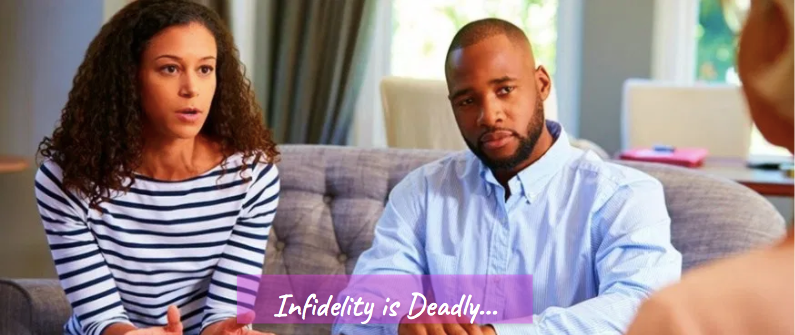
What is Infidelity in a Marriage? DEADLY

So, what is infidelity?

Infidelity is the violation of the agreed-upon trust, loyalty, and exclusivity within a committed relationship. While many people immediately think of sexual affairs, infidelity can also be emotional, digital, financial, or any behavior that secretly redirects intimacy, energy, attention, or commitment away from the primary relationship.

At its core, infidelity is not just about sex. It is about betrayal of trust and the breaking of relationship agreements—spoken or unspoken.

Understanding infidelity at a deeper level is essential because healing a marriage requires more than identifying who was wrong. It requires clarity, emotional intelligence, healthy boundaries, and a commitment to rebuilding attraction, respect, and trust.

The Real Meaning of Infidelity

Most people define infidelity as cheating.

While that’s true, the deeper reality is that infidelity occurs whenever someone violates the emotional, romantic, sexual, or relational agreements that form the foundation of a committed partnership.

For one couple, exchanging flirtatious messages may be considered harmless. For another, it may represent a serious betrayal.

The specific behavior matters, but the larger issue is this:

Infidelity happens when secrecy replaces transparency and loyalty is replaced by hidden attachments.

When trust is broken, emotional safety disappears. That loss of safety often causes more damage than the act itself.

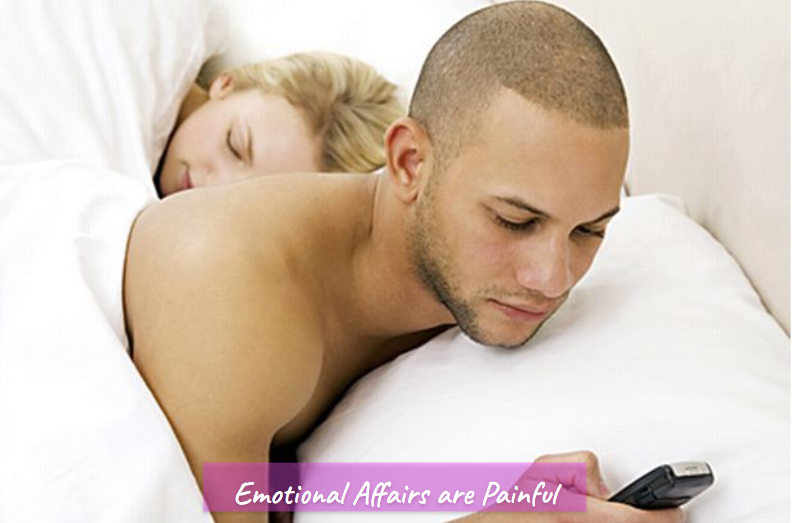
Infidelity can be emotional and even more painful.

What Is Infidelity in Marriage?

In marriage, infidelity occurs when a spouse forms an inappropriate romantic, emotional, sexual, or intimate connection outside the marriage that violates the trust and expectations of the relationship.

Marriage is built upon several pillars:

  • Friendship
  • Trust
  • Emotional connection
  • Physical intimacy
  • Shared expectations

When one of these pillars is compromised through deception or secrecy, the marriage begins to suffer.

The pain of infidelity is often amplified because marriage is designed to provide certainty, connection, significance, growth, and contribution—some of the most fundamental emotional needs humans possess.

When betrayal enters the relationship, those needs suddenly feel threatened.

Types of Infidelity

Many people assume all affairs are physical. In reality, infidelity appears in several forms.

1. Physical or Sexual Infidelity

This is the most commonly recognized form of infidelity.

It involves sexual or intimate physical activity with someone outside the committed relationship.

Examples include:

  • Sexual intercourse
  • Kissing
  • Physical intimacy
  • Ongoing affairs
  • One-night stands

Because physical affairs are visible and tangible, they often receive the most attention. However, they are not always the most damaging form of betrayal.

2. Emotional Infidelity

Emotional infidelity occurs when someone develops a deep emotional bond with another person while hiding it from their spouse.

Signs may include:

  • Sharing personal secrets with someone else
  • Prioritizing another person emotionally
  • Constant texting or communication
  • Seeking emotional support outside the marriage
  • Romantic feelings without physical contact

Many betrayed spouses report that emotional affairs hurt just as much—or more—than physical affairs because emotional intimacy is often the foundation of long-term attraction.

3. Digital Infidelity

Technology has created new opportunities for secrecy.

Digital infidelity may involve:

  • Secret conversations
  • Sexting
  • Dating apps
  • Hidden social media relationships
  • Online affairs
  • Secretive pornography habits that violate relationship agreements

The device may be digital, but the betrayal is real.

4. Financial Infidelity

Financial infidelity happens when one partner hides money matters from the other.

Examples include:

  • Secret bank accounts
  • Hidden debt
  • Undisclosed purchases
  • Gambling losses
  • Concealed investments

Trust extends beyond romance. When financial transparency disappears, emotional trust often follows.

what is infidelity - it hurts

Why Does Infidelity Hurt So Much?

The pain of infidelity goes far beyond the affair itself.

Most people experience:

  • Shock
  • Anger
  • Sadness
  • Anxiety
  • Loss of self-esteem
  • Obsessive thoughts
  • Fear of future betrayal

The reason is simple.

Infidelity attacks multiple emotional needs simultaneously:

  • Certainty becomes uncertainty.
  • Connection becomes distance.
  • Significance becomes rejection.
  • Growth becomes stagnation.

Many betrayed spouses become trapped trying to understand every detail of what happened.

Unfortunately, endless investigation often prolongs suffering rather than creating healing.

At some point, recovery requires shifting focus from the affair itself to personal clarity, self-respect, and healthy relationship boundaries.

What Causes Infidelity?

There is rarely one single cause.

Infidelity is usually the result of multiple factors interacting over time.

Common causes include:

Low Emotional Connection

When couples stop nurturing friendship and emotional intimacy, distance often develops.

Unmet Emotional Needs

Humans naturally seek certainty, variety, significance, connection, growth, and contribution. When these needs are chronically neglected, vulnerability to temptation may increase.

Poor Boundaries

Most affairs do not begin in a hotel room.

They often begin with:

  • Private conversations
  • Emotional dependency
  • Excessive familiarity
  • Hidden communication

Low Self-Esteem

Some individuals seek external validation to compensate for internal insecurities.

Revenge or Retaliation

In some cases, infidelity becomes a misguided attempt to punish a spouse for past hurts.

Opportunity and Circumstances

Temptation exists for most people. Character, boundaries, and purpose determine how individuals respond when opportunities arise.

Importantly, understanding causes is not the same as excusing behavior.

Every affair remains a personal choice.

35 Warning Signs Your Wife Is Cheating (Is It Insecurity?)

what is infidelity - is it the end?

Is Infidelity Always the End of a Marriage?

No.

Many marriages survive infidelity.

Some even become stronger after both partners confront the deeper issues that existed before the betrayal.

However, survival requires more than forgiveness.

It requires:

  • Genuine remorse
  • Radical honesty
  • Accountability
  • Consistent action
  • Time
  • Emotional maturity

Trust is not rebuilt through promises.

Trust is rebuilt through repeated experiences of reliability.

How to Rebuild Trust After Infidelity

Healing takes time, but it is possible.

1. Stop Chasing Explanations Forever

Understanding is helpful.

Obsession is not.

At some point, healing requires accepting that no explanation will completely erase the pain.

2. Establish Clear Boundaries

Healthy boundaries create emotional safety.

Examples include:

  • Full transparency
  • Ending inappropriate relationships
  • Open communication
  • Consistent accountability

3. Focus on Self-Respect

Many betrayed spouses become consumed by monitoring their partner.

Ironically, the more empowering path is rebuilding yourself.

Invest in:

  • Physical health
  • Emotional health
  • Spiritual grounding
  • Personal goals
  • Meaningful friendships

Self-respect creates clarity.

Clarity creates power.

4. Rebuild Friendship First

Long-term attraction grows from emotional connection.

Many couples attempt to fix sex before repairing friendship.

The stronger approach is rebuilding trust, communication, and companionship first.

5. Avoid the Blame Cycle

Blame, guilt, shame, condemnation, and constant judgment rarely create healing.

They often create defensiveness and emotional withdrawal.

This does not mean avoiding accountability.

It means addressing problems without destroying the possibility of future connection.

what is infidelity - can attraction return?

Can Attraction Return After Infidelity?

Absolutely.

Attraction is not merely physical.

It is emotional, psychological, and behavioral.

Many couples mistakenly believe attraction should happen automatically after trust is restored.

The reality is that attraction often grows when both spouses become healthier versions of themselves.

That means:

  • Developing emotional intelligence
  • Managing pride and ego
  • Improving communication
  • Becoming more confident
  • Rekindling friendship
  • Creating positive experiences together

Respect, trust, and emotional safety are often earned gradually through consistent behavior.

What Is the Difference Between Infidelity and Adultery?

People frequently use the terms interchangeably, but they are not identical.

Adultery specifically refers to sexual relations involving a married person and someone who is not their spouse.

Infidelity is the broader category that includes emotional affairs, digital affairs, financial deception, and sexual betrayal.

In simple terms, adultery is one form of infidelity, but not all infidelity is adultery.

Moving Forward After Infidelity

Whether you stay together or separate, healing begins when you stop allowing the betrayal to define your entire future.

The healthiest path forward involves:

  • Accepting reality
  • Setting boundaries
  • Rebuilding self-respect
  • Strengthening emotional intelligence
  • Focusing on personal growth
  • Creating clarity about what you want next

You cannot control another person’s choices.

You can control your standards, your response, and the direction of your life moving forward.

That is where true healing begins.

Success statistics of marriage counseling

Frequently Asked Questions

What is the difference between adultery and infidelity?

Adultery specifically refers to sexual relations between a married person and someone other than their spouse. Infidelity is a broader term that includes emotional affairs, digital cheating, financial deception, and sexual betrayal.

What is considered infidelity?

Infidelity is any behavior that violates the agreed boundaries of trust, loyalty, or exclusivity within a relationship. This can include physical affairs, emotional affairs, secret online relationships, sexting, or other hidden intimate connections.

Which gender cheats more?

Research has historically shown slightly higher rates of reported sexual infidelity among men, although the gap has narrowed significantly in recent decades. The likelihood of cheating is influenced more by individual circumstances, values, opportunity, and relationship dynamics than by gender alone.

Are most men faithful to their wives?

Yes, most married men do not report engaging in extramarital affairs. While infidelity receives significant attention because of its emotional impact, the majority of husbands remain faithful throughout their marriages.

How to Save Your Marriage When Your Spouse Wants Out – Saving a Marriage in Crisis

You ever been in one of those situations where you walk into a room, and you can immediately tell something’s off?

Click the image below to Watch the Video

Click the image below to Watch the Video

Like… the air is just thick with tension.

You say “Hey, babe,” and all you get back is a grunt. Or worse—absolute silence.

Now, if you’re like me, you probably start running through a mental checklist: “Did I forget the anniversary? Did I leave the toilet seat up? Did I—Oh wait… it’s worse than that.”

And then… BOOM.

Your spouse hits you with the words no one ever wants to hear:

“I don’t think this is working. I think we should separate.”

Listen, if you’ve ever been in this situation or you’re in it right now, I need you to do one thing for me. Breathe. Seriously. Breathe in. Breathe out.

Because this isn’t the end of your marriage—yet. And even if it feels like it, I promise, there’s still a way forward.

I’m Ola, one half of a partnership with my wife, Lola. After 11+ years of friendship and 8+ years of marriage, we almost gave up on each other.

The pain, the distance, the constant fights—it felt like there was no way forward.

But through heartbreak, trial, and relentless effort, we discovered something powerful.

That journey led us to create the Get My Marriage Back system, launch this website in 2018, and co-author the book Get My Marriage Back.

Since then, we’ve helped countless individuals and couples get their marriage back and make it even better.

At press time, we’ve celebrate 17+ years of marriage and 20+ years of friendship.

And today, we’re going to talk about how to save your marriage when your spouse wants out.

And no, before you ask, the answer isn’t to beg, plead, or suddenly become the most romantic version of yourself that ever existed. Trust me, we’ve seen it all, and that’s not how this works.

So, let’s talk about it.

Tip #1 of 5—It’s Not About Whose Fault It Is

I know, I know. The first thing we all want to do when a relationship is falling apart is figure out who’s to blame.

“If she would just listen to me!” “If he would stop ignoring my feelings!” “If they weren’t always on their phone!” Sound familiar?

One of our clients—let’s call him Jason—came to us convinced his wife was the problem. She had become distant, she stopped laughing at his jokes, and worst of all… she stopped complaining about his bad habits. And if you’re married, you know: when they stop complaining, that’s when you should worry.

Jason was stuck in the blame game, and the more he tried to prove his innocence, the worse things got. He’d say, “But I do everything for you!” and she’d respond with, “I never asked you to.” Ouch.

Look, if your spouse wants out, the goal isn’t to prove you’re right. The goal is to understand what’s happening. And that leads me to the next point…

Tip #2 of 5—Accept and Understand It

Here’s the thing—you can’t fix what you refuse to accept. If your spouse says they want out, that’s their reality right now. Telling them they’re wrong or acting like it’s just a phase isn’t going to help.

Think about it like this: If someone is drowning and they’re flailing their arms, you don’t say, “You’re not actually drowning. Just stop panicking.” No! You acknowledge the panic, then you help them in a way that doesn’t make it worse.

When Jason finally accepted that his wife felt disconnected, instead of fighting it, he started to see things differently. He realized she wasn’t just being cold—she was hurting. And when you recognize that your spouse is hurting, you stop trying to “win” the argument and start focusing on the real problem.

By the way, if this is hitting home for you, go ahead and hit that like button. And while you’re at it, subscribe, follow, and turn on notifications because we’ve got more coming that’ll help you get your marriage back on track.

Alright, let’s keep going.

Tip #3 of 5—Be Accountable

(And No, Accountability Is Not the Same as Fault)

Jason had to learn this the hard way. See, he thought being accountable meant admitting everything was his fault. But that’s not what we’re talking about.

Accountability means asking, “What’s my role in this?” without turning it into self-blame or self-pity. It’s about seeing where you can improve—not so you can take all the blame, but so you can take control of what you can change.

Jason realized he had stopped being emotionally present years ago. His wife didn’t wake up one day and say, “I’m done.” It was a slow fade. And when he finally took accountability for his own emotional unavailability, that’s when things started to shift.

Tip #4 of 5—Let Go

I know. This one is tough. But listen—the more you try to control the outcome, the worse things get.

Jason spent months trying to convince his wife to stay. He wrote long text messages. He over-explained every little thing. He even made one of those dramatic “I can’t live without you” speeches in the rain. Okay, maybe not in the rain, but you get the idea.

And guess what? None of it worked.

But the moment he stopped trying to force her to stay… the moment he stopped clinging to control… she noticed.

Because here’s the truth: Desperation pushes people away. Confidence and self-assurance bring them closer.

Which leads us to the last and most important tip…

Tip #5—Engage in Self-Development

If you take nothing else from this video, take this: The best way to save your marriage is to become the best version of yourself—not for your spouse, but for you.

Jason stopped focusing on “fixing” his wife and started working on himself. He rediscovered hobbies. He started learning about emotional intelligence. He even started listening instead of just waiting for his turn to talk.

And you know what happened?

His wife started noticing.

Because when you work on yourself, the energy shifts. Your confidence grows. You stop being the person who’s begging for love and start being the person who naturally attracts it.

And here’s the crazy part—Jason’s wife eventually started engaging in conversations again. Not because he convinced her to, but because she felt the difference.

So if your spouse wants out, the best thing you can do isn’t to chase them—it’s to work on you.

And if you need help with that, consider working with us for personal coaching.

Just go to Click Here or Go to ww.GetMyMarriageBack.com

Alright, now before we go, don’t forget to hit like, subscribe, and turn on notifications so you don’t miss the next video.

And here’s a question for you: Do you think love alone is enough to save a marriage, or is something else more important? Drop your thoughts in the comments, and let’s talk about it.

Here is part 2 of the “Saving a Marriage in Crisis” series; 7 Signs Your Marriage Can Still Be Saved.

FAQ: Saving Your Marriage

What is the No. 1 rule for saving your marriage?

The most important step is to focus on your own self-development rather than trying to control your spouse or the outcome.

How can I save my broken marriage?

You can begin to save your marriage by accepting your spouse’s feelings and understanding their perspective.

What are the hard years of marriage?

The “hard years” of marriage often occur in the first few years as couples adjust and between years 5 and 8 when deeper issues may surface.

At what year do most marriages fail?

While statistics vary, research suggests that most marriages tend to fail either in the first few years (1-2) as couples adjust, or between years 5 and 8.

Relationship Problems? Got GAME? 4 Ways To LEVEL UP NOW 🎮✨

Do you have relationship problems?  It’s probably your partner’s fault and super-easy to just blame them.  But you probably also “lack game”.  Let’s find out.

Back when Kayode and Sharon were newlyweds, life was a whirlwind of love and excitement. They moved into a cozy apartment in Houston, full of dreams and plans for their future together. Every weekend, they would explore the city, discovering new restaurants, attending music festivals, and enjoying their shared love for adventure.

But as time went on, the honeymoon phase began to fade.

Kayode got a promotion at work, which meant longer hours and more stress. Sharon, who had always been a social butterfly, started feeling lonely and neglected. Kayode started feeling unappreciated for his hard work. Their once-vibrant relationship turned into a series of routine arguments and silent dinners. The spark that brought them together seemed to be dimming.

Kayode felt overwhelmed and frustrated, often bringing his work stress home. Sharon, on the other hand, felt isolated. She missed the days when Kayode would surprise her with little notes or take her out on spontaneous dates. The emotional distance grew, and their arguments became more frequent and intense. Sharon felt like she was living with a stranger, and Kayode felt like he couldn’t do anything right.

6 Tips To Navigating Trust Issues in Relationships

According to Sharon, Kayode used to be a loving, attentive husband, but the pressures of work and life made him distant and irritable.

Sharon was trying to escape loneliness and disconnection. They were both running from the reality that their relationship was in trouble. The more they tried to avoid the issues, the more they drifted apart.

One evening, after a particularly heated argument, Sharon confided in her best friend, who suggested enrolling in the Prestige Marriage Academy. Sharon scoffed at the idea, feeling like she had tried everything and was ready to file for divorce.

Sharon’s friend managed to share a Man of Prestige happy hour livestream with her. In that livestream, she heard me using the word GAME and was taken aback. She thought, “this is my real life and not a game.”

Today, we’re diving into something a little playful but incredibly profound – it’s called G.A.M.E. Now, before you start thinking we’re talking about playing games in your relationship, let me clarify.

I understand that you might view G.A.M.E. as not the most empowering way to approach a romantic relationship.

It may seem manipulative rather than fostering a genuine connection. I get it. But love is playful and not always serious. Lighten up!

Environments that are too serious can stifle and smother romance, especially in marriage. G.A.M.E. is a term used by young people to describe the ability to naturally attract and nurture romantic attraction. It means having the finesse to bag who they want. We are showing you that these influence and seduction skills can be learned. I encourage you to focus on the context here. This context involves giving value to your partner in a way that they can reciprocate your desires.

17 Signs of When to Walk Away From A Sexless Marriage

The context is about whether “you’ve got game” or not, not about “playing games or tricks” as some dictionary meanings might suggest. It’s about being the best version of yourself and bringing that into your relationship. It’s about your ability to create a positive, loving environment where your partner can thrive, especially in crisis or conflict.

G.A.M.E. is about cultivating essential skills for a strong, enduring romantic relationship. It’s all about G for Gratitude, A for Ability, M for Mindfulness, and E for Empathy. So, grab a seat, maybe a cup of tea, and let’s chat about how you can level up your game!

G for Gratitude: The Power of Appreciation

First up, we have Gratitude. It’s the art of appreciating what you have, paying more attention to and recognizing the positive aspects of your life, especially your relationship. When you focus on the good, it enhances your happiness and strengthens your bond with your partner. What you focus on expands; it’s part of the secrets of attraction.

Why is Gratitude Important?

Gratitude shifts your focus from what’s lacking to what you already have. This simple shift can make a world of difference in your relationship. When you appreciate your partner and the things they do, it creates a positive feedback loop. They feel valued and are more likely to continue those behaviors that make you happy. If you are familiar with the parable of talents in the scriptures, it’s the same concept. It steals your focus away from being a victim to engaging your influence and seductive powers. Gratitude is also the first core pillar in our proprietary 3 core pillars, G.P.S. namely, God/Gratitude, purpose, and self. Obviously, we are not talking about extreme cases of abuse. Talk to your coach and they should be able to tell you if you are in an extreme case or not.

Here are 3 Ways to Practice Gratitude:

  1. Daily Reflection: Take a few minutes each day to reflect on what you appreciate in your life and relationship. Be intentional with this more so than your intentionality around setting boundaries and detecting narcissistic behaviors. Most people are busy playing the game of defense only. There is no game you can win by simply playing defense, particularly against your partner who should actually be on your team. Think about your partner’s qualities, shared experiences, and even the small gestures that made you smile. That’s how to play offense against the forces that are attacking relationships these days; not your partners as most people do, seemingly rightfully, since they are the ones that seem to offend you the most.
  2. Gratitude Journal: Write these reflections down. Keeping a gratitude journal helps you remember and cherish these moments.
  3. Express Appreciation: Don’t just keep it to yourself. Tell your partner what you appreciate about them. A simple “Thank you for making dinner, it was delicious” can go a long way. A simple “Thank you for being my rock, I appreciate you” goes a long way.

Unrealistic EXPECTATION in Relationships & Marriages ❤️ 2 Reasons why it DESTROYS…

A for Ability: Embrace Personal Growth

Next, we have Ability. This is all about continuous personal growth. Striving to become the best version of yourself without pressuring your partner to change in the name of “it takes two to tango”.  Tango is a dance right?  It’s okay if you start dancing and invite your partner into a dance too. Your growth not only enhances your self-confidence but also makes you a more attractive and fulfilling partner.

Why is Ability Important?

When you focus on your personal development, you bring more to the table in your relationship. You become more confident, more interesting, and more engaged. Confidence is sexy to all genders. This, in turn, attracts a more compatible partner and strengthens the connection you already have.

Here Are 3 Ways to Enhance Your Ability:

  1. Identify Areas for Improvement: Take a good look at yourself; the mirror. What skills, habits, or aspects of personal well-being could use some work?
  2. Set Goals: Once you’ve identified areas for improvement, set realistic and achievable goals. It could be anything from learning a new hobby to improving communication skills.
  3. Learn from Your Partner: Your partner is a great source of inspiration and knowledge. Be open to learning from their experiences and perspectives. That doesn’t mean agreement.

This is easier said than done. If you are in the middle of a crisis or conflict, it will be difficult for you to level up your game. Talk to your coach. Running away from a relationship is often not helpful as your problem follows you everywhere like the shadow that it is.

If you don’t have a coach, click here to contact us right after downloading our books for free. The books are “Get My Marriage Back” and “#1 Red Flag.”

M for Mindfulness: Be Present and Playful

Moving on to Mindfulness. This is about being fully present in the moment, fostering a deep connection with your partner. It’s about appreciating shared experiences and deepening intimacy.

Why is Mindfulness Important?

Mindfulness helps you to truly connect with your partner. It allows you to appreciate the little moments that make up your relationship. So it’s very much congruent with Gratitude. Being mindful means you’re more likely to respond rather than react, especially during conflicts. Think about it. When it comes to engaging your power, you have to be mindful and intentional. When it comes to being a victim, sure others can victimize you, but you just need to feel like a victim to be one. Which would you rather be when you have an option?

Here Are 3 Ways to Practice Mindfulness:

  1. Mindfulness Exercises: Engage in practices like meditation, deep breathing, and even prayer. I am not talking about typical Nigerian “kill the witches” ways of prayer. That’s being a perpetual victim. I pray you won’t have to yield to that. I am talking about staying grounded and present.
  2. Active Listening: When your partner is talking, really listen to understand. When you can, put away distractions like phones and focus on what they’re saying.
  3. Be Present: During your time together, be fully present. Enjoy your partner’s company by showing interest in their expressions without the constant interruptions of daily life.

E for Empathy: Understand and Share Feelings

Last but certainly not least, we have Empathy. This is the ability to understand and share your partner’s feelings. It’s about building trust and creating a safe space for authentic expression from your partner.

Why is Empathy Important? Empathy builds a strong emotional bond between partners. It fosters trust and makes your partner feel understood and valued. This is crucial for any healthy relationship.

Here Are 3 Ways to Cultivate Empathy:

  1. Active Listening Again: Should you be reading minds? No. Just pay attention to your partner’s words and beyond; their emotions. Try to understand their perspective.
  2. Validate Emotions: Acknowledge your partner’s feelings without judgment. Let them know their emotions are valid.
  3. Nonverbal Cues: Pay attention to body language and other nonverbal signals. These can provide deeper insight into your partner’s feelings.

So, there you have it – G.A.M.E. in a nutshell. By focusing on Gratitude, Ability, Mindfulness, and Empathy, you can establish a strong foundation for a lasting romantic relationship. Remember, a strong relationship requires effort from your partner as well, but leveling up on your own G.A.M.E. can positively influence the dynamic and inspire your partner to reciprocate in ways that you desire.

So, take these principles to heart and start cultivating your G.A.M.E. today. Your relationship will thank you for it! And remember, I’m always here to help you along the way. If you need more tips or personalized advice, don’t hesitate to reach out by clicking here

Over there, you can also download our two books for free: “Get My Marriage Back” and “#1 Red Flag.”

Keep playing the game of love with gratitude, ability, mindfulness, and empathy. You’ve got this!

Frequently Asked Question

How can I strengthen my marriage?

Strengthen your marriage by practicing gratitude, continuous personal growth, mindfulness, and empathy through the principles of G.A.M.E.

How can I improve the quality of my marriage?

Improve your marriage by focusing on appreciation, personal development, being present, and understanding your partner’s emotions.

How do you rebuild a failing marriage?

Rebuild a failing marriage by embracing gratitude, enhancing personal abilities, practicing mindfulness, and cultivating empathy, as outlined in G.A.M.E.

What are the tips to solve relationship problems?

Practice gratitude, focus on personal growth, be mindful and present, and cultivate empathy.

What is the hardest time in a relationship?

The hardest time in a relationship is often when the honeymoon phase fades, and partners feel overwhelmed and neglected.

How to deal with relationship issues?

Address relationship issues by focusing on your own growth, practicing mindfulness, and showing empathy toward your partner.

How to fix a failing relationship?

Fix a failing relationship by enrolling in resources like the Prestige Marriage Academy to learn and apply the principles of G.A.M.E. (Gratitude, Ability, Mindfulness, and Empathy).


Broken Marriage?
Fix it
Here FREE

Get My Marriage Back