
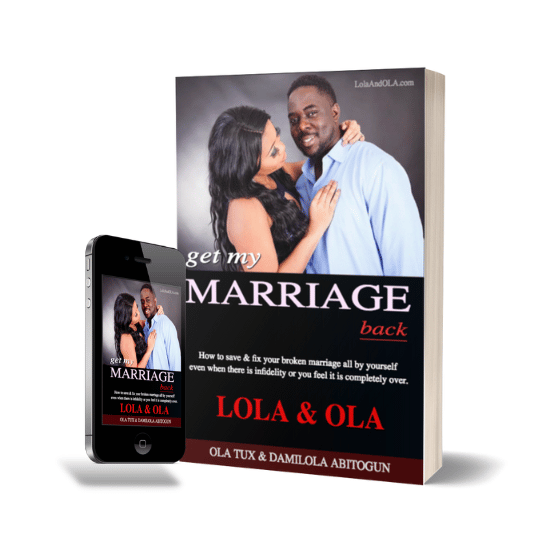
Broken Marriage?
Fix it
Here FREE

Get My Marriage Back


Dealing With In-Law Issues Without Damaging Your Marriage

Dealing with in-law issues can place enormous pressure on an otherwise loving marriage.

An overbearing mother-in-law, a critical father-in-law, an intrusive sibling, or relatives who constantly question your household decisions can make you feel disrespected inside your own relationship.

Over time, what begins as irritation can develop into resentment, emotional distance, and a loss of attraction between husband and wife.

But here is the difficult truth: most in-law problems are not primarily about the in-laws.

They are usually symptoms of a loyalty, communication, or boundary problem inside the marriage.

Extended family members can make comments, offer unsolicited advice, or attempt to interfere. However, the conflict becomes destructive when spouses cannot agree on how to respond. One partner feels abandoned while the other feels forced to defend the family that raised them.

The solution is not to wage war against your spouseโ€™s relatives. It is to strengthen the marital bond, establish calm boundaries, and present a united front without unnecessary hostility.

Why Dealing With In-Law Issues Becomes So Emotional

In-law conflict is rarely a simple disagreement between adults. It touches identity, loyalty, belonging, pride, and family history.

Your spouse may hear criticism of a parent as criticism of their childhood, culture, judgment, or character. Even when they privately agree that a relative is difficult, they may instinctively become defensive when you attack that person.

At the same time, you may interpret your spouseโ€™s silence as betrayal.

You are not merely upset that a relative made an inappropriate comment. You are upset because the person who promised to build a life with you did not appear to protect the relationship.

This is why seemingly minor incidents can create major fights.

The surface issue might be an unannounced visit, an insulting joke, holiday pressure, parenting advice, financial interference, or a private conversation shared with relatives. Beneath the surface, however, both spouses are asking deeper questions:

  • Are we truly on the same team?
  • Do my feelings matter to you?
  • Will you protect our home?
  • Am I competing with your family?
  • Can I trust you with private marital matters?

Healthy boundaries help couples protect their time, privacy, and autonomy as a household. Marriage educators similarly emphasize that couples benefit from agreeing on limits before communicating them to extended family.

dealing with in law issues - Why Blaming Your In-Laws Usually Fails

The Loyalty Trap: Why Blaming Your In-Laws Usually Fails

When people struggle with dealing with in-law issues, they often focus all their energy on proving that the relative is wrong.

They collect examples. …Replay conversations.

They criticize the in-lawโ€™s personality. Trying to persuade their spouse that the family member is manipulative, disrespectful, selfish, controlling, or toxic.

Even when the complaints are valid, this strategy commonly backfires.

Your spouse may feel that defending their family is the same as defending themselves. Instead of hearing your pain, they hear an attack. The conversation then becomes a courtroom in which both people present evidence, assign blame, and fight to be declared right.

Being right does not necessarily protect your marriage.

A better question is:

What arrangement would help both of us feel respected, secure, and connected?

That question moves the discussion away from character assassination and toward leadership, partnership, and practical boundaries.

In-Law Problems Are Often Marriage Alignment Problems

Extended family can interfere most effectively when the married couple is not aligned.

When spouses send mixed messages, relatives quickly learn where the marriage is vulnerable. One partner says no, the other quietly says yes. One spouse shares private marital frustrations, then becomes angry when the family forms a negative opinion. One person wants distance, while the other continues behaving as though nothing has happened.

This lack of alignment creates confusion and invites further interference.

Family intrusion can undermine a coupleโ€™s autonomy and produce resentment or powerlessness when boundaries are repeatedly crossed.

A united marriage does not require both spouses to feel exactly the same about every relative. It means they agree that the peace, privacy, and stability of their household must be protected.

That requires mature conversations before the next family conflict occurs.

dealing with in law issues - Discuss the Issue Privately With Your Spouse

1. Discuss the Issue Privately With Your Spouse

Never attempt to resolve a major in-law disagreement in front of the in-laws.

Public confrontation creates embarrassment, defensiveness, and pressure. Your spouse may defend their relative simply because they feel cornered.

Talk privately when both of you are calm.

Avoid opening with accusations such as:

  • โ€œYour mother is always disrespectful.โ€
  • โ€œYour family ruins everything.โ€
  • โ€œYou never stand up for me.โ€
  • โ€œYour father is controlling.โ€
  • โ€œYou care more about them than me.โ€

Those statements may reflect your emotions, but they are unlikely to produce cooperation.

Describe the behavior, the impact, and the change you need.

For example:

โ€œWhen decisions about our children are challenged in front of everyone, I feel undermined. I need us to agree privately and communicate one answer together.โ€

Or:

โ€œWhen our marital disagreements are shared with your family, I no longer feel safe being vulnerable with you. I need our private issues to stay between us unless we jointly decide to seek help.โ€

This approach protects your dignity without forcing your spouse to defend an entire family system.

2. Build a United Front Before Setting Boundaries

A boundary is much stronger when both spouses understand it and support it.

Before speaking to extended family, discuss:

  • Unannounced visits
  • Holiday expectations
  • Parenting decisions
  • Financial requests
  • Business partnerships
  • Private marital information
  • Disrespectful comments
  • Overnight stays
  • Frequency of calls or visits
  • Access to your home
  • Religious or cultural expectations
  • Social media posts involving your family

Do not assume that your spouse already knows what bothers you.

Passive boundary setting is not boundary setting. Hints, facial expressions, silent treatment, and delayed explosions create confusion rather than clarity.

Decide together what behavior is acceptable, what is not acceptable, and what will happen when a boundary is ignored.

The purpose is not to punish relatives. The purpose is to protect the marriage.

3. Let Each Spouse Address Their Own Family When Possible

In many situations, the spouse whose family is causing the problem should take the lead in communicating the boundary.

This reduces the likelihood that the other spouse will be portrayed as controlling, divisive, or disrespectful.

For example, a husband may need to tell his parents:

โ€œWe appreciate your concern, but this is a decision my wife and I are making together.โ€

A wife may need to tell her mother:

โ€œPlease call before visiting. We love seeing you, but surprise visits do not work for our household.โ€

Notice the language: we, not โ€œmy spouse says.โ€

Throwing your spouse under the bus weakens the marriage.

Do not say:

โ€œMy husband doesnโ€™t want you coming over.โ€

Say:

โ€œWe have decided that we need advance notice before visits.โ€

The biological child may communicate the message, but the boundary belongs to the marriage.

4. Set Specific Boundaries Instead of Making General Complaints

โ€œRespect usโ€ is too vague.

โ€œStop interferingโ€ is emotionally understandable but difficult to apply.

Effective boundaries describe concrete behavior.

Examples include:

  • โ€œPlease text before coming to our home.โ€
  • โ€œWe are not discussing our finances.โ€
  • โ€œWe will make the final decision about the children.โ€
  • โ€œWe are alternating holidays this year.โ€
  • โ€œWe will end the conversation if insults begin.โ€
  • โ€œWe are not lending money for this project.โ€
  • โ€œPlease do not discuss our disagreement with other relatives.โ€
  • โ€œWe are available for dinner, but we will leave by 8:00 p.m.โ€

Clear boundaries reduce room for manipulation, misunderstanding, and selective interpretation.

They also help you remain calm because you know exactly what you are enforcing.

5. Stop Feeding Emotional Drama

One of the most powerful skills in dealing with in-law issues is refusing to become emotionally recruitable.

Some relatives provoke, criticize, guilt, bait, or test limits because strong reactions give them influence. When you become highly reactive, you surrender control of your emotional state.

This does not mean tolerating abuse.

It means refusing to turn every offensive remark into a full-scale conflict.

You can respond with calm statements such as:

  • โ€œIโ€™m not discussing that.โ€
  • โ€œWe have already made our decision.โ€
  • โ€œI understand that you disagree.โ€
  • โ€œThat comment was unnecessary.โ€
  • โ€œWe can continue when everyone is calm.โ€
  • โ€œIโ€™m going to step away from this conversation.โ€

Self-control is not weakness. It is leverage.

A person who cannot control your emotions cannot easily control your marriage.

6. Do Not Compete With Your In-Laws

Your spouseโ€™s love for their family does not automatically reduce their love for you.

However, insecurity can turn family relationships into an unnecessary competition. You may begin counting phone calls, comparing gifts, resenting traditions, or interpreting every family request as proof that you are not the priority.

That mindset makes you appear needy, controlling, or approval-seeking.

Your spouse chose to build a life with you. Act like a secure marital partner rather than a rival seeking constant reassurance.

Your goal is not to erase your spouseโ€™s family bonds. Your goal is to ensure those bonds do not override the commitments, privacy, and authority of the marriage.

Confidence is more attractive than constant competition.

7. Listen Without Immediately Judging Their Family

Your spouse may occasionally complain about a parent, sibling, or relative.

That does not always mean they want you to attack that person.

Sometimes they need a safe place to process disappointment.

If you immediately respond with, โ€œI told you your mother was manipulative,โ€ your spouse may feel temporarily validated. Later, however, they may regret giving you information that you now use against someone they still love.

Try listening before analyzing.

You might say:

  • โ€œThat sounds frustrating.โ€
  • โ€œI can see why that hurt.โ€
  • โ€œDo you want me to listen or help you think through it?โ€
  • โ€œWhat would feel supportive right now?โ€
  • โ€œHow would you like to handle it?โ€

Emotional intelligence means understanding that people can feel hurt by their family while still remaining deeply attached to them.

You do not have to rescue your spouse from every family disappointment. Be a safe haven, not a prosecutor.

8. Keep Private Marital Problems Inside the Marriage

Venting to parents about your spouse can create long-term damage.

You may forgive your husband or wife after an argument. Your parents may not.

When you repeatedly share one-sided accounts of your spouseโ€™s worst moments, your family develops a distorted view of the marriage. They become protective, suspicious, and more likely to interfere.

This does not mean couples should never seek support.

A qualified counselor, pastor, mentor, or trusted neutral person may be helpful. The key word is neutral.

Seek guidance from people who support truth, accountability, reconciliation, and safetyโ€”not people who simply intensify your anger.

Your marriage needs privacy in order to sustain emotional and romantic vulnerability.

It is difficult to feel deeply connected to a spouse who turns every disagreement into a family group discussion.

9. Be Careful Mixing In-Laws With Money or Business

Financial arrangements can magnify existing family tension.

Loans, investments, employment, shared property, business partnerships, and informal financial promises often blur relational boundaries. If the arrangement fails, a business disagreement quickly becomes a marital and family crisis.

Before entering a financial arrangement with in-laws, discuss:

  • How much money is involved
  • Whether the money is a gift or loan
  • Repayment expectations
  • Decision-making authority
  • Ownership percentages
  • Exit terms
  • What happens if the business fails
  • Whether the marriage can absorb the loss
  • Whether saying no will create family retaliation

Whenever possible, do not risk money you cannot emotionally and financially afford to lose.

If you choose to give, consider giving with clear limits and without attaching your peace to the outcome.

Generosity without boundaries becomes resentment.

10. Establish Consequences Without Making Threats

A request tells someone what you would like them to do.

A boundary explains what you will do if the behavior continues.

For example:

โ€œPlease do not insult my spouse.โ€

If the insults continue:

โ€œWe are ending the visit now. We can try again another time.โ€

The consequence should be proportionate and enforceable.

Possible consequences include:

  • Ending a phone call
  • Leaving a gathering
  • Shortening a visit
  • Declining an invitation
  • Requiring advance notice
  • Limiting access to private information
  • Taking a temporary break from contact
  • Meeting only in public places
  • Refusing financial involvement
  • Moving communication to text or email

Do not announce consequences you are unwilling to enforce.

Repeatedly stating a boundary without acting teaches people that your words have no weight.

dealing with in law issues - How to Stand Up to In-Laws Without Creating More Drama

How to Stand Up to In-Laws Without Creating More Drama

Standing up for your marriage does not require aggression.

In fact, explosive confrontation often damages your credibility and creates sympathy for the person who crossed the line.

Use a calm, brief structure:

  1. Acknowledge the relationship.
  2. Name the behavior.
  3. State the boundary.
  4. Explain the consequence.
  5. End the discussion.

For example:

โ€œWe love spending time with you. However, criticism of our parenting in front of the children is not acceptable. We are asking you to bring concerns to us privately. If it happens again, we will end the visit.โ€

Avoid overexplaining.

The more you argue, defend, and justify, the more the boundary begins to sound negotiable.

Calm repetition is often more powerful than a long speech.

What to Do When Your Spouse Will Not Defend You

This is often the most painful part of dealing with in-law issues.

You may understand that a relative is difficult, but the deeper wound is that your spouse minimizes the behavior, calls you too sensitive, or refuses to address it.

Do not begin by demanding that your spouse cut off their family.

Instead, focus on the marriage impact.

Say:

โ€œI am not asking you to stop loving your family. I am asking us to create an agreement that protects our relationship.โ€

Be specific about what support would look like.

Perhaps you need your spouse to:

  • Correct false information
  • Stop sharing private matters
  • End insulting conversations
  • Limit surprise visits
  • Support agreed parenting rules
  • Stop accepting money with hidden conditions
  • Leave a gathering with you when disrespect occurs

If your spouse repeatedly refuses to protect reasonable marital boundaries, couples counseling may be necessary. The problem is no longer merely an in-law disagreement; it is a trust and partnership issue.

When Low Contact May Be Necessary

Not every difficult relative requires distance.

Some in-laws are irritating but manageable. Others repeatedly violate boundaries, spread lies, sabotage the marriage, insult a spouse, manipulate children, misuse money, or create emotional chaos.

Temporary low contact may be appropriate when ordinary boundaries have failed.

Low contact can include:

  • Fewer visits
  • Shorter conversations
  • Neutral meeting locations
  • Less personal information
  • No unsupervised access to children
  • Communication through one spouse
  • Avoiding high-conflict topics
  • Taking a break after serious incidents

The goal should be stability, not revenge.

Distance works best when it is calm, deliberate, and connected to specific behavior. It should not be used as a theatrical punishment whenever someone disagrees with you.

What to Do When In-Laws Are Abusive or Threatening

Emotional intelligence does not require tolerating abuse.

Threats, stalking, physical violence, financial exploitation, harassment, intimidation, child endangerment, or repeated severe verbal abuse require stronger action.

Prioritize safety.

Document serious incidents, limit access, seek professional support, and contact appropriate authorities when necessary. Do not remain in a dangerous environment to prove that you are patient, respectful, forgiving, or committed to family unity.

Peace without safety is not peace.

Protecting Attraction While Dealing With In-Law Conflict

In-law conflict can quietly damage attraction.

A spouse may lose respect when their partner appears passive, fearful, chronically reactive, or unable to protect the household. Attraction can also decline when one spouse becomes controlling, insulting, obsessive, or constantly negative about the other personโ€™s family.

The goal is grounded leadership.

That means you can be firm without becoming brutal, patient without becoming passive, and loving without surrendering your standards.

Protect attraction by avoiding:

  • Endless complaining
  • Insulting your spouseโ€™s family
  • Forcing loyalty tests
  • Public arguments
  • Sarcasm and condescension
  • Threatening divorce during every incident
  • Repeatedly demanding reassurance
  • Using sex or affection as punishment
  • Acting helpless
  • Making your spouse manage all your emotions

After handling the conflict, return attention to the marriage.

Go on a date. Restore affection. Laugh together. Have private conversations that are not about relatives. Protect your friendship and sexual connection from becoming collateral damage.

Your in-laws should not become the main character in your marriage.

A Simple Script for Talking to Your Spouse

Use this framework when you need to address an in-law problem:

โ€œI love you, and I do not want this to become a fight between us. When [specific behavior] happens, I feel [impact]. I am not asking you to reject your family. I am asking us to agree on [specific boundary]. I would feel supported if you would [specific action]. What would help you feel respected in this situation?โ€

This script works because it protects the marital connection while still addressing the problem.

It does not shame your spouse, insult the relative, or demand an immediate emotional choice.

A Simple Script for Addressing the In-Law

โ€œWe value our relationship with you, and we want our time together to remain positive. We have decided that [specific boundary]. We understand that you may disagree, but this is what works for our household. If the boundary is not respected, we will [specific consequence].โ€

Keep it short.

Do not turn the conversation into a review of every offense committed over the past decade.

The Biblical Perspective on In-Law Boundaries

The Bible teaches both honor for parents and the formation of a distinct marital union.

Exodus 20:12 instructs people to honor their father and mother, while Genesis 2:24 describes a husband leaving his father and mother and becoming united with his wife.

These principles are not contradictory.

Honoring parents does not mean allowing them to govern the marriage. Leaving does not require hatred, abandonment, or disrespect. It means the married couple forms a primary household with its own responsibilities, loyalties, privacy, and decisions.

Biblical honor can coexist with a respectful no.

You can speak kindly, refuse revenge, remain grateful, and still enforce boundaries that protect your spouse and home.

The Most Important Rule for Dealing With In-Law Issues

The central rule is simple:

Protect the marriage without unnecessarily dishonoring the family.

Your spouse should not be forced to choose between love for you and love for their relatives. At the same time, extended family should not be given authority that belongs to the married couple.

A healthy marriage creates an order of priority:

  1. The marriage is the primary adult partnership.
  2. Household decisions are made by the spouses.
  3. Extended family is treated with dignity.
  4. Advice may be considered without being obeyed.
  5. Disrespect has consequences.
  6. Privacy is protected.
  7. Both spouses communicate as one team.

When that order is clear, in-law relationships often become easier because everyone understands where they stand.

Dealing with in-law issues successfully requires more than identifying who is wrong.

It requires self-awareness, patience, emotional discipline, clear expectations, and marital leadership.

Do not surrender your peace by reacting to every comment. And do not damage your spouseโ€™s trust by attacking the people they love. Do not remain passive while resentment grows.

Address the real issue.

Strengthen your alliance. Protect your privacy. Communicate boundaries calmly. Enforce consequences consistently. Refuse to compete with extended family, and do not allow family conflict to consume the friendship, intimacy, and attraction inside your marriage.

You cannot control every relative.

You can control the strength, clarity, and emotional maturity of your response.

19 Signs Your Wife Is Not Sexually Attracted To You

Frequently Asked Questions

How can I effectively deal with toxic in-laws?

Set specific boundaries with your spouse, limit the personal information you share, and calmly reduce contact when harmful behavior continues. Focus on what you can control rather than trying to force the relative to change.

What is the rule for success with in-laws in marriage?

The most important rule is to remain united with your spouse while treating extended family with dignity. Each partner should protect the marriage and generally take responsibility for communicating boundaries to their own relatives.

What does the Bible say about dealing with in-laws?

The Bible teaches people to honor their parents while also describing marriage as a new primary union in which spouses leave their original households and become one. Honor does not require surrendering the authority, privacy, or boundaries of your marriage.

How do you deal with an in-law that you do not like?

Remain civil, reduce unnecessary exposure, and stop trying to create emotional closeness that is not naturally present. You do not have to like an in-law to behave respectfully and protect your marriage with clear limits.


Rules for Marriage: 12 Guardrails for a Healthy, Attractive Bond

It has become popular to say there are no universal rules for marriage.

People claim every marriage is different, relationships do not come with manuals, and couples must simply discover what works for them. There is some truth in that ideaโ€”but it can also become an excuse to avoid responsibility, discipline, and self-examination.

Every marriage has its own personality. Yet healthy, lasting marriages consistently reveal recognizable patterns.

Couples who remain connected over time tend to communicate with respect, protect one anotherโ€™s dignity, repair conflict, maintain friendship, manage expectations, and continue cultivating romantic and sexual attraction. These patterns may not be rigid laws, but they are reliable guardrails.

Success leaves clues.

When people repeatedly succeed at something as emotionally complex as marriage, it is reasonable to study how they think, behave, recover, and reconnect. A person who genuinely values marriage should be willing to identify those patterns rather than dismiss the entire subject by saying, โ€œThere are no rules.โ€

The healthiest rules for marriage do not imprison two people. They protect the environment in which trust, friendship, desire, growth, and emotional safety can flourish.

rules for marriage

Marriage Rules Are Guardrails, Not Instruments of Control

The word โ€œrulesโ€ can make marriage sound rigid, restrictive, or authoritarian.

That is not the purpose of these principles.

Healthy marriage guardrails are not weapons for controlling your spouse. They are standards you first apply to yourself. They help you decide how you will communicate, respond, lead, apologize, create connection, and protect the relationshipโ€”even when your spouse is not behaving perfectly.

This matters because many people wait for their partners to change before improving their own conduct.

They say:

  • โ€œI will become affectionate when my spouse becomes more attentive.โ€
  • โ€œI will communicate respectfully when my spouse stops frustrating me.โ€
  • โ€œI will apologize when my spouse admits what they did.โ€
  • โ€œI will bring more romance when my spouse becomes more attractive.โ€
  • โ€œI will work on the marriage when my partner proves they care.โ€

That mindset creates a stalemate.

Personal leadership means refusing to surrender control of your character simply because another person is imperfect. You cannot control your spouseโ€™s behavior, but you can influence the emotional climate of your marriage through the energy, discipline, warmth, honesty, and maturity you consistently bring into it.

You may sometimes have to begin a healthier cycle alone. That does not mean carrying the entire marriage indefinitely or tolerating abuse. It means taking responsibility for your contribution before using your spouseโ€™s shortcomings to justify your own.

The Number-One Rule for Marriage: Pursue Unity

The foundational rule for marriage is the pursuit of unity.

Unity does not mean agreeing about everything. It does not require either spouse to abandon personal identity, independent thought, boundaries, or ambition.

Unity means remembering that you are on the same team.

Every disagreement, financial decision, family challenge, intimacy issue, career transition, and parenting conflict should be approached from one central question:

What response will strengthen us as a team?

Without unity, spouses begin operating like opposing attorneys. Each person gathers evidence, defends a position, exposes the other personโ€™s weaknesses, and tries to win the case.

But winning an argument while damaging your spouseโ€™s dignity is not a marital victory. If your partner leaves the conversation feeling humiliated, emotionally abandoned, or unsafe with you, the relationship has lostโ€”even when your logic was correct.

Unity changes the objective of conflict.

The goal is no longer to establish which spouse is the superior thinker. The goal is to understand the problem, protect the bond, and find the most responsible path forward together.

12 Essential Rules for Marriage

12 Essential Rules for Marriage

The following rules for marriage are not shortcuts to a conflict-free relationship. They are practical standards for creating a marriage that is resilient, emotionally intelligent, affectionate, and mutually attractive.

1. Protect Unity More Than Your Ego

Pride turns ordinary disagreements into power struggles.

Instead of addressing the actual issue, spouses begin defending their intelligence, authority, reputation, or right to feel offended. One person needs to be correct. The other needs to avoid looking weak. Soon, the original problem becomes less important than winning.

A healthier question is not, โ€œHow do I prove my point?โ€

It is, โ€œHow do we solve this without destroying connection?โ€

Protecting unity may require you to soften your tone, acknowledge a valid point, pause a heated discussion, or apologize for your delivery even when your underlying concern remains legitimate.

Humility is not humiliation. It is the strength to place the health of the marriage above the temporary satisfaction of being declared right.

2. Practice Radical Personal Accountability

One of the most powerful rules for marriage is to stop waiting for your spouse to go first.

Take responsibility for the atmosphere you create.

Examine your tone, body language, emotional availability, spending habits, reliability, affection, criticism, defensiveness, and willingness to repair. Ask what it feels like to live with youโ€”not merely what you intended.

Accountability does not mean accepting blame for everything. It means honestly confronting the part you can control.

Emotionally intelligent spouses do not say, โ€œYou made me behave this way.โ€ They recognize that frustration may explain a reaction, but it does not excuse contempt, cruelty, dishonesty, or emotional recklessness.

Your partner may contribute to the tension. Your response still belongs to you.

3. Fight the Problem, Not Each Other

Healthy couples experience conflict. The difference is how they handle it.

Attacking your spouseโ€™s character turns a solvable problem into an identity wound. Statements such as โ€œYou are selfish,โ€ โ€œYou never care,โ€ or โ€œYou always ruin everythingโ€ invite defensiveness instead of cooperation.

Address the behavior, its impact, and the desired change.

For example:

โ€œWhenever major purchases are made without a conversation, I feel excluded from decisions that affect us both. I want us to agree on an amount that requires mutual discussion.โ€

That approach is specific, responsible, and solution-oriented.

Avoid yelling, insults, threats, mockery, guilt, condemnation, condescension, and sarcastic put-downs. These behaviors may create momentary compliance, but they gradually poison affection and attraction.

You cannot repeatedly treat your spouse like an enemy and expect them to remain emotionally or sexually open to you.

4. Protect Your Spouseโ€™s Dignity in Public

Public loyalty is one of the most important rules for a successful marriage.

Do not use your spouse as material for jokes, expose private weaknesses for entertainment, or recruit family and friends into your marital disputes. Every relationship needs a protected inner circle.

This does not mean concealing abuse, addiction, danger, or serious misconduct. Professional support and trusted counsel may be necessary in those circumstances.

It means ordinary frustrations should not become public campaigns against your partnerโ€™s reputation.

Speak about your spouse in a way that protects the possibility of reconciliation. Once relatives and friends are trained to despise your partner, they may continue holding resentment long after the two of you have repaired the issue.

Correct privately. Honor publicly.

5. Never Stop Cultivating Attraction

Marriage does not eliminate the need for seduction. It makes intentional attraction more important.

Many couples stop doing the very things that originally created desire. Curiosity becomes assumption. Playfulness becomes logistics. Compliments become criticism. Dates become errands. Touch becomes functional. Mystery disappears under the weight of routine.

Attraction needs both certainty and variety.

Your spouse should feel secure in your commitment while still experiencing freshness, anticipation, flirtation, discovery, and emotional movement. Reliability creates safety, but thoughtful unpredictability helps keep romance alive.

Continue dressing with intention. Initiate affectionate touch. Plan experiences. Send suggestive messages. Compliment specific qualities. Create private jokes. Look at your spouse with desire instead of treating them like another household employee.

Seduction in marriage is not manipulation. It is the art of making your spouse feel seen, chosen, desired, and emotionally alive in your presence.

6. Maintain Friendship Beneath the Marriage

Romance is difficult to sustain without friendship.

Your spouse should not become someone you only discuss bills, children, chores, and problems with. A marriage needs moments of lightness, laughter, shared interests, companionship, and genuine curiosity.

Ask questions that are not administrative.

What has been occupying your spouseโ€™s mind lately and what are they afraid of? What are they excited about and what do they miss?

And what do they want to experience next?

Friendship gives a marriage emotional resilience. During seasons when passion fluctuates, responsibilities increase, or life becomes stressful, friendship helps couples remain connected enough to rebuild.

Make time to enjoy each other without turning every interaction into a relationship evaluation.

7. Manage Expectations Before They Become Resentment

Many marriages suffer less from a lack of love than from unspoken, unrealistic, or conflicting expectations.

One spouse expects frequent affection. The other assumes commitment should be enough. One expects traditional roles. The other expects everything to be divided equally. One assumes money should be saved. The other believes it should be enjoyed. Neither explains the expectation clearly, yet both feel betrayed when it is not fulfilled.

Unspoken expectations eventually become invisible contracts.

You punish your spouse for violating an agreement they never knew they had made.

Discuss expectations concerning finances, sex, household responsibilities, family boundaries, parenting, faith, social life, privacy, career decisions, and quality time. Revisit these conversations as your circumstances change.

Do not expect mind-reading. Clarity is more loving than silent resentment.

8. Refuse to Keep Score

Scorekeeping transforms partnership into a transaction.

โ€œI initiated the last date.โ€

โ€œAlso… I apologized first.โ€

โ€œ…handled the children yesterday.โ€

โ€œI have done more for this marriage than you.โ€

Some imbalance is unavoidable. There will be seasons when one spouse contributes more because the other is sick, grieving, overwhelmed, pregnant, unemployed, building a business, or managing another serious responsibility.

A strong marriage cannot be sustained by measuring every gesture with perfect mathematical equality.

This does not mean tolerating chronic irresponsibility. Persistent imbalance should be addressed. But approach it as a problem to solve rather than an opportunity to prove moral superiority.

Marriage works best when both spouses aim to contribute generously, not minimally.

9. Repair Quickly and Apologize Completely

Every marriage experiences emotional ruptures. Strong marriages become skilled at repair.

A complete apology does not sound like:

โ€œI am sorry you were offended.โ€

โ€œSorry, but you pushed me.โ€

โ€œI already apologized, so get over it.โ€

A meaningful apology identifies the behavior, acknowledges its impact, expresses remorse, and communicates a commitment to change.

For example:

โ€œI was dismissive when you tried to explain your concern. My tone made you feel insignificant, and that was disrespectful. I am sorry. Next time, I will slow down and listen before responding.โ€

Repair should not be delayed merely to protect pride. The longer emotional distance is allowed to harden, the more difficult reconnection becomes.

Apologizing first does not automatically mean you were entirely wrong. It may simply mean you are mature enough to stop the bleeding.

10. Regulate Yourself Before Correcting Your Spouse

Emotional regulation is essential to both conflict resolution and attraction.

A constantly reactive spouse becomes difficult to approach. When every concern triggers defensiveness, rage, panic, moral lectures, threats, or dramatic withdrawal, honest communication begins to feel dangerous.

Learn to pause.

Take a breath. Lower your voice. Ask for a short break when necessary. Return to the conversation at an agreed time rather than disappearing indefinitely.

Self-control is attractive because it communicates strength, stability, and emotional safety. This is different from emotional suppression. Regulating an emotion means managing how it is expressed, not pretending it does not exist.

You are allowed to be angry. You are not entitled to become cruel.

11. Make Intimacy an Ongoing Conversation

Sex should not be treated as an automatic entitlement or an optional luxury that receives attention only after every other responsibility is complete.

Physical intimacy is one of the ways many spouses experience connection, reassurance, playfulness, and desire. Yet healthy sexual connection requires emotional intelligence, communication, responsiveness, and respect.

Discuss frequency, initiation, preferences, stress, health, rejection, affection, novelty, and changing needs without shaming one another.

Avoid using sex as a weapon, reward, bargaining chip, or measurement of personal worth. At the same time, do not dismiss a spouseโ€™s repeated concerns about intimacy as shallow or unimportant.

A thriving intimate life is not created through pressure. It is built by becoming the kind of partner with whom emotional and physical openness feels appealing.

That includes personal hygiene, attentiveness, confidence, affection, patience, emotional presence, and a willingness to keep learning your spouse.

12. Maintain the Marriage Before It Breaks

Do not wait for a crisis before paying attention to your relationship.

Cars receive maintenance. Businesses conduct reviews. Athletes examine performance. Yet many couples assume marriage should survive indefinitely without structured attention.

Schedule regular conversations about the state of the relationship.

Ask:

  • What has felt good between us lately?
  • Where have we felt disconnected?
  • What do you need more of from me?
  • Is there any resentment we need to address?
  • How is our friendship?
  • How is our physical connection?
  • What would make the next month better?

These conversations should not become blame sessions. Their purpose is to identify small points of friction before they develop into entrenched resentment.

Healthy marriages are not merely repaired. They are maintained.

Rules for Marriage That Preserve Emotional Attraction

Rules for Marriage That Preserve Emotional Attraction

Emotional attraction grows when your spouse associates your presence with a healthy combination of safety, significance, connection, growth, and positive anticipation.

That does not mean making your spouse responsible for meeting every emotional need. Mature adults maintain a sense of purpose, identity, friendship, self-respect, and personal responsibility outside the relationship.

However, marriage should become a meaningful place where both people feel valued and emotionally nourished.

You strengthen emotional attraction when you:

  • Listen without immediately correcting.
  • Express appreciation with specificity.
  • Create shared experiences.
  • Respect your spouseโ€™s individuality.
  • Respond to vulnerability with care.
  • Maintain standards for your own growth.
  • Bring confidence instead of chronic neediness.
  • Offer affection without always demanding an immediate return.
  • Create emotional safety without becoming dull or passive.
  • Balance reliability with playfulness and novelty.

Neediness suffocates attraction because it makes your spouse responsible for constantly stabilizing your identity. Emotional coldness also destroys attraction because it starves the bond of warmth and reassurance.

The goal is grounded interdependence: two self-aware people who can stand independently but intentionally choose to build together.

Behaviors That Quietly Poison a Marriage

Some marriages do not collapse because of one dramatic event. They weaken through repeated moments of contempt.

Watch for patterns such as:

  • Shaming your spouse for expressing a need.
  • Insulting their intelligence or appearance.
  • Blaming them for every negative emotion.
  • Judging their motives without evidence.
  • Condemning their entire character over one behavior.
  • Using guilt to force cooperation.
  • Responding to emotion with cold logic alone.
  • Using sarcasm to conceal hostility.
  • Speaking with condescension.
  • Becoming obsessed with proving who is right or wrong.

These behaviors destroy emotional safety. Once emotional safety disappears, honesty decreases, defensiveness rises, physical affection becomes more complicated, and attraction begins to erode.

Truth can be delivered without humiliation.

Tough conversations are sometimes necessary. But tough love without emotional intelligence easily becomes ordinary cruelty wearing a respectable label.

What to Do When You Are the Only One Applying These Rules

You cannot single-handedly create a healthy marriage forever. Marriage ultimately requires participation from both people.

But one person can interrupt an unhealthy cycle.

You can stop yelling even when your spouse continues raising their voice. Also you can become clearer about expectations. …apologize for your contribution.

You can stop publicly criticizing the marriage. And you can restore playfulness, improve your emotional regulation, and initiate a more mature conversation.

Sometimes a different response produces a different response.

However, self-leadership should not become self-abandonment. If your spouse consistently refuses accountability, violates boundaries, behaves abusively, betrays agreements, or shows no willingness to participate in repair, outside support may be necessary.

Starting the cycle does not mean carrying another capable adult indefinitely.

The Rules for Marriage Must Be Lived, Not Merely Discussed

Marriage advice is easy to collect and difficult to embody.

The value of these rules is not in agreeing with them intellectually. The value is in practicing them when you are disappointed, tired, sexually frustrated, financially stressed, misunderstood, or convinced that your spouse should go first.

A strong marriage is rarely built through one grand gesture.

It is built through repeated decisions:

To protect unity, regulate pride.

…communicate clearly.

To remain curious, quickly, preserve dignity, create attraction intentionally

To keep choosing the relationship without losing yourself.

There may be no single manual that can predict every challenge your marriage will face. But that does not mean there are no principles.

Healthy marriages leave patterns. Wise couples study those patterns, apply them with emotional intelligence, and adapt them to the unique realities of their relationship.

The best rules for marriage are not restrictions imposed by one spouse upon the other.

They are shared guardrails that protect the friendship, intimacy, unity, and attraction both people are responsible for creating.

19 Signs Your Wife Is Not Sexually Attracted To You

Frequently Asked Questions

What are the rules of marriage?

The rules of marriage are practical guardrails that promote unity, respect, accountability, communication, loyalty, intimacy, and ongoing connection. They are not tools for controlling a spouse but standards both partners use to protect the relationship.

What is the rule for success in marriage?

The foundational rule is to pursue unity by approaching problems as teammates rather than opponents. Every other healthy principle becomes easier when protecting the bond matters more than defending individual ego.

What are the rules for successful marriage?

Successful marriages rely on honest communication, personal accountability, mutual respect, friendship, emotional regulation, clear expectations, rapid repair, public loyalty, and intentional intimacy. Couples must also continue dating, appreciating, and learning one another as they grow.

What is the #1 thing that destroys marriages?

Mismanaged pride is one of the most destructive forces because it prevents accountability, apology, compromise, and emotional repair. When being right becomes more important than staying connected, resentment and contempt can gradually replace affection.

9 Best Marriage Books for Building Love, Attraction and Lasting Intimacy

While I understand what most people mean when they say there is no ‘instruction manual’ to long-term relationships, I struggle with the fact that this exact mindset is quietly destroying relationshipsโ€”especially when so many exceptional marriage books are readily available to guide us. But I get it.

marriage books
  • Why does my spouse seem distant?
  • How do we stop arguing about the same things?
  • How do we bring back the attraction and connection we once had?

The problem is that many marriage books focus heavily on communication techniques while ignoring the deeper forces that create passion, trust, respect, and emotional connection.

A marriage rarely falls apart because two people forgot a communication script. More often, marriages struggle because attraction fades, expectations become unrealistic, pride gets in the way, and both partners stop growing as individuals.

The best marriage books help you become a better spouse, not a better relationship referee.

That distinction matters.

When you develop self-awareness, emotional intelligence, leadership, and the ability to meet your partner’s emotional needs without losing yourself, the relationship often begins to improve naturally.

Below are the best marriage books we recommend for couples who want to strengthen friendship, rebuild attraction, deepen intimacy, and create a relationship that continues to thrive over time.

What Makes a Great Marriage Book?

Not all marriage books are created equal.

The most effective books help you:

  • Develop greater self-awareness
  • Improve emotional intelligence
  • Understand attraction and polarity
  • Build stronger friendship and companionship
  • Navigate conflict without blame or shame
  • Maintain intimacy over the long term
  • Lead yourself before trying to change your spouse

The strongest marriages consistently balance six core emotional needs:

  1. Certainty
  2. Variety
  3. Significance
  4. Connection
  5. Growth
  6. Contribution

When one or more of these needs are neglected, resentment, distance, and emotional disconnection often follow.

The books below address these needs from different angles.


1. Get My Marriage Back by Lola & Ola โ€“ Best for Marriage Recovery

If your marriage feels broken, distant, or stuck in a painful cycle, this is the best place to start.

Many relationship books assume both spouses are equally motivated to improve the marriage. Real life rarely works that way.

Sometimes one spouse is fully invested while the other is emotionally checked out.

This book focuses on what you can control rather than obsessing over what your spouse should be doing differently.

What You’ll Learn

  • How attraction often disappears before love does
  • Why chasing, pleading, and convincing usually backfire
  • How personal leadership changes relationship dynamics
  • Practical strategies for rebuilding connection
  • How to stop operating from victimhood and start operating from empowerment

One of the most valuable lessons is that blame rarely produces positive change. Personal responsibility creates leverage.

marriage books - Get My Marriage Back by Lola & Ola โ€“ Best for Marriage Recovery

2. His Needs, Her Needs by Dr. Willard F. Harley Jr.

One of the most practical marriage books ever written.

This classic explores the emotional and relational needs men and women commonly experience in long-term relationships.

Many couples assume they know what their spouse needs because they would want the same thing.

That assumption creates disappointment.

What You’ll Learn

  • The most common emotional needs in marriage
  • Why unmet needs create vulnerability
  • How resentment develops over time
  • Ways to increase connection and appreciation
  • Strategies for creating mutual fulfillment

This book is particularly valuable because it helps couples move beyond assumptions and develop a deeper understanding of each other’s world.


3. The Five Love Languages by Gary Chapman

There is a reason this remains one of the most popular marriage books ever published.

Many couples genuinely love each other but communicate that love in ways their partner does not naturally recognize.

The result is frustration.

The Five Love Languages

  • Words of Affirmation
  • Quality Time
  • Receiving Gifts
  • Acts of Service
  • Physical Touch

What You’ll Learn

  • How your spouse experiences love
  • Why good intentions sometimes fail
  • How to communicate affection more effectively
  • Practical ways to increase emotional connection

Used correctly, this book becomes less about getting your needs met and more about becoming a more effective giver.

Ironically, that’s often what creates stronger attraction in return.


4. How to Win Friends and Influence People by Dale Carnegie

At first glance, this may seem like a business book.

In reality, it’s one of the most powerful relationship books ever written.

Marriage is fundamentally a human relationship, and human nature doesn’t change simply because two people exchanged wedding vows.

What You’ll Learn

  • How to reduce defensiveness
  • The art of influence without manipulation
  • Better listening skills
  • Ways to make others feel valued
  • How to build goodwill and trust

Many marriage conflicts revolve around control.

This book teaches a better path: influence through understanding and respect.


5. How to Be a 3% Man by Corey Wayne

Attraction matters in marriage.

Many couples mistakenly believe attraction should automatically sustain itself after the wedding.

Unfortunately, attraction requires intentional effort.

This book focuses heavily on confidence, emotional strength, and masculine leadership.

What You’ll Learn

  • Confidence versus neediness
  • Emotional self-control
  • Maintaining attraction in long-term relationships
  • Leadership without domination
  • Understanding masculine and feminine dynamics

Whether you agree with every point or not, the book offers valuable insights into maintaining romantic energy long after the honeymoon phase.


6. The Art of Seduction by Robert Greene

This may surprise people expecting a traditional marriage book.

However, one of the biggest mistakes married couples make is assuming seduction is only necessary before marriage.

Nothing could be further from the truth.

Seduction is not manipulation.

At its healthiest, seduction is the ongoing process of creating anticipation, mystery, emotional engagement, and attraction.

What You’ll Learn

  • Why attraction fades in predictable ways
  • The psychology of desire
  • The power of confidence and presence
  • How familiarity can reduce romantic tension
  • The importance of maintaining individuality

Many marriages become overly focused on logistics and responsibilities.

This book reminds readers that romance thrives when mystery, curiosity, and emotional excitement remain alive.


7. The Seven Principles for Making Marriage Work by John Gottman

Few researchers have studied marriage more extensively than John Gottman.

His work is based on decades of observing couples and identifying patterns that predict success or failure.

What You’ll Learn

  • The importance of friendship
  • How to manage conflict effectively
  • Building positive emotional deposits
  • Repairing emotional injuries
  • Creating shared meaning

One of the strongest insights from Gottman’s work is that friendship forms the foundation of lasting love.

Without friendship, attraction eventually struggles to survive.


8. The Meaning of Marriage by Timothy Keller

For readers who appreciate a faith-based perspective, this book provides a thoughtful exploration of marriage and commitment.

Rather than focusing exclusively on happiness, it examines how marriage contributes to personal growth and character development.

What You’ll Learn

  • The deeper purpose of marriage
  • Commitment beyond feelings
  • Grace and forgiveness
  • Personal transformation through partnership
  • Long-term relationship vision

This book aligns well with the idea that marriage exists not only for companionship but also for personal growth.


9. Love and Respect by Dr. Emerson Eggerichs

One of the most discussed books in marriage circles.

The central premise is simple:

Many men primarily desire respect, while many women primarily desire love.

When either feels deprived, unhealthy cycles begin.

What You’ll Learn

  • Common relationship misunderstandings
  • Respect and appreciation dynamics
  • How negative cycles develop
  • Better emotional communication
  • Conflict reduction strategies

Even if you don’t agree with every conclusion, the framework creates valuable conversations.

How to Get the Most Value From Marriage Books

My Wife Loves Me But Doesnโ€™t Desire Me | 5 Signs | 5 Tips


Why Most Marriage Advice Fails

Many couples become trapped because they focus almost entirely on what their spouse should change.

That approach rarely works.

The reality is that most marriages collapse for two primary reasons:

1. Mismanaged Expectations

People enter marriage expecting certainty, romance, validation, friendship, passion, growth, and emotional support without realizing these require continuous cultivation.

Unspoken expectations become future resentments.

2. Mismanaged Pride

Pride prevents necessary apology.

Arrogant pride prevents learning.

Pride prevents accountability.

And pride often keeps couples trapped in arguments they should have outgrown years ago.

When pride becomes more important than connection, emotional distance becomes inevitable.


The Hidden Attraction Killers in Marriage

Many marriages slowly lose attraction because of behaviors that quietly destroy emotional chemistry.

Common attraction killers include:

  • Neediness
  • Constant criticism
  • Emotional reactivity
  • Controlling behavior
  • Lack of patience
  • Excessive negativity
  • Shaming and blame
  • Self-righteousness
  • Chronic complaining
  • Loss of personal growth

Attraction grows when people continue evolving.

It declines when they stop.

The strongest marriages never stop dating, learning, growing, and seducing one another.


Sexless Marriage ❤️ Does my Marriage Still Have a Chance⁉️

How to Get the Most Value From Marriage Books

Reading alone changes very little.

Transformation happens through application.

As you read:

  • Focus on your own growth first
  • Highlight actionable insights
  • Apply one lesson at a time
  • Avoid using books as ammunition against your spouse
  • Discuss insights with curiosity, not superiority
  • Measure progress over months, not days

The goal isn’t to become an expert on marriage.

The goal is to become a better partner.

The easiest way to do that is to get both text and audio version of the books when they are available.


The best marriage books do more than teach communication techniques.

They help you develop self-awareness, emotional intelligence, attraction, leadership, friendship, and intimacy.

If you’re serious about creating a stronger relationship, start with Get My Marriage Back, then build your understanding with classics like His Needs, Her Needs, The Five Love Languages, The Art of Seduction, and The Seven Principles for Making Marriage Work.

A thriving marriage is not built by finding the perfect spouse.

It is built by two people who continue growing, learning, adapting, and choosing each other over and over again.

How To Handle Marriage Separation 💔 7 Tips

More Video on our YouTube Channel

FAQ – Frequently Asked Questions

What is the rule for success in marriage?

The most important rule for success in marriage is continuous personal growth combined with mutual respect. Strong marriages thrive when both partners manage expectations, communicate honestly, and prioritize connection over pride.

What is the most popular marriage book?

The Five Love Languages by Gary Chapman is widely considered one of the most popular marriage books of all time. Its simple framework helps couples understand how they naturally give and receive love.

How do you prevent burnout and maintain connection in marriage?

Preventing burnout requires balancing responsibility with romance, friendship, and personal growth. Couples who intentionally create quality time, maintain emotional intimacy, and support each other’s goals tend to stay connected longer.

How do you sustain marital intimacy in marriage?

Marital intimacy is sustained through emotional safety, attraction, trust, and ongoing effort. The strongest couples continue dating, flirting, expressing appreciation, and nurturing both emotional and physical connection throughout the relationship.

Your Husband Doesn’t Spend Time With You: How to Reconnect Without Being Needy

Few experiences in marriage feel as lonely as realizing your husband doesn’t spend time with you anymore.

my husband doesn't spend time with me

You may still live together, share responsibilities, and function as a team on paper, yet emotionally it feels like you’re miles apart. Conversations become shorter. Date nights disappear. His attention seems reserved for work, hobbies, friends, television, or his phone while you’re left wondering what happened to the connection you once shared.

If you’ve found yourself thinking, “My husband doesn’t spend time with me,” the first instinct is often to demand more attention, push for conversations, or express frustration. While those reactions are understandable, they rarely create the result you’re hoping for.

Connection grows best through attraction, influence, emotional intelligence, and mutual respectโ€”not pressure.

The good news is that a lack of quality time doesn’t automatically mean your marriage is failing. In many cases, it signals deeper issues that can be identified and addressed before they become permanent patterns.

Why Your Husband Doesn’t Spend Time With You

Before trying to solve the problem, it’s important to understand what may be causing it.

Most husbands don’t wake up one morning and decide they no longer want to spend time with their wives. Emotional distance usually develops gradually.

Common reasons include:

  • Work stress and mental exhaustion
  • Unresolved resentment
  • Feeling criticized or unappreciated
  • Loss of emotional connection
  • Falling into routine and complacency
  • Different relationship needs
  • Personal struggles with anxiety, depression, or burnout
  • Lack of excitement and variety in the relationship

A partner being outright malicious is usually the exception, not the rule.

More often, people withdraw because they no longer experience the marriage as a place of certainty, connection, growth, appreciation, or emotional safety.

Is Quality Time Actually Your Love Language?

Many women who feel neglected are actually craving quality time more than anything else.

The concept of love languages was popularized by relationship counselor and author Gary Chapman in his bestselling book The Five Love Languages.

If quality time is your primary love language, a lack of shared experiences can feel like rejection even when your husband still loves you.

Understanding your emotional needs helps you communicate them more clearly instead of assuming your husband automatically understands what you need.

The goal is not simply getting more hours together. The goal is feeling connected during the time you share.

Besure to take the assessment here.

Stop Chasing and Start Influencing

One of the biggest mistakes people make is trying to force connection.

Pressure creates resistance.

The more one spouse demands attention, the more the other often pulls away.

This doesn’t mean you should suppress your needs. It means you should focus on influence instead of force.

There is a significant difference between taking quality time and inspiring quality time.

When your husband feels obligated to spend time with you, the interaction often feels transactional.

When he genuinely wants to spend time with you, the experience feels natural, enthusiastic, and emotionally rewarding for both of you.

Healthy attraction is built through invitation, not coercion.

Rebuild Friendship First

Many struggling marriages focus heavily on problems while neglecting friendship.

Yet friendship remains one of the strongest foundations of long-term attraction.

Ask yourself:

  • When was the last time you laughed together?
  • When was the last time you shared a new experience?
  • When was the last time you talked without discussing responsibilities?

Strong marriages consistently nurture friendship.

That means becoming curious about each other again.

Instead of turning every interaction into a relationship discussion, create opportunities for lighthearted engagement.

A simple walk, shared meal, game night, or spontaneous outing can often accomplish more than another emotional confrontation.

Attraction - my husband doesn't spend time with me

Avoid Behaviors That Kill Attraction

Many people unintentionally damage connection while trying to fix it.

Some of the most common attraction killers include:

Neediness and Suffocation

Constantly seeking reassurance can create pressure instead of closeness.

Criticism and Blame

Repeated criticism makes people emotionally defensive.

Emotional Reactivity

When every conversation becomes emotionally charged, people begin avoiding interactions altogether.

Policing and Moralizing

Nobody enjoys feeling monitored, corrected, or managed.

Negativity and Contempt

Shaming, sarcasm, insults, judgment, and condescension slowly poison emotional safety.

The healthier alternative is emotional self-leadership.

Learn to communicate your needs calmly, clearly, and confidently.

Focus on Becoming Magnetic Again

One of the most empowering shifts you can make is focusing on your own growth.

This is not about playing games.

It’s about becoming the strongest version of yourself.

People are naturally attracted to individuals who possess:

  • Purpose
  • Confidence
  • Emotional stability
  • Gratitude
  • Self-respect
  • Positive energy
  • Personal growth

Ironically, when your entire emotional world depends on your spouse’s attention, attraction often decreases.

When you cultivate a meaningful life, your energy changes.

You become more interesting, more fulfilled, and more attractiveโ€”not just to your husband, but to yourself.

Improve Communication by Listening More

Most people think communication is primarily about talking.

In reality, effective communication is often about listening.

Many spouses spend conversations preparing their next argument instead of seeking understanding.

Try asking questions such as:

  • “How have you been feeling lately?”
  • “What’s been weighing on your mind?”
  • “What would help you feel more supported right now?”

Then listen without interrupting.

Listening creates emotional safety.

Emotional safety creates connection.

Connection creates attraction.

Address Expectations Before They Become Resentment

Many marriage problems stem from unspoken expectations.

You may expect regular date nights.

Your husband may assume providing financially demonstrates love.

Neither person is necessarily wrong.

The issue is that expectations left unspoken eventually become disappointments.

Healthy couples regularly discuss:

  • Time together
  • Family responsibilities
  • Intimacy
  • Finances
  • Personal goals
  • Emotional needs

Clarity prevents resentment.

Create More Variety in the Marriage

Human beings crave both certainty and variety.

Marriage provides certainty.

But attraction often requires variety.

If every week feels exactly the same, emotional energy tends to decline.

Introduce novelty through:

  • New experiences
  • Shared hobbies
  • Weekend adventures
  • Learning something together
  • Traveling
  • Taking classes
  • Revisiting activities you enjoyed while dating

New experiences create new memories, and new memories often reignite connection.

When Professional Help Makes Sense

If emotional distance has persisted for a long time, professional counseling may be beneficial.

A skilled marriage counselor can help identify blind spots, improve communication, and uncover unresolved issues that neither spouse has fully recognized.

Seeking help isn’t a sign of failure.

It’s often a sign that both people value the relationship enough to fight for it.

if your husband doesn't spend time with you

If your husband doesn’t spend time with you, don’t immediately assume the marriage is over.

Distance is often a symptom, not the root problem.

Rather than chasing attention, focus on rebuilding friendship, improving communication, creating emotional safety, and becoming the strongest version of yourself.

The healthiest relationships are built through influence, attraction, respect, and partnership.

When you lead with emotional intelligence instead of pressure, you create the kind of environment where connection can naturally grow again.

My Wife Loves Me But Doesnโ€™t Desire Me | 5 Signs | 5 Tips

Frequently Asked Questions

What to do when your husband won’t spend time with you?

Start by calmly communicating your needs without blame or criticism. Focus on rebuilding friendship, creating positive interactions, and understanding the reasons behind his withdrawal instead of immediately applying pressure.

What are the signs a relationship is failing?

Common signs include emotional disconnection, constant criticism, lack of respect, avoidance of meaningful conversations, and a complete loss of effort from both partners. These signs do not automatically mean the relationship is over, but they should be addressed promptly.

What is the rule for success in marriage?

There is no single rule, but successful marriages consistently balance friendship, respect, communication, attraction, and shared growth. Couples who manage expectations and protect emotional safety tend to navigate challenges more effectively.

What is depleted husband syndrome?

Depleted husband syndrome refers to a state of emotional, mental, or physical exhaustion where a husband feels overwhelmed by life demands and withdraws from connection. While not a formal clinical diagnosis, it often involves burnout, stress, and reduced emotional availability that can impact marriage.


Broken Marriage?
Fix it
Here FREE

Get My Marriage Back