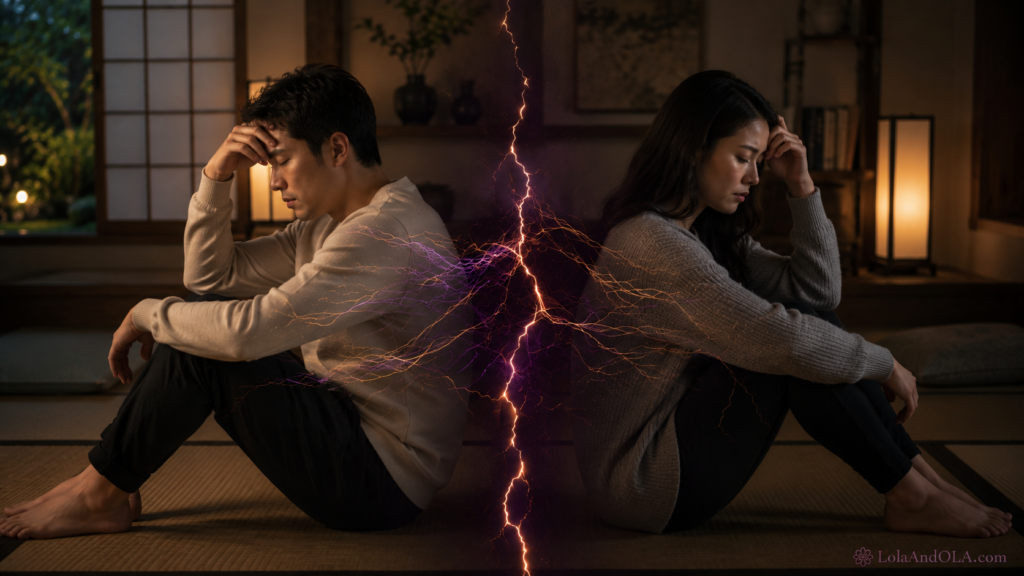
Broken Marriage?
Fix it
Here FREE

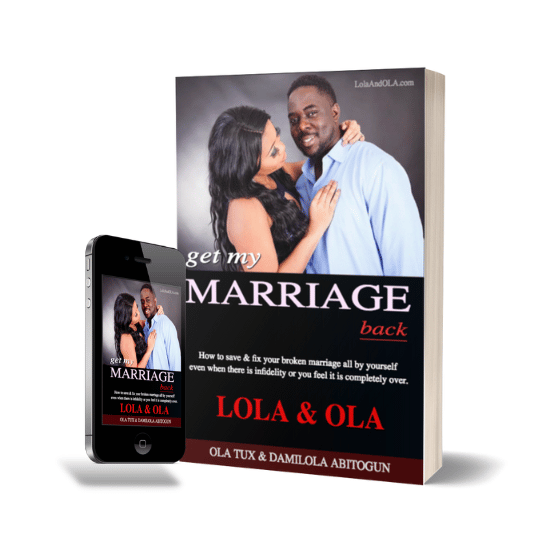
Get My Marriage Back


35 Habits That Destroy Marriages and Quietly Kill Attraction

Most marriages do not end because of one catastrophic event.

They die slowly.

Not from a single affair. Definitely not from one explosive argument. Not from one bad year.

Instead, they deteriorate through repeated daily habits that gradually destroy emotional safety, sexual attraction, trust, friendship, and respect.

This is why many couples wake up one day feeling like roommates instead of lovers.

The connection did not disappear overnight. It was eroded by hundreds of small moments where contempt replaced admiration, pride replaced partnership, and emotional neglect replaced intentional connection.

If you want to prevent a communication breakdown, avoid a sexless marriage, and maintain attraction over the long term, you must identify the habits that destroy marriages before they become your normal.

habits that destroy marriages

Why Attraction Dies Before Marriage Ends

Many people think marriage survives primarily on love.

In reality, long-term marriages survive on three critical pillars:

1. Friendship

A healthy marriage requires genuine companionship, teamwork, and emotional safety.

2. Intimacy

Sexual connection is not merely physical. It is a powerful barometer of emotional closeness, trust, and attraction.

3. Expectations & Pride Management

Most marital conflicts ultimately come back to two issues:

  • Mismanaged expectations
  • Mismanaged pride

When these are left unchecked, resentment begins accumulating underneath the surface.

Eventually, attraction follows resentment out the door.

The Hidden Truth About Marital Collapse

One of the biggest mistakes couples make is viewing their spouse as the villain.

In most cases, your partner is not evil.

They are simply operating from unconscious habits, emotional wounds, pride, fear, unmet needs, or poor relationship skills.

The goal is not blame.

The goal is awareness.

Because awareness creates leverage.

And leverage creates change.

The 35 Habits That Destroy Marriages

The 35 Habits That Destroy Marriages

Category 1: Verbal & Psychological Attacks

These habits poison emotional safety and create lasting emotional scars.

1. Blaming Your Spouse

Making your partner the cause of every problem instead of taking ownership of your role.

2. Shaming Your Spouse

Attacking who they are rather than addressing what they did.

3. Insulting Your Spouse

Name-calling and personal attacks destroy respect.

4. Judging Harshly

Viewing your partner through a constant lens of criticism.

5. Guilt-Tripping Your Spouse

Using emotional manipulation to gain compliance.

6. Using Sarcasm as Punishment

Disguising hostility as humor.

7. Talking Down to Them

Treating your spouse like a child rather than a respected partner.


Category 2: Pride, Defensiveness & Ego

Pride is one of the fastest ways to destroy attraction.

Nobody feels emotionally connected to someone who constantly needs to be right.

8. Always Needing to Win

Treating disagreements as competitions.

9. Ignoring Their Feelings

Dismissing emotional experiences because they seem irrational.

10. Assuming Bad Intentions

Believing your spouse is trying to hurt, disrespect, or inconvenience you.

11. Mismanaging Expectations

Expecting mind-reading instead of communicating clearly.

12. Letting Pride Lead

Prioritizing ego over connection.

13. Refusing to Apologize

Protecting your image rather than repairing the relationship.

14. Rejecting Feedback

Becoming defensive whenever concerns are raised.

15. Avoiding Ownership

Immediately pointing out your spouse’s faults whenever yours are mentioned.

Conflict Escalation Habits - habits that destroy marriages

Category 3: Conflict Escalation Habits

Conflict itself does not destroy marriages.

Poor conflict management does.

16. Avoiding Hard Conversations

Delaying necessary discussions until resentment builds.

17. Overreacting Emotionally

Allowing emotions to dictate behavior.

18. Escalating Conflict

Turning minor disagreements into major battles.

19. Creating Unnecessary Drama

Adding emotional chaos where none is required.

20. Holding Grudges

Keeping score instead of healing.

21. Refusing Forgiveness

Punishing your spouse indefinitely for past mistakes.

22. Communicating Destructively

Yelling, stonewalling, contempt, and emotional withdrawal.

Dealing With In-Law Issues Without Damaging Your Marriage


Category 4: Emotional & Sexual Neglect

Many marriages do not collapse because of conflict.

They collapse because of neglect.

Attraction requires ongoing investment.

23. Withholding Affection

Using emotional or physical distance as punishment.

24. Withholding Appreciation

Failing to acknowledge your spouse’s contributions.

25. Neglecting Intimacy

Allowing sexual connection to disappear without addressing it.

26. Neglecting Companionship

Stopping the friendship portion of marriage.

27. Neglecting Emotional Needs

Ignoring your spouse’s internal world.

28. Avoiding Vulnerability

Never allowing your spouse to truly know you.

habits that destroy marriages

Category 5: Trust & Partnership Erosion

Trust is built through consistency.

It is destroyed through repeated violations.

29. Controlling Your Spouse

Attempting to dominate their choices, relationships, or independence.

30. Disrespecting Boundaries

Ignoring clearly communicated limits.

31. Neglecting Responsibilities

Leaving your spouse carrying the relationship alone.

32. Taking Without Giving

Receiving support without reciprocating effort.

33. Breaking Commitments

Failing to follow through on promises.

34. Undermining Trust

Engaging in secrecy, deception, or hidden behaviors.

35. Prioritizing Ego

Protecting your pride instead of protecting the marriage. Check this video out.


Why These Habits Also Kill Attraction

Many people separate relationship health from attraction.

That is a mistake.

Attraction thrives when these emotional needs are consistently met:

  • Certainty
  • Variety
  • Significance
  • Connection
  • Growth
  • Contribution

When destructive habits dominate the relationship:

  • Certainty becomes anxiety.
  • Connection becomes distance.
  • Significance becomes criticism.
  • Growth becomes stagnation.
  • Contribution becomes resentment.

The result?

Less admiration.

And less desire.

Less respect.

Definitely… less intimacy.

Eventually, less attraction.

This is why attraction is not merely about appearance.

Attraction is heavily influenced by emotional intelligence, self-leadership, emotional safety, confidence, respect, and partnership.


How Emotionally Intelligent Couples Protect Their Marriage

Healthy couples intentionally practice the opposite habits.

They:

  • Take ownership quickly.
  • Apologize sincerely.
  • Communicate directly.
  • Manage expectations clearly.
  • Express appreciation regularly.
  • Prioritize friendship.
  • Protect intimacy.
  • Extend grace.
  • Give constructive feedback.
  • Repair conflicts quickly.
  • Choose partnership over pride.

Most importantly, they understand that attraction is maintained, not assumed.

They continue dating each other long after the wedding day.


Break the Cycle Before It Becomes Permanent

Recognizing the habits that destroy marriages is the first step.

Eliminating them is where transformation begins.

A healthy marriage is not built by avoiding divorce.

It is built by intentionally creating respect, attraction, emotional safety, companionship, intimacy, and trust every single day.

The couples who thrive are not the couples who never make mistakes.

They are the couples who consistently repair them.

Check this out: Behaviors That Cause Divorces: 10 Marriage Killers to Avoid

Frequently Asked Questions

What is the #1 thing that destroys marriages?

Contempt is the strongest predictor of divorce because it destroys respect, emotional safety, and attraction.

What are the four habits that destroy marriages?

Criticism, defensiveness, contempt, and stonewalling are the four habits most associated with marital breakdown.

What are the four behaviors that cause 90% of all divorces?

Criticism, defensiveness, contempt, and stonewalling are the four behaviors most strongly linked to divorce.

What are the 4 dark horsemen of marriage?

The four dark horsemen are criticism, defensiveness, contempt, and stonewalling.

Can a marriage survive years of destructive habits?

Yes, if both spouses consistently replace destructive patterns with accountability, respect, and healthy communication.

How do you break toxic habits in a marriage?

Break toxic habits by identifying the pattern, taking ownership, and repeatedly practicing a healthier response.

Hardest Stage of Marriage: Why Years 7โ€“10 Test Couples Most

hardest stage of marriage

Marriage rarely falls apart in a single dramatic moment.

More often, it erodes slowly through neglect, routine, resentment, and emotional distance.

While many people assume the first year of marriage is the most challenging or that empty-nest years create the greatest strain, research and real-world experience suggest something different.

hardest stage of marriage

For many couples, the hardest stage of marriage arrives between years seven and ten.

This period often coincides with raising young children, demanding careers, financial pressure, chronic stress, and a gradual loss of romantic connection.

If your marriage feels more like a business partnership than a passionate relationship, you’re not necessarily failing.

You may simply be navigating one of the most difficult times in a marriageโ€”the stage where commitment is tested, attraction must be rebuilt intentionally, and emotional intelligence becomes more important than chemistry.

What Is the Hardest Stage of Marriage?

The hardest stage of marriage typically occurs during the mid-marriage years, often between years seven and ten.

This is the stage where the excitement of novelty fades and reality takes over.

The relationship no longer runs on automatic attraction.

The habits, communication patterns, expectations, and emotional wounds that were easy to overlook during the honeymoon phase become impossible to ignore.

Many couples find themselves asking:

  • Why do we argue so much now?
  • Why has our sex life disappeared?
  • Why do I feel lonely even though I’m married?
  • Why do I feel more appreciated by coworkers than my spouse?

These questions often emerge during the same period because the marriage is no longer fueled by chemistry alone.

It now requires skill, intention, leadership, and emotional maturity.

The Psychology of the Hardest Stage of Marriage: Why This Happens

The psychology behind the hardest stage of marriage is surprisingly simple.

Early attraction creates emotional momentum. During the beginning stages of marriage, couples naturally prioritize one another.

They pursue each other, admire each other, and forgive flaws more easily.

Eventually, life introduces competing priorities:

  • Children
  • Careers
  • Financial obligations
  • Extended family responsibilities
  • Health challenges
  • Household management

As these responsibilities grow, many couples stop investing in the very behaviors that created attraction in the first place.

The relationship shifts from active romance to passive maintenance.

The danger isn’t conflict.

The danger is indifference.

Conflict means two people still care enough to engage.

Indifference signals emotional withdrawal.

hardest stage of marriage - is it the 7th year?

Why Is the 7th Year of Marriage the Hardest?

The phrase “seven-year itch” exists for a reason.

Around year seven, many couples experience a collision of expectations and reality.

By this point:

  • The novelty has worn off.
  • Parenting responsibilities are often intense.
  • Career pressures are increasing.
  • Personal sacrifices begin to feel unequal.
  • Emotional needs are often neglected.

The problem isn’t that attraction naturally disappears.

The problem is that attraction is no longer being cultivated.

Many people mistakenly assume attraction should happen automatically forever.

In reality, long-term attraction is a skill that must be maintained through intentional behaviors.

What About The Hardest Stage of Marriage When Kids Are Involved?

Children are a blessing, but they can also expose weaknesses in a relationship.

Parents often become exhausted logistics managers.

Their conversations revolve around:

  • School schedules
  • Appointments
  • Bills
  • Chores
  • Household responsibilities

Meanwhile, romance slowly disappears.

Many couples unknowingly stop seeing each other as lovers and begin seeing each other only as co-parents.

This shift creates one of the biggest attraction killers in marriage: familiarity without mystery.

Healthy marriages balance two competing emotional needs:

1. Certainty

People need safety, trust, reliability, and consistency.

2. Variety

People also need novelty, excitement, adventure, and growth.

When marriage provides only certainty but no variety, attraction begins to fade.

hardest stage of marriage - The real reason

The Real Reasons Marriages Collapse

Most marriages don’t collapse because one person suddenly became evil.

More often, marriages deteriorate because of two recurring problems:

1. Mismanaged Expectations

Unspoken expectations create hidden resentment.

Many spouses secretly expect:

  • More affection
  • And More appreciation
  • More help
  • Then More intimacy
  • More validation

When these expectations remain unspoken, disappointment grows.

2. Mismanaged Pride

Pride prevents repair.

Pride says:

  • “Why should I apologize first?”
  • They started it.”
  • “I’m not going to chase someone who ignores me.”

Unfortunately, pride turns temporary conflict into long-term distance.

The strongest marriages are not conflict-free.

They are repair-focused.

The Silent Attraction Killers in Marriage

Many couples focus on communication while ignoring attraction.

Yet attraction often dies long before communication completely breaks down.

Some common attraction killers include:

Neediness

Constant validation-seeking creates pressure rather than desire.

Emotional Reactivity

Being easily triggered destroys emotional safety.

Criticism and Condemnation

People rarely feel attracted to someone who constantly judges them.

Loss of Self-Respect

When individuals abandon their goals, growth, health, or purpose, attraction often declines.

Chronic Neglect

Small moments of neglect accumulate into large emotional debts.

hardest stage of marriage - rebuilding attraction

From Roommates Back to Lovers: Rebuilding Attraction

The solution is not simply “communicate more.”

Many couples communicate frequently while becoming less attracted to each other.

Instead, focus on rebuilding the foundations of attraction.

Strengthen Friendship

Friendship remains one of the strongest predictors of long-term marital success.

Ask yourself:

  • Do we still enjoy each other’s company?
  • Do we laugh together?
  • Do we know what excites each other today?

Strong marriages maintain friendship long after the honeymoon ends.

Prioritize Intimacy

Sex is not the entire relationship.

However, intimacy often acts as a barometer for the emotional health of the marriage.

Couples who continually deprioritize intimacy often find themselves drifting into emotional distance.

Manage Expectations Explicitly

Stop assuming your spouse can read your mind.

Healthy couples discuss:

  • Emotional needs
  • Sexual needs
  • Financial expectations
  • Family responsibilities
  • Future goals

Clarity reduces resentment.

Choose Curiosity Over Ego

Many arguments continue because both partners are trying to win.

Winning an argument while losing connection is a poor trade.

Curiosity creates understanding.

Understanding creates empathy.

Empathy creates reconnection.

How Emotional Intelligence Saves Marriages

Emotional intelligence becomes more valuable than romance during the hardest stage of marriage.

Emotionally intelligent spouses learn to:

  • Regulate emotional reactions
  • Avoid blame and shame
  • Listen without defensiveness
  • Understand emotional needs beneath complaints
  • Repair conflicts quickly

The couples who survive the hardest years aren’t necessarily more compatible.

They’re often more emotionally skilled.

The Surprising Truth About the Best Years of Marriage

Many couples report that their best years of marriage arrive after they successfully navigate the difficult middle years.

Why?

Because trust becomes deeper.

Respect becomes earned.

Love becomes intentional.

The relationship evolves beyond chemistry into partnership, friendship, intimacy, and mutual growth.

The couples who endure the valley often discover a richer form of connection on the other side.

The Hardest Stage of Marriage Is an Invitation to Grow

Every marriage eventually reaches a point where attraction no longer runs on autopilot.

This isn’t evidence that the relationship is broken.

It’s evidence that the relationship is entering a new phase.

The hardest stage of marriage forces couples to make a choice:

Will you continue operating as roommates and logistics managers?

Or will you intentionally rebuild attraction, friendship, intimacy, and emotional connection?

The couples who thrive understand that marriage is not sustained by feelings alone.

It is sustained by daily choices, emotional intelligence, mutual respect, and the willingness to keep choosing each other long after the butterflies disappear.

Frequently Asked Questions

What is the most difficult stage of marriage?

The most difficult stage of marriage is often between years seven and ten when stress, routine, parenting, and emotional neglect converge.

At what stage do most marriages fail?

Many marriages struggle or fail during the mid-marriage years when unresolved resentment, communication breakdowns, and declining intimacy accumulate.

How do you know when it’s time to divorce?

It may be time to consider divorce when repeated efforts to repair the relationship fail and there is ongoing abuse, chronic betrayal, or complete unwillingness from one or both partners to work on the marriage.

What is the hardest age for divorce?

Divorce is often emotionally and financially hardest during middle age when couples have children, shared assets, and deeply intertwined lives.

Is the first year of marriage the hardest?

The first year can be challenging due to adjustment and expectation management, but many couples find the mid-marriage years significantly more difficult.

Is the 10th year of marriage the hardest?

For many couples, the years surrounding the tenth anniversary are among the hardest because accumulated stress and emotional distance often peak during this period.

When to Walk Away From a Sexless Marriage?

A sexless marriage may warrant serious evaluation when intimacy has been absent for an extended period, repeated repair efforts have failed, and one or both partners are unwilling to address the underlying causes.

Behaviors That Cause Divorces: 10 Marriage Killers Most Couples Ignore

Most divorces do not happen because of one dramatic event.

They usually happen because of repeated behaviors that slowly damage trust, respect, friendship, attraction, and emotional connection.

behaviors that cause divorces

A marriage may survive one bad argument.

It may survive a hard season.

It may even survive a serious mistake if both people are willing to repair the damage.

But when small harmful habits keep happening over and over, the relationship begins to weaken.

A little sarcasm becomes normal.

A little blame becomes a pattern.

A little emotional distance becomes a lifestyle.

A little pride keeps two people from saying:

“I was wrong.”

“I miss you.”

“Let’s fix this.”

That is how many marriages begin to break down.

The good news is that many of the same behaviors that cause divorces can be replaced with better habits.

Couples can learn how to communicate with more care, repair conflict faster, rebuild attraction, and meet each other’s emotional needs with more skill.

If you want a marriage that feels safe, passionate, respectful, and alive, you must understand the main causes of divorce before they become too big to ignore.

understanding behaviors that cause divorces

Why Understanding Behaviors That Cause Divorces Matters

Many people think divorce starts with infidelity, money problems, addiction, or constant fighting.

Those issues are serious, but they are often the final result of deeper problems that were ignored for too long.

Before many affairs, there was emotional distance.

Before many money fights, there were hidden expectations.

Before many explosive arguments, there were years of resentment.

Before one person finally leaves, they may have spent a long time feeling unseen, unheard, undesired, or unimportant.

This is why it is not enough to ask, “What ended the marriage?”

A better question is:

“What slowly weakened the marriage?”

Most strong marriages are not strong because the couple never has problems.

They are strong because both people learn how to deal with problems without destroying the bond.

They know how to repair after conflict.

They know how to stay friends.

They know how to protect trust.

They know how to keep attraction alive instead of assuming love will carry everything by itself.

Marriage needs love.

But love alone is not enough.

A healthy marriage also needs respect, patience, self-control, honesty, friendship, affection, shared purpose, and emotional intelligence.

When these things are missing for too long, even two people who once loved each other deeply can begin to feel like strangers.

Most Divorces Begin Long Before the Divorce

When people talk about the top causes of divorce, they often mention lack of commitment, infidelity, money problems, poor communication, and constant conflict.

These are real problems.

But they usually do not appear out of nowhere.

Most divorces begin with slow emotional erosion.

One spouse stops feeling appreciated.

The other stops feeling respected.

One stops feeling desired.

The other stops feeling understood.

One person wants peace.

The other wants passion.

One wants support.

The other wants space.

Over time, both people may begin to protect themselves instead of protecting the marriage.

This is where pride and expectations become dangerous.

Pride says:

“I should not have to change.”

Expectations say:

“You should already know what I need.”

Pride refuses to apologize.

Expectations create disappointment when they are never spoken clearly.

Together, they turn normal marriage stress into emotional distance.

In many struggling marriages, the real enemy is not the husband or the wife.

The real enemy is the pattern the couple keeps repeating.

A healthy marriage requires both people to ask a brave question:

“What am I doing that is making this harder?”

That question is not about blame.

It is about power.

When you focus only on what your spouse is doing wrong, you feel stuck.

When you focus on what you can change, you get your power back.

top 10 behaviors that cause divorces

The Top 10 Behaviors That Cause Divorces

1. Contempt: The Most Dangerous Behavior in Marriage

Contempt is one of the most harmful behaviors that cause divorces because it attacks the dignity of the other person.

It is more than being upset.

It is more than disagreeing.

Contempt carries a message of disgust, superiority, or disrespect.

It can show up through eye-rolling, mocking, sarcasm, name-calling, belittling, or talking to your spouse like they are beneath you.

Sometimes contempt is loud.

Other times, it is quiet but still painful.

A cold look, a cruel joke, or a dismissive tone can say:

“I do not respect you anymore.”

Respect is one of the roots of attraction.

It is hard to desire someone you secretly look down on.

It is also hard to feel emotionally safe with someone who makes you feel small.

Once contempt becomes normal, the marriage becomes emotionally unsafe.

Both people may start defending themselves instead of opening up.

The home becomes a courtroom instead of a safe place.

The better path is to practice admiration on purpose.

This does not mean pretending problems do not exist.

It means refusing to reduce your spouse to their worst habit or weakest moment.

Instead of saying:

“You are useless.”

Say:

“I feel unsupported, and I need us to work on this.”

Instead of attacking their character, speak to the issue.

Respect does not mean avoiding hard truth.

It means telling the truth without trying to destroy the person.

2. Constant Criticism Instead of Constructive Feedback

Every marriage needs honest feedback.

No one can grow if nothing can ever be discussed.

The problem begins when feedback becomes constant criticism.

Criticism attacks identity.

It says:

“You are selfish.”

“You are lazy.”

“You never do anything right.”

“You are impossible to live with.”

Over time, the criticized partner stops hearing the issue and only hears rejection.

People do not usually become better when they feel attacked.

They become defensive, quiet, angry, or distant.

Even if the criticism has some truth in it, the delivery can make repair almost impossible.

Healthy communication focuses on behavior, not identity.

There is a big difference between:

“You never care about me.”

and

“I felt hurt when you did not check on me yesterday.”

One attacks the whole person.

The other explains the pain and opens the door for repair.

In strong marriages, correction is mixed with warmth.

A spouse should not only hear what they are doing wrong.

They should also hear what they are doing right.

If every conversation feels like a performance review, attraction will suffer.

Nobody wants to feel like they are married to a judge.

3. Defensiveness and Refusing Accountability

Defensiveness is one of the most common reasons for divorce because it blocks growth.

When a person becomes defensive, they are no longer listening to understand.

They are listening to escape blame.

Defensiveness sounds like:

“Well, you do it too.”

“It is not my fault.”

“You are too sensitive.”

“I would not act this way if you did not make me.”

Sometimes it even sounds logical.

But the deeper message is:

“I do not want to take responsibility.”

A marriage cannot heal if both people are always defending themselves.

Someone has to become mature enough to pause, listen, and own their part.

This does not mean taking blame for everything.

It means having the strength to say:

“I can see how that hurt you.”

or

“I could have handled that better.”

Those words can soften conflict quickly because they show humility.

Many couples stay stuck because both people are waiting for the other person to go first.

But leadership in marriage often begins when one person decides to rise above pride and create a better pattern.

The person who takes ownership is not weak.

They are often the strongest person in the room.

4. Stonewalling and Emotional Withdrawal

Stonewalling happens when one spouse shuts down, avoids the conversation, gives the silent treatment, or refuses to engage emotionally.

Sometimes it happens because the person feels overwhelmed.

Other times, it becomes a way to punish or control.

Either way, emotional withdrawal can be deeply painful.

A marriage cannot stay close when important conversations are constantly avoided.

Over time, the other spouse may stop trying.

They may decide it is safer to be quiet than to keep reaching for someone who will not respond.

This is how loneliness can grow inside a marriage.

The couple may still live in the same home.

They may still handle bills, children, chores, and family events.

But emotionally, they begin living separate lives.

The healthier approach is not to force a conversation when emotions are too high.

Sometimes a break is wise.

But the key is to return.

Saying:

“I need 30 minutes to calm down, but I will come back so we can talk.”

is very different from disappearing emotionally.

Emotional availability builds trust.

When your spouse knows you will not abandon the conversation forever, it becomes easier to feel safe, even during conflict.

taken for granted - behaviors that cause divorces

5. Taking Your Spouse for Granted

One of the most overlooked behaviors that cause divorces is neglect.

Not dramatic betrayal.

Not explosive fighting.

Just the slow habit of assuming your spouse will always be there, no matter how little attention, affection, or appreciation they receive.

In the beginning of most relationships, people notice the little things.

They say thank you.

They compliment each other.

They make an effort.

They listen more closely.

They want to impress each other.

But over time, many couples stop doing the things that helped create the relationship.

A husband who once thanked his wife for her support may begin to treat it as expected.

A wife who once admired her husband’s effort may begin to focus only on what he is not doing.

Neither person may mean harm.

But both slowly stop feeding the bond.

People want to feel important.

They want to feel chosen.

They want to feel like their effort matters.

When appreciation disappears, resentment often grows.

The solution is simple.

But it requires consistency.

Notice what your spouse does right.

Say thank you.

Give sincere compliments.

Show affection without being asked.

Do not wait until your spouse feels invisible before reminding them they matter.

Check this out: When Can You Tell a Marriage Is Over? [5 Signs]

Frequently Asked Questions

What are the behaviors that cause divorce?

The most common behaviors that cause divorce are contempt, criticism, defensiveness, emotional withdrawal, dishonesty, neglect, blame, unresolved conflict, and loss of attraction.

What are the top causes of divorce?

The top causes of divorce are lack of commitment, infidelity, constant conflict, poor communication, emotional disconnection, unmet expectations, and financial stress.

What is the #1 thing that destroys marriages?

The #1 thing that destroys marriages is ongoing disrespect because it weakens trust, safety, attraction, friendship, and emotional connection.

What are the marriage killers?

Marriage killers include contempt, criticism, blame, sarcasm, defensiveness, pride, dishonesty, emotional neglect, lack of intimacy, and unresolved resentment.

What are the signs of a toxic relationship?

Signs of a toxic relationship include constant disrespect, manipulation, control, emotional abuse, gaslighting, fear, blame, dishonesty, and a lack of emotional safety.

At what point is a marriage not salvageable?

A marriage becomes difficult to salvage when one or both partners refuse accountability, repair, honesty, safety, change, or any real investment in rebuilding the relationship.

What is the misery stage of marriage?

The misery stage of marriage is a painful season where resentment, emotional distance, disappointment, and hopelessness feel stronger than love, friendship, affection, and connection.

When Can You Tell a Marriage Is Over? 5 Painful Signs You Should Never Ignore

when can you tell a marriage is over

There are few questions more heartbreaking than this:

When can you tell a marriage is over?

Ironically, most people don’t realize their marriage is over until it’s been emotionally dead for monthsโ€”or even years.

That’s what makes this question so difficult.

Marriage rarely ends the day divorce papers are filed.

when can you tell a marriage is over

It usually ends long before then, in the countless moments of emotional distance, unspoken resentment, silent suffering, and lost attraction.

Yet many couples continue living together, hoping tomorrow will somehow be different.

Maybe the criticism will stop.

Maybe the arguing will disappear.

And maybe they’ll wake up and find the person they once fell deeply in love with again.

Hope keeps many marriages alive long after the relationship itself has stopped breathing.

But hope alone isn’t enough.

The real question isn’t simply when can you tell a marriage is over?

It’s whether the relationship underneath the marriage still has life left in it.

Why It’s So Hard to Know When a Marriage Is Over

If you’re asking this question, chances are you’re emotionally exhausted.

You’re probably not asking because you’ve already decided to leave.

You’re asking because part of you still hopes there’s something worth saving.

That uncertainty is normal.

People inside a struggling marriage rarely see things as clearly as those watching from the outside.

When children are involved…

When finances are intertwined…

When family expectations weigh heavily…

When yearsโ€”or decadesโ€”have been invested…

Walking away isn’t just emotional.

It’s complicated.

Many people stay because leaving feels impossible.

Others stay because they’re desperately waiting for one sign that says things can still be fixed.

The truth is this:

Most marriages don’t collapse overnight. They slowly disconnect.

when can you tell a marriage is over - criticism

Sign #1. Constant Criticism Replaces Appreciation

One of the strongest predictors that a marriage is in serious trouble is constant criticism.

Every conversation feels like an attack.

Nothing you do seems good enough.

Instead of discussing behaviors, your partner attacks your character.

Healthy couples correct each other.

Unhealthy couples condemn each other.

If all you remember from the past several months is criticism, your relationship is waving a red flag.

Sign #2. Every Conversation Becomes Defensive

Another answer to when can you tell a marriage is over is when simple conversations immediately become battles.

One person raises a concern.

The other instantly defends themselves.

Nobody listens.

Nobody feels heard.

Nobody accepts responsibility.

Every discussion becomes about winning instead of understanding.

Defensiveness slowly destroys emotional safetyโ€”the very foundation of intimacy.

Without emotional safety, attraction begins to disappear.

when can you tell a marriage is over - stonewalling

Sign #3. Stonewalling Becomes the New Normal

Sometimes the loudest message is silence.

Stonewalling happens when one partner emotionally shuts down.

They stop responding.

They withdraw.

They give the silent treatment.

They refuse to engage.

When this becomes a consistent pattern over weeks or months, emotional intimacy begins to collapse.

Conflict may seem exhausting.

But emotional absence is even more dangerous.

You can’t repair a relationship with someone who refuses to participate.

Sign #4. Contempt Makes You Feel Like You’re Married to an Enemy

Perhaps the most destructive sign is contempt.

Contempt goes beyond frustration.

It’s disgust.

Sarcasm.

Eye rolling.

Mockery.

Belittling.

Feeling superior.

Instead of seeing your spouse as your teammate, you begin seeing them as your opponent.

When contempt takes root, couples often describe feeling like they’re living with an enemy instead of a life partner.

At this stage, attraction doesn’t simply fade.

It reverses.

The very person you once longed for becomes someone you emotionally avoid.

Sign #5. Physical Intimacy Has Completely Disappeared

Sex isn’t the only measure of a healthy marriage.

But prolonged absence of physical intimacy often reflects deeper emotional disconnection.

If months have passed without affection, desire, or intimate connectionโ€”and neither partner seems interested in changing itโ€”that isn’t merely a bedroom problem.

It’s usually a relationship problem.

Physical intimacy is often the symptom.

Emotional distance is usually the cause.

when can you tell a marriage is over - when divorce happens

The Marriage May Be Over Long Before Divorce Happens

Many people believe divorce ends a marriage.

In reality, divorce often confirms what happened emotionally years earlier.

Research consistently shows that many couples remain legally married long after they have emotionally checked out.

Some people live this way for years.

Others spend an entire decade sharing a home without sharing a relationship.

By the time someone finally files for divorce, the emotional separation often happened long before.

That’s why asking when can you tell a marriage is over isn’t really about legal paperwork.

It’s about emotional reality.

But Here’s the Good News: Not Every Marriage That Feels Over Actually Is

This is where many people lose hope too soon.

Every one of these warning signs can improve if both partners are genuinely willing to rebuild the relationship. But let’s be clear, one person needs to lead in creating that cycle.

The key isn’t pretending everything is okay.

The key is honestly acknowledging where you are.

You cannot repair what you refuse to recognize.

Once one spouse stop blaming and start becoming curious about the other’s pain, healing becomes possible because a new cycle is created when you interrupt the old cycle.

Attraction Dies Long Before Love Does

One of the biggest mistakes couples make is focusing only on saving the marriage.

Instead, focus on rebuilding the relationship.

Marriage is simply the legal structure.

The relationship is what keeps people choosing each other.

Ask yourself:

  • Do we still make each other feel emotionally safe?
  • Do we enjoy each other’s company?
  • Do we admire one another?
  • Do we still flirt?
  • Do we create moments of laughter and playfulness?
  • Do we make each other feel desired?

Attraction isn’t maintained by wedding vows.

It’s maintained through consistent emotional experiences.

The most emotionally intelligent couples understand this.

They don’t wait until love disappears.

They continually create reasons to fall in love again.

Building Attraction Instead of Waiting for It

If you’re hoping your marriage can recover, begin here:

Stop Trying to Win Every Argument

Winning arguments often means losing connection.

Seek understanding before being understood.

Become Emotionally Curious

Instead of asking,

“Why are they acting like this?”

Ask,

“What pain might they be carrying that I haven’t fully understood?”

Curiosity softens defensiveness.

Bring Back Playfulness

Attraction grows where there is novelty, laughter, and emotional safety.

Small moments matter.

A smile.

A lingering hug.

A playful compliment.

A meaningful date.

These aren’t trivial.

They’re relationship investments.

Become Someone Your Spouse Wants to Rediscover

Long-term attraction isn’t about perfection.

It’s about growth.

Keep evolving.

Keep learning.

Keep becoming more emotionally confident.

The most attractive people never stop becoming interesting.

Final Thoughts

So, when can you tell a marriage is over?

Sometimes it’s when criticism replaces kindness.

Sometimes it’s when silence replaces conversation.

Sometimes it’s when contempt replaces respect.

Sometimes it’s when intimacy disappears entirely.

But even then, those signs don’t automatically mean the relationship cannot recover.

What truly determines the future isn’t how damaged the marriage feels today.

It’s whether at least one person is still willing to rebuild trust, emotional safety, attraction, and connection.

Because marriages don’t survive simply because two people stay married.

They survive because two people continue choosing each other.

Check this out: 3 Signs Your Spouse Lost Respect for You | Save Your Marriage


Frequently Asked Questions

What are the 4 signs of marriage failure?

The four classic signs of marriage failure are persistent criticism, defensiveness, stonewalling, and contempt, all of which gradually erode trust, intimacy, and emotional connection.

What age is worst for divorce?

While divorce can happen at any age, research suggests couples in their late 20s to early 40s often experience the highest divorce rates due to life transitions, financial pressures, and parenting challenges.

What is the #1 thing that destroys marriages?

Contempt is widely considered the number one predictor of marriage failure because it replaces love and respect with resentment, ridicule, and emotional disconnection. We believe that’s closely associated with pride.

What is the biggest mistake during a divorce?

One of the biggest mistakes during a divorce is making decisions based on anger or revenge instead of focusing on long-term emotional, financial, and family well-being.

When can you tell a marriage is over?

A marriage may be over when criticism, defensiveness, stonewalling, contempt, and prolonged emotional or physical disconnection become the normal pattern. However, these signs don’t always mean the relationship cannot be repaired if both partners are willing to work together.

Can a marriage recover after emotional distance?

Yes. Emotional distance can often be reversed through honest communication, rebuilding trust, emotional intelligence, and a mutual commitment to reconnecting.

Is lack of intimacy a sign a marriage is over?

Not necessarily. While prolonged lack of intimacy can indicate deeper relationship problems, many couples restore intimacy by addressing the emotional issues causing the disconnect.

Should you stay in a marriage that feels over?

Every situation is unique. If you are willing to acknowledge the problems and actively work toward healing, many marriages can improve. If there is abuse or an unwillingness to change, professional guidance is strongly recommended.

“My Husband Doesnโ€™t Care About My Feelings”: How To Rebuild Attraction, Respect, and Emotional Connection

There is a very specific kind of pain that comes from feeling emotionally invisible in your own marriage.

You are not asking for the moon.

You are not asking him to become perfect overnight.

You simply want your husband to care when you are hurt, listen when you are upset, and respond with basic empathy instead of defensiveness, silence, or dismissal.

So when you find yourself feeling that your husband doesnโ€™t care about your feelings, what you are really saying is, โ€œI feel alone inside this marriage.โ€

my husband doesn't care about my feelings

That is a difficult place to be.

Maybe this has been going on for months. Maybe it has been years.

Maybe you have cried, explained, begged, shut down, tried again, and still ended up feeling like your words hit a wall. Maybe you have searched just to find language for what your heart has been trying to say.

But before you conclude that your marriage is over, letโ€™s slow down.

Emotional disconnection is serious, but it is not always final.

Many marriages go through seasons where one partner feels unseen, unheard, and unvalued.

The real question is not just, โ€œDoes he care?โ€

The better question is, โ€œWhat pattern created this emotional distance, and what kind of leadership, self-awareness, attraction, boundaries, and emotional intelligence will shift it?โ€

When Your Husband Doesnโ€™t Care When Youโ€™re Upset

If your husband doesnโ€™t care when youโ€™re upset, or if your husband doesnโ€™t care when you cry, it can feel like emotional abandonment.

But here is where you have to be both honest and powerful.

Your feelings are valid, but they are also information.

They are not always the full reality, but they are always worth investigating.

When you start thinking that your husband doesnโ€™t care about your feelings, you are describing your emotional experience.

That experience matters.

But to fix the marriage, you must move beyond the pain and begin identifying the pattern.

Ask yourself:

When did I first start feeling this way?

Was there betrayal, neglect, resentment, stress, or disappointment?

Have I been expressing my hurt in a way that invites connection, or in a way that creates more defense?

Has he always been emotionally unavailable, or did something change?

Is he indifferent, overwhelmed, resentful, ashamed, checked out, or simply unskilled emotionally?

This is not about blaming yourself. It is about reclaiming power.

my husband doesn't care about my feelings - these are the signs

3 Signs Your Husband Doesnโ€™t Value You

There are real signs your husband doesnโ€™t value you, and they should not be ignored.

He may constantly dismiss your emotions. He may make you feel dramatic, needy, or too sensitive. He may avoid serious conversations, refuse accountability, ignore your tears, withhold affection, or treat your pain like an inconvenience.

But value in marriage is not only proven by words.

It is proven by patterns.

A husband who values you may not always understand your feelings perfectly, but he will care enough to try.

He will be willing to listen, repair, adjust, and protect the emotional safety of the relationship.

If there is no effort, no curiosity, no softness, and no accountability, the issue is no longer just communication.

It is a breakdown.

my husband doesn't care about my feelings - emotional indifference

Why Emotional Indifference Happens In Marriage

Most husbands do not wake up one day and decide, โ€œI donโ€™t care about my wife anymore.โ€

That can happen, but it is not always the first explanation.

Sometimes emotional indifference is caused by stress, resentment, emotional immaturity, burnout, pride, sexual disconnection, fear of failure, or years of unresolved conflict.

In some cases, he may feel the same way you do.

He may feel criticized, rejected, disrespected, or unable to win.

If every emotional conversation turns into blame, guilt, sarcasm, judgment, or condemnation, both partners eventually stop feeling safe.

That is why your approach matters.

The goal is not to shame him into caring.

Shame kills attraction.

Insults kill respect.

Blame kills emotional safety.

Condescension kills desire.

If you want to rebuild connection, you need a more skillful strategy.

The Attraction Problem Behind Emotional Distance

Many women focus only on emotional support, but marriage is not just an emotional contract.

It is also a romantic, sexual, social, spiritual, and psychological bond.

When attraction dies, empathy often becomes harder to access.

That does not excuse cruelty or neglect.

But it does explain why begging, crying, complaining, and over-explaining often fail.

Those behaviors may express pain, but they do not always create attraction, respect, or desire to re-engage.

This is where emotional intelligence becomes seductive.

Seduction in marriage is not manipulation.

It is the art of creating emotional movement.

It is the ability to become grounded, clear, warm, feminine, powerful, and self-led enough that your presence invites pursuit instead of pressure.

Neediness suffocates.

Reactivity drains.

Moral policing creates resistance.

But grounded self-respect creates curiosity.

Rebuilding From Power, Not Victimhood

Inside Get My Marriage Back, we approach marriage from self-leadership, attraction, emotional intelligence, and personal power.

That means we empathize with your pain, but we do not leave you trapped inside victimhood.

You cannot control your husbandโ€™s emotions.

You cannot force him to care.

You cannot argue him into softness.

But you can change the emotional climate.

You can change your posture. You can change your standards. You can change your strategy.

That is power.

As you may or may not know, humans need certainty, variety, significance, connection, growth, and contribution.

When a husband becomes emotionally unavailable, one or more of these needs may be broken.

Maybe there is no certainty because the marriage feels unstable. Maybe there is no variety because the relationship has become boring and predictable. Maybe he no longer feels significant. Maybe you no longer feel connected. Maybe both of you stopped growing. Maybe the relationship stopped feeling like a place where either person contributes joy, peace, sex, support, or inspiration.

If your marriage only produces pressure, criticism, bills, chores, and emotional heaviness, attraction will suffer.

my husband doesn't care about my feelings - here is how to rebuild

Work on these 4 Areas: Friendship, Sex, Expectations, and Pride

To rebuild connection, focus on these…

1. Friendship

Before he is your husband, he is still a human being.

Do you still laugh together? Do you still enjoy each other? Do you still speak with warmth? Or has every interaction become correction, pressure, or complaint?

Friendship softens the heart.

2. Sex

A sexless or sexually disconnected marriage often creates more emotional distance.

Check this out: When to walk away from a sexless marriage

Sex is not just physical.

It is bonding, polarity, play, reassurance, and desire.

If sex has become a weapon, obligation, memory, or silent issue, the marriage needs repair at a deeper level.

3. Expectations

Mismanaged expectations destroy marriages slowly.

Sometimes the pain is not only what he did.

It is what you expected him to know, understand, or provide without clear and effective communication skills.

Unspoken expectations often become silent resentment.

4. Pride and Ego

Pride is one of the biggest reasons marriages collapse. Pride says, โ€œI should not have to say it again.โ€ Pride says, โ€œHe should already know.โ€ Pride says, โ€œI will not soften until he does.โ€

But marriage often requires someone to lead first.

Not from weakness, but from wisdom.

What To Stop Doing Immediately

If you feel like your husband doesnโ€™t care about your feelings, avoid behaviors that poison attraction and emotional safety.

Stop shaming. Stop insulting. Stop blaming. Stop judging. Stop condemning. Stop using guilt as a weapon. Stop relying only on cold logic. Stop sarcasm. Stop condescension. Stop obsessing over who is right and wrong.

You may be right and still lose connection.

That is the hard truth.

The goal is not to win the argument. The goal is to rebuild the emotional bridge.

What To Do Instead

Start with emotional inventory.

Say to yourself, โ€œWhat exactly am I feeling?โ€

Not just โ€œhe doesnโ€™t care.โ€ Be specific.

Do you feel lonely? Rejected? Unprotected? Unchosen? Unimportant? Disrespected? Unseen?

Then trace the pattern backward.

When did it begin? What changed? What have you tried? What made it worse? What made it better?

After that, speak from grounded power.

Instead of saying, โ€œYou never care about my feelings,โ€ try:

โ€œI want to understand what happened to us. Lately, I feel emotionally alone in this marriage, and I want to take that seriously.โ€

That lands differently.

It is direct, but not destructive.

Use Boundaries, Not Begging

Begging for empathy rarely creates respect.

A boundary sounds different.

โ€œI am willing to work on this marriage, but I am not willing to keep having conversations where my feelings are mocked, dismissed, or ignored.โ€

That is not a threat. That is clarity.

Healthy boundaries are not punishment. They are protection.

When To Be Concerned The Marriage Is Ending

There are signs a marriage is ending, and you should take them seriously.

A marriage may be in danger when there is ongoing contempt, emotional indifference, refusal to repair, no affection, no sexual connection, repeated betrayal, avoidance of responsibility, or total unwillingness to seek help.

Other signs of marriage failure include chronic resentment, living like roommates, constant defensiveness, emotional or physical withdrawal, and feeling more peaceful when your spouse is not around.

Still, even these signs do not always mean the marriage is over.

They mean the marriage needs urgent intervention.

Emotional Burnout vs. A Dead Marriage

Sometimes a husband is not heartless.

He is emotionally burned out.

Emotional burnout can come from work stress, financial pressure, parenting, health issues, depression, unresolved conflict, or feeling like he constantly fails at home.

A dead marriage, however, is different.

A dying marriage is marked by permanent indifference, zero accountability, no desire to repair, and no meaningful response to boundaries or consequences.

The distinction matters because burnout requires care and restructuring.

Indifference requires boundaries and serious decisions.

How To Deal With An Emotionally Unsupportive Husband

Do not make your husband your only emotional support system.

That is too much pressure for one person, especially if he is already emotionally limited.

Build support.

Get help.

Talk to wise counsel.

Strengthen your spiritual life.

Reconnect with your body, your purpose, your confidence, and your standards.

Your goal is not to become cold.

Your goal is to become centered.

A centered woman is harder to dismiss because she is no longer begging to be chosen.

She is choosing how she shows up.

The Seductive Power Of Self-Leadership

Attraction grows when you stop collapsing into desperation and start moving with grounded confidence.

That means you pray over what you cannot control and take action on what you can control.

Become the woman who can say: โ€œI love this marriage, but I will not abandon myself to keep it.โ€

That energy is powerful.

He May Not Change Until The Pattern Changes

People change when they are moving toward pleasure or away from pain.

If the current marriage dynamic allows him to stay emotionally lazy with no consequence, he may not change.

But if your energy shifts, your standards rise, your communication improves, your boundaries become clear, and your emotional leadership becomes steady, the pattern has to respond.

He may rise.

He may resist.

He may reveal that he is unwilling.

Either way, you will have more truth than you had before.

And a grounded truth is where power begins.

Your husband may not currently be connected to your feelings the way you need him to be.

But do not confuse his current disconnection with your permanent destiny.

This can be repaired if both people are willing.

But it starts with you becoming grounded, emotionally intelligent, attractive in your self-respect, and powerful enough to lead without begging.

Check this out: My Husband Repulses Me Sexually

Frequently Asked Questions (FAQ)

How do you deal with a husband who doesn’t care about your feelings?

You deal with him by clearly naming your feelings, setting boundaries against dismissal, rebuilding your own emotional support system, and inviting repair without begging.

What are the first signs a marriage is ending?

The first signs a marriage is ending often include emotional indifference, contempt, avoidance, lack of affection, no accountability, and a growing sense of peace when you are apart.

How to deal with an emotionally unsupportive husband?

Deal with an emotionally unsupportive husband by strengthening your self-leadership, communicating clearly, refusing toxic cycles, and seeking wise support or coaching.

What are the signs of marriage failure?

Signs of marriage failure include chronic resentment, emotional withdrawal, sexlessness, contempt, repeated betrayal, and refusal to repair the relationship.

What are the signs your partner is emotionally unavailable?

Signs your partner is emotionally unavailable include defensiveness, avoidance, lack of empathy, emotional shutdown, discomfort with vulnerability, and inconsistent affection.

Why does my husband get angry when I tell him he hurt my feelings?

He likely becomes defensive or angry because your pain triggers feelings of inadequacy or guilt that he does not have the emotional maturity to process constructively.

Can a marriage survive when one partner stops caring?

A marriage can only survive if the indifferent partner experiences a fundamental shift in perspective and actively chooses to re-engage in rebuilding mutual respect.

How do you tell the difference between emotional burnout and a dead marriage?

Emotional burnout is temporary exhaustion that improves with space and targeted lifestyle changes, whereas a dying marriage is defined by a permanent, ongoing pattern of total indifference and zero accountability.


Broken Marriage?
Fix it
Here FREE

Get My Marriage Back