What Would Help You Most Right Now?

Choose the option that best matches where you are with your marriage.

I Need Personalized Help

My Marriage Is in Serious Trouble

If you're dealing with separation, divorce, loss of attraction, infidelity, intimacy problems, or a spouse who's pulling away, get help looking at what's happening in your specific situation.

Get Personalized Help โ†’
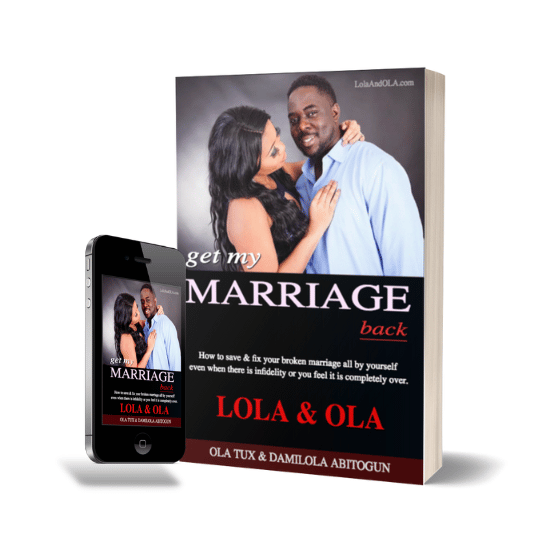
Get My Marriage Back book cover
I'd Rather Learn What to Do First

Start With Get My Marriage Back

Get the book and start learning the principles for moving your marriage in a better direction.

Get the Free Book โ†’

I Feel Disgusted When My Husband Touches Me

Understanding the Shift: When Your Husbandโ€™s Touch Triggers Disgust

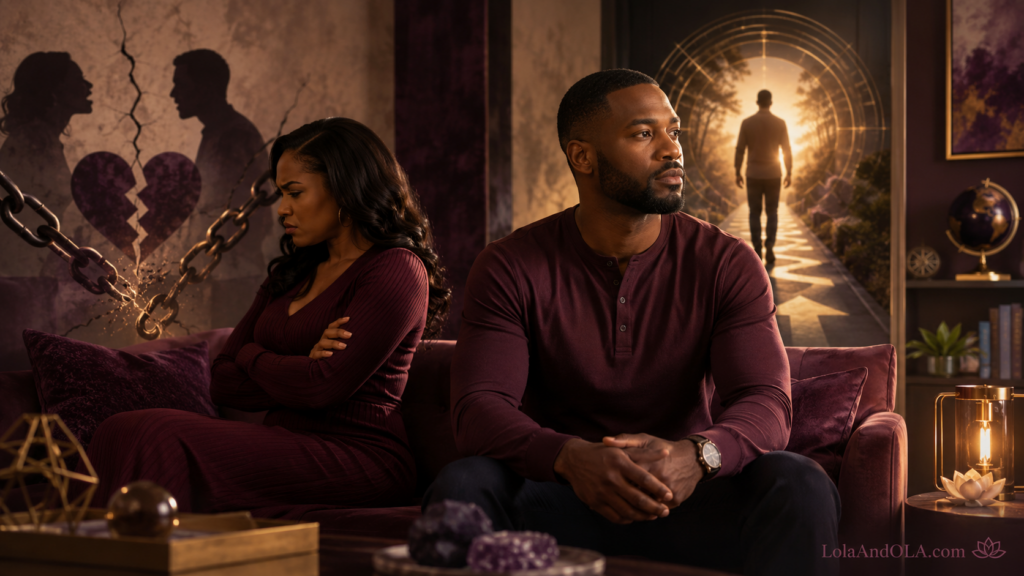
It is one of the most isolating, heavy, and deeply unsettling feelings a woman can experience in a marriage. You love him, or at least you remember loving him, but now, when he reaches out to touch your arm, leans in for a kiss, or initiates intimacy, your entire body tenses up.

First, letโ€™s strip away the layers of judgment. What you are feeling is a real biological and emotional response. Your body is screaming a truth that your conscious mind might still be trying to minimize, rationalize, or hide from.

But we arenโ€™t here to coddle you in a state of helpless victimhood. At our core, we believe in Self-Awareness, Power, and Leadership. We approach relationship navigation from a standpoint of deep empathy, but also fierce empowerment. That means looking at the brutal truth in the short term so you can reclaim your sovereignty, your desire, and your peace in the long term.

Let’s dissect exactly what this visceral repulsion means, how you got here, and the radical self-leadership required to fix itโ€”or face it.

The Language of Repulsion: What Are You Really Saying?

If you were to sit across from your husband right now, look him in the eyes, and communicate what is happening inside you, what words exactly would you use?

Would you be honest enough to tell him, “You disgust me” or “My husband repulses me”?

For the vast majority of women, the answer is an absolute, terrifying no. But why? Why do women mask this feeling behind excuses like “Iโ€™m just tired,” “I have a headache,” or “Iโ€™m stressed about work”?

The Reasons We Hide the Truth

  • Fear of the Fallout: Saying “I feel disgusted when my husband touches me” or “I hate it when my husband touches me” feels like dropping a nuclear bomb on the relationship. You fear his anger, his tears, his neediness or immediate abandonment.
  • The Guilt Complex: You believe a “good wife” shouldn’t feel this way. You internalize the shame, assuming you are broken, cold, or experiencing a random medical loss of libido.
  • Avoiding Direct Conflict: It is easier to mismanage expectations and deploy tactical avoidance than to face the raw ego-shattering reality of sexual deadness.

The True Intent Behind the Statement

When a woman realizes, “Why do I hate my husband touching me?” she isnโ€™t just making an observation about skin-on-skin contact. What she really wants with that statement is one of two things:

  1. A Wake-Up Call / An Emergency Brake: She wants the current dynamic of the marriage to stop immediately because it is draining her soul.
  2. Absolution and Escape: She wants validation that the romantic spark is entirely dead so she can emotionally checkout without feeling like the “bad guy.”

How the Poison Accumulates: Short-Term vs. Long-Term Collapse

A physical aversion to a partner rarely happens overnight. It is a slow, compounding toxic drip. While outright evil behavior is the rare exception in marriages, the slow rot of attraction is the norm.

Marriages collapse primarily due to two things: Mismanaged Pride and Unmet or Mismanaged Expectations. When these two elements clash, your nervous system begins to view your partner not as a safe haven, but as a psychological threat.

The Short-Term Timeline: Sudden Triggers

In the short term, disgust can be triggered by a specific, sharp fracture in the relationship’s foundation:

  • The Unresolved Micro-Betrayal: An argument where he weaponized your vulnerabilities, left you unprotected in front of family, or dismissed your tears.
  • The Physical Shift: A sudden, steep decline in his personal hygiene, grooming, or presentation that signals a total abandonment of self-pride.
  • The “Transactional” Attempt: He spends weeks ignoring you, helps with the dishes once, and immediately expects sexual access. Your body recoils because it feels like a transaction, not intimacy.

The Long-Term Timeline: The Erosion of Polarity

Over years, the erosion builds an architectural wall of repulsion. It follows a predictable trajectory of emotional decay:

[Unmet Expectations] โ”€โ”€> [Resentment] โ”€โ”€> [Loss of Respect] โ”€โ”€> [Loss of Attraction] โ”€โ”€> [Visceral Disgust]

When you look back, ask yourself: When was the first time you felt this way? What was the event that triggered it? And conversely, When was the last time?

Often, you will find that the physical aversion locked into place the moment you entirely lost respect for him as a partner, a leader, or an equal.

The Matrix of Triggers: What He Does vs. What You Feel He Does

To regain your power, you must possess the emotional intelligence to separate objective reality from subjective narrative. There is a profound difference between what a man actually does and how your accumulated resentment filters his actions.

Let’s break down this matrix across your core leverage focuses: Friendship, Sex, Expectations, and Pride/Ego.

The CategoryThe Objective Reality (What He Does/Fails to Do)The Filter of Resentment (What You Feel He Does)
The TriggerWhat he always does: He acts entitled to your body, using sloppy, low-effort physical advances without emotional buildup.

What he never does: He never courts you, dates you, or holds a deep conversation without angling for sex.
You feel he always views you as an object or a utility, entirely erasing your humanity.

You feel he never truly sees you, cherishes you, or values your inner world.
The Turn-OffWhat he always does: He exhibits the behaviors of an Anti-Seducerโ€”acting like a Brute (zero patience), a Suffocator (clingy, fragile neediness), or a Reactor (highly volatile and easily triggered).

What he never does: He never takes charge, never exudes quiet confidence, and never protects your emotional peace.
You feel he always acts like an additional child you have to manage rather than a man you can rely on.

You feel he never provides a safe space where you can step out of your masculine management role and drop into your feminine energy.

When a man constantly displays these anti-seducer qualities, attraction dies. Respect, trust, and submission are earned over the mid-to-long term; they cannot be demanded. When he fails to earn them, your body protects itself via physical irritation and cringing.

The Illusion of the “Other Man” and the Myth of Vetting

When facing a sexless, repulsive marriage, many women naturally look out the window. You might ask yourself: “Have I already met a man who can fulfill these needs?”

If you have, and you havenโ€™t left, why? Be brutally honest with yourself. Is it fear of financial instability? Fear of social judgment? Or is it because, deep down, you know something that psychological science and relationship leadership prove to be true?

The 5% Vetting Reality: Vetting a partner before marriage only accounts for about 5% of the long-term success of a relationship. The remaining 95% is entirely determined by how two people navigate the inevitable crisis patterns, manage their pride, and maintain emotional agility over decades.

If you believe a perfect man exists out there who will seamlessly fulfill your 6 Basic Human Emotional Needs (Certainty, Variety, Significance, Connection, Growth, and Contribution) without ever triggering you, you are chasing a ghost.

If you jump ship without changing your internal programming, the exact same problem of disgust, irritation, and coldness will follow you into your next relationship. Why? Because you haven’t addressed the operational system inside you that handles conflict, expectations, and the Art of Seduction.

The Hard Truth: The Educational Deficit in Modern Marriage

Letโ€™s deploy some tough love. You are highly frustrated that your husband doesnโ€™t know how to turn you on, how to behave, or how to make you feel safe.

But ask yourself these two baseline questions:

  1. How many hours of “communication in marriage” training have you taken?
  2. How many hours of “seduction in marriage” training have you taken?

Most couples spend tens of thousands of dollars on a single wedding day, but invest zero dollars and zero hours learning the actual mechanics of long-term human attraction, sexual polarity, and emotional intelligence.

You expect your marriage to perform at an elite level while operating on completely amateur training. When communication breaks down, both partners resort to the 10 Toxic Behaviors That Poison Relationships:

  1. Shaming (“What is wrong with you?”)
  2. Insulting (“You’re pathetic.”)
  3. Blaming & Fault-Finding (“This is entirely your fault.”)
  4. Judgment (“You only care about yourself.”)
  5. Condemnation (“You will never change.”)
  6. Guilt-Tripping (“If you loved me, you’d do this.”)
  7. Discrete Logic (Treating emotional wounds like cold, clinical math equations)
  8. Sarcasm (Cutting down the partner under the guise of humor)
  9. Condescension (Speaking to him from a pedestal of moral superiority)
  10. Right/Wrong Obsession (Prioritizing winning the argument over saving the connection)

If your daily interactions are marinated in these ten poisons, it is a biological certainty that your body will scream, “i don t feel anything when my husband touches me.”

Check This Out: Why Do I Get Irritated When My Husband Touches Me?

The Path Forward: Radical Leadership and the 3P Framework

So, where do you go from here? How do you move from “my husband repulses me” to a place of clarity, power, and resolution? You navigate this inevitable crisis using our core pillars: GPS (Grounding, Purpose, Self-Awareness) and the 3P Framework.

1. Execute the 3P Framework

When navigating a structural crisis in a marriage, you must rely on Prayer, Patience, and Process.

  • Prayer (Release the Uncontrollable): Give up the agonizing desire to forcefully change his personality, his intrinsic nature, or his past mistakes. You cannot control his choices.
  • Patience (Allow Space): Aversion built over years cannot be dismantled in a weekend. Give your nervous system time to settle without forcing yourself into premature physical intimacy that deepens your trauma.
  • Process (Focus on the Controllable): Shift your entire focus onto what you can controlโ€”your boundaries, your radical truth, your physical wellness, and your emotional leadership.

2. Establish Partnership vs. Temporary Leadership

Partnership is the default setting for the day-to-day operation of a healthy marriage. However, when a relationship falls into extreme crisisโ€”such as total physical repulsionโ€”it requires temporary leadership to rise above the chaos.

While social constructs and sexual polarity thrive long-term when the man steps into sustainable masculine leadership, you can be the one to initiate the cycle.

The strength of feminine energy is its capacity to multiply and reciprocate what is provided. If you lead by radically changing the environmentโ€”stepping out of the 10 Poisonous Behaviors, stating your objective boundaries with absolute clarity, and seeking professional interventionโ€”you give him a clear runway to step up and claim sustainable leadership. If he refuses, you have your definitive answer.

3. Re-Anchor to the Purposes of Marriage

Look at why you are together. A marriage isn’t just an ongoing romance loop. It serves 7 Core Purposes:

1. Romance โ”€โ”€ 2. Companionship โ”€โ”€ 3. Family & Legacy โ”€โ”€ 4. Nation Building
                                    โ”‚
7. Personal Growth โ”€โ”€ 6. Significance โ”€โ”€ 5. Legal Life Hack

If Pillar 1 (Romance) is currently broken and triggering disgust, look at the other pillars. Are you growing as an individual through this pain? Are you protecting your legacy?

Use this moment of crisis not to sink into passive-aggressive misery, but as a crucible for your own Personal Growth and Leadership. Speak the absolute truth, invest in real marital and seduction education, heal your nervous system’s triggers, and claim the power to choose your path forward with eyes wide open.

Check this out: 5 Signs Your Wife Never Really Loved You

Why do I feel repulsed by my husband’s touch?

A visceral feeling of repulsion is your bodyโ€™s nervous system screaming an emotional truth that your conscious mind may still be trying to minimize or rationalize. This deep physical aversion rarely happens overnight; it is the biological culmination of a slow, compounding toxic drip of unresolved micro-betrayals, mismanaged expectations, and a foundational loss of respect. When daily marital interactions become marinated in poisonous dynamics like shaming, blame, or condescension, your brain stops viewing your husband as a safe haven and begins treating him as a psychological threat, causing your body to instinctively recoil to protect its own emotional sovereignty.

Why do I get so irritated when my husband touches me?

This intense irritation is often triggered by a sharp fracture in sexual polarity and a profound erosion of friendship within the marriage. When a partner consistently exhibits the qualities of an “anti-seducer”โ€”such as the demanding impatience of a brute, the fragile neediness of a suffocator, or an entitlement to your body without any emotional courtshipโ€”his touch feels transactional rather than intimate. You get irritated because his physical advances force you to stay locked in a hyper-vigilant management role, denying you the safe emotional space required to drop your guard and freely receive affection.

3 Signs Your Wife or Husband Lost Respect for You (And How to Get It Back)

Letโ€™s be honest for a second.

Thereโ€™s a kind of pain in marriage that doesnโ€™t come with yelling or slamming doors.

Click below to watch the video

signs spouse lost respect for you

Click above to watch the video

Itโ€™s quiet.
Itโ€™s awkward.
Itโ€™s the moment you start to wonderโ€ฆ

โ€œWait a minute. Do they even respect me anymore?โ€

If that question has ever crossed your mindโ€”even just onceโ€”youโ€™re in the right place.

Because weโ€™re going to explore 3 critical signs your wife or husband may have lost respect for you, and more importantly, how to start rebuilding that respect without begging, barking, or booking a silent couplesโ€™ retreat in the woods with no Wi-Fi.


Why Respect Is the Hidden Glue in Marriage

Last time, we dug into how to spot a fake apology after infidelityโ€”ouch, right?

That one struck a nerve for a lot of couples, especially those stuck in cycles of emotional manipulation and empty apologies.

But this topic hits just as hard.

Because respect is the oxygen of marriage.

Without it, communication breaks down.
Connection dries up.
And the way your spouse looks at youโ€”feels about youโ€”starts to change.

You might still live together, but emotionally, you’re worlds apart.

Letโ€™s fix that.


Sign #1: Theyโ€™re Dismissive

Letโ€™s talk about one of the sneakiest red flags in marriage.

Dismissiveness.

We once got an email from a man who said:

โ€œI talk, and she scrolls. I share something Iโ€™m excited about, and she yawns. I ask her opinion, and she shrugs and says, โ€˜Whatever you want.โ€™โ€

On paper, it sounds like nothing.

But emotionally?
Thatโ€™s devastating.

He was in a relationshipโ€”alone.

At first, he brushed it off.
Maybe sheโ€™s tired. Distracted. Stressed.

But after months of being ignored, brushed aside, and minimized, he started to realize something was very wrong.

And hereโ€™s the uncomfortable truth:

When someone is consistently dismissive, it might be because theyโ€™ve stopped seeing you as someone to take seriously.

Not because youโ€™re not lovable.

But because the version of you showing up every day might not be earning their respect.

This man had become overly accommodating.

He stopped expressing his needs.
He avoided conflict.
He over-apologized for things that werenโ€™t even his fault.

He thought โ€œbeing niceโ€ would save the relationship.

But niceness without boundaries isnโ€™t attractiveโ€”itโ€™s exhausting.

Respect isnโ€™t owed because you said โ€œI do.โ€
Itโ€™s earnedโ€”every dayโ€”through how you show up.

When he started showing up with calm confidence again?
She noticed.

She began asking for his opinion again.
She started listening.

The tension started to thaw.

Respect began to return.

Takeaway:

If youโ€™re feeling dismissed, donโ€™t shrink smaller.
Grow stronger.
Stop trying to be likedโ€”start showing up as someone worth respecting.


Sign #2: They Are Argumentative, Disagreeable, and Just Plain Unreasonable

We had a woman write in and say:

โ€œOla, itโ€™s like every word I say is wrong. If I say black, he says white. If I say the movie was good, he says it was boring. He even argued with me about the weather!โ€

She wasnโ€™t exaggerating.

It had become a daily courtroom drama.

Now, itโ€™s easy to chalk this up as a simple communication issue.

But frequent arguingโ€”especially when it feels petty or unnecessaryโ€”can often mean something deeper:

A loss of respect.

When someone respects you, they care about your feelings.
They want peace, not just to โ€œwin.โ€

Theyโ€™ll still disagreeโ€”but it wonโ€™t feel like war.

Her husband wasnโ€™t trying to communicate.
He was trying to control.

All the arguments werenโ€™t about facts.
They were about power.

And that dynamicโ€”constant contradiction without compassionโ€”is a sign that emotional connection is slipping fast.

Think youโ€™re just โ€œstrong-willedโ€ people?

Think again.

Constant, unresolved conflict isnโ€™t a sign of strength.
Itโ€™s a sign that respect and safety are missing.

And hereโ€™s the truth bomb:

You donโ€™t have to win every argument.

You just have to stop arguing for your worth.

Start responding, not reacting.
Start showing up with calm authority, not emotional desperation.

One woman said when she finally stopped trying to prove her point, and instead started protecting her peace, things changed.

The arguments slowed down.

And the respect started to rebuild.

Takeaway:

Respect isnโ€™t restored through shouting matches.
Itโ€™s rebuilt through calm strength and emotional boundaries.


Sign #3: Theyโ€™re Not Interested in Intimacy Anymore

Letโ€™s talk about the bedroomโ€”or the lack of it.

One man told us:

โ€œItโ€™s like weโ€™re roommates. She doesnโ€™t touch me. Doesnโ€™t kiss me. Even sitting next to her feels like a negotiation.โ€

Sound familiar?

Itโ€™s not just about sex.
Itโ€™s about emotional intimacy too.

Yes, life gets busyโ€”kids, jobs, bills.
But when a spouse completely checks out of intimacy, itโ€™s not just exhaustion.

Itโ€™s emotional distance.

And that distance often stems from a loss of respect and emotional safety.

Hereโ€™s a myth that needs busting:

โ€œIf I just buy flowers or plan a romantic date night, itโ€™ll fix the problem.โ€

Nope.

Intimacy isnโ€™t bought.
Itโ€™s built.

And it starts with emotional connection.

When your partner doesnโ€™t feel emotionally seen, theyโ€™ll begin hidingโ€ฆ in plain sight.

Theyโ€™ll give polite smiles.
Offer side hugs.
Avoid eye contact that lingers too long.

So what worked for the man above?

He stopped trying to perform romance.

And started being emotionally present.

He became more grounded.
He stopped keeping score.
He listened. Without trying to fix.

And little by littleโ€ฆ the spark came back.

It wasnโ€™t a rom-com montage.
It was real life.

But it was real connection, too.

Takeaway:

Respect and intimacy go hand in hand.
You canโ€™t force either.
But you can rebuild bothโ€”through presence, trust, and emotional availability.


Respect Can Be Rebuiltโ€”Hereโ€™s How to Start

If youโ€™ve seen even one of these signs in your marriage, youโ€™re not alone.

Weโ€™ve been there.

And the good news is: it doesnโ€™t have to stay this way.

You can absolutely get your spouse to respect you again.

Not through manipulation.
Not through fear.
But through growth, clarity, and emotional strength.

Thatโ€™s exactly what our book Get My Marriage Back is all about.

Itโ€™s 100% free and available right now at 👉 www.GetMyMarriageBack.com

Inside, youโ€™ll discover:

  • How to re-establish respect without confrontation
  • How to reconnect emotionallyโ€”even if theyโ€™ve pulled away
  • How to stop begging for love and start showing up in your power

You deserve a marriage where you feel respected, seen, and chosen again.

But it starts with how you show upโ€”not how they change.


Final Thoughts: This Isnโ€™t the End of Your Story

No one gets married thinking theyโ€™ll one day wonder:

โ€œDo they still respect me?โ€

But if youโ€™re asking that question now, hereโ€™s the good news:

Itโ€™s not over.

You can rebuild respect.
You can rebuild connection.
You can even rebuild love.

But youโ€™ve got to act now.

Not later.
Not next year.
Not after โ€œjust one more fight.โ€

Start today by grabbing your free copy of Get My Marriage Back at 👉 www.GetMyMarriageBack.com

Weโ€™ve helped thousands.
Weโ€™d love to help you too.

FAQ: Respect in Marriage

What happens when respect is lost in a marriage?

When respect is lost, emotional connection, communication, intimacy, and even basic consideration begin to deteriorate, leading to a breakdown in the relationship.

How do you know if your spouse doesn’t respect you?

Signs include being consistently dismissed, constantly contradicted, emotionally shut out, or treated as if your thoughts and feelings donโ€™t matter.

What does lack of respect look like in a marriage?

It often shows up as sarcasm, dismissiveness, chronic arguing, lack of emotional intimacy, or indifference toward your needs and boundaries.

How do you tell if your spouse has given up?

If they no longer engage emotionally, avoid meaningful conversation, show zero interest in intimacy, and stop making any effort to resolve conflict, they may have emotionally checked out.

Check out this videos…

5 Signs Your Wife DOESNโ€™T RESPECT YOU

3 Signs of a FAKE Apology After Infidelity 😬 (Donโ€™t Fall for It)

Is Physical Attraction Overrated in Marriage? Hereโ€™s the Real Truth

Is physical attraction in marriage overratedโ€”or just misunderstood?

In a world of filters, gym bodies, and picture-perfect couples on Instagram, many couples enter marriage with high expectations about physical chemistryโ€ฆ only to find that attraction isnโ€™t always enough to sustain the relationship.

So what happens when the spark fades? Is that the endโ€”or just the beginning of something deeper?

In this post, weโ€™ll explore the complex role physical attraction plays in marriage through three real-world truths (aka secrets) that every couple should understand.

If you’re struggling with the emotional or physical disconnection in your relationship, this will shift your mindsetโ€”and possibly save your marriage.


Secret #1: No, Itโ€™s Not Overratedโ€”If Only One Person Is Asking

Letโ€™s start with one of the most common scenarios:

โ€œI just donโ€™t feel attracted to them anymore.โ€

We hear this far more than we should. But the truth behind it isnโ€™t what most people think. In many cases, physical attraction doesnโ€™t just disappear because someone โ€œlet themselves go.โ€ Whatโ€™s really going on is a breakdown in emotional connection.

When only one spouse starts questioning attraction, it’s often a symptom of emotional disconnectionโ€”not just physical disinterest. We once coached a couple where the husband admitted his attraction had faded. Meanwhile, the wife had been trying everythingโ€”intimacy, compliments, even new outfitsโ€”to no avail.

The problem?
He had emotionally checked out.

And hereโ€™s the twist: she was still deeply attracted to him.

This disconnect highlights an uncomfortable truthโ€”when emotional intimacy fades, physical desire usually follows. According to a 2022 study in the Journal of Social and Personal Relationships, emotional closeness is a far better predictor of long-term physical attraction than appearance.

The Shift:

Once this couple rebuilt emotional safety, the spark returned. He literally said, โ€œShe looks more beautiful than ever.โ€ And yet, nothing changed physically.

This proves that real attraction grows from inside the heart, not just whatโ€™s on the surface. Emotional intimacy is the fuel that keeps physical attraction aliveโ€”not the other way around.


Secret #2: Yes, Itโ€™s Overratedโ€”If Thatโ€™s All You Have as a Bond

We all know that one couple who looks perfect online.

Flawless wedding photos. Gym-fit bodies. Daily โ€œcouple goalsโ€ selfies.

But behind the scenes, things often look very different.

One stunning couple we worked with seemed to have it allโ€”looks, chemistry, passion. But six months into the marriage, they couldnโ€™t even hold a conversation without arguing.

They were bonded by passion, not purpose.

They said things like:

โ€œWeโ€™re just so attracted to one another.โ€

And while that sounds romantic, it doesnโ€™t hold water long-term.

Hereโ€™s why:

Real marriage starts after the butterflies fade.
When life gets realโ€”bills, kids, disappointmentsโ€”you need more than vibes to survive.

This couple lacked emotional safety, shared values, and friendship. Their initial attraction had turned into unmet expectations, and eventually, resentment.

The Shift:

They realized that physical compatibility isnโ€™t enough. They needed to build respect, emotional resilience, and intellectual intimacy.

They had to unlearn the myth that passion guarantees longevity and relearn that peace is the real platform for lasting love.

Now, they’re still togetherโ€”still beautifulโ€”but now theyโ€™re building with bricks, not vibes.

Check this out: Does My Wife Miss Me During Separation?


Secret #3: Maybe Itโ€™s Overratedโ€”If Youโ€™re in an Arranged Marriage

Letโ€™s address a different angle thatโ€™s rarely talked aboutโ€”arranged marriages.

A woman we mentored was married off at 23. There were no butterflies, no late-night convos, no โ€œahaโ€ moment. She didnโ€™t even know if she loved him. Attraction? Practically non-existent.

Fast-forward six years and two children, she said:

โ€œI think I love the man heโ€™s become with me.โ€

That one sentence speaks volumes.

In her case, attraction came after trust.

Physical attraction was a byproduct of emotional intimacy, not a prerequisite. And while many assumed her marriage was destined to be cold and distant, what she found was the opposite:

Attraction grew.

It grew through shared struggles, parenting, kindness, and everyday effort.

He became her โ€œtypeโ€ over timeโ€”not because of physical changes, but because of the emotional connection they cultivated.

The Shift:

When both partners commit to learning and growing together, attraction can blossomโ€”slowly, organically, and deeply.

This reminds us that physical attraction is not always instant. For some couples, itโ€™s a slow burnโ€”not a spark. And that burn can be far more enduring than fleeting passion.


Letโ€™s Recap the Real Truth About Physical Attraction in Marriage

Physical attraction isnโ€™t bad. Itโ€™s not the enemy. But itโ€™s not the savior of your marriage either.

Itโ€™s a signal. Not the whole story.

Hereโ€™s what weโ€™ve learned after years of coaching couples:

  • If only one person is questioning attraction, itโ€™s likely an emotional issueโ€”not a physical one.
  • If attraction is the only bond, the foundation will eventually crumble.
  • In some marriages, especially arranged ones, attraction grows with shared purpose and effort over time.

So is physical attraction overrated?

Sometimes.
But the better question isโ€”what’s underneath it?

If youโ€™re relying on looks to sustain your love, youโ€™ll be in for a rude awakening when life starts lifing. But if you prioritize building connection, safety, and emotional closeness, attraction can not only returnโ€”but deepen in ways you never imagined.


The Takeaway: Physical Attraction Is Just a Piece of the Puzzle

You donโ€™t need to have six-pack abs or glowing skin 24/7 to be attractive to your partner.

What you need is:

  • Emotional safety
  • Mutual respect
  • Consistent effort
  • Shared laughter
  • Deep, honest conversations

When those are present, physical attraction becomes more than skin deepโ€”it becomes a natural extension of your emotional intimacy.

Check this out: How to Keep Attraction in Marriage Without Losing Yourself


Ready to Rekindle Connection and Attraction in Your Marriage?

If your marriage feels distant…

If youโ€™ve lost the spark…

If you’re wondering whether the love is still there…

Weโ€™ve been there. We know what itโ€™s like to feel like roommates with rings.

Thatโ€™s why we wrote Get My Marriage Backโ€”a guide that breaks down the tools, mindset shifts, and strategies we used to rebuild our connection from the ground up.

🎯 Download it for FREE here: www.GetMyMarriageBack.com

Itโ€™s 100% free because we believe no marriage should die from assumptions.


Final Thought

Attraction matters. But how you define itโ€”and how you fuel itโ€”matters more.

What does โ€œattractionโ€ mean to you in marriage?

Is it physical, emotional, spiritualโ€”or all of the above?

Letโ€™s talk about it. Drop your thoughts in the comments. Share this with someone who needs it.

And remember…

Peace, not passion, is the real foundation.

You Will Like These Too…

FAQ: How to Maintain Physical Attraction in Marriage

Is it normal to lose physical attraction to your partner?

Yes, itโ€™s common for physical attraction to fade over time, especially when emotional connection weakens.

Why am I no longer physically attracted to my husband?

Loss of attraction is often rooted in emotional disconnection, not physical changes alone.

Can a marriage work without physical attraction?

A marriage can survive temporarily without physical attraction, but long-term success usually requires rebuilding emotional and physical intimacy.

Can a relationship last if there is no physical attraction?

While some relationships can last without strong initial attraction, lasting bonds typically grow when emotional safety and mutual effort are present.

3 Hidden Marriage Killers 💔 You NEVER Knew Were Blocking Reconciliation

Marriage is rarely broken by one massive moment of betrayal. More often, it’s eroded by smaller, hidden forcesโ€”quiet emotional leaks that slowly drain trust, love, and hope.

Click below to watch the video

reconcile marriage after separation

Click above to watch the video

Whether you’re currently navigating a trial separation, attempting to reconcile a marriage after separation, or seeking effective separation reconciliation tips, understanding these hidden marriage killers could be your breakthrough moment.

Letโ€™s uncover the three subtle yet deadly issues that silently sabotage your effortsโ€”and what you can do to heal, rebuild, and reconcile.


Hidden Killer #1: Resentment โ€“ The Silent Saboteur

Imagine this scenario: A couple tries to repair their relationship after betrayal. They start spending more time together, maybe even go on a few date nights. But somehow, arguments erupt out of nowhere.

Beneath the surface?

Resentment.

This emotion is sneaky. It hides behind politeness, fake smiles, and phrases like โ€œIโ€™m fine.โ€ But internally, it festers like an untreated wound. And that untreated pain blocks real reconciliation.

Why Resentment Destroys Reconciliation Efforts

  • It creates emotional distance: Even when you’re physically close, the unspoken pain builds a wall.
  • It leads to unpredictable blowups: Trivial things become triggers, causing confusion for both partners.
  • It delays healing: Because the hurt never gets processed, it simmers under the surface.

Letting go doesnโ€™t mean saying, โ€œItโ€™s okay.โ€ It means saying, โ€œIโ€™m hurt, but I choose to heal.โ€

How to Release Resentment

  • Acknowledge it openly (even to yourself).
  • Donโ€™t wait for the other person to apologize โ€œperfectly.โ€
  • Seek internal peace, not external control over what happened.

Resentment punishes the person holding it. To reconcile marriage after separation, releasing resentment is step one.


Hidden Killer #2: Lack of Accountability โ€“ The Trust Destroyer

One of the most overlooked aspects of reconciliation is personal responsibility.

When both partners expect simultaneous healing or shared blame every step of the way, progress stalls.

Common Phrases That Signal Lack of Accountability

  • โ€œYeah, but theyโ€ฆโ€
  • โ€œI already apologized. What more do they want?โ€
  • โ€œThey need to meet me halfway.โ€

These are signs of deflectionโ€”not healing.

Why Accountability is Critical in Rebuilding Trust

  • It rebuilds credibility: Words mean little without the actions to back them up.
  • It creates safety: Your partner needs to feel that youโ€™re aware of the pain caused.
  • It sets a healing tone: Owning your part allows the other person space to reflect on theirs.

In a trial separation reconciliation phase, timing is everything. One partner often has to go first in taking ownership.

How to Practice True Accountability

  • Drop the defensiveness: It may feel like weakness, but itโ€™s powerful.
  • Speak in โ€œI could haveโ€ฆโ€ statements, not โ€œYou should haveโ€ฆโ€ accusations.
  • Apologize with empathy, not obligation.

Humility is magnetic. It opens doors that force never could.


Hidden Killer #3: Rebuilding on the Same Broken Foundation

Many couples think reconciliation means โ€œgoing back to how things were.โ€

But if the old relationship broke down, why rebuild it?

The Danger of “Rewind” Thinking

  • โ€œLetโ€™s just move on and forget the past.โ€
  • โ€œWeโ€™ve been together too long to start over.โ€
  • โ€œWeโ€™re doing what we used toโ€”why isnโ€™t it working?โ€

These mindsets ignore the core truth: you need a new foundation, not a polished version of the old one.

Why the Old Blueprint Doesnโ€™t Work

  • Itโ€™s built on unresolved pain.
  • It lacks updated boundaries and expectations.
  • It creates a fear-based atmosphereโ€”tiptoeing around landmines.

What a New Foundation Looks Like

  • Open conversations about what each person needs now.
  • New boundaries based on growth and clarity, not punishment.
  • A shared vision for the future, not just regret about the past.

Reconciliation isnโ€™t rewindโ€”itโ€™s reset. Thatโ€™s what turns trial separation into triumph.


The Path to Lasting Reconciliation

Reconciling a marriage after separation is one of the most emotionally taxing journeys youโ€™ll ever take. But itโ€™s also one of the most rewarding.

To make it successful, you must:

  • Identify and uproot resentment before it poisons the process.
  • Embrace accountability, not blame-shifting or pride.
  • Rebuild something new, not settle for a faulty repeat.

This isnโ€™t about begging. Itโ€™s about becoming a safe space againโ€”someone your partner wants to reconnect with.


Key Takeaways: How to Reconcile a Marriage After Separation

Action StepWhy It Matters
Let go of resentmentCreates emotional space for change
Take individual accountabilityRebuilds trust without conditions
Create a new relationship blueprintPrevents cycles of the same arguments
Communicate openly and clearlyAvoids assumptions and misalignment
Be consistent in your growthHelps your partner feel safe to retur

Final Thoughts: Your Love Story Isnโ€™t Over

Even if resentment has taken root.

Even if youโ€™ve both made mistakes.

Even if the foundation feels shattered.

You can reconcile. You can rewrite your love story. And you can do it without losing yourself.

💡 Start by downloading your free copy of Get My Marriage Backโ€”a guide thatโ€™s helped thousands of couples rediscover peace, clarity, and real connection.

👉 Click here to download your free book now

Because reconciliation isnโ€™t about fixing the pastโ€ฆ

Itโ€™s about building something newโ€”together.

You Will Like This Too…

3 Signs My SEPARATED WIFE Wants to RECONCILE

Disrespectful Wife Signs: Hereโ€™s Whatโ€™s Really Going On (And What You Can Do About It)

FAQ: Marriage Reconciliation After Separation

How long after separation do couples reconcile?

Most couples who reconcile do so within 6 months to 2 years, depending on personal growth, emotional healing, and communication.

What percentage of marriages reconcile after separation?

Studies suggest that about 10% to 15% of separated couples eventually reconcile and remain together.

Do married couples get back together after separation?

Yes, many married couples do reunite after separation, especially when they address unresolved issues like resentment, lack of accountability, and poor communication.

Can a marriage be restored after separation?

Absolutelyโ€”marriages can be restored after separation when both partners commit to emotional honesty, rebuilding trust, and starting fresh rather than repeating old patterns.

How to Save Your Marriage When Your Spouse Wants Out – Saving a Marriage in Crisis

You ever been in one of those situations where you walk into a room, and you can immediately tell somethingโ€™s off?

Click the image below to Watch the Video

Click the image below to Watch the Video

Likeโ€ฆ the air is just thick with tension.

You say โ€œHey, babe,โ€ and all you get back is a grunt. Or worseโ€”absolute silence.

Now, if youโ€™re like me, you probably start running through a mental checklist: โ€œDid I forget the anniversary? Did I leave the toilet seat up? Did Iโ€”Oh waitโ€ฆ itโ€™s worse than that.โ€

And thenโ€ฆ BOOM.

Your spouse hits you with the words no one ever wants to hear:

โ€œI donโ€™t think this is working. I think we should separate.โ€

Listen, if youโ€™ve ever been in this situation or youโ€™re in it right now, I need you to do one thing for me. Breathe. Seriously. Breathe in. Breathe out.

Because this isnโ€™t the end of your marriageโ€”yet. And even if it feels like it, I promise, thereโ€™s still a way forward.

Iโ€™m Ola, one half of a partnership with my wife, Lola. After 11+ years of friendship and 8+ years of marriage, we almost gave up on each other.

The pain, the distance, the constant fightsโ€”it felt like there was no way forward.

But through heartbreak, trial, and relentless effort, we discovered something powerful.

That journey led us to create the Get My Marriage Back system, launch this website in 2018, and co-author the book Get My Marriage Back.

Since then, weโ€™ve helped countless individuals and couples get their marriage back and make it even better.

At press time, weโ€™ve celebrate 17+ years of marriage and 20+ years of friendship.

And today, weโ€™re going to talk about how to save your marriage when your spouse wants out.

And no, before you ask, the answer isnโ€™t to beg, plead, or suddenly become the most romantic version of yourself that ever existed. Trust me, weโ€™ve seen it all, and thatโ€™s not how this works.

So, letโ€™s talk about it.

Tip #1 of 5โ€”Itโ€™s Not About Whose Fault It Is

I know, I know. The first thing we all want to do when a relationship is falling apart is figure out whoโ€™s to blame.

“If she would just listen to me!” “If he would stop ignoring my feelings!” “If they werenโ€™t always on their phone!” Sound familiar?

One of our clientsโ€”letโ€™s call him Jasonโ€”came to us convinced his wife was the problem. She had become distant, she stopped laughing at his jokes, and worst of allโ€ฆ she stopped complaining about his bad habits. And if youโ€™re married, you know: when they stop complaining, thatโ€™s when you should worry.

Jason was stuck in the blame game, and the more he tried to prove his innocence, the worse things got. Heโ€™d say, โ€œBut I do everything for you!โ€ and sheโ€™d respond with, โ€œI never asked you to.โ€ Ouch.

Look, if your spouse wants out, the goal isnโ€™t to prove youโ€™re right. The goal is to understand whatโ€™s happening. And that leads me to the next pointโ€ฆ

Tip #2 of 5โ€”Accept and Understand It

Hereโ€™s the thingโ€”you canโ€™t fix what you refuse to accept. If your spouse says they want out, thatโ€™s their reality right now. Telling them theyโ€™re wrong or acting like itโ€™s just a phase isnโ€™t going to help.

Think about it like this: If someone is drowning and theyโ€™re flailing their arms, you donโ€™t say, โ€œYouโ€™re not actually drowning. Just stop panicking.โ€ No! You acknowledge the panic, then you help them in a way that doesnโ€™t make it worse.

When Jason finally accepted that his wife felt disconnected, instead of fighting it, he started to see things differently. He realized she wasnโ€™t just being coldโ€”she was hurting. And when you recognize that your spouse is hurting, you stop trying to โ€œwinโ€ the argument and start focusing on the real problem.

By the way, if this is hitting home for you, go ahead and hit that like button. And while youโ€™re at it, subscribe, follow, and turn on notifications because weโ€™ve got more coming thatโ€™ll help you get your marriage back on track.

Alright, letโ€™s keep going.

Tip #3 of 5โ€”Be Accountable

(And No, Accountability Is Not the Same as Fault)

Jason had to learn this the hard way. See, he thought being accountable meant admitting everything was his fault. But thatโ€™s not what weโ€™re talking about.

Accountability means asking, โ€œWhatโ€™s my role in this?โ€ without turning it into self-blame or self-pity. Itโ€™s about seeing where you can improveโ€”not so you can take all the blame, but so you can take control of what you can change.

Jason realized he had stopped being emotionally present years ago. His wife didnโ€™t wake up one day and say, โ€œIโ€™m done.โ€ It was a slow fade. And when he finally took accountability for his own emotional unavailability, thatโ€™s when things started to shift.

Tip #4 of 5โ€”Let Go

I know. This one is tough. But listenโ€”the more you try to control the outcome, the worse things get.

Jason spent months trying to convince his wife to stay. He wrote long text messages. He over-explained every little thing. He even made one of those dramatic โ€œI canโ€™t live without youโ€ speeches in the rain. Okay, maybe not in the rain, but you get the idea.

And guess what? None of it worked.

But the moment he stopped trying to force her to stayโ€ฆ the moment he stopped clinging to controlโ€ฆ she noticed.

Because hereโ€™s the truth: Desperation pushes people away. Confidence and self-assurance bring them closer.

Which leads us to the last and most important tipโ€ฆ

Tip #5โ€”Engage in Self-Development

If you take nothing else from this video, take this: The best way to save your marriage is to become the best version of yourselfโ€”not for your spouse, but for you.

Jason stopped focusing on โ€œfixingโ€ his wife and started working on himself. He rediscovered hobbies. He started learning about emotional intelligence. He even started listening instead of just waiting for his turn to talk.

And you know what happened?

His wife started noticing.

Because when you work on yourself, the energy shifts. Your confidence grows. You stop being the person whoโ€™s begging for love and start being the person who naturally attracts it.

And hereโ€™s the crazy partโ€”Jasonโ€™s wife eventually started engaging in conversations again. Not because he convinced her to, but because she felt the difference.

So if your spouse wants out, the best thing you can do isnโ€™t to chase themโ€”itโ€™s to work on you.

And if you need help with that, consider working with us for personal coaching.

Just go to Click Here or Go to ww.GetMyMarriageBack.com

Alright, now before we go, donโ€™t forget to hit like, subscribe, and turn on notifications so you donโ€™t miss the next video.

And hereโ€™s a question for you: Do you think love alone is enough to save a marriage, or is something else more important? Drop your thoughts in the comments, and letโ€™s talk about it.

Here is part 2 of the โ€œSaving a Marriage in Crisisโ€ series; 7 Signs Your Marriage Can Still Be Saved.

FAQ: Saving Your Marriage

What is the No. 1 rule for saving your marriage?

The most important step is to focus on your own self-development rather than trying to control your spouse or the outcome.

How can I save my broken marriage?

You can begin to save your marriage by accepting your spouse’s feelings and understanding their perspective.

What are the hard years of marriage?

The “hard years” of marriage often occur in the first few years as couples adjust and between years 5 and 8 when deeper issues may surface.

At what year do most marriages fail?

While statistics vary, research suggests that most marriages tend to fail either in the first few years (1-2) as couples adjust, or between years 5 and 8.


What Would Help You Most Right Now?

Choose the option that best matches where you are with your marriage.

I Need Personalized Help

My Marriage Is in Serious Trouble

If you're dealing with separation, divorce, loss of attraction, infidelity, intimacy problems, or a spouse who's pulling away, get help looking at what's happening in your specific situation.

Get Personalized Help โ†’
Get My Marriage Back book cover
I'd Rather Learn What to Do First

Start With Get My Marriage Back

Get the book and start learning the principles for moving your marriage in a better direction.

Get the Free Book โ†’