
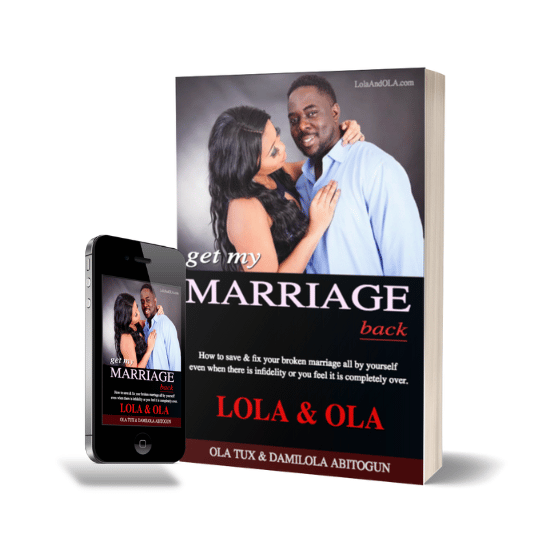
Choose the option that best matches where you are with your marriage.
I Need Personalized Help
My Marriage Is in Serious Trouble
If you're dealing with separation, divorce, loss of attraction,
infidelity, intimacy problems, or a spouse who's pulling away,
get help looking at what's happening in your specific situation.
You believe you’ve found someone who understands you, excites you, and makes life better. During the honeymoon stage, it can feel as though you’ve finally met the person who will satisfy every emotional, romantic, and practical need you’ve ever had.
Then reality arrives.
Stress, careers, parenting, finances, personal struggles, and everyday responsibilities expose something many couples never prepared for: unrealistic expectations in relationships.
Ironically, these expectations rarely destroy a marriage overnight. Instead, they quietly build disappointment, resentment, defensiveness, and eventually emotional distance.
Healthy marriages aren’t built by finding a perfect partner. They’re built when two imperfect people continually take responsibility for their own emotional health while choosing to invest in one another.
If you want lasting attraction, deeper intimacy, and a relationship that grows stronger over time, learning to recognize and manage unrealistic expectations is one of the most important skills you’ll ever develop.

What Are Unrealistic Expectations in Relationships?
Unrealistic expectations in relationships are beliefs that your partner should consistently meet needs or perform roles that no human being realistically can.
These expectations often sound reasonable on the surface:
“If they loved me, they’d know what I need.”
“My spouse should make me happy.”
“We shouldn’t argue if we’re truly compatible.”
“They should always prioritize me over everything else.”
“Love should always feel effortless.”
The problem isn’t having standards.
The problem is expecting another imperfect human being to carry the weight of your emotional well-being, identity, happiness, and purpose.
When those expectations go unspoken, they become what relationship experts often call covert contractsโsilent agreements that exist only in your mind but become the standard by which you judge your partner.
That creates disappointment before your spouse even knows they’re being evaluated.
Many people think attraction disappears because of routine or familiarity.
In reality, attraction often dies under the weight of chronic disappointment.
When your partner constantly feels like they’re failing impossible standards, they stop feeling emotionally safe. Instead of feeling appreciated, they feel inspected.
Over time, criticism replaces curiosity.
Defensiveness replaces vulnerability.
Resentment replaces admiration.
No one feels deeply desired by someone they believe they can never satisfy.
Ironically, the more pressure someone feels to become your source of happiness, the less emotionally available they become.
Healthy attraction grows in freedomโnot emotional obligation.
The Biggest Unrealistic Expectations That Damage Relationships
1. Expecting Your Partner to Read Your Mind
One of the fastest ways to create unnecessary conflict is assuming your partner should automatically know what you’re thinking or feeling.
Mind-reading is not intimacy.
Clear communication is.
Instead of hoping your spouse notices subtle hints, practice respectfully expressing what you actually need.
People cannot consistently meet expectations they never fully understand.
2. Expecting Your Partner to Heal Your Emotional Wounds
Marriage is deeply healing.
But your spouse is not your therapist, savior, or emotional rescue plan.
Past rejection, childhood trauma, insecurity, abandonment, and low self-worth require personal work alongside supportโnot complete dependence on your partner.
The healthier you become individually, the healthier your relationship becomes collectively.
Personal responsibility creates emotional freedom.
3. Believing Happy Couples Never Disagree
Conflict isn’t evidence that your relationship is broken.
Poor conflict management is.
Every healthy couple experiences disagreements because every individual has different personalities, histories, values, and communication styles.
The question isn’t whether conflict happens.
The question is whether both people can navigate disagreement without shaming, blaming, condemning, insulting, or attacking each other’s character.
Emotional intelligence matters far more than avoiding conflict altogether.
Take This 2 Minutes Quiz
Question 1 of 15
Your Marital Assessment Status:
We have securely transmitted a comprehensive analytical breakdown matching this score directly to your email inbox shortly. We have just dispatched an analytical breakdown matching this assessment score along with your core strategic action plan.
YOUR ACCESS IS CONFIRMED
Your Copy of Get My Marriage Back Is Ready
Choose how you'd like to get started below.
Step 1: Get Your Book
Start With Get My Marriage Back
Use the book to begin understanding the principles that can help you stop making the situation worse, regain clarity, and start moving your marriage in a better direction.
If you're dealing with separation, divorce, loss of attraction, intimacy problems, infidelity, or a spouse who is pulling away, general information may not answer the most important question:
What should you do in your specific situation?
In a private 60-minute Discovery Session, we'll look at what's actually happening in your marriage, what may be making the situation worse, and what your next best steps may be.
4. Expecting Constant Passion Without Intentional Investment
Early romance is fueled by novelty.
Long-term attraction is sustained by intentionality.
Many couples mistakenly believe passion should naturally remain at dating levels forever.
Real intimacy requires continued flirting, emotional presence, friendship, playfulness, physical affection, shared experiences, and personal growth.
Attraction isn’t maintained by luck.
It’s maintained by investment.
5. Expecting Your Partner to Complete You
One of the most romantic ideas ever sold is also one of the most dangerous.
No person completes another.
Healthy marriages consist of two whole individuals continually choosing each otherโnot two incomplete people desperately trying to fill emotional voids.
Your spouse can enrich your life.
They should never become your entire identity.
Purpose, friendships, physical health, spirituality, and personal growth remain your responsibility.
Ironically, people become more attractive when they maintain a healthy sense of self.

The Difference Between Healthy Standards and Unrealistic Expectations
Many people fear lowering their expectations means settling.
It doesn’t.
Healthy standards protect relationships.
Unrealistic expectations control them.
Healthy standards include qualities like:
Honesty
Respect
Kindness
Faithfulness
Emotional maturity
Accountability
Consistent effort
Unrealistic expectations demand perfection, constant validation, or emotional performance that ignores human limitations.
Standards help you choose wisely.
Unrealistic expectations prevent you from appreciating what you already have.
Where Unrealistic Expectations Usually Come From
Most unrealistic expectations aren’t intentionally created.
They’re learned.
Common sources include:
Childhood experiences
Past heartbreak
Social media comparisons
Romantic movies
Family dynamics
Cultural messages
Fear of abandonment
Low self-esteem
When people experience emotional pain, they often create rules designed to prevent future hurt.
Unfortunately, those rules frequently become impossible standards placed on future partners.
Healing begins when you recognize that your spouse shouldn’t be punished for wounds they didn’t create.
How Emotional Intelligence Changes Everything
Emotionally intelligent couples ask a different question.
Instead of asking:
“Why aren’t you making me happy?”
They ask:
“What responsibility can I take that will improve this relationship?”
That shift changes everything.
Personal leadership creates emotional safety.
Emotional safety encourages honesty.
Honesty builds trust.
Trust fuels attraction.
This doesn’t mean accepting unhealthy behavior or avoiding accountability.
It means refusing to build your marriage around blame, guilt, shame, or condemnation.
The strongest relationships consist of two people continually asking, “How can I contribute more than I criticize?”
Stop Taking Every Expectation as a Personal Attack
One overlooked relationship skill is learning how to hear your partner’s expectations without immediately becoming defensive.
When every complaint feels like criticism, productive conversations become impossible.
Instead, become curious.
Ask questions.
Clarify what your partner actually means.
Sometimes their frustration isn’t an attackโit is simply imperfect communication about an unmet need.
Likewise, express your own expectations without assuming your spouse owes you immediate compliance.
Healthy couples create space where both people can speak honestly without fear of emotional punishment.
Build a Marriage Based on Appreciation Instead of Fantasy
One of the greatest relationship traps is continually comparing your real spouse to an imaginary version of them.
Nobody wins that comparison.
Real love grows when appreciation becomes stronger than expectation.
Celebrate what your partner consistently brings into the relationship instead of obsessing over what they don’t.
People naturally move toward environments where they feel respected, admired, and emotionally safe.
That doesn’t mean ignoring problems.
It means addressing them without making your spouse feel like they can never be enough.
Practical Ways to Manage Expectations in Your Relationship
If you want to replace resentment with deeper connection, begin practicing these habits consistently:
Communicate needs clearly instead of expecting mind-reading.
Separate healthy standards from perfectionism.
Take ownership of your own happiness, purpose, and emotional growth.
Appreciate your partner’s efforts more frequently than you criticize their shortcomings.
Accept that disagreements are normal and focus on resolving them respectfully.
Invest intentionally in friendship, romance, and physical intimacy.
Continue growing as an individual rather than expecting your spouse to supply your identity.
Small adjustments practiced consistently create remarkable changes over time.
The Truth About Lasting Love
Every marriage eventually encounters unmet expectations.
The difference between couples who grow together and those who drift apart isn’t perfection.
It’s ownership.
When you stop expecting your spouse to carry the impossible burden of becoming your therapist, entertainer, mind-reader, emotional regulator, and source of identity, you free both of you to love more authentically.
The healthiest relationships aren’t built on fantasy.
They’re built by two emotionally intelligent people who choose growth over blame, appreciation over entitlement, and partnership over impossible expectations.
That is where lasting trust, enduring attraction, and genuine intimacy thrive.
What are examples of unrealistic expectations in a relationship?
Common examples include expecting your partner to read your mind, make you happy all the time, avoid all conflict, change who they fundamentally are, or keep the same level of passion without intentional effort. Healthy relationships require communication, personal responsibility, and realistic expectations.
What is the number rule for success in relationships?
There is no universal “number one rule,” but mutual respect, honest communication, and personal accountability consistently form the foundation of successful long-term relationships. Couples who focus on solving problems together instead of blaming each other tend to build stronger marriages.
What causes unrealistic expectations?
Unrealistic expectations often develop from childhood experiences, past relationship pain, social media comparisons, romantic fantasies, and unresolved emotional wounds. These influences can create impossible standards that no partner can consistently meet.
Are my expectations too high for my boyfriend?
Expectations are too high when they require perfection, constant validation, or emotional responsibility that belongs to you. Healthy standards focus on respect, honesty, effort, and shared values rather than expecting someone to complete or rescue you.
Few questions hurt more than asking yourself, “Are there signs your husband doesn’t value you?”
Most women never imagined they would have to ask that question after exchanging marriage vows. Marriage is supposed to be the one relationship where you no longer compete for someone’s affection or prove your worth against other people.
If you’ve reached the point where you’re questioning whether your husband values you, don’t dismiss that feeling. It deserves attention.
At the same time, it’s important not to jump to the conclusion that your husband is intentionally trying to hurt you. In many marriages, the problem isn’t evil intentionsโit’s emotional immaturity, poor relationship skills, unmanaged pride, or years of unhealthy habits that quietly erode respect.
Understanding the difference can determine whether you make the marriage worse or become the catalyst for positive change.
What Does It Mean to Be Valued in Marriage?
Before identifying the signs your husband doesn’t value you, it’s worth defining what “value” actually means.
There are two completely different ways people use the word.
Market Value
Market value exists through comparison.
Something is considered valuable because it is measured against other available options.
That may work in business or economics, but it has no place inside a healthy marriage.
The moment a husband begins mentally, emotionally, or physically comparing his wife with other women, he undermines the exclusivity that marriage is built upon. Whether through flirting, emotional attachments, or constantly idealizing someone else, comparison weakens trust and slowly damages intimacy.
Marriage isn’t a marketplace.
Your spouse isn’t supposed to be shopping.
Moral Value
Marriage is built on moral value.
When two people exchange vows, they promise to love, honor, cherish, and protect one anotherโnot because the other person is perfect, but because commitment creates responsibility.
When you feel unvalued, what you’re often sensing is that this moral commitment is no longer being consistently demonstrated.
That feeling deserves to be explored, not ignored.
If You’re Asking This Question, Something Needs Attention
Not every rough season means your husband doesn’t value you.
Stress, financial pressure, parenting, health challenges, and burnout can temporarily affect how people show affection and appreciation.
However, if the pattern has become consistent, your emotional alarm system may be pointing toward a genuine relationship problem.
The goal isn’t to collect evidence that your marriage is doomed.
The goal is to identify what’s broken so it can be repaired.
10 Signs Your Husband Doesn’t Value You
While every marriage is unique, these behaviors often reveal that respect and emotional investment have begun to decline.
1. He Constantly Dismisses Your Feelings
Whenever you express hurt, he labels you as:
Too sensitive
Dramatic
Emotional
Irrational
Always complaining
Instead of becoming curious about your experience, he minimizes it.
Feeling heard is one of the deepest emotional needs in marriage. When your emotions are consistently dismissed, emotional safety disappears.
2. He Prioritizes Everyone Else Before You
His employer gets his energy… Friends get his humor.
His hobbies get his enthusiasm.
His phone gets his attention.
You receive whatever remains.
Everyone has seasons where work requires extra focus, but when your marriage permanently receives leftovers, it’s understandable to question whether you’re truly valued.
3. He Makes Major Decisions Without You
Healthy marriages operate as partnerships.
If he’s making significant financial decisions, family plans, career moves, or life-changing commitments without involving you, he’s communicating that your perspective isn’t important enough to include.
Being consulted isn’t about control.
It’s about respect.
4. He Rarely Shows Appreciation
Over time, every spouse becomes familiar.
The danger is allowing familiarity to become entitlement.
If your efforts around the home, family, career, or relationship are continually ignored, you may begin feeling invisible.
Simple appreciation communicates:
“I see you.”
“I notice your effort.”
“You matter.”
Its absence slowly drains emotional connection.
5. He Becomes Defensive Instead of Accountable
Nobody enjoys criticism.
However, emotionally mature spouses can hear painful feedback without immediately attacking back.
If every conversation turns into:
Your fault
Excuses
Defensiveness
Blame shifting
Stonewalling
The relationship cannot improve because responsibility is never accepted.
6. He Stops Being Curious About Your Life
Early in dating, he wanted to know everything.
Now he rarely asks:
How was your day?
What are you working on?
What’s been on your mind?
How are you feeling?
Curiosity fuels connection.
Indifference slowly replaces it.
7. He Speaks to You with Contempt
Contempt is one of the strongest predictors of relationship breakdown.
It often appears as:
Eye rolling
Mockery
Sarcasm
Belittling comments
Public embarrassment
Disagreements happen.
Disrespect should not become normal.
8. Your Boundaries Mean Little to Him
Healthy love respects limits.
If he repeatedly ignores your emotional boundaries, pressures you after you’ve clearly communicated your needs, or dismisses what makes you uncomfortable, he’s prioritizing his preferences above mutual respect.
9. You’re Always the One Maintaining the Relationship
You’re always the one:
Starting conversations
Planning dates
Initiating affection
Solving conflicts
Rebuilding after arguments
Marriage shouldn’t feel like a one-person emotional job.
10. You Feel More Alone Beside Him Than By Yourself
This may be the strongest sign of all.
Loneliness inside marriage is often more painful than loneliness outside of it.
Physical proximity without emotional connection creates a unique kind of emptiness that shouldn’t be ignored.
Don’t Assume Malice Before You Consider Incompetence
One of the biggest mistakes people make is assuming every painful behavior comes from bad intentions.
Sometimes it does.
Often it doesn’t.
Many husbands simply never learned emotional intelligence.
They may understand how to build careers, solve problems, and manage responsibilities, yet struggle to:
Validate emotions
Repair conflict
Communicate vulnerability
Express appreciation
Create emotional safety
Poor relational competence still creates pain.
But recognizing the difference changes your strategy.
If you treat skill deficits as malicious attacks, you’ll usually create more defensiveness rather than more connection.
Don’t Build Your Identity Around His Approval
It’s important to separate your self-worth from your husband’s current behavior.
Your value as a person doesn’t rise or fall based on someone else’s emotional maturity.
At the same time, your desire to feel valued in marriage is completely reasonable.
Marriage is designed to provide emotional security, companionship, and mutual honor.
You are not asking for too much by wanting to feel respected.
How to Regain Your Power Without Chasing Validation
If your husband has stopped making you feel valued, the instinct is often to work harder.
You explain more.
Plead more.
Argue more.
Prove more.
Ironically, those strategies often reduce attraction and increase emotional exhaustion.
Instead, focus on reclaiming your own influence.
Strengthen Your Self-Leadership
Confident people naturally influence relationships.
Continue growing emotionally, spiritually, physically, and professionally regardless of your husband’s current behavior.
Growth changes relationship dynamics.
Stop Participating in Toxic Cycles
Repeated blame, criticism, contempt, sarcasm, and scorekeeping poison attraction.
You cannot control his behavior.
You can refuse to reinforce unhealthy patterns.
Communicate Standards, Not Threats
There’s a difference between begging for attention and calmly communicating expectations.
Instead of repeatedly demanding validation, clearly communicate the kind of marriage you’re committed to building and invite him to participate.
Standards inspire more respect than emotional ultimatums.
Rebuild Friendship
Long-term attraction rarely survives without genuine friendship.
Small daily moments of curiosity, appreciation, shared laughter, and positive interaction often repair emotional distance better than dramatic relationship talks.
Give Him Space to Lead Responsibly
Healthy marriages require both partnership and leadership.
If your husband begins taking responsibility, encourage progress rather than demanding perfection.
People grow faster when improvement is acknowledged.
When the Problem Goes Beyond Feeling Unvalued
Sometimes the issue isn’t simply poor communication.
If your husband consistently exhibits manipulation, coercive control, emotional abuse, intimidation, or physical violence, the priority shifts from improving attraction to ensuring your safety.
In those situations, healthy boundaries, trusted support systems, and professional guidance become essential.
Looking for signs your husband doesn’t value you isn’t about becoming suspicious of every flaw.
It’s about honestly evaluating whether your marriage still reflects the honor and partnership your vows were meant to create.
Remember this: your goal isn’t to convince someone to recognize your worth.
Your goal is to become so grounded, emotionally intelligent, and self-led that you stop negotiating for basic respect while creating the best possible environment for your marriage to thrive.
Ironically, that quiet confidence is often where genuine influenceโand renewed attractionโbegins.
What are the signs that my husband might not love me anymore?
Consistent emotional distance, lack of curiosity about your life, ongoing disrespect, and unwillingness to invest in the relationship can indicate declining emotional connection. One behavior alone doesn’t prove he has fallen out of love, but persistent patterns deserve honest conversation.
What are some signs that my partner is unsupportive?
An unsupportive partner regularly dismisses your goals, minimizes your feelings, avoids showing up when you need encouragement, or only expects support without offering it in return. Healthy support involves mutual encouragement, especially during difficult seasons.
What are some signs that a husband might not be interested in his wife anymore?
He may stop initiating quality time, show little curiosity about your thoughts or experiences, consistently prioritize other people or activities, and make little effort to maintain emotional or physical intimacy. Interest naturally fluctuates, but ongoing indifference signals a relationship issue that should be addressed.
How does a man act when he doesn’t care about you?
He often becomes emotionally unavailable, dismisses your concerns, ignores your boundaries, and shows little interest in repairing conflict or investing in the relationship. While stress can temporarily affect behavior, persistent emotional neglect should not be normalized.
Dealing with in-law issues can place enormous pressure on an otherwise loving marriage.
An overbearing mother-in-law, a critical father-in-law, an intrusive sibling, or relatives who constantly question your household decisions can make you feel disrespected inside your own relationship.
Over time, what begins as irritation can develop into resentment, emotional distance, and a loss of attraction between husband and wife.
But here is the difficult truth: most in-law problems are not primarily about the in-laws.
They are usually symptoms of a loyalty, communication, or boundary problem inside the marriage.
Extended family members can make comments, offer unsolicited advice, or attempt to interfere. However, the conflict becomes destructive when spouses cannot agree on how to respond. One partner feels abandoned while the other feels forced to defend the family that raised them.
The solution is not to wage war against your spouseโs relatives. It is to strengthen the marital bond, establish calm boundaries, and present a united front without unnecessary hostility.
Why Dealing With In-Law Issues Becomes So Emotional
In-law conflict is rarely a simple disagreement between adults. It touches identity, loyalty, belonging, pride, and family history.
Your spouse may hear criticism of a parent as criticism of their childhood, culture, judgment, or character. Even when they privately agree that a relative is difficult, they may instinctively become defensive when you attack that person.
At the same time, you may interpret your spouseโs silence as betrayal.
You are not merely upset that a relative made an inappropriate comment. You are upset because the person who promised to build a life with you did not appear to protect the relationship.
This is why seemingly minor incidents can create major fights.
The surface issue might be an unannounced visit, an insulting joke, holiday pressure, parenting advice, financial interference, or a private conversation shared with relatives. Beneath the surface, however, both spouses are asking deeper questions:
Are we truly on the same team?
Do my feelings matter to you?
Will you protect our home?
Am I competing with your family?
Can I trust you with private marital matters?
Healthy boundaries help couples protect their time, privacy, and autonomy as a household. Marriage educators similarly emphasize that couples benefit from agreeing on limits before communicating them to extended family.
The Loyalty Trap: Why Blaming Your In-Laws Usually Fails
When people struggle with dealing with in-law issues, they often focus all their energy on proving that the relative is wrong.
They collect examples. …Replay conversations.
They criticize the in-lawโs personality. Trying to persuade their spouse that the family member is manipulative, disrespectful, selfish, controlling, or toxic.
Even when the complaints are valid, this strategy commonly backfires.
Your spouse may feel that defending their family is the same as defending themselves. Instead of hearing your pain, they hear an attack. The conversation then becomes a courtroom in which both people present evidence, assign blame, and fight to be declared right.
Being right does not necessarily protect your marriage.
A better question is:
What arrangement would help both of us feel respected, secure, and connected?
That question moves the discussion away from character assassination and toward leadership, partnership, and practical boundaries.
In-Law Problems Are Often Marriage Alignment Problems
Extended family can interfere most effectively when the married couple is not aligned.
When spouses send mixed messages, relatives quickly learn where the marriage is vulnerable. One partner says no, the other quietly says yes. One spouse shares private marital frustrations, then becomes angry when the family forms a negative opinion. One person wants distance, while the other continues behaving as though nothing has happened.
This lack of alignment creates confusion and invites further interference.
Family intrusion can undermine a coupleโs autonomy and produce resentment or powerlessness when boundaries are repeatedly crossed.
A united marriage does not require both spouses to feel exactly the same about every relative. It means they agree that the peace, privacy, and stability of their household must be protected.
That requires mature conversations before the next family conflict occurs.
1. Discuss the Issue Privately With Your Spouse
Never attempt to resolve a major in-law disagreement in front of the in-laws.
Public confrontation creates embarrassment, defensiveness, and pressure. Your spouse may defend their relative simply because they feel cornered.
Talk privately when both of you are calm.
Avoid opening with accusations such as:
โYour mother is always disrespectful.โ
โYour family ruins everything.โ
โYou never stand up for me.โ
โYour father is controlling.โ
โYou care more about them than me.โ
Those statements may reflect your emotions, but they are unlikely to produce cooperation.
Describe the behavior, the impact, and the change you need.
For example:
โWhen decisions about our children are challenged in front of everyone, I feel undermined. I need us to agree privately and communicate one answer together.โ
Or:
โWhen our marital disagreements are shared with your family, I no longer feel safe being vulnerable with you. I need our private issues to stay between us unless we jointly decide to seek help.โ
This approach protects your dignity without forcing your spouse to defend an entire family system.
2. Build a United Front Before Setting Boundaries
A boundary is much stronger when both spouses understand it and support it.
Before speaking to extended family, discuss:
Unannounced visits
Holiday expectations
Parenting decisions
Financial requests
Business partnerships
Private marital information
Disrespectful comments
Overnight stays
Frequency of calls or visits
Access to your home
Religious or cultural expectations
Social media posts involving your family
Do not assume that your spouse already knows what bothers you.
Passive boundary setting is not boundary setting. Hints, facial expressions, silent treatment, and delayed explosions create confusion rather than clarity.
Decide together what behavior is acceptable, what is not acceptable, and what will happen when a boundary is ignored.
The purpose is not to punish relatives. The purpose is to protect the marriage.
3. Let Each Spouse Address Their Own Family When Possible
In many situations, the spouse whose family is causing the problem should take the lead in communicating the boundary.
This reduces the likelihood that the other spouse will be portrayed as controlling, divisive, or disrespectful.
For example, a husband may need to tell his parents:
โWe appreciate your concern, but this is a decision my wife and I are making together.โ
A wife may need to tell her mother:
โPlease call before visiting. We love seeing you, but surprise visits do not work for our household.โ
Notice the language: we, not โmy spouse says.โ
Throwing your spouse under the bus weakens the marriage.
Do not say:
โMy husband doesnโt want you coming over.โ
Say:
โWe have decided that we need advance notice before visits.โ
The biological child may communicate the message, but the boundary belongs to the marriage.
4. Set Specific Boundaries Instead of Making General Complaints
โRespect usโ is too vague.
โStop interferingโ is emotionally understandable but difficult to apply.
Effective boundaries describe concrete behavior.
Examples include:
โPlease text before coming to our home.โ
โWe are not discussing our finances.โ
โWe will make the final decision about the children.โ
โWe are alternating holidays this year.โ
โWe will end the conversation if insults begin.โ
โWe are not lending money for this project.โ
โPlease do not discuss our disagreement with other relatives.โ
โWe are available for dinner, but we will leave by 8:00 p.m.โ
Clear boundaries reduce room for manipulation, misunderstanding, and selective interpretation.
They also help you remain calm because you know exactly what you are enforcing.
5. Stop Feeding Emotional Drama
One of the most powerful skills in dealing with in-law issues is refusing to become emotionally recruitable.
Some relatives provoke, criticize, guilt, bait, or test limits because strong reactions give them influence. When you become highly reactive, you surrender control of your emotional state.
This does not mean tolerating abuse.
It means refusing to turn every offensive remark into a full-scale conflict.
You can respond with calm statements such as:
โIโm not discussing that.โ
โWe have already made our decision.โ
โI understand that you disagree.โ
โThat comment was unnecessary.โ
โWe can continue when everyone is calm.โ
โIโm going to step away from this conversation.โ
Self-control is not weakness. It is leverage.
A person who cannot control your emotions cannot easily control your marriage.
6. Do Not Compete With Your In-Laws
Your spouseโs love for their family does not automatically reduce their love for you.
However, insecurity can turn family relationships into an unnecessary competition. You may begin counting phone calls, comparing gifts, resenting traditions, or interpreting every family request as proof that you are not the priority.
That mindset makes you appear needy, controlling, or approval-seeking.
Your spouse chose to build a life with you. Act like a secure marital partner rather than a rival seeking constant reassurance.
Your goal is not to erase your spouseโs family bonds. Your goal is to ensure those bonds do not override the commitments, privacy, and authority of the marriage.
Confidence is more attractive than constant competition.
7. Listen Without Immediately Judging Their Family
Your spouse may occasionally complain about a parent, sibling, or relative.
That does not always mean they want you to attack that person.
Sometimes they need a safe place to process disappointment.
If you immediately respond with, โI told you your mother was manipulative,โ your spouse may feel temporarily validated. Later, however, they may regret giving you information that you now use against someone they still love.
Try listening before analyzing.
You might say:
โThat sounds frustrating.โ
โI can see why that hurt.โ
โDo you want me to listen or help you think through it?โ
โWhat would feel supportive right now?โ
โHow would you like to handle it?โ
Emotional intelligence means understanding that people can feel hurt by their family while still remaining deeply attached to them.
You do not have to rescue your spouse from every family disappointment. Be a safe haven, not a prosecutor.
8. Keep Private Marital Problems Inside the Marriage
Venting to parents about your spouse can create long-term damage.
You may forgive your husband or wife after an argument. Your parents may not.
When you repeatedly share one-sided accounts of your spouseโs worst moments, your family develops a distorted view of the marriage. They become protective, suspicious, and more likely to interfere.
This does not mean couples should never seek support.
A qualified counselor, pastor, mentor, or trusted neutral person may be helpful. The key word is neutral.
Seek guidance from people who support truth, accountability, reconciliation, and safetyโnot people who simply intensify your anger.
Your marriage needs privacy in order to sustain emotional and romantic vulnerability.
It is difficult to feel deeply connected to a spouse who turns every disagreement into a family group discussion.
9. Be Careful Mixing In-Laws With Money or Business
Financial arrangements can magnify existing family tension.
Loans, investments, employment, shared property, business partnerships, and informal financial promises often blur relational boundaries. If the arrangement fails, a business disagreement quickly becomes a marital and family crisis.
Before entering a financial arrangement with in-laws, discuss:
How much money is involved
Whether the money is a gift or loan
Repayment expectations
Decision-making authority
Ownership percentages
Exit terms
What happens if the business fails
Whether the marriage can absorb the loss
Whether saying no will create family retaliation
Whenever possible, do not risk money you cannot emotionally and financially afford to lose.
If you choose to give, consider giving with clear limits and without attaching your peace to the outcome.
Generosity without boundaries becomes resentment.
10. Establish Consequences Without Making Threats
A request tells someone what you would like them to do.
A boundary explains what you will do if the behavior continues.
For example:
โPlease do not insult my spouse.โ
If the insults continue:
โWe are ending the visit now. We can try again another time.โ
The consequence should be proportionate and enforceable.
Possible consequences include:
Ending a phone call
Leaving a gathering
Shortening a visit
Declining an invitation
Requiring advance notice
Limiting access to private information
Taking a temporary break from contact
Meeting only in public places
Refusing financial involvement
Moving communication to text or email
Do not announce consequences you are unwilling to enforce.
Repeatedly stating a boundary without acting teaches people that your words have no weight.
How to Stand Up to In-Laws Without Creating More Drama
Standing up for your marriage does not require aggression.
In fact, explosive confrontation often damages your credibility and creates sympathy for the person who crossed the line.
Use a calm, brief structure:
Acknowledge the relationship.
Name the behavior.
State the boundary.
Explain the consequence.
End the discussion.
For example:
โWe love spending time with you. However, criticism of our parenting in front of the children is not acceptable. We are asking you to bring concerns to us privately. If it happens again, we will end the visit.โ
Avoid overexplaining.
The more you argue, defend, and justify, the more the boundary begins to sound negotiable.
Calm repetition is often more powerful than a long speech.
What to Do When Your Spouse Will Not Defend You
This is often the most painful part of dealing with in-law issues.
You may understand that a relative is difficult, but the deeper wound is that your spouse minimizes the behavior, calls you too sensitive, or refuses to address it.
Do not begin by demanding that your spouse cut off their family.
Instead, focus on the marriage impact.
Say:
โI am not asking you to stop loving your family. I am asking us to create an agreement that protects our relationship.โ
Be specific about what support would look like.
Perhaps you need your spouse to:
Correct false information
Stop sharing private matters
End insulting conversations
Limit surprise visits
Support agreed parenting rules
Stop accepting money with hidden conditions
Leave a gathering with you when disrespect occurs
If your spouse repeatedly refuses to protect reasonable marital boundaries, couples counseling may be necessary. The problem is no longer merely an in-law disagreement; it is a trust and partnership issue.
When Low Contact May Be Necessary
Not every difficult relative requires distance.
Some in-laws are irritating but manageable. Others repeatedly violate boundaries, spread lies, sabotage the marriage, insult a spouse, manipulate children, misuse money, or create emotional chaos.
Temporary low contact may be appropriate when ordinary boundaries have failed.
Low contact can include:
Fewer visits
Shorter conversations
Neutral meeting locations
Less personal information
No unsupervised access to children
Communication through one spouse
Avoiding high-conflict topics
Taking a break after serious incidents
The goal should be stability, not revenge.
Distance works best when it is calm, deliberate, and connected to specific behavior. It should not be used as a theatrical punishment whenever someone disagrees with you.
What to Do When In-Laws Are Abusive or Threatening
Emotional intelligence does not require tolerating abuse.
Threats, stalking, physical violence, financial exploitation, harassment, intimidation, child endangerment, or repeated severe verbal abuse require stronger action.
Prioritize safety.
Document serious incidents, limit access, seek professional support, and contact appropriate authorities when necessary. Do not remain in a dangerous environment to prove that you are patient, respectful, forgiving, or committed to family unity.
Peace without safety is not peace.
Protecting Attraction While Dealing With In-Law Conflict
In-law conflict can quietly damage attraction.
A spouse may lose respect when their partner appears passive, fearful, chronically reactive, or unable to protect the household. Attraction can also decline when one spouse becomes controlling, insulting, obsessive, or constantly negative about the other personโs family.
The goal is grounded leadership.
That means you can be firm without becoming brutal, patient without becoming passive, and loving without surrendering your standards.
Protect attraction by avoiding:
Endless complaining
Insulting your spouseโs family
Forcing loyalty tests
Public arguments
Sarcasm and condescension
Threatening divorce during every incident
Repeatedly demanding reassurance
Using sex or affection as punishment
Acting helpless
Making your spouse manage all your emotions
After handling the conflict, return attention to the marriage.
Go on a date. Restore affection. Laugh together. Have private conversations that are not about relatives. Protect your friendship and sexual connection from becoming collateral damage.
Your in-laws should not become the main character in your marriage.
A Simple Script for Talking to Your Spouse
Use this framework when you need to address an in-law problem:
โI love you, and I do not want this to become a fight between us. When [specific behavior] happens, I feel [impact]. I am not asking you to reject your family. I am asking us to agree on [specific boundary]. I would feel supported if you would [specific action]. What would help you feel respected in this situation?โ
This script works because it protects the marital connection while still addressing the problem.
It does not shame your spouse, insult the relative, or demand an immediate emotional choice.
A Simple Script for Addressing the In-Law
โWe value our relationship with you, and we want our time together to remain positive. We have decided that [specific boundary]. We understand that you may disagree, but this is what works for our household. If the boundary is not respected, we will [specific consequence].โ
Keep it short.
Do not turn the conversation into a review of every offense committed over the past decade.
The Biblical Perspective on In-Law Boundaries
The Bible teaches both honor for parents and the formation of a distinct marital union.
Exodus 20:12 instructs people to honor their father and mother, while Genesis 2:24 describes a husband leaving his father and mother and becoming united with his wife.
These principles are not contradictory.
Honoring parents does not mean allowing them to govern the marriage. Leaving does not require hatred, abandonment, or disrespect. It means the married couple forms a primary household with its own responsibilities, loyalties, privacy, and decisions.
Biblical honor can coexist with a respectful no.
You can speak kindly, refuse revenge, remain grateful, and still enforce boundaries that protect your spouse and home.
The Most Important Rule for Dealing With In-Law Issues
The central rule is simple:
Protect the marriage without unnecessarily dishonoring the family.
Your spouse should not be forced to choose between love for you and love for their relatives. At the same time, extended family should not be given authority that belongs to the married couple.
A healthy marriage creates an order of priority:
The marriage is the primary adult partnership.
Household decisions are made by the spouses.
Extended family is treated with dignity.
Advice may be considered without being obeyed.
Disrespect has consequences.
Privacy is protected.
Both spouses communicate as one team.
When that order is clear, in-law relationships often become easier because everyone understands where they stand.
Dealing with in-law issues successfully requires more than identifying who is wrong.
It requires self-awareness, patience, emotional discipline, clear expectations, and marital leadership.
Do not surrender your peace by reacting to every comment. And do not damage your spouseโs trust by attacking the people they love. Do not remain passive while resentment grows.
Address the real issue.
Strengthen your alliance. Protect your privacy. Communicate boundaries calmly. Enforce consequences consistently. Refuse to compete with extended family, and do not allow family conflict to consume the friendship, intimacy, and attraction inside your marriage.
You cannot control every relative.
You can control the strength, clarity, and emotional maturity of your response.
Set specific boundaries with your spouse, limit the personal information you share, and calmly reduce contact when harmful behavior continues. Focus on what you can control rather than trying to force the relative to change.
What is the rule for success with in-laws in marriage?
The most important rule is to remain united with your spouse while treating extended family with dignity. Each partner should protect the marriage and generally take responsibility for communicating boundaries to their own relatives.
What does the Bible say about dealing with in-laws?
The Bible teaches people to honor their parents while also describing marriage as a new primary union in which spouses leave their original households and become one. Honor does not require surrendering the authority, privacy, or boundaries of your marriage.
How do you deal with an in-law that you do not like?
Remain civil, reduce unnecessary exposure, and stop trying to create emotional closeness that is not naturally present. You do not have to like an in-law to behave respectfully and protect your marriage with clear limits.
Wondering whether your husband still desires you can place you in a quiet and painful state of uncertainty.
Perhaps physical intimacy has slowed down. Maybe he no longer compliments you, reaches for you or looks at you the way he once did. You may feel that all his energy goes toward work, his phone, the children or everything except your marriage.
These changes can feel especially personal after childbirth, weight changes, illness, aging, prolonged stress or another major life transition. When your body or confidence has changed, even a small shift in his behavior may seem like confirmation of your worst fear.
Before deciding that you have found definitive signs your husband doesnโt find you attractive, slow down.
A decline in affection can indicate reduced attraction, but it can also reflect stress, resentment, emotional disconnection, exhaustion, depression, health concerns, sexual difficulties or a marriage that has become overly predictable. One behavior rarely tells the whole story.
Your goal is not to panic, accuse him or compete for his approval. It is to evaluate the relationship honestly, strengthen your position and create the conditions in which attraction can breathe again.
Why You May Be Questioning His Attraction
Before examining his behavior, ask yourself what changed recently.
Did sexual intimacy suddenly stop? Has affection gradually disappeared? Does sex still happen but feel impersonal? Did the two of you have an unresolved conflict? Have you recently had a baby, changed physically or experienced a blow to your confidence?
The reason you are searching matters because attraction does not exist separately from the rest of the marriage. Friendship, emotional safety, sexual energy, expectations and personal pride can all influence how two people perceive and respond to each other.
You are not weak for feeling concerned. However, you become less powerful when fear turns an unanswered question into a fixed conclusion.
Look for sustained patterns rather than isolated incidents.
11 Possible Signs Your Husband Doesnโt Find You Attractive
None of the following signs proves that your husband has lost attraction. Several of them occurring consistently, especially without an obvious explanation, may indicate that the romantic connection deserves attention.
1. Everyday Physical Affection Has Disappeared
Attraction is expressed through more than sex.
A husband who feels connected may reach for your hand, kiss you while passing through the kitchen, sit close to you or place a hand on your back. When those small gestures disappear, the marriage can begin to feel emotionally and physically cold.
This becomes more concerning when he appears comfortable touching other people affectionately but repeatedly stiffens, withdraws or avoids your touch.
Still, do not assume that every reduction in touch is a judgment of your appearance. Stress, resentment, sensory discomfort, depression and unresolved conflict can also cause physical withdrawal.
2. Sexual Intimacy Has Declined Sharply
A sustained reduction in sexual interest is one of the more obvious reasons a wife may question her husbandโs attraction.
Perhaps he rarely initiates, repeatedly rejects your advances or seems mentally absent during intimacy. Sex may feel rushed, mechanical or like an obligation rather than a shared experience.
Sexual frequency alone is not a perfect measure of attraction. Sleep deprivation, medication, hormonal changes, performance anxiety, pornography use, illness, work pressure and relationship tension can all affect desire.
The important question is not merely, โHow often are we having sex?โ It is, โWhat is the emotional and erotic quality of our connection?โ
3. He No Longer Notices You
You change your hair, wear something different or make an effort before going out, but he seems completely unaware.
A lack of compliments by itself may reflect habit or poor communication rather than lost attraction. Some people feel admiration without verbalizing it.
However, if he once noticed you regularly and now appears indifferent to your presence, the change may suggest that his romantic attention has weakened or become buried under routine.
4. His Eye Contact Feels Flat or Avoidant
Attraction often appears in the eyes before it is expressed in words.
Lingering eye contact, spontaneous smiles and the feeling of being visually appreciated help separate romantic partners from roommates. When he rarely looks at you, turns away during vulnerable moments or appears uncomfortable when you catch his gaze, you may feel unseen.
Avoided eye contact can also indicate guilt, resentment, emotional discomfort or general distraction. Consider it a clue, not a conviction.
5. He Avoids Spending Time Alone With You
He may stay busy until bedtime, invite the children into every activity or consistently choose screens, hobbies and errands over private time with you.
This is not simply about needing more dates. It is about whether he appears curious about you as a woman and a partner when household responsibilities are removed.
When someone repeatedly avoids one-on-one time, there may be an emotional barrier that needs to be addressed. That barrier could involve attraction, but it could also involve unresolved tension or fear of a difficult conversation.
Take This 2 Minutes Quiz
Question 1 of 15
Your Marital Assessment Status:
We have securely transmitted a comprehensive analytical breakdown matching this score directly to your email inbox shortly. We have just dispatched an analytical breakdown matching this assessment score along with your core strategic action plan.
YOUR ACCESS IS CONFIRMED
Your Copy of Get My Marriage Back Is Ready
Choose how you'd like to get started below.
Step 1: Get Your Book
Start With Get My Marriage Back
Use the book to begin understanding the principles that can help you stop making the situation worse, regain clarity, and start moving your marriage in a better direction.
If you're dealing with separation, divorce, loss of attraction, intimacy problems, infidelity, or a spouse who is pulling away, general information may not answer the most important question:
What should you do in your specific situation?
In a private 60-minute Discovery Session, we'll look at what's actually happening in your marriage, what may be making the situation worse, and what your next best steps may be.
Small habits that never bothered him may suddenly provoke disproportionate annoyance. He may criticize your voice, clothes, eating habits, personality or the way you move through everyday life.
Irritation does not automatically mean he finds you physically unattractive. In many marriages, accumulated resentment eventually contaminates attraction.
When disappointment, pride and unspoken expectations pile up, a spouse may begin interpreting everything the other person does negatively. The resulting coldness can look like lost attraction even when the deeper issue is emotional hostility.
7. Your Marriage Feels Like a Business Partnership
You coordinate schedules, pay bills, raise children and complete household tasks efficiently, but there is little playfulness, flirting or emotional curiosity.
You may function well as parents and managers while feeling almost nonexistent as lovers.
A roommate dynamic is one of the strongest warnings that attraction has been neglected. It does not necessarily mean the attraction is permanently gone; it often means romance has been repeatedly displaced by responsibility.
8. He Has Stopped Flirting With You
Flirting keeps romantic identity alive inside a long-term relationship.
Playful teasing, suggestive comments, private jokes and affectionate messages communicate, โI still see you as more than a household partner.โ When all flirtation disappears, you may feel desexualized.
Some marriages lose flirting because both spouses stop creating openings for it. Before blaming him alone, consider whether the overall atmosphere between you has become tense, overly serious or dominated by logistics.
9. Affection Happens Only When He Wants Sex
Some women are not dealing with complete physical rejection. Instead, they receive touch only when sex is expected.
He may show little warmth throughout the day and suddenly become affectionate at night. That pattern can make you feel used rather than desired.
Healthy attraction includes tenderness, anticipation, friendship and nonsexual touch. When every affectionate gesture becomes transactional, emotional connection often deteriorates even when sexual activity continues.
10. He Compares You With Other Women
Repeatedly praising other womenโs bodies, criticizing your appearance or suggesting that you should look more like someone else is hurtful and disrespectful.
A mature partner can discuss preferences or relationship concerns without humiliating you. Comparison is not an emotionally intelligent method of rebuilding attraction.
Do not mistake cruelty for constructive honesty. You can remain open to growth without accepting shame as the price of intimacy.
11. He Refuses to Discuss the Distance
When you raise the issue calmly, he dismisses you, mocks your concern, becomes aggressive or refuses every attempt at conversation.
A person may need time to process a sensitive subject. Consistent refusal, however, prevents the marriage from addressing whatever is underneath the change.
The central problem may no longer be whether he finds you attractive. It may be whether both people are willing to participate honestly in the relationship.
Signs That May Have Nothing to Do With Your Appearance
It is easy to interpret every rejection as a verdict on your body. That conclusion may be inaccurate and unnecessarily destructive.
Your husbandโs desire may be affected by:
Chronic stress or burnout
Depression, anxiety or emotional exhaustion
Low testosterone or another health issue
Medication side effects
Sleep deprivation
Sexual performance concerns
Unresolved resentment
Financial pressure
Grief or family problems
Compulsive pornography use
A lack of privacy
Repetitive routines
Feeling rejected or criticized himself
This does not mean you should excuse ongoing neglect. It means you should investigate the actual problem rather than automatically making your appearance the explanation.
Attraction is physical, but it is also psychological, emotional and relational.
What Not to Do When You Feel Unattractive to Your Husband
Fear can make you act in ways that create more of the distance you are trying to eliminate.
Do Not Interrogate Him Repeatedly
Questions such as โDo you even find me attractive anymore?โ often come from genuine pain. Unfortunately, they can also create a trap in which no answer feels believable.
If he says yes, you may assume he is trying to protect your feelings. If he hesitates, you may treat the hesitation as proof. If he becomes defensive, the conversation may turn into an argument.
Ask questions that invite information rather than force reassurance.
Do Not Beg for Compliments or Sex
Begging places your self-worth entirely in his hands and can make intimacy feel like a test he must pass.
You deserve affection, but attempting to extract it through pressure rarely creates authentic desire. Build a stronger position by combining honest communication with self-respect.
Do Not Shame Him
Statements such as โA real husband would want his wifeโ or โSomething must be wrong with youโ may temporarily relieve your anger, but shame usually pushes desire further underground.
You cannot insult someone into emotional openness.
Do Not Shame Yourself
Avoid punishing your body, speaking about yourself with disgust or assuming that you must become physically perfect to deserve attention.
Self-neglect is not empowering, but neither is self-hatred. Care for your appearance, health and confidence because they contribute to your well-being and personal powerโnot because your humanity depends on meeting another personโs standard.
Do Not Launch an Investigation Without Evidence
Checking devices, monitoring every glance or obsessively comparing yourself with other women can intensify anxiety without producing clarity.
Address observable behavior first. Suspicion should not become your permanent state of mind.
How to Talk About Attraction Without Sounding Accusatory
Choose a relatively calm time when neither of you is exhausted, rushing or already angry.
Lead with your experience instead of declaring his motives.
You might say:
โIโve noticed that we havenโt been as affectionate or playful lately, and I miss feeling close to you. How have you been experiencing our connection?โ
This approach identifies the change without assigning guilt.
You can then ask:
โWhat do you find most attractive about me?โ
That question carries a different energy from โDo you find me attractive at all?โ It assumes that attraction exists somewhere and invites him to express it.
Other useful questions include:
โWhen do you feel closest to me?โ
โWhat has been getting in the way of intimacy lately?โ
โIs there anything unresolved between us?โ
โWhat would make our relationship feel more romantic?โ
โWhat do you miss about us?โ
โWhat could each of us do differently?โ
Your goal is not to perform a cross-examination. Listen carefully enough to discover whether you are dealing with physical preference, emotional resentment, stress, sexual difficulty or simple relational neglect.
Reclaiming Your Seductive Power in Marriage
Seduction in marriage does not require manipulation, costumes or pretending to be someone you are not.
At its healthiest, seduction is the art of creating emotional movement. It is your ability to generate curiosity, warmth, anticipation and desire without abandoning your dignity.
Something about you originally drew your husband toward you. Your appearance may have been part of it, but there were likely other qualities: your energy, humor, confidence, kindness, ambition, playfulness, sensuality, intelligence or the way he felt in your presence.
Those qualities may not be gone. They may be buried under fatigue, resentment, routine or self-doubt.
Identify Your Core Attractive Qualities
Write down the qualities that made you compelling before the marriage became consumed by responsibilities.
Ask yourself:
What made me feel most alive?
What did I enjoy before I became overwhelmed by duties?
What did he consistently admire about me?
When have I felt most confident and sensual?
Which parts of myself have I neglected?
The objective is not to recreate a younger version of yourself. It is to reconnect with the woman inside the wife, mother, professional and household manager.
Stop Making Him the Sole Judge of Your Value
His response matters because he is your husband, but it is not the final authority on your worth.
When your entire identity depends on whether he notices you, every interaction becomes emotionally loaded. Confidence becomes more attractive when it is rooted in self-awareness rather than constant external validation.
Take ownership of what you can influence: your health, style, energy, boundaries, communication, friendships, purpose and emotional regulation.
Create Variety Without Playing Games
Long-term relationships require certainty, but too much predictability can flatten attraction.
Introduce small forms of novelty:
Suggest an unexpected date.
Change the environment in which you spend time together.
Send a flirtatious message during the day.
Dress in a way that makes you feel powerful.
Learn something new together.
Break a repetitive evening routine.
Bring humor back into the room.
Variety should create freshness, not jealousy or instability. Do not flirt with other people to provoke him or threaten the security of the marriage.
Rebuild Friendship
Sexual attraction struggles to survive where friendship has disappeared.
Become curious about each other again. Talk about ideas, dreams, fears and experiences rather than limiting every conversation to children, bills and problems.
Shared laughter is often more seductive than a perfectly staged romantic gesture because it restores ease. Attraction grows where two people enjoy each otherโs company.
Address Resentment Directly
Unresolved resentment can make even an objectively attractive partner feel emotionally undesirable.
Discuss recurring disappointments without shaming, condemning or keeping score. Focus on specific behavior, its impact and the change you are requesting.
For example:
โWhen our conversations end in sarcasm, I feel disconnected and stop wanting to be vulnerable. I would like us to disagree without attacking each other.โ
This is more productive than โYou always ruin everything.โ
Strengthen Nonsexual Touch
When touch has become rare or loaded with expectations, begin rebuilding physical safety without requiring every gesture to lead to sex.
Sit closer. Offer a genuine hug. Hold hands during a walk. Touch his shoulder while speaking.
Notice whether he reciprocates over time. Seduction requires responsiveness; it should not become a campaign of pursuing someone who repeatedly demonstrates contempt or unwillingness.
Take Pride in Your Presentation
Caring about your appearance is not shallow, and ignoring your own preferences is not a sign of enlightenment.
Wear clothes that fit your current body well. Improve your sleep, movement, grooming or nutrition where appropriate. Choose changes that make you feel energized rather than punished.
Attraction cannot be reduced to weight, age or a clothing size. However, self-respect is often visible in how you carry and care for yourself.
Make Clear Invitations
Your husband may not recognize vague hints, especially if the relationship has become awkward.
Try a direct but confident invitation:
โI miss the playful side of us. Letโs put the phones away tonight and spend an hour together.โ
Clear communication can be seductive because it replaces passive disappointment with grounded leadership.
What If He Admits He Is Less Attracted to You?
Hearing this may hurt deeply, but the next part of the conversation matters.
Do not immediately beg, attack him or make irreversible decisions while emotionally flooded. Ask what he means specifically.
Is he describing a physical change? An emotional disconnection? A sexual pattern? Resentment? His own health or desire problems? A general collapse of romantic energy?
Physical attraction can fluctuate in a long marriage. Honest conversation about it is uncomfortable, but honesty is not automatically cruelty.
What matters is whether he communicates respectfully and takes responsibility for rebuilding the relationship with you. A marriage cannot be repaired by one spouse performing endlessly for the other.
You can consider reasonable changes without accepting humiliation. Both partners should be willing to examine their behavior, emotional availability, health, habits and contribution to the romantic climate.
When the Problem Is Bigger Than Attraction
Seek professional support when conversations repeatedly become hostile, sexual difficulties persist, resentment feels immovable or either partner cannot discuss intimacy honestly.
A qualified couples therapist or sex therapist can help distinguish between loss of attraction, relational injury, health concerns and incompatible expectations.
Support is especially important when the relationship includes:
Persistent contempt or humiliation
Coercion or unwanted sexual pressure
Threats or intimidation
Infidelity
Compulsive sexual behavior
Emotional or physical abuse
Severe depression or another untreated health concern
Seduction is not a substitute for safety. You are not responsible for becoming appealing enough to stop another person from mistreating you.
How to Know Whether Attraction Is Returning
Do not measure progress only by how often you have sex.
Attraction may be returning when:
Eye contact becomes warmer.
Humor returns.
Touch feels natural rather than forced.
He becomes curious about your thoughts.
You spend more voluntary time together.
Flirting reappears.
Both of you initiate affection.
Difficult conversations become less defensive.
You feel like romantic partners again, not only co-managers.
Look for mutual movement. Healthy attraction is not one person auditioning while the other person judges.
From Insecurity to Influence
Wanna know the signs your husband doesnโt find you attractive… that may begin with fear, but it does not have to end there.
Observe patterns without rushing to judgment. Ask better questions. Address resentment, routine and emotional distance. Reconnect with your attractive qualities and take ownership of the energy you bring into the marriage.
Most importantly, stop treating yourself as powerless.
You can influence the dynamic without manipulating him. You can improve yourself without degrading yourself. You can invite desire without begging for it. You can listen to difficult feedback without surrendering your dignity.
Attraction in marriage is not maintained by appearance alone. It is nurtured through friendship, emotional intelligence, confidence, novelty, affection, respect and the willingness of both partners to keep seeing each other as lovers.
How do you tell if your husband is not sexually attracted to you?
Possible signs include a sustained lack of sexual initiation, avoidance of affectionate touch, emotional absence during sex and repeated withdrawal from private time together. These patterns can also result from stress, health issues or resentment, so discuss the change before assuming its cause.
What are the first signs a marriage is ending?
Early warning signs may include contempt, chronic emotional withdrawal, repeated unresolved conflict and the loss of interest in repairing the relationship. A difficult season does not necessarily mean the marriage is ending if both partners remain willing to participate in change.
Why does my husband find me unattractive?
Reduced attraction may involve physical preferences, but it can also reflect routine, unresolved resentment, stress, health concerns or a wider emotional disconnection. Ask for specific, respectful honesty rather than assuming your body is the entire problem.
How do you deal with your partner not finding you attractive?
Acknowledge the pain, clarify what has changed and decide which concerns can be addressed without sacrificing your self-respect. Rebuilding attraction requires mutual effort; you should not accept humiliation or carry the entire responsibility alone.
Looking for the signs your marriage can still be saved is often the last thing you do before giving up.
You may be exhausted from arguing, confused by your spouseโs emotional distance, or terrified that one bad season has permanently destroyed the relationship. Perhaps trust has been damaged, affection has disappeared, or every conversation seems to become another fight.
You want an honest answer: Is there still hope, or are you fighting for something that is already gone?
The truth is that hope does not come from one romantic gesture, a temporary mood change, or your spouse saying the perfect words. A marriage becomes salvageable when emotional connection still exists, the underlying foundation remains intact, and at least one person is willing to stop feeding the destructive cycle.
That does not mean one spouse can single-handedly create a healthy marriage. Mutual participation is ultimately necessary. But one grounded person can often interrupt the patterns that keep both partners defensive, resentful, and disconnected.
Before you decide the marriage is over, look for these nine meaningful signsโand be prepared to respond to them with emotional intelligence rather than panic.
Beyond Hope: Saving a Marriage Requires More Than Positive Signs
Searching for signs can provide perspective, but signs alone do not repair a relationship.
You can have shared values, children, history, and lingering feelings while still repeating the same behaviors that are destroying attraction. Begging for affection, monitoring your spouseโs moods, forcing heavy conversations, keeping score, and trying to police their behavior may feel like fighting for the marriage, but these actions often create more emotional pressure.
The question is not only whether your marriage contains hope.
The deeper question is whether you are willing to become emotionally steady enough to use that hope wisely.
Saving a marriage often begins when you stop:
Reacting to every emotional shift
Chasing reassurance
Trying to force closeness
Shaming your spouse into changing
Treating every disagreement as proof that you are unloved
Sacrificing your dignity to keep the peace
Confusing control with leadership
Real leadership in marriage is not domination. It is the ability to regulate yourself, communicate clearly, protect healthy boundaries, and create conditions in which friendship, respect, desire, and trust can grow again.
1. You Still Have Emotional Reactions to Each Other
One of the clearest signs your marriage can still be saved is that emotional energy still exists between you.
That energy may not currently look romantic. It may appear as anger, frustration, jealousy, disappointment, or passionate disagreement. Although chronic fighting is unhealthy, conflict can indicate that both spouses still care about being understood.
Indifference is often more concerning than anger.
When someone has emotionally detached, they may stop arguing, stop asking questions, and stop responding to issues that once mattered. They are no longer fighting for understanding because they no longer expect connection.
This does not mean you should celebrate explosive conflict. It means the emotion underneath the conflict may still be redirected.
Anger often hides a more vulnerable message:
โI do not feel important to you.โ
โI miss how close we used to be.โ
โI do not trust that you will hear me.โ
โI feel rejected.โ
โI am afraid I no longer matter.โ
The goal is to stop fighting over the surface complaint long enough to recognize the unmet emotional need beneath it.
2. You Both Still Care About the Outcome
Your marriage may still be repairable if both of you remain emotionally affected by what happens to the relationship.
Your spouse may sound frustrated, skeptical, or guarded. They may say they do not know whether things can improve. But uncertainty is different from complete emotional departure.
Pay attention to whether your spouse still:
Talks about the relationship
Expresses disappointment about what has been lost
Reacts emotionally to the possibility of separation
Asks whether change is possible
Participates in difficult conversations
Shows concern about the impact on the family
Leaves the door open to counseling or another form of support
Pain is not proof that the marriage is doomed. Sometimes pain exists because the relationship still matters.
However, do not use your spouseโs emotions to pressure them. An emotional reaction to divorce does not automatically mean they are ready to reconcile. Treat it as evidence of unresolved attachment, not as permission to chase, manipulate, or demand immediate commitment.
3. You Still Share Important Core Values
Marriages can survive major disagreements when the spouses remain aligned on the fundamentals.
You may have different communication styles, personalities, spending habits, or approaches to household responsibilities. Those differences can create conflict, but they are not always fatal.
A shared core foundation may include agreement about:
Loyalty and commitment
Faith or spiritual values
Parenting priorities
Family and legacy
Personal responsibility
Honesty
Growth
The kind of life you want to build
Shared values give you something solid to rebuild upon.
By contrast, the relationship becomes harder to repair when one person wants honesty and the other repeatedly chooses deception, or when one wants mutual commitment while the other insists on living without relational accountability.
You do not need to agree about everything. You do need enough alignment to create a future that neither person must betray themselves to accept.
4. Moments of Vulnerability Still Break Through
A marriage may look cold on the surface while still containing brief moments of emotional openness.
Perhaps your spouse becomes soft when discussing the children, admits that they are overwhelmed, shares a personal fear, or allows you to comfort them during a difficult moment. You may occasionally laugh together, remember a meaningful experience, or acknowledge that the relationship was once deeply loving.
Do not dismiss these moments because they are brief.
They may show that emotional safety is buried beneath resentment rather than completely gone.
At the same time, do not seize every vulnerable moment as an opportunity to demand a relationship conversation. That can make your spouse regret opening up.
Allow vulnerability to breathe.
Listen without immediately correcting, defending, diagnosing, or converting the moment into proof that the marriage is saved. Emotional safety grows when people learn that openness will not be used against them.
Take This 2 Minutes Quiz
Question 1 of 15
Your Marital Assessment Status:
We have securely transmitted a comprehensive analytical breakdown matching this score directly to your email inbox shortly. We have just dispatched an analytical breakdown matching this assessment score along with your core strategic action plan.
YOUR ACCESS IS CONFIRMED
Your Copy of Get My Marriage Back Is Ready
Choose how you'd like to get started below.
Step 1: Get Your Book
Start With Get My Marriage Back
Use the book to begin understanding the principles that can help you stop making the situation worse, regain clarity, and start moving your marriage in a better direction.
If you're dealing with separation, divorce, loss of attraction, intimacy problems, infidelity, or a spouse who is pulling away, general information may not answer the most important question:
What should you do in your specific situation?
In a private 60-minute Discovery Session, we'll look at what's actually happening in your marriage, what may be making the situation worse, and what your next best steps may be.
Romantic attraction often struggles when friendship has been neglected.
You may no longer feel like passionate partners, but signs of friendship can reveal that the relational bridge is still standing. Perhaps you still cooperate, share inside jokes, enjoy certain routines, ask about each otherโs day, or instinctively support one another during a crisis.
Friendship matters because it creates a low-pressure path back to connection.
Trying to force romance before restoring basic goodwill can feel artificial. Instead, begin by rebuilding positive emotional experiences:
Speak with warmth instead of suspicion
Show genuine curiosity
Notice what your spouse is doing well
Create moments that are not about solving the marriage
Be playful when the moment allows
Reduce criticism and unnecessary correction
Follow through on small promises
Friendship does not mean becoming a passive roommate. It means rebuilding enough emotional ease for attraction and intimacy to have somewhere to return.
6. Attraction Is Dormant, Not Completely Dead
A lack of sex does not always mean a lack of love, and a lack of current attraction does not always mean attraction can never return.
Desire often disappears beneath resentment, pressure, predictability, poor self-care, unresolved conflict, and emotional exhaustion. It can also fade when one partner becomes overly needy, controlling, reactive, or self-abandoning.
Attraction is rarely rebuilt by demanding more affection.
It is more likely to return when both partners experience greater emotional freedom, respect, curiosity, and vitality.
Ask yourself honestly:
Have I become consumed by the relationship?
Do I expect my spouse to regulate my self-worth?
Have I neglected my body, purpose, friendships, or confidence?
Do I create emotional safety, or do I create pressure?
Have I confused constant availability with intimacy?
Do my conversations feel inviting or interrogative?
Have criticism and resentment replaced appreciation?
Rebuilding attraction is not about playing games or making your spouse jealous. It is about becoming grounded, purposeful, emotionally disciplined, and genuinely alive again.
Seduction within marriage is not manipulation. It is the art of creating anticipation, emotional contrast, playfulness, presence, and space for desire to emerge voluntarily.
7. At Least One of You Is Willing to Take Accountability
A relationship stays stuck when both spouses build a case against each other.
The argument becomes:
โI would change if you changed first.โ
That mindset protects the ego but poisons the marriage.
One of the strongest signs your marriage can still be saved is the presence of accountability. This means someone is willing to ask, โWhat am I contributing to this dynamic?โ
Accountability does not require you to accept responsibility for your spouseโs choices. It requires you to own your reactions, communication patterns, boundaries, and behavior.
For example:
You can acknowledge that you became critical without excusing dishonesty.
You can admit that you became emotionally unavailable without accepting verbal abuse.
You can recognize your neediness without pretending your spouseโs neglect was healthy.
You can apologize for disrespect without surrendering your standards.
You can change your behavior without begging your spouse to reward you immediately.
Accountability is attractive because it communicates strength. Blame demands that someone else become different before you can become emotionally stable.
8. The Main Problems Are Patterns, Not Permanent Incompatibility
Many marriages feel hopeless because the same painful cycle keeps repeating.
One partner pursues. The other withdraws.
The pursuer becomes more anxious, demanding, and emotionally intense. The withdrawing partner feels controlled and becomes colder. The increased distance causes even more pursuit.
Eventually, both spouses believe the other person is the problem.
But often, the real enemy is the cycle.
Other common cycles include:
Criticism followed by defensiveness
Disrespect followed by emotional shutdown
Broken promises followed by surveillance
Sexual rejection followed by resentment
Stress followed by irritability and avoidance
Shame followed by secrecy
Control followed by rebellion
Pride followed by emotional punishment
Patterns can be changed when they are identified honestly.
It becomes more difficult when a spouse repeatedly refuses accountability, rejects all boundaries, or remains committed to behavior that makes emotional or physical safety impossible. But when both people are caught in a pattern they dislike, there may be significant room for recovery.
9. There Is Still a Willingness to Try Something Different
You do not need perfect confidence that the marriage will survive.
You need enough willingness to stop repeating what has already failed.
That willingness may include:
Trying marriage counseling
Receiving individual support
Changing communication habits
Setting clearer boundaries
Addressing untreated mental health concerns
Creating transparency after betrayal
Rebuilding physical and emotional intimacy gradually
Changing financial or household systems
Making time for friendship
Allowing the rebuilding process to unfold without forcing it
A marriage cannot be restored through promises alone. Look for behavior.
Real willingness sounds like, โI do not know whether this will work, but I am prepared to participate honestly.โ
Can You Save a Marriage When Only One Person Is Trying?
One spouse can begin the change, but one spouse cannot complete the entire repair.
Your self-leadership can interrupt destructive patterns. When you become calmer, stop chasing, communicate more clearly, and refuse disrespect without hostility, the relationshipโs emotional system changes.
Your spouse must now respond to a different version of you.
That shift may reduce defensiveness, increase curiosity, and make reconnection more possible. But it cannot force honesty, faithfulness, affection, or accountability from another adult.
Your job is not to control the outcome. Your job is to become the healthiest, most grounded version of yourself while evaluating your spouseโs response over time.
You can open the door.
You cannot make another person walk through it.
How to Stop the Reactive Cycle and Lead From Emotional Stability
When you are afraid of losing your marriage, your instincts may tell you to do more: talk more, explain more, text more, pursue more, and demand answers more urgently.
But panic rarely produces attraction or trust.
Use the following steps to regain stability.
Stop Treating Every Mood as an Emergency
Your spouse is allowed to have emotions you do not like.
Do not interpret every quiet evening, delayed response, or bad mood as proof that divorce is coming. Emotional monitoring makes you anxious and makes your spouse feel watched.
Respond to patterns, not every passing emotion.
Remove Shame, Sarcasm, and Condescension
Shaming language may produce short-term compliance, but it destroys emotional safety.
Avoid insults, character attacks, moral superiority, guilt tactics, sarcastic jabs, and public humiliation. Address the behavior directly without degrading the person.
Instead of saying, โYou are a selfish narcissist,โ say, โWhen you make this decision without discussing it with me, I feel disregarded. I need us to agree on a better process.โ
Establish Boundaries Without Performing Anger
A boundary is not a threat designed to control another person.
It is a clear statement of what you will participate in, what you will not tolerate, and what action you will take to protect your well-being.
For example:
โI want to discuss this, but I will not continue while we are insulting each other. I am going to step away, and we can try again when we are calmer.โ
A mature boundary does not require shouting. Its strength comes from consistency.
Rebuild Your Physical and Mental Health
Your marriage should matter, but it should not consume your identity.
Return attention to your sleep, physical health, work, purpose, spiritual grounding, friendships, and emotional development. This is not a trick to make your spouse miss you.
It is how you stop asking the relationship to provide every form of certainty, significance, connection, growth, and fulfillment.
A healthier you makes better decisionsโwhether the marriage recovers or not.
Bring Back Variety and Positive Energy
Relationships suffocate when every interaction becomes a discussion about problems.
Create moments of novelty and lightness without pretending the issues do not exist. Try a new activity, change the environment, bring humor into the home, or have a conversation that is not about the marriage.
Attraction needs some freedom from constant analysis.
Replace Expectations With Clear Requests
Unspoken expectations often become silent contracts:
โIf you loved me, you would know what I need.โ
When your spouse fails the test they did not know they were taking, resentment grows.
State what you want directly and allow your spouse to respond honestly. A clear request creates an opportunity for cooperation; an expectation creates a setup for disappointment.
Let the Process Reveal the Truth
Do not demand certainty before enough evidence exists.
Marriage repair is a process. Your spouseโs consistency, accountability, and willingness will reveal more than emotional promises made during a crisis.
Practice patience without becoming passive. Pray about what you cannot control, act wisely on what you can control, and observe the pattern over time.
Signs Your Marriage Needs More Than Self-Help
Some problems require trained professional support.
Consider working with a qualified marriage therapist, individual therapist, faith leader, or other appropriate professional when you are dealing with:
An affair or repeated betrayal
Addiction
Severe communication breakdown
Persistent contempt
Untreated depression or another mental health concern
Sexual trauma or major intimacy problems
Threats of divorce used as manipulation
Escalating conflict
Long-term emotional withdrawal
Professional support is not proof that the marriage has failed. It can provide structure when both spouses are too emotionally flooded to repair the relationship alone.
When Hope Should Not Become Self-Abandonment
Not every marriage should be preserved at any cost.
Physical violence, sexual coercion, stalking, threats, intimidation, severe financial control, and patterns of abuse are not ordinary communication problems. Prioritize safety and seek appropriate professional or local support rather than attempting to become more attractive, patient, or accommodating.
You should also be cautious when your spouse consistently:
Refuses all responsibility
Repeatedly violates important boundaries
Uses counseling to manipulate or retaliate
Continues an affair without remorse or transparency
Shows contempt for your well-being
Makes promises but never changes behavior
Punishes you for expressing basic needs
Expects you to carry the relationship indefinitely
Self-leadership does not mean tolerating mistreatment.
It means having enough emotional clarity to distinguish between a wounded marriage that needs repair and a destructive situation that requires protection, distance, or a different decision.
What to Do When You See Signs Your Marriage Can Still Be Saved
Do not use these signs as an excuse to relax and return to the same patterns.
Use them as an invitation to act differently.
Begin with three commitments:
1. Become Grounded
Stop making permanent decisions in the middle of emotional flooding. Regulate your body, slow your reactions, and reconnect with your values before initiating major conversations.
2. Become Purposeful
Do not let the crisis become your entire identity. Use the pain as information and motivation to develop greater confidence, discipline, awareness, and emotional maturity.
3. Become Self-Aware
Notice the role you play without blaming yourself for everything. Identify your triggers, expectations, pride, communication habits, and attempts to control the outcome.
Your spouse may or may not follow your lead.
But regardless of what happens, you will stop abandoning yourself in the process.
The Bottom Line
The most meaningful signs your marriage can still be saved are not superficial.
Living in the same house, sharing finances, or having children may provide more opportunities to reconnect, but those circumstances alone do not prove that a healthy relationship remains.
Look instead for emotional engagement, shared values, moments of vulnerability, friendship, accountability, and a willingness to try a different approach.
Then stop waiting passively for your spouse to become the person who saves the marriage.
Lead yourself first.
Become calmer without becoming cold. Set boundaries without becoming cruel. Restore your purpose without using distance as punishment. Create attraction without manipulation. Speak honestly without shaming. Allow your behavior to communicate dignity, stability, confidence, and emotional strength.
You cannot control whether your spouse chooses to rebuild with you.
But you can stop feeding the cycle that has been pushing both of you further apartโand that may be the first real sign that your marriage has a chance.
A marriage may be beyond repair when there is ongoing abuse, persistent contempt, repeated betrayal without accountability, or a complete refusal to participate in change. A qualified professional can help you evaluate the situation safely and objectively.
What are the signs a marriage will end in divorce?
Common warning signs include chronic contempt, emotional detachment, repeated unresolved conflict, secrecy, and one or both spouses refusing responsibility. These signs indicate serious risk, but they do not guarantee divorce if both partners are willing to change.
How do I know if God wants me to end my marriage?
Prayer, spiritual counsel, personal safety, wise boundaries, and an honest examination of the relationship can help guide your decision. Avoid assuming that enduring abuse or serious mistreatment is automatically a spiritual obligation.
What are the first signs a marriage is ending?
Early signs may include reduced affection, avoidance, constant criticism, loss of friendship, emotional withdrawal, and conversations that feel purely transactional. Addressing these patterns early gives the relationship a better chance of recovery.
What Would Help You Most Right Now?
Choose the option that best matches where you are with your marriage.
I Need Personalized Help
My Marriage Is in Serious Trouble
If you're dealing with separation, divorce, loss of attraction,
infidelity, intimacy problems, or a spouse who's pulling away,
get help looking at what's happening in your specific situation.