What Would Help You Most Right Now?

Choose the option that best matches where you are with your marriage.

I Need Personalized Help

My Marriage Is in Serious Trouble

If you're dealing with separation, divorce, loss of attraction, infidelity, intimacy problems, or a spouse who's pulling away, get help looking at what's happening in your specific situation.

Get Personalized Help โ†’
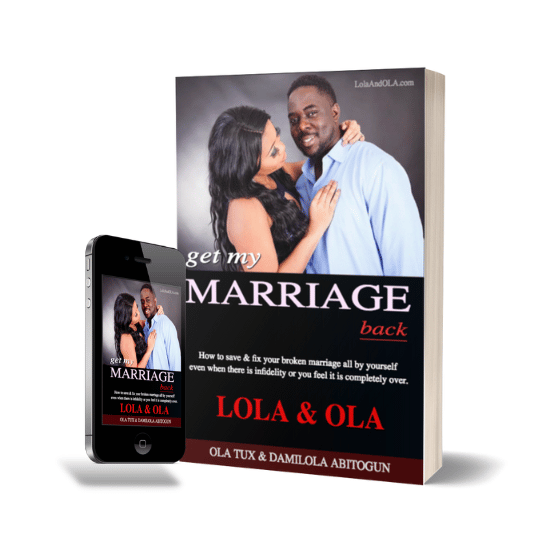
Get My Marriage Back book cover
I'd Rather Learn What to Do First

Start With Get My Marriage Back

Get the book and start learning the principles for moving your marriage in a better direction.

Get the Free Book โ†’

Signs of a Fake Apology After Infidelity: 9 Red Flags to Watch

Rebuilding trust after a betrayal is a delicate process, leaving many betrayed spouses constantly wondering: what are the true signs of a fake apology after infidelity?

https://www.youtube.com/watch?v=vs9pN2FaiRA

When a partner says โ€œIโ€™m sorryโ€ after an affair, it is easy to mistake a shallow, fear-driven script for genuine repentance.

However, accepting an insincere apology without checking for true remorse only sets your marriage up for further emotional damage.

This guide outlines the psychological differences between empty remorse and a real path to healing.

Below, we break down how to spot a fake apology, how to handle emotional distance, and how to safely rebuild your relationship foundation.

Why Learning the Signs of a Fake Apology After Infidelity Matters - signs of a fake apology after infidelity

Why Learning the Signs of a Fake Apology After Infidelity Matters

After an affair, most people focus on one question:

โ€œAre they really sorry?โ€

Unfortunately, many betrayed spouses evaluate apologies based on words instead of behavior.

That mistake can cost monthsโ€”or yearsโ€”of additional pain.

A convincing apology can temporarily soothe your emotions.

But lasting healing requires something deeper than words.

It requires accountability, consistency, transparency, and emotional maturity.

If your goal is rebuilding attraction, trust, and emotional safety in marriage, you must learn to distinguish genuine remorse from performance.

Because attraction cannot thrive where trust remains broken.

11 Signs Your Husband Doesnโ€™t Find You Attractive

Remorse vs. Repentance: The Difference Most Couples Miss

One of the biggest mistakes people make is confusing remorse with repentance.

Regret Is About Them

A spouse may regret:

  • Getting caught
  • Facing consequences
  • Losing respect
  • Damaging their reputation
  • Risking divorce

Regret focuses on their discomfort.

Genuine Remorse Is About You

A truly remorseful spouse focuses on:

  • The pain they caused
  • And The trust they destroyed
  • The confusion they created
  • Also The emotional safety they violated

They are not primarily concerned with escaping consequences.

They are concerned with helping you heal.

Repentance Goes Even Further

Repentance is remorse in action.

It is not simply saying, โ€œIโ€™m sorry.โ€

It is saying:

โ€œI understand what I did. I accept responsibility. And I will change the behaviors, boundaries, and patterns that created this outcome.โ€

This distinction is critical when evaluating the signs of genuine remorse after infidelity vs fake remorse.

9 Signs of a Fake Apology After Infidelity - signs of a fake apology after infidelity

9 Signs of a Fake Apology After Infidelity

1. They Say โ€œIโ€™m Sorry, Butโ€ฆโ€

This is perhaps the most obvious red flag.

Examples include:

  • โ€œIโ€™m sorry, but you were emotionally distant.โ€
  • Here is another one โ€œIโ€™m sorry, but we hadn’t been connecting.โ€
  • Or. โ€œIโ€™m sorry, but you weren’t meeting my needs.โ€

The moment โ€œbutโ€ enters the apology, responsibility begins leaving it.

Healthy explanations may eventually be part of marriage recovery.

But explanations are not apologies.

An apology accepts responsibility before discussing context.

2. They Minimize the Betrayal

Another common sign of fake remorse after cheating is minimizing what happened.

They may describe the affair as:

  • A mistake
  • Or A lapse in judgment
  • A bad decision
  • OR worse… An accident

But affairs are rarely one decision.

They are usually a series of decisions.

Minimization prevents accountability because it reduces the seriousness of the betrayal.

3. They Want Instant Forgiveness

A fake apology often comes with an invisible deadline.

You may hear:

  • โ€œHow long are we going to keep talking about this?โ€
  • โ€œI already apologized.โ€
  • โ€œYou need to move on.โ€
  • โ€œYou can’t keep punishing me forever.โ€

A sincere apology understands that trust and forgiveness operate on different timelines.

Respect, trust, and emotional safety are earned in the mid-to-long term.

Not demanded.

4. They Become Defensive When You Ask Questions

The betrayed spouse naturally seeks understanding.

A remorseful partner understands this.

A defensive partner often responds with:

  • Anger
  • Irritation
  • Stonewalling
  • Accusations

If they become frustrated every time you seek clarity, they are prioritizing their comfort over your healing.

5. They Want Credit for Bare-Minimum Effort

One apology.

An emotional conversation.

One good week.

Then they expect recognition.

Real trust rebuilding requires consistency.

Not occasional bursts of effort.

The strongest indicator of sincerity isn’t intensity.

It’s sustainability.

6. Their Actions Never Change

Words create hope.

Actions create trust.

If their behaviors remain unchanged, their apology remains incomplete.

Examples include:

  • Keeping inappropriate friendships
  • Maintaining secrecy
  • Refusing transparency
  • Ignoring relationship issues
  • Avoiding counseling or growth

The clearest answer to how to tell if an apology is fake after an affair is simple:

Watch what they do after they apologize.

7. They Turn Themselves Into the Victim

This often sounds like:

  • โ€œI guess I’m just a terrible person.โ€
  • โ€œNothing I do is ever enough.โ€
  • โ€œEveryone hates me now.โ€

Notice what happens.

The conversation shifts from your pain to their feelings.

Now you are comforting the person who hurt you.

That is not accountability.

That is emotional deflection.

8. They Apologize Repeatedly Without Progress

Surprisingly, endless apologies can become a warning sign.

If you’ve heard:

  • โ€œI’m sorry.โ€
  • And โ€œI’m sorry.โ€
  • Than โ€œI’m sorry.โ€

Dozens of times without meaningful behavioral change, the apology may be functioning as emotional management rather than relationship repair.

Real remorse produces movement.

Not repetition.

9. They Focus More on Saving the Marriage Than Becoming Trustworthy

This is subtle but important.

Some spouses become obsessed with saving the relationship while ignoring the personal growth required to deserve trust again.

Their focus becomes:

  • Keeping the marriage
  • Avoiding divorce
  • Restoring normalcy

Instead of:

  • Developing integrity
  • Building transparency
  • Improving emotional intelligence
  • Becoming emotionally safe

Saving the marriage is not the same thing as becoming trustworthy.

12 Signs of Genuine Remorse After Infidelity vs Fake Remorse

Let’s simplify the comparison.

Fake Remorse

  • Focuses on consequences
  • Deflects responsibility
  • Wants quick forgiveness
  • Resists difficult conversations
  • Uses words as the primary tool
  • Prioritizes comfort

Genuine Remorse

  • Focuses on your pain
  • Accepts full responsibility
  • Allows healing to take time
  • Welcomes difficult conversations
  • Demonstrates change through actions
  • Prioritizes repair

This distinction alone can save you from months of confusion.

Rules for Marriage: 12 Guardrails for a Healthy, Attractive Bond

The Danger of Forced Forgiveness

Many people rush forgiveness because uncertainty feels unbearable.

But forcing forgiveness does not create healing.

It creates suppression.

Your desire for certainty may tempt you to:

  • Ignore red flags
  • Accept weak apologies
  • Rush trust
  • Avoid conflict

Don’t.

One of the greatest emotional intelligence skills in marriage is learning to tolerate uncertainty long enough to observe reality.

Trust actions.

Not promises.

Trust consistency.

Not emotional speeches.

Trust patterns.

Not isolated moments.

Marriage Statistics, 9 Facts: Divorce Rates, Trends & What They Really Mean

signs of a fake apology after infidelity - Reclaiming Your Peace Instead of Becoming a Detective

Reclaiming Your Peace Instead of Becoming a Detective

After betrayal, many people become trapped in hyper-vigilance.

Checking phones.

Reading messages.

Analyzing every word.

Looking for hidden clues.

This response is understandable.

But eventually, healing requires a shift.

The goal is not becoming a better detective.

The goal is becoming a better observer.

Observe actions and consistency.

Observe effort and integrity.

The healthiest position is not obsessive monitoring.

It is calm evaluation.

When your life becomes grounded in purpose, self-awareness, gratitude, and emotional leadership, you stop chasing certainty and start recognizing truth.

Building Attraction While Rebuilding Trust

This may sound surprising, but attraction and accountability are deeply connected.

Attraction grows when people display:

  • Integrity
  • Confidence
  • Leadership
  • Emotional maturity
  • Consistency

Trust rebuilding isn’t just about avoiding another affair.

It’s about becoming a more attractive spouse emotionally, mentally, and relationally.

Many marriages collapse because of mismanaged pride and unrealistic expectations.

Recovery begins when both spouses become willing to lead themselves before trying to lead each other.

The spouse who cheated must develop accountability.

The betrayed spouse must develop discernment.

Both must cultivate emotional intelligence.

That is where sustainable attraction begins.

Check this out: My Wife Loves Me But Doesnโ€™t Desire Me | 5 Signs | 5 Tips

The Bottom Line

The biggest signs of a fake apology after infidelity are blame-shifting, minimizing the betrayal, demanding quick forgiveness, avoiding accountability, and refusing meaningful change.

A real apology does not simply say the right words.

It demonstrates the right behaviors repeatedly over time.

If you’re evaluating whether your spouse is truly remorseful, stop focusing exclusively on what they say.

Watch what they consistently do.

Because trust is not rebuilt through promises.

It is rebuilt through proof.

And when proof becomes consistent, healing becomes possible.

How to Make Your Wife Fall in Love With You Again After Separation

Frequently Asked Questions

How can you tell if someone is faking an apology?

A fake apology usually includes excuses, blame-shifting, minimizing the harm, or pressure for you to “move on” quickly. The clearest sign is when their behavior never changes, even though they keep saying they’re sorry.

What are the stages of emotions after being cheated on?

Most people experience a cycle of shock, denial, anger, sadness, confusion, and eventually either acceptance or reconciliation. These emotions rarely occur in a straight line and often resurface in waves as trust and reality are processed.

How does an innocent person act when accused of cheating?

An innocent person is typically more focused on clearing up the misunderstanding than attacking or manipulating the accuser. While they may feel hurt, frustrated, or defensive, they usually remain willing to answer questions and provide reasonable reassurance.

What does a manipulative apology look like?

A manipulative apology sounds like, “I’m sorry you feel that way,” or “I’m sorry, but you made me do it,” because it avoids full responsibility. It often shifts attention to the apologizer’s feelings, seeks sympathy, or pressures the other person to forgive without genuine accountability or change.

What are the biggest signs of a fake apology after infidelity?

The most common signs include blame-shifting, minimizing the affair, demanding quick forgiveness, becoming defensive, and failing to change behavior after apologizing.

How can you tell if remorse is genuine after cheating?

Genuine remorse focuses on the pain caused to the betrayed spouse, accepts full responsibility, welcomes questions, demonstrates transparency, and shows long-term behavioral change.

Why do people give fake apologies after an affair?

Many fake apologies are driven by fear of consequences, shame, discomfort, or a desire to quickly restore normalcy rather than a genuine commitment to repair the damage caused.

Check out this videos…

5 Signs of An Emotional Affair + 5 RECOVERY TIPS

Is Physical Attraction Overrated in Marriage? Hereโ€™s the Real Truth

Husband Doesn’t Find Me Attractive? Here’s What You Need to Understand First

Few thoughts cut deeper than believing your husband doesn’t find you attractive anymore.


Take This 2 Minutes Quiz

Question 1 of 15

It can make you question your appearance, your value, your desirability, and even the future of your marriage.

Every declined advance, every lack of affection, every distracted glance can feel like evidence that the attraction is gone.

But before you accept that conclusion, pause and ask a critical question:

How did you arrive there?

Did your husband explicitly tell you he no longer finds you attractive?

Or are you interpreting his behavior?

Is he avoiding intimacy? Spending less time with you? Constantly criticizing you? Acting more like a roommate than a romantic partner?

The answers matter because many women arrive at the painful conclusion that “my husband doesn’t find me attractive” without ever verifying whether attraction is actually the problem.

And even when attraction has declined, it’s rarely as simple as physical appearance.

In long-term relationships, attraction is often a reflection of emotional connection, friendship, respect, polarity, stress levels, unresolved resentment, and the overall health of the marriage.

The good news?

Attraction is far more dynamic than most people realize. In many marriages, it can be rebuilt.

Before Anything Else: Separate Facts From Assumptions

One of the biggest mistakes people make is treating assumptions as facts.

Maybe your husband hasn’t initiated sex in months.

Does he seem emotionally distant?

Maybe he appears uninterested.

Those experiences are real.

But they don’t automatically prove he no longer finds you attractive.

Many men withdraw physically because of:

  • Work stress
  • Financial pressure
  • Depression or anxiety
  • Low testosterone
  • Health issues
  • Pornography habits
  • Emotional resentment
  • Relationship burnout
  • Feeling unappreciated
  • Personal insecurities

Attraction problems and intimacy problems are not always the same thing.

Before trying to solve the issue, make sure you’re diagnosing the right problem.

The Hard Question: Why Does This Possibility Feel So Believable? husband doesn't find me attractive

The Hard Question: Why Does This Possibility Feel So Believable?

Let’s assume for a moment that your husband’s behavior genuinely suggests a loss of attraction.

There’s still another question worth exploring:

Why are you able to believe it so easily?

This isn’t about blaming yourself.

It’s about identifying where your confidence may have quietly eroded.

Because confidence has always been attractive.

A woman with healthy self-esteem doesn’t automatically collapse when someone questions her value.

She may feel hurt.

She may feel disappointed.

But she doesn’t instantly conclude she is undesirable.

Instead, she becomes curious.

She asks:

  • What’s actually happening here?
  • Is this about me?
  • Is this about him?
  • Is this about us?

The more dependent your self-worth becomes on your husband’s validation, the more devastating every sign of withdrawal becomes.

That’s why rebuilding attraction often starts by rebuilding something even more important:

Your relationship with yourself.

Attraction Is More Than Physical Appearance - husband doesn't find me attractive

Attraction Is More Than Physical Appearance

Most people think attraction is about looks.

That’s only part of the story.

In marriage, attraction is deeply connected to emotional experiences.

People become attractive when they create feelings of:

  • Connection
  • Safety
  • Respect
  • Excitement
  • Appreciation
  • Admiration
  • Mystery
  • Growth

When these elements disappear, attraction often fades regardless of physical appearance.

This explains why some couples remain passionately connected for decades while others struggle despite being physically attractive.

The issue is rarely just what someone sees.

It’s often what they feel when they’re with you.

3 Signs the Real Problem May Be Emotional Disconnection - husband doesn't find me attractive

3 Signs the Real Problem May Be Emotional Disconnection

If your husband seems less attracted to you, look beyond the bedroom.

Ask yourself:

Sign #1 – Has Friendship Declined?

One of the strongest predictors of attraction is friendship.

Many couples stop dating each other after marriage.

Conversations become logistical.

Fun disappears.

Playfulness dies.

The relationship becomes about responsibilities instead of connection.

When friendship weakens, attraction often follows.

Sign #2 – Has Resentment Been Building?

Unspoken resentment is one of the biggest attraction killers in marriage.

Resentment creates emotional distance.

Emotional distance creates physical distance.

Physical distance gets interpreted as a lack of attraction.

But the root problem is often unresolved emotional wounds.

Sign #3 – Have You Become Teammates But Not Lovers?

Many couples become excellent co-parents and household managers.

But they stop being romantic partners.

They discuss bills.

And coordinate schedules…

They solve problems.

Yet they rarely flirt, tease, touch, or create romantic tension.

Attraction cannot thrive in an environment where romance has been completely replaced by routine.

The Hidden Attraction Killers Most Couples Ignore

Many marriages slowly drift into patterns that unintentionally destroy attraction.

These behaviors often matter more than appearance.

Neediness and Emotional Suffocation

Constant reassurance-seeking creates pressure.

When every interaction becomes a search for validation, attraction often decreases.

Confidence attracts.

Neediness repels.

Constant Criticism

Few things destroy desire faster than feeling judged.

If interactions are filled with criticism, blame, or fault-finding, emotional safety disappears.

And attraction rarely survives where emotional safety is absent.

Losing Individual Identity

One of the paradoxes of attraction is that healthy relationships require two complete individuals.

When someone completely loses their hobbies, passions, friendships, goals, and personal growth, they often become less interesting to their partner.

Growth creates energy.

Stagnation creates boredom.

Rebuild Yourself Before Trying to Rebuild Attraction

This may sound counterintuitive.

But chasing your husband’s attraction is usually the fastest way to lose more of it.

Instead, focus on becoming someone you genuinely admire.

Ask yourself:

  • Am I physically taking care of myself?
  • Am I emotionally healthy?
  • Am I growing?
  • Am I pursuing meaningful goals?
  • Am I living with purpose?
  • Am I proud of the woman I see in the mirror?

These questions aren’t about becoming attractive for him.

They’re about becoming attractive to yourself first.

Ironically, that often creates the very shift you’re hoping for.

How to Talk to Your Husband Without Creating Defensiveness

Many attraction conversations fail because they begin with accusations.

Avoid statements like:

  • “You don’t find me attractive anymore.”
  • “You never want me.”
  • “What’s wrong with you?”

Instead, focus on your experience.

Try:

“I’ve been feeling disconnected from you lately, and it’s been hurting me. I’d love to understand what’s been going on from your perspective.”

This creates curiosity instead of conflict.

The goal is not to win an argument.

The goal is to uncover the truth.

Focus on the Four Areas That Most Influence Attraction

When attraction fades, examine these four leverage points:

1. Friendship

Do you still enjoy each other?

Can you laugh together?

Can you spend time together without discussing responsibilities?

2. Sex and Physical Intimacy

Not just intercourse.

Touch.

Affection.

Flirting.

Playfulness.

Physical closeness.

3. Expectations

Many marriages collapse under unrealistic expectations.

People silently expect their spouse to meet every emotional need.

When reality fails to match expectations, resentment grows.

4. Pride and Ego

Pride prevents honest conversations.

Mismanaged pride prevents apologies.

Pride prevents vulnerability.

Many marriages don’t fail because of a lack of love.

They fail because neither person wants to lower their guard.

How to Save Your Marriage Alone and Rebuild Attraction

Can Attraction Come Back?

Absolutely.

In fact, attraction often returns when couples stop obsessing over attraction itself.

The strongest marriages focus on:

  • Emotional connection
  • Friendship
  • Respect
  • Personal growth
  • Shared experiences
  • Playfulness
  • Healthy communication

Attraction becomes the natural byproduct.

Think of attraction like a fire.

Most people try to force the flames.

The wiser approach is rebuilding the conditions that allow the fire to burn.

Final Thoughts: Don’t Make Your Husband the Judge of Your Worth

If you truly believe your husband doesn’t find you attractive, take the concern seriously.

But don’t make the mistake of turning his opinion into the final verdict on your value.

Your worth existed before your marriage.

It exists during your marriage.

And it will exist regardless of anyone’s approval.

The healthiest path forward is not obsessing over whether your husband finds you attractive.

It’s becoming the strongest, most confident, emotionally intelligent version of yourself.

Because when self-respect grows, everything becomes easier to see clearly.

You’ll communicate better.

And set healthier boundaries.

You’ll stop chasing validation.

And you’ll create the conditions where attraction has the greatest chance of returning naturally.

Check this out: How to make your husband want you all the time

Frequently Asked Questions

Can a marriage survive a lack of attraction?

Yes, a marriage can survive periods of reduced attraction, especially when friendship, respect, trust, and commitment remain intact. In many cases, attraction returns when couples address the underlying issues causing emotional disconnection, resentment, stress, or complacency.

Why does my partner find me unattractive?

Attraction is rarely just about physical appearance; it is often influenced by emotional distance, unresolved conflict, stress, resentment, unhealthy relationship dynamics, or personal struggles your partner may be experiencing. Before assuming they find you unattractive, it’s important to have an honest conversation and understand what is actually driving the disconnect.

What are signs of a sexless marriage?

Common signs include little to no sexual intimacy for extended periods, avoidance of physical affection, reduced flirting, emotional distance, and a growing roommate-like dynamic. While definitions vary, many experts consider a marriage “sexless” when a couple has sex fewer than 10 times per year.

How long does the average sexless marriage last?

There is no reliable average because some sexless marriages end quickly while others continue for decades, depending on the couple’s level of satisfaction and commitment. The more important factor is not the duration itself, but whether both partners are willing to address the causes of the lack of intimacy before resentment becomes deeply rooted.

Disrespectful Wife What to Do: Rebuild Respect Without Losing Yourself

Do you have a “disrespectful wife” and trying to figure out what to do?”

That has to be emotionally draining.

When criticism, dismissiveness, sarcasm, or contempt become part of your daily experience, it’s easy to feel frustrated, rejected, and powerless.

Most husbands respond in one of three ways: they argue harder, withdraw emotionally, or desperately try to convince their wife to respect them.

Unfortunately, none of those approaches create genuine respect.

The truth is that respect cannot be demanded.

It can only be inspired, reinforced, and sustained through healthy relationship dynamics.

If your wife has become disrespectful, the goal isn’t to “win” arguments or force compliance.

The goal is to understand what’s driving the behavior, establish healthy boundaries, strengthen your self-respect, and create the conditions where attraction and respect can naturally grow again.

This guide will show you exactly how to navigate that process with emotional intelligence, confidence, and maturity.

disrespectful wife what to do - Before Anything Else: Accept Full Ownership

Before Anything Else: Accept Full Ownership

One of the hardest truths about marriage is this:

The disrespectful wife you’re dealing with today is still the same woman you chose to marry.

That doesn’t mean you’re responsible for her behavior.

It does mean you’re responsible for how you respond to it.

Many husbands become so focused on changing their wives that they completely overlook their own role in maintaining unhealthy patterns.

Ask yourself:

  • Have I been tolerating behavior I shouldn’t tolerate?
  • Did I lose confidence and self-respect?
  • Have I become emotionally reactive?
  • Did I abandoned my own goals, purpose, or personal growth?
  • And Have I enabled unhealthy dynamics through fear of conflict?

Ownership is empowering because it shifts your attention from what you cannot control to what you can.

And that’s where change begins.

The Respect Paradox: Why You Cannot Demand What You Must Attract - disrespectful wife what to do

The Respect Paradox: Why You Cannot Demand What You Must Attract

When your wife treats you like a roommate she disdains rather than a partner she desires, you cannot demand, beg, or negotiate her back into respect.

A woman who does not respect you cannot be fully attracted to you in that moment… and cannot love you.

But before focusing entirely on her behavior, examine the relationship dynamic honestly.

Have your own actions contributed to the erosion of respect?

Perhaps you’ve become passive.

Maybe you’ve been engaging in endless arguments.

Perhaps you’ve lost touch with your own mission, goals, and self-confidence.

When a husband abandons personal leadership and becomes consumed by managing his wife’s emotions, attraction often declines.

A man who understands relationship dynamics doesn’t spend all day trying to control another person’s behavior.

Instead, he invests heavily in:

  • His physical health
  • Emotional maturity
  • His purpose and ambitions
  • Friendships
  • His personal standards
  • And his self-respect

When you quietly strengthen yourself while maintaining firm boundaries, you change the entire emotional atmosphere of the marriage.

Ironically, respect often begins returning when you stop chasing it.

Check this out: My Wife Loves Me But Doesnโ€™t Desire Me | 5 Signs | 5 Tips

disrespectful wife what to do - 6 Common Signs of a Disrespectful Wife

6 Common Signs of a Disrespectful Wife

Before solving the problem, it’s important to recognize what disrespect actually looks like.

Sign #1 – Constant Criticism

Nothing you do seems good enough.

Every effort is met with complaints, correction, or negativity.

Sign #2 – Public Embarrassment

She mocks, belittles, or undermines you in front of friends, family, or children.

Sign #3 – Dismissive Communication

Eye-rolling, sarcasm, interrupting, or treating your opinions as irrelevant.

Sign #4 – The Silent Treatment

Instead of healthy communication, she uses emotional withdrawal as punishment.

Sign #5 – Lack of Support

She refuses to defend you, acknowledge your efforts, or stand with you during challenges.

Sign #6 – Contempt

This is often the most dangerous sign.

Contempt includes ridicule, mockery, disgust, and treating you as if you’re beneath her.

While these behaviors are unacceptable, remember that they are often symptoms of deeper relationship issues rather than the actual problem itself.


How to Deal With a Disrespectful Wife

The solution is rarely found in forcing her to change.

It’s found in changing the dynamic.

1. Stop Reacting Emotionally

Nothing fuels disrespect more than predictable emotional reactions.

When every criticism triggers an argument, every insult sparks a fight, and every disagreement turns into a battle, the marriage becomes trapped in a toxic cycle.

Instead:

  • Stay calm
  • Refuse to escalate
  • Speak deliberately
  • Remove yourself from hostile conversations

Emotional control demonstrates strength far more effectively than emotional outbursts.


2. Establish Firm Boundaries

Boundaries are not threats.

Boundaries are standards.

For example:

“I’m willing to discuss this, but I’m not willing to be yelled at.”

Or:

“Let’s continue this conversation when we’re both calm.”

A healthy boundary identifies unacceptable behavior and calmly outlines your response.

You don’t need to punish.

You simply refuse participation in unhealthy interactions.


3. Focus on Self-Respect First

This is where many husbands struggle.

They become obsessed with restoring respect from their wives while neglecting respect for themselves.

Self-respect looks like:

  • Taking care of your health
  • Building financial stability
  • Maintaining strong friendships
  • Pursuing meaningful goals
  • Refusing to tolerate abuse
  • Living according to your values

People generally change when enough pain, pleasure, or relief is involved.

When you stop enabling unhealthy behavior, the relationship dynamic often shifts.


4. Give the Relationship Breathing Room

Many struggling marriages suffer from overexposure.

Too much tension.
Constantly arguing.
Too much emotional pressure.

Space is not abandonment.

Space allows emotions to settle and attraction to breathe.

Sometimes the constant pursuit of reassurance actually pushes a spouse further away.

Healthy distance can create the opportunity for appreciation to return.

As the old saying goes:

Absence… or is it distance, makes the heart grow fonder.


5. Rebuild Friendship Before Romance

Many husbands want to immediately restore passion.

But attraction rarely returns before friendship.

Focus on:

  • Pleasant interactions
  • Shared experiences
  • Emotional safety
  • Positive communication
  • Enjoying each other’s company

Friendship creates the foundation upon which attraction can be rebuilt.

Trying to force romance before repairing friendship often backfires.


Dealing With a Disrespectful Wife When You’re Separated

Separation creates unique challenges.

Many husbands become desperate during this period and start:

  • Excessive texting
  • Constant pleading
  • Emotional pressure
  • Monitoring social media
  • Trying to force reconciliation

These behaviors usually decrease attraction.

Instead:

Focus on Becoming Your Best Self

Use separation as an opportunity to:

  • Improve your health
  • Advance your career
  • Heal emotionally
  • Develop confidence
  • Expand your social life

Your goal is not manipulation.

Your goal is genuine personal growth.

Ironically, personal growth is often the most attractive thing you can do.


Why Respect and Attraction Are Connected

Many people separate respect and attraction.

In reality, they’re deeply intertwined.

Respect creates admiration.

Admiration creates attraction.

Attraction strengthens emotional connection.

Emotional connection reinforces respect.

When one declines, the others often follow.

That’s why solving disrespect requires more than communication techniques.

It requires becoming someone who naturally inspires respect through character, confidence, and consistency.


Have You Been Sending Messages to a Disrespectful Wife? What Matters More Than Words

A message alone rarely changes behavior.

Your actions matter more.

The most powerful message is often communicated through:

  • Confidence
  • Emotional stability
  • Self-respect
  • Consistent boundaries
  • Personal growth

People listen more carefully to behavior than they do to speeches.


When Professional Help May Be Necessary

If disrespect has evolved into:

  • Emotional abuse
  • Chronic contempt
  • Repeated infidelity
  • Manipulation
  • Persistent hostility

Professional support may be necessary.

A qualified marriage expert can help identify hidden patterns and create healthier ways to communicate.

Seeking help is not weakness.

It’s often a sign of wisdom and commitment.

Check this out: Disrespectful Wife Signs: Hereโ€™s Whatโ€™s Really Going On

So, If you’re dealing with a disrespectful wife, here is what to do, remember this:

The path forward is not through control, criticism, or confrontation.

It’s through self-respect, emotional intelligence, healthy boundaries, and personal leadership.

You cannot force another person to respect you.

But you can become the kind of person who respects himself deeply enough that disrespect no longer dictates his emotions, decisions, or sense of worth.

When that transformation happens, the entire marriage dynamic often begins to change.


Frequently Asked Questions

What are the primary signs of a disrespectful wife that require immediate boundaries?

Clear red flags include consistent criticism of your choices, open eye-rolling during conversations, using one-word answers to dismiss your presence, and treating your baseline inputs with blatant contempt.

What if my wife refuses to respect my boundaries?

Boundaries are not about controlling another person; they are about controlling your own participation in unhealthy interactions and consistently enforcing your standards.

Can attraction return after years of disrespect?

Yes. Many marriages recover when both spouses address underlying issues, improve communication, and recommit to becoming healthier versions of themselves.

What are signs of a disrespectful wife?

Signs of a disrespectful wife may include constant criticism, dismissing your opinions, sarcasm, contempt, or treating you differently than she treats others. While occasional conflict is normal, a consistent pattern of belittling, eye-rolling, or undermining behavior usually signals deeper relationship issues.

What if your wife doesn’t respect you?

If your wife doesn’t respect you, focus first on strengthening your self-respect, emotional stability, and personal boundaries rather than trying to force her to change. Respect is often rebuilt when both partners address underlying issues and improve the overall relationship dynamic.

How do you deal with a very toxic wife?

Dealing with a toxic wife requires setting firm boundaries, refusing to engage in unhealthy conflict cycles, and protecting your emotional well-being. It’s also important to identify whether the behavior stems from unresolved relationship problems or rises to the level of emotional abuse that may require professional support.

What are the four behaviors that cause 90% of all divorces?

According to relationship researcher John Gottman, the four behaviors most associated with divorce are criticism, contempt, defensiveness, and stonewalling. These destructive communication patterns erode trust, emotional safety, and connection when they become habitual in a marriage.

What Does Emotional Neglect Do to a Wife? The Silent Killer of Marriage

Emotional neglect is one of the most destructive forces a marriage can face because it rarely announces itself with drama.

There are no explosive arguments, public betrayals, or obvious scandals. Instead, it works in silence.

what does emotional neglect do to a wife

If you’re wondering what does emotional neglect do to a wife, the answer is simple but devastating: it slowly convinces her that she is alone, even while sitting next to the person she married.

This invisible wound is often an act of omission.

It’s not necessarily about what a husband does wrong but often about what never happens at all.

It’s the conversation that never takes place.

The comfort that is never offered.

The curiosity that never shows up.

The emotional connection that slowly fades until the relationship becomes little more than a shared address.

And because emotional neglect often isn’t intentional, many husbands don’t recognize the danger until the damage is already severe.

what does emotional neglect do to a wife - The Silent Sniper That Destroys Marriages

The Silent Sniper That Destroys Marriages

Think of emotional neglect as a slow sniper.

It doesn’t attack all at once.

It takes aim quietly and patiently.

Month after month, year after year, it chips away at trust, intimacy, attraction, and emotional safety.

Many husbands believe their marriage is secure because they are good people.

They don’t cheat.

No yelling.

They don’t gamble.

They provide financially and stay faithful.

Those things matter.

But being a decent man is not the same as being emotionally connected.

A marriage can still suffer when a wife consistently feels unseen, unheard, or emotionally alone.

The danger is that emotional neglect creates a crack in the wall of the relationship.

Once that crack appears, resentment, disappointment, loneliness, and detachment find their way in.

Over time, those forces begin devouring the foundation of the marriage from the inside out.

What Is Emotional Neglect in a Marriage?

Emotional neglect occurs when one spouse consistently fails to acknowledge, validate, or respond to the emotional needs of the other.

This doesn’t always involve cruelty.

In fact, emotional neglect often happens between two good people.

Common examples include:

  • Ignoring emotional concerns
  • Dismissing feelings as “overreacting”
  • Rarely asking meaningful questions
  • Offering solutions instead of empathy
  • Avoiding vulnerable conversations
  • Failing to provide comfort during difficult times
  • Being physically present but emotionally unavailable

A wife may not necessarily need her husband to fix every problem.

What she often wants is to feel understood.

When understanding is absent long enough, the relationship begins to suffer.

what does emotional neglect do to a wife - What Does Emotional Neglect Do to a Wife?

What Does Emotional Neglect Do to a Wife?

The effects extend far beyond temporary frustration.

Emotional neglect impacts a wife’s identity, emotional well-being, physical health, and even her attraction toward her husband.

1. It Erodes Her Self-Worth

One of the most painful consequences of emotional neglect is the gradual erosion of self-esteem.

When a wife’s emotions are repeatedly ignored, minimized, or dismissed, she begins questioning her own reality.

She may start telling herself:

  • “Maybe I’m asking for too much.”
  • “Maybe my feelings don’t matter.”
  • “Maybe I’m the problem.”

Over time, her inner dialogue becomes increasingly negative.

Instead of feeling valued, she feels like a burden.

Instead of feeling cherished, she feels tolerated.

No marriage thrives when one partner feels emotionally insignificant.

2. It Creates Profound Loneliness

Many neglected wives describe a unique kind of loneliness.

It’s not the loneliness of being physically alone.

It’s the loneliness of being emotionally abandoned while sharing life with someone.

This is why many women say they feel “lonelier married than single.“

Human beings are biologically wired for emotional attachment.

When a spouse becomes unavailable emotionally, the nervous system interprets that absence as a threat.

The result is chronic emotional distress that can become overwhelming over time.

3. It Triggers Stress and Physical Symptoms

Emotional neglect isn’t just psychological.

It affects the body as well.

A wife’s nervous system seeks safety, connection, and reassurance from her primary attachment figure.

When those needs remain unmet, the body can stay stuck in a prolonged state of stress.

Common symptoms include:

  • Insomnia
  • Chronic fatigue
  • Anxiety
  • Digestive issues
  • Increased irritability
  • Difficulty concentrating
  • Frequent feelings of overwhelm

What appears to be “stress” on the surface may actually be the body’s response to prolonged emotional disconnection.

4. It Forces Her Into Emotional Burnout

Many wives become the sole caretakers of the relationship’s emotional health.

They initiate conversations.

Date nights.

They bring up concerns.

And they attempt to reconnect.

They try to keep intimacy alive.

When these efforts aren’t reciprocated, emotional exhaustion follows.

A wife should not have to beg for empathy.

Nor should she carry the entire responsibility for maintaining connection.

Eventually, the constant emotional labor becomes unsustainable.

Burnout takes over.

5. It Damages Attraction

Attraction is often misunderstood.

Many people assume attraction is purely physical.

In long-term marriage, emotional connection plays a massive role in sustaining desire.

When a wife consistently feels emotionally neglected, attraction often declines naturally.

Why?

Because emotional safety fuels intimacy.

Being understood creates closeness.

Feeling cherished creates desire.

Feeling ignored creates distance.

The strongest marriages understand that emotional connection isn’t separate from attractionโ€”it is one of attraction’s primary engines.

Check out this video…

The Walkaway Wife Syndrome

One of the most misunderstood consequences of emotional neglect is what many experts call the “walkaway wife syndrome.“

For years, a wife communicates her needs.

She asks for more connection.

And she raises concerns.

She also expresses hurt.

She attempts to repair.

Then one day she stops.

To many husbands, this feels like improvement.

The complaints disappear.

The arguments decrease.

Things seem calmer.

In reality, something far more dangerous may be happening.

She’s no longer fighting for the relationship.

She’s emotionally detached.

Internally, she may have reached a private point of no return.

By the time she physically leaves, she emotionally left months or even years earlier.

Why Emotional Neglect Often Goes Unnoticed

Unlike obvious forms of relationship dysfunction, emotional neglect hides in plain sight.

There is often no villain.

No dramatic incident.

No single moment to point toward.

That’s why awareness matters.

Many husbands unintentionally neglect their wives because they assume the absence of bad behavior automatically equals the presence of a healthy relationship.

It doesn’t.

A marriage requires more than avoiding harm.

It requires actively creating connection.

How to Rebuild Connection Before It’s Too Late

The good news is that emotional neglect can be reversed.

The key is intentional emotional leadership.

Become Curious Again

Ask meaningful questions.

Don’t settle for “How was your day?“

Ask:

  • What’s been weighing on you lately?
  • What have you been excited about recently?
  • How are you feeling about us?

Curiosity creates connection.

Validate Before Solving

Many husbands rush to solutions.

Most wives first want understanding.

Try:

“I can see why that hurt.”

“That makes sense.”

“Tell me more.”

Validation builds emotional safety.

Create Consistent Emotional Check-Ins

Don’t wait for problems.

Regularly discuss:

  • Emotional connection
  • Relationship satisfaction
  • Stress levels
  • Intimacy
  • Attraction

Proactive conversations prevent silent drift.

Prioritize Emotional Presence

Sometimes the most attractive thing a husband can offer is his full attention.

Put away distractions.

Listen actively and deeply.

Respond thoughtfully.

Presence communicates value.

Stay Sensitive to Connection Levels

The healthiest husbands don’t assume everything is fine.

They remain aware of emotional distance before it becomes emotional abandonment.

And they check in.

They notice changes.

And they act early.

This awareness protects the relationship from becoming vulnerable to resentment and detachment.

what does emotional neglect do to a wife - Stay Sensitive to Connection Levels

So, what does emotional neglect do to a wife?

It slowly strips away her emotional safety.

And damages self-worth.

It creates profound loneliness.

And fuels stress and burnout.

Also, it weakens attraction.

And if left unchecked, it can quietly push a marriage toward permanent disconnection.

The tragedy is that emotional neglect is often unintentional.

The opportunity is that it is also preventable.

A thriving marriage isn’t built solely by avoiding major mistakes.

It’s built through consistent emotional attunement, genuine curiosity, and a commitment to helping your wife feel seen, heard, desired, and deeply valued.

The husbands who master those skills don’t simply preserve their marriages.

They create relationships where connection and attraction continue to grow year after year.

Check this out: 5 Subtle Signs Your Separated Wife Wants to Reconcile

Frequently Asked Questions

What does emotional neglect do to a woman?

Chronic emotional neglect can damage a woman’s self-esteem, emotional security, and overall well-being. Over time, she may feel invisible, unimportant, isolated, and emotionally disconnected from her partner.

What is considered emotional neglect in a marriage?

Emotional neglect is the consistent failure to acknowledge, validate, or respond to a spouse’s emotional needs and bids for connection. It often appears as emotional unavailability, dismissiveness, or lack of engagement.

Can a marriage recover from emotional neglect?

Yes. Many marriages recover when both spouses eventually recognize the problem and intentionally rebuild emotional connection through empathy, communication, validation, and consistent emotional presence. The cycle can be broken by just one partner. Don’t wait.

Is emotional neglect a form of abuse?

While emotional neglect differs from active emotional abuse, it can still cause serious emotional harm. Long-term neglect often leaves deep psychological wounds and can significantly impact relationship satisfaction.

What are examples of emotional neglect in marriage?

Examples include ignoring emotional concerns, failing to provide comfort, avoiding meaningful conversations, dismissing feelings, showing little curiosity about a spouse’s inner world, and consistently prioritizing other things over connection.

What is the #1 thing that destroys marriages?

While many factors contribute to divorce, the gradual erosion of emotional connection is one of the most common. When connection disappears, resentment, indifference, and emotional distance often take its place.

How does emotional neglect affect attraction?

Emotional neglect reduces emotional safety and intimacy, both of which are critical ingredients for lasting attraction. When a wife feels unseen or unheard, emotional and physical closeness often decline together.


What Would Help You Most Right Now?

Choose the option that best matches where you are with your marriage.

I Need Personalized Help

My Marriage Is in Serious Trouble

If you're dealing with separation, divorce, loss of attraction, infidelity, intimacy problems, or a spouse who's pulling away, get help looking at what's happening in your specific situation.

Get Personalized Help โ†’
Get My Marriage Back book cover
I'd Rather Learn What to Do First

Start With Get My Marriage Back

Get the book and start learning the principles for moving your marriage in a better direction.

Get the Free Book โ†’