

There is a special kind of heartbreak that comes from sharing a home with someone and still feeling completely alone.
You wake up beside them every morning.
You eat dinner at the same table.
You go through the motions of life together.
Yet something feels missing.
The connection is gone.
The warmth is gone.
What Would Help You Most Right Now?
Choose the option that best matches where you are with your marriage.
My Marriage Is in Serious Trouble
If you're dealing with separation, divorce, loss of attraction, infidelity, intimacy problems, or a spouse who's pulling away, get help looking at what's happening in your specific situation.
Get Personalized Help →
Start With Get My Marriage Back
Get the book and start learning the principles for moving your marriage in a better direction.
Get the Free Book →The hope is fading.
And late at night, after another disappointing day, you find yourself typing the same question into Google:
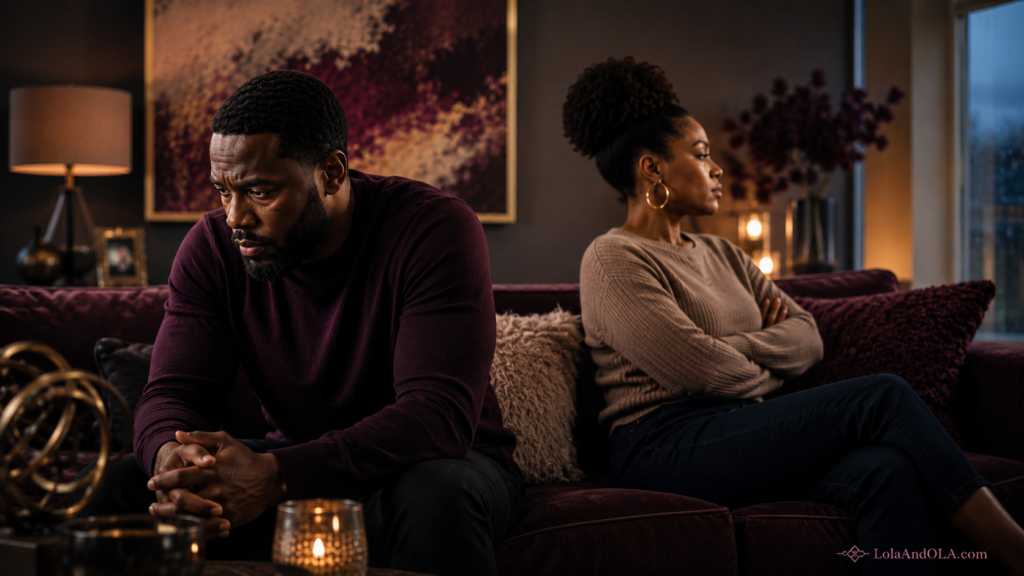
How do you tell when your marriage is over?
Most people asking this question aren’t looking for permission to leave.
They’re looking for clarity.
They’re trying to figure out whether they’re experiencing a difficult season or whether the marriage they once loved is slowly dying.
The truth is that marriages rarely end overnight.
They usually unravel through a series of painful patterns that grow worse over time.
If several of the signs below describe your relationship, it may be time to honestly evaluate whether your marriage is struggling—or whether it has already emotionally ended.
1. You’re No Longer On The Same Team
One of the strongest signs a marriage is in trouble is when the feeling of partnership disappears.
Healthy couples face problems together.
They may disagree, but they still feel like they’re standing on the same side.
What Would Help You Most Right Now?
Choose the option that best matches where you are with your marriage.
My Marriage Is in Serious Trouble
If you're dealing with separation, divorce, loss of attraction, infidelity, intimacy problems, or a spouse who's pulling away, get help looking at what's happening in your specific situation.
Get Personalized Help →
Start With Get My Marriage Back
Get the book and start learning the principles for moving your marriage in a better direction.
Get the Free Book →When a marriage begins falling apart, that united front vanishes.
Psychologically, this often happens when trust has been damaged repeatedly.
After enough disappointments, broken promises, criticism, or unresolved conflicts, the brain starts focusing on self-protection rather than teamwork.
Instead of asking, “What’s best for us?” both spouses start asking, “How do I protect myself?“
You notice it in everyday moments.
Your spouse makes a decision without consulting you.
You share a concern and immediately feel dismissed.
You tell your partner about a difficult day and receive criticism instead of comfort.
Even parenting becomes a struggle because neither person feels supported by the other.
Over time, you stop feeling like husband and wife.
You start feeling like two people living separate lives under the same roof.
That loneliness can be devastating because the one person who was supposed to have your back no longer feels like a safe place to land.

2. Every Conversation Feels Like A Minefield
There was a time when talking to your spouse felt easy.
Now even the smallest conversation feels dangerous.
You carefully choose your words because you’re afraid of starting another argument.
You rehearse conversations in your head before speaking.
Sometimes you decide not to bring things up at all because the conflict doesn’t seem worth it.
This often develops after years of unresolved hurt.
Psychologists refer to this as a negative relationship filter.
Once resentment becomes deeply rooted, both spouses begin interpreting neutral comments as attacks.
Questions sound like accusations.
Requests sound like criticism.
Concerns sound like complaints.
Imagine asking your spouse what time they’ll be home.
Instead of answering, they become defensive.
Or maybe you ask for help around the house and somehow end up discussing every mistake you’ve made during the past five years.
The issue is no longer the conversation itself.
The issue is that emotional safety has disappeared.
Eventually, many couples stop talking about meaningful things altogether because every discussion feels exhausting.
The silence that follows can be just as painful as the arguments.

3. Someone Has Already Left Emotionally
One of the most heartbreaking signs your marriage is over is when one spouse emotionally checks out.
At first, they may have fought for the relationship.
They may have pleaded for change.
They may have expressed their frustrations repeatedly.
But after enough disappointment, many people simply stop trying.
Psychologically, this is often the result of emotional exhaustion.
When someone feels unheard for too long, hopelessness begins replacing effort.
The danger is that emotional withdrawal is often mistaken for peace.
The arguments stop.
The tension seems lower.
Things appear calmer.
But underneath the surface, something far more dangerous is happening.
The person has stopped believing the marriage can improve.
You may hear phrases like:
“I’m tired.”
“I don’t care anymore.”
“Do whatever you want.”
“What’s the point?”
Those words carry a different kind of pain.
Anger still contains emotion.
Frustration still contains investment.
Indifference often means the emotional bond is already breaking.
When your spouse no longer fights for the relationship, it can feel like you’re grieving someone who is still sitting right beside you.
4. The Marriage Has Stopped Moving Forward
Every healthy marriage requires growth.
Two imperfect people are constantly learning, adapting, apologizing, and improving.
When that process stops, the relationship begins to stagnate.
One spouse may stop working on themselves.
Both spouses may stop addressing problems.
The same conflicts repeat year after year without resolution.
Psychologically, people stop growing when they lose hope that their efforts matter.
Why change if nothing improves?
Why communicate if nobody listens?
Why work harder if the relationship feels dead already?
The result is a marriage that feels stuck in place.
The same disappointments happen over and over.
The same arguments replay like a movie you’ve seen a hundred times.
Nothing changes because neither person believes change is possible.
This creates a painful sense of helplessness.
You start looking at the future and realizing it looks exactly like the present.
For many couples, that realization is terrifying.
5. Physical Intimacy Has Completely Disappeared
A temporary dry season is normal in marriage.
Stress, children, health issues, work demands, and life transitions can all affect intimacy.
But when physical intimacy disappears for three months or longer without a clear reason, it often signals a deeper emotional problem.
Intimacy is more than sex.
It’s affection.
It’s touch.
It’s closeness.
It’s feeling wanted by your spouse.
Emotional distance often shows up physically long before couples realize what’s happening.
Resentment weakens attraction.
Unresolved conflict reduces desire.
Loss of respect destroys connection.
You stop holding hands.
The hugs become less frequent.
The kisses become routine or disappear entirely.
Eventually, physical distance becomes the new normal.
Few things hurt more than feeling rejected by the person you chose to spend your life with.
The loneliness of a sexless marriage is difficult to describe unless you’ve lived through it.
You begin wondering whether your spouse still desires you.
Whether they still love you.
Whether they still see a future with you at all.
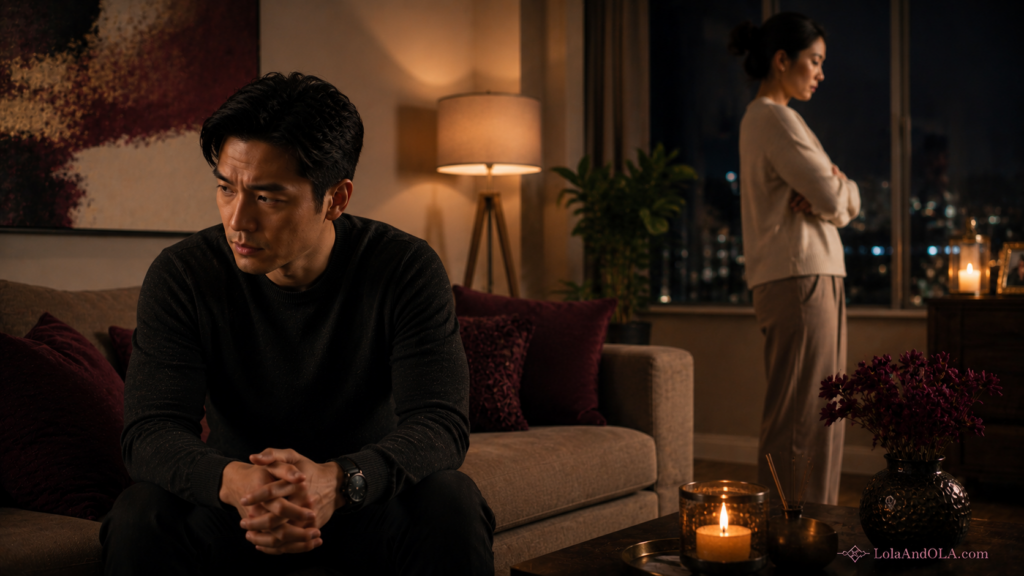
The Silent Killers: Indifference And The Loss Of Respect
Many people believe constant fighting means a marriage is over.
In reality, indifference is often much more dangerous.
Arguments usually mean both people still care enough to engage.
Indifference means someone has stopped emotionally investing.
The same is true of respect.
When mutual respect disappears, nearly every other area of marriage begins suffering.
Communication becomes harder.
Intimacy declines.
Trust weakens.
Conflict increases.
Emotional safety disappears.
Many marriages don’t die because of one major betrayal.
They die because of thousands of small moments where one or both spouses stop valuing, honoring, and respecting each other.
If you’re asking yourself, how to tell when your marriage is over, one of the most important questions to ask is whether respect still exists in the relationship.
Because when respect disappears, everything else usually follows.
If you’ve noticed growing emotional distance, constant conflict, criticism, or a spouse who seems checked out, read 3 Signs Your Wife or Husband Lost Respect for You (And How to Get It Back) to understand one of the biggest hidden causes of marital breakdown and what you can do before it’s too late:
Frequently Asked Questions
The first signs often include emotional distance, frequent misunderstandings, declining affection, and feeling more like roommates than romantic partners.
Common signs include chronic conflict, loss of respect, emotional disengagement, lack of intimacy, and one or both spouses giving up on solving problems.
If both spouses are still willing to communicate, take responsibility, and work toward change, there is often hope for rebuilding the relationship.
A marriage may be beyond repair when there is complete emotional detachment, persistent contempt, ongoing abuse, or an unwillingness to address serious issues.
Yes, many marriages recover when both spouses intentionally rebuild trust, communication, respect, and emotional intimacy.
No, but prolonged lack of intimacy often signals deeper emotional or relational problems that need immediate attention.