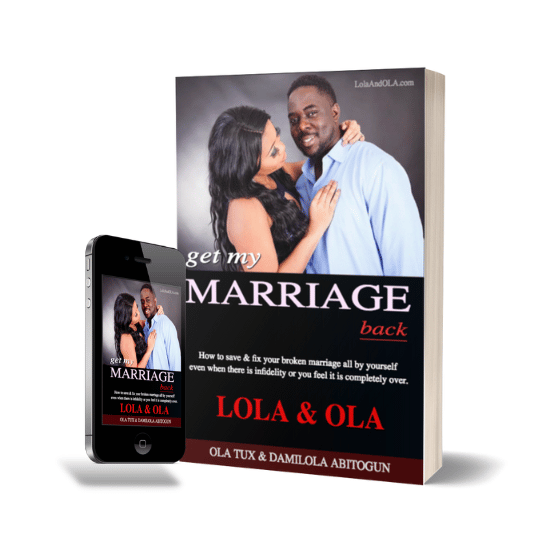
Broken Marriage?
Fix it
Here FREE

Get My Marriage Back


9 Signs Your Marriage Can Still Be Savedโ€”and What to Do Next

Looking for the signs your marriage can still be saved is often the last thing you do before giving up.

You may be exhausted from arguing, confused by your spouseโ€™s emotional distance, or terrified that one bad season has permanently destroyed the relationship. Perhaps trust has been damaged, affection has disappeared, or every conversation seems to become another fight.

You want an honest answer: Is there still hope, or are you fighting for something that is already gone?

The truth is that hope does not come from one romantic gesture, a temporary mood change, or your spouse saying the perfect words. A marriage becomes salvageable when emotional connection still exists, the underlying foundation remains intact, and at least one person is willing to stop feeding the destructive cycle.

That does not mean one spouse can single-handedly create a healthy marriage. Mutual participation is ultimately necessary. But one grounded person can often interrupt the patterns that keep both partners defensive, resentful, and disconnected.

Before you decide the marriage is over, look for these nine meaningful signsโ€”and be prepared to respond to them with emotional intelligence rather than panic.

Beyond Hope: Saving a Marriage Requires More Than Positive Signs

Beyond Hope: Saving a Marriage Requires More Than Positive Signs

Searching for signs can provide perspective, but signs alone do not repair a relationship.

You can have shared values, children, history, and lingering feelings while still repeating the same behaviors that are destroying attraction. Begging for affection, monitoring your spouseโ€™s moods, forcing heavy conversations, keeping score, and trying to police their behavior may feel like fighting for the marriage, but these actions often create more emotional pressure.

The question is not only whether your marriage contains hope.

The deeper question is whether you are willing to become emotionally steady enough to use that hope wisely.

Saving a marriage often begins when you stop:

  • Reacting to every emotional shift
  • Chasing reassurance
  • Trying to force closeness
  • Shaming your spouse into changing
  • Treating every disagreement as proof that you are unloved
  • Sacrificing your dignity to keep the peace
  • Confusing control with leadership

Real leadership in marriage is not domination. It is the ability to regulate yourself, communicate clearly, protect healthy boundaries, and create conditions in which friendship, respect, desire, and trust can grow again.

1. You Still Have Emotional Reactions to Each Other

One of the clearest signs your marriage can still be saved is that emotional energy still exists between you.

That energy may not currently look romantic. It may appear as anger, frustration, jealousy, disappointment, or passionate disagreement. Although chronic fighting is unhealthy, conflict can indicate that both spouses still care about being understood.

Indifference is often more concerning than anger.

When someone has emotionally detached, they may stop arguing, stop asking questions, and stop responding to issues that once mattered. They are no longer fighting for understanding because they no longer expect connection.

This does not mean you should celebrate explosive conflict. It means the emotion underneath the conflict may still be redirected.

Anger often hides a more vulnerable message:

  • โ€œI do not feel important to you.โ€
  • โ€œI miss how close we used to be.โ€
  • โ€œI do not trust that you will hear me.โ€
  • โ€œI feel rejected.โ€
  • โ€œI am afraid I no longer matter.โ€

The goal is to stop fighting over the surface complaint long enough to recognize the unmet emotional need beneath it.

2. You Both Still Care About the Outcome

Your marriage may still be repairable if both of you remain emotionally affected by what happens to the relationship.

Your spouse may sound frustrated, skeptical, or guarded. They may say they do not know whether things can improve. But uncertainty is different from complete emotional departure.

Pay attention to whether your spouse still:

  • Talks about the relationship
  • Expresses disappointment about what has been lost
  • Reacts emotionally to the possibility of separation
  • Asks whether change is possible
  • Participates in difficult conversations
  • Shows concern about the impact on the family
  • Leaves the door open to counseling or another form of support

Pain is not proof that the marriage is doomed. Sometimes pain exists because the relationship still matters.

However, do not use your spouseโ€™s emotions to pressure them. An emotional reaction to divorce does not automatically mean they are ready to reconcile. Treat it as evidence of unresolved attachment, not as permission to chase, manipulate, or demand immediate commitment.

3. You Still Share Important Core Values

Marriages can survive major disagreements when the spouses remain aligned on the fundamentals.

You may have different communication styles, personalities, spending habits, or approaches to household responsibilities. Those differences can create conflict, but they are not always fatal.

A shared core foundation may include agreement about:

  • Loyalty and commitment
  • Faith or spiritual values
  • Parenting priorities
  • Family and legacy
  • Personal responsibility
  • Honesty
  • Growth
  • The kind of life you want to build

Shared values give you something solid to rebuild upon.

By contrast, the relationship becomes harder to repair when one person wants honesty and the other repeatedly chooses deception, or when one wants mutual commitment while the other insists on living without relational accountability.

You do not need to agree about everything. You do need enough alignment to create a future that neither person must betray themselves to accept.

4. Moments of Vulnerability Still Break Through

A marriage may look cold on the surface while still containing brief moments of emotional openness.

Perhaps your spouse becomes soft when discussing the children, admits that they are overwhelmed, shares a personal fear, or allows you to comfort them during a difficult moment. You may occasionally laugh together, remember a meaningful experience, or acknowledge that the relationship was once deeply loving.

Do not dismiss these moments because they are brief.

They may show that emotional safety is buried beneath resentment rather than completely gone.

At the same time, do not seize every vulnerable moment as an opportunity to demand a relationship conversation. That can make your spouse regret opening up.

Allow vulnerability to breathe.

Listen without immediately correcting, defending, diagnosing, or converting the moment into proof that the marriage is saved. Emotional safety grows when people learn that openness will not be used against them.


Take This 2 Minutes Quiz

Question 1 of 15

5. Friendship Has Not Completely Disappeared

Romantic attraction often struggles when friendship has been neglected.

You may no longer feel like passionate partners, but signs of friendship can reveal that the relational bridge is still standing. Perhaps you still cooperate, share inside jokes, enjoy certain routines, ask about each otherโ€™s day, or instinctively support one another during a crisis.

Friendship matters because it creates a low-pressure path back to connection.

Trying to force romance before restoring basic goodwill can feel artificial. Instead, begin by rebuilding positive emotional experiences:

  • Speak with warmth instead of suspicion
  • Show genuine curiosity
  • Notice what your spouse is doing well
  • Create moments that are not about solving the marriage
  • Be playful when the moment allows
  • Reduce criticism and unnecessary correction
  • Follow through on small promises

Friendship does not mean becoming a passive roommate. It means rebuilding enough emotional ease for attraction and intimacy to have somewhere to return.

6. Attraction Is Dormant, Not Completely Dead

A lack of sex does not always mean a lack of love, and a lack of current attraction does not always mean attraction can never return.

Desire often disappears beneath resentment, pressure, predictability, poor self-care, unresolved conflict, and emotional exhaustion. It can also fade when one partner becomes overly needy, controlling, reactive, or self-abandoning.

Attraction is rarely rebuilt by demanding more affection.

It is more likely to return when both partners experience greater emotional freedom, respect, curiosity, and vitality.

Ask yourself honestly:

  • Have I become consumed by the relationship?
  • Do I expect my spouse to regulate my self-worth?
  • Have I neglected my body, purpose, friendships, or confidence?
  • Do I create emotional safety, or do I create pressure?
  • Have I confused constant availability with intimacy?
  • Do my conversations feel inviting or interrogative?
  • Have criticism and resentment replaced appreciation?

Rebuilding attraction is not about playing games or making your spouse jealous. It is about becoming grounded, purposeful, emotionally disciplined, and genuinely alive again.

Seduction within marriage is not manipulation. It is the art of creating anticipation, emotional contrast, playfulness, presence, and space for desire to emerge voluntarily.

7. At Least One of You Is Willing to Take Accountability

A relationship stays stuck when both spouses build a case against each other.

The argument becomes:

โ€œI would change if you changed first.โ€

That mindset protects the ego but poisons the marriage.

One of the strongest signs your marriage can still be saved is the presence of accountability. This means someone is willing to ask, โ€œWhat am I contributing to this dynamic?โ€

Accountability does not require you to accept responsibility for your spouseโ€™s choices. It requires you to own your reactions, communication patterns, boundaries, and behavior.

For example:

  • You can acknowledge that you became critical without excusing dishonesty.
  • You can admit that you became emotionally unavailable without accepting verbal abuse.
  • You can recognize your neediness without pretending your spouseโ€™s neglect was healthy.
  • You can apologize for disrespect without surrendering your standards.
  • You can change your behavior without begging your spouse to reward you immediately.

Accountability is attractive because it communicates strength. Blame demands that someone else become different before you can become emotionally stable.

8. The Main Problems Are Patterns, Not Permanent Incompatibility

Many marriages feel hopeless because the same painful cycle keeps repeating.

One partner pursues. The other withdraws.

The pursuer becomes more anxious, demanding, and emotionally intense. The withdrawing partner feels controlled and becomes colder. The increased distance causes even more pursuit.

Eventually, both spouses believe the other person is the problem.

But often, the real enemy is the cycle.

Other common cycles include:

  • Criticism followed by defensiveness
  • Disrespect followed by emotional shutdown
  • Broken promises followed by surveillance
  • Sexual rejection followed by resentment
  • Stress followed by irritability and avoidance
  • Shame followed by secrecy
  • Control followed by rebellion
  • Pride followed by emotional punishment

Patterns can be changed when they are identified honestly.

It becomes more difficult when a spouse repeatedly refuses accountability, rejects all boundaries, or remains committed to behavior that makes emotional or physical safety impossible. But when both people are caught in a pattern they dislike, there may be significant room for recovery.

9. There Is Still a Willingness to Try Something Different

You do not need perfect confidence that the marriage will survive.

You need enough willingness to stop repeating what has already failed.

That willingness may include:

  • Trying marriage counseling
  • Receiving individual support
  • Changing communication habits
  • Setting clearer boundaries
  • Addressing untreated mental health concerns
  • Creating transparency after betrayal
  • Rebuilding physical and emotional intimacy gradually
  • Changing financial or household systems
  • Making time for friendship
  • Allowing the rebuilding process to unfold without forcing it

A marriage cannot be restored through promises alone. Look for behavior.

Real willingness sounds like, โ€œI do not know whether this will work, but I am prepared to participate honestly.โ€

Can You Save a Marriage When Only One Person Is Trying?

Can You Save a Marriage When Only One Person Is Trying?

One spouse can begin the change, but one spouse cannot complete the entire repair.

Your self-leadership can interrupt destructive patterns. When you become calmer, stop chasing, communicate more clearly, and refuse disrespect without hostility, the relationshipโ€™s emotional system changes.

Your spouse must now respond to a different version of you.

That shift may reduce defensiveness, increase curiosity, and make reconnection more possible. But it cannot force honesty, faithfulness, affection, or accountability from another adult.

Your job is not to control the outcome. Your job is to become the healthiest, most grounded version of yourself while evaluating your spouseโ€™s response over time.

You can open the door.

You cannot make another person walk through it.

How to Stop the Reactive Cycle and Lead From Emotional Stability

When you are afraid of losing your marriage, your instincts may tell you to do more: talk more, explain more, text more, pursue more, and demand answers more urgently.

But panic rarely produces attraction or trust.

Use the following steps to regain stability.

Stop Treating Every Mood as an Emergency

Your spouse is allowed to have emotions you do not like.

Do not interpret every quiet evening, delayed response, or bad mood as proof that divorce is coming. Emotional monitoring makes you anxious and makes your spouse feel watched.

Respond to patterns, not every passing emotion.

Remove Shame, Sarcasm, and Condescension

Shaming language may produce short-term compliance, but it destroys emotional safety.

Avoid insults, character attacks, moral superiority, guilt tactics, sarcastic jabs, and public humiliation. Address the behavior directly without degrading the person.

Instead of saying, โ€œYou are a selfish narcissist,โ€ say, โ€œWhen you make this decision without discussing it with me, I feel disregarded. I need us to agree on a better process.โ€

Establish Boundaries Without Performing Anger

A boundary is not a threat designed to control another person.

It is a clear statement of what you will participate in, what you will not tolerate, and what action you will take to protect your well-being.

For example:

โ€œI want to discuss this, but I will not continue while we are insulting each other. I am going to step away, and we can try again when we are calmer.โ€

A mature boundary does not require shouting. Its strength comes from consistency.

Rebuild Your Physical and Mental Health

Your marriage should matter, but it should not consume your identity.

Return attention to your sleep, physical health, work, purpose, spiritual grounding, friendships, and emotional development. This is not a trick to make your spouse miss you.

It is how you stop asking the relationship to provide every form of certainty, significance, connection, growth, and fulfillment.

A healthier you makes better decisionsโ€”whether the marriage recovers or not.

Bring Back Variety and Positive Energy

Relationships suffocate when every interaction becomes a discussion about problems.

Create moments of novelty and lightness without pretending the issues do not exist. Try a new activity, change the environment, bring humor into the home, or have a conversation that is not about the marriage.

Attraction needs some freedom from constant analysis.

Replace Expectations With Clear Requests

Unspoken expectations often become silent contracts:

โ€œIf you loved me, you would know what I need.โ€

When your spouse fails the test they did not know they were taking, resentment grows.

State what you want directly and allow your spouse to respond honestly. A clear request creates an opportunity for cooperation; an expectation creates a setup for disappointment.

Let the Process Reveal the Truth

Do not demand certainty before enough evidence exists.

Marriage repair is a process. Your spouseโ€™s consistency, accountability, and willingness will reveal more than emotional promises made during a crisis.

Practice patience without becoming passive. Pray about what you cannot control, act wisely on what you can control, and observe the pattern over time.

Signs Your Marriage Needs More Than Self-Help

Some problems require trained professional support.

Consider working with a qualified marriage therapist, individual therapist, faith leader, or other appropriate professional when you are dealing with:

  • An affair or repeated betrayal
  • Addiction
  • Severe communication breakdown
  • Persistent contempt
  • Untreated depression or another mental health concern
  • Sexual trauma or major intimacy problems
  • Threats of divorce used as manipulation
  • Escalating conflict
  • Long-term emotional withdrawal

Professional support is not proof that the marriage has failed. It can provide structure when both spouses are too emotionally flooded to repair the relationship alone.

When Hope Should Not Become Self-Abandonment

Not every marriage should be preserved at any cost.

Physical violence, sexual coercion, stalking, threats, intimidation, severe financial control, and patterns of abuse are not ordinary communication problems. Prioritize safety and seek appropriate professional or local support rather than attempting to become more attractive, patient, or accommodating.

You should also be cautious when your spouse consistently:

  • Refuses all responsibility
  • Repeatedly violates important boundaries
  • Uses counseling to manipulate or retaliate
  • Continues an affair without remorse or transparency
  • Shows contempt for your well-being
  • Makes promises but never changes behavior
  • Punishes you for expressing basic needs
  • Expects you to carry the relationship indefinitely

Self-leadership does not mean tolerating mistreatment.

It means having enough emotional clarity to distinguish between a wounded marriage that needs repair and a destructive situation that requires protection, distance, or a different decision.

What to Do When You See Signs Your Marriage Can Still Be Saved

Do not use these signs as an excuse to relax and return to the same patterns.

Use them as an invitation to act differently.

Begin with three commitments:

1. Become Grounded

Stop making permanent decisions in the middle of emotional flooding. Regulate your body, slow your reactions, and reconnect with your values before initiating major conversations.

2. Become Purposeful

Do not let the crisis become your entire identity. Use the pain as information and motivation to develop greater confidence, discipline, awareness, and emotional maturity.

3. Become Self-Aware

Notice the role you play without blaming yourself for everything. Identify your triggers, expectations, pride, communication habits, and attempts to control the outcome.

Your spouse may or may not follow your lead.

But regardless of what happens, you will stop abandoning yourself in the process.

signs your marriage can still be saved - the bottom line

The Bottom Line

The most meaningful signs your marriage can still be saved are not superficial.

Living in the same house, sharing finances, or having children may provide more opportunities to reconnect, but those circumstances alone do not prove that a healthy relationship remains.

Look instead for emotional engagement, shared values, moments of vulnerability, friendship, accountability, and a willingness to try a different approach.

Then stop waiting passively for your spouse to become the person who saves the marriage.

Lead yourself first.

Become calmer without becoming cold. Set boundaries without becoming cruel. Restore your purpose without using distance as punishment. Create attraction without manipulation. Speak honestly without shaming. Allow your behavior to communicate dignity, stability, confidence, and emotional strength.

You cannot control whether your spouse chooses to rebuild with you.

But you can stop feeding the cycle that has been pushing both of you further apartโ€”and that may be the first real sign that your marriage has a chance.

If you missed part 1 of the series, click here to check it out.

Frequently Asked Questions [FAQ]

How do you know when a marriage cannot be saved?

A marriage may be beyond repair when there is ongoing abuse, persistent contempt, repeated betrayal without accountability, or a complete refusal to participate in change. A qualified professional can help you evaluate the situation safely and objectively.

What are the signs a marriage will end in divorce?

Common warning signs include chronic contempt, emotional detachment, repeated unresolved conflict, secrecy, and one or both spouses refusing responsibility. These signs indicate serious risk, but they do not guarantee divorce if both partners are willing to change.

How do I know if God wants me to end my marriage?

Prayer, spiritual counsel, personal safety, wise boundaries, and an honest examination of the relationship can help guide your decision. Avoid assuming that enduring abuse or serious mistreatment is automatically a spiritual obligation.

What are the first signs a marriage is ending?

Early signs may include reduced affection, avoidance, constant criticism, loss of friendship, emotional withdrawal, and conversations that feel purely transactional. Addressing these patterns early gives the relationship a better chance of recovery.

What to Say to a Distant or Cold Spouse: A Step-by-Step Guide to Rebuilding Connection in Your Marriage

Few things are more painful in marriage than feeling like the person you love has emotionally checked out.

Question 1 of 15

The conversations become shorter. The affection disappears. Your texts get one-word replies. They seem physically present but emotionally somewhere else.

When Can You Tell A Marriage is Over

When this happens, most people immediately search for the perfect words. They desperately want to know what to say to a distant or cold spouse that will somehow melt the emotional wall between them.

Unfortunately, that’s usually the wrong question.

The right words matterโ€”but they only work when they’re supported by the right emotional energy.

If your spouse feels pressured, cornered, judged, or emotionally suffocated, no script is powerful enough to overcome that dynamic. Attraction and emotional openness cannot be negotiated into existence.

The goal isn’t to convince your spouse to reconnect.

The goal is to create the conditions where reconnecting becomes emotionally safe and naturally appealing.

In this guide, you’ll learn what to say, what not to say, andโ€”most importantlyโ€”how to communicate in a way that rebuilds emotional safety, respect, and attraction instead of driving your spouse further away.

What to Say to a Distant or Cold Spouse

Why Your Spouse May Have Become Cold or Distant

A cold spouse isn’t always a spouse who has stopped loving you.

More often than people realize, emotional distance is a protective strategy.

Your husband or wife may be:

  • Feeling overwhelmed by stress
  • Carrying unresolved resentment
  • Emotionally exhausted from recurring conflicts
  • Feeling criticized more than appreciated
  • Trying to avoid another emotionally draining conversation
  • Struggling with depression or anxiety
  • Feeling like every interaction turns into relationship management

In many marriages, coldness is less about hatred and more about emotional self-preservation.

That doesn’t make it pleasant.

But it changes how you should respond.

When you stop seeing your spouse as an enemy and start seeing emotional distance as information, your response becomes much more effective.


The Biggest Mistake People Make When Their Spouse Pulls Away

Distance triggers fear.

Fear triggers chasing.

And chasing almost always creates more distance.

Many spouses begin:

  • Constantly asking what’s wrong
  • Sending multiple emotional texts
  • Demotionalizing every conversation
  • Begging for reassurance
  • Demanding honesty
  • Keeping score
  • Trying to force “relationship talks”

Ironically, these behaviors communicate one thing louder than any words:

Neediness.

Emotional pressure rarely inspires closeness.

It usually inspires escape.

When someone already feels emotionally overloaded, adding more pressure simply confirms their desire to withdraw.

This is why learning how to handle a cold spouse without chasing is often far more important than memorizing the perfect script.


What to Say to a Distant or Cold Spouse

Once you’ve stopped reacting emotionally, your words become much more powerful.

Here are conversations that invite connection instead of demanding it.

quiter lately - What to Say to a Distant or Cold Spouse

1. “I’ve noticed you’ve seemed quieter lately. How have you been doing?”

This communicates curiosity instead of accusation.

You’re not saying:

“Why are you acting like this?”

You’re simply noticing a change.

People become defensive when they feel judged.

They become open when they feel seen.


2. “I miss us.”

Simple.

Honest.

Without blame.

Notice the difference between:

“I miss us.”

versus

“You never spend time with me anymore.”

One expresses longing.

The other assigns fault.

That distinction matters.


3. “I’m here whenever you’re ready to talk.”

This sentence quietly removes pressure.

You’re communicating availability without demanding immediate vulnerability.

Ironically, people often become more willing to open up when they don’t feel forced.


4. “Help me understand your perspective.”

This is one of the most emotionally intelligent questions you can ask.

Most couples spend conversations trying to be understood.

Very few genuinely try to understand.

Curiosity lowers defenses.

Arguments raise them.


5. “I know things haven’t felt easy between us. I’d like us to get better together.”

Notice the language.

Not:

“You need to change.”

Not:

“You’ve become impossible.”

Instead:

Together.

Partnership creates safety.

Blame destroys it.

What to Say to a Distant or Cold Spouse - does it matter?

Sometimes What You Don’t Say Matters More

Silence isn’t always avoidance.

Sometimes silence is wisdom.

Not every uncomfortable moment requires immediate discussion.

Resist saying things like:

  • “Do you even love me anymore?”
  • “Why are you so cold?”
  • “You’re ruining this marriage.”
  • “Tell me what’s wrong right now.”
  • “You never care.”

These statements usually create defensiveness rather than intimacy.

Likewise, avoid the subtle habits that quietly poison attraction over time:

  • Shaming
  • Blame
  • Sarcasm
  • Condescension
  • Constant criticism
  • Emotional scorekeeping
  • Treating every disagreement like a courtroom trial

These behaviors don’t create emotional safetyโ€”they create emotional fatigue.


Rebuild Attraction Instead of Chasing Validation

One uncomfortable truth many couples eventually discover is this:

You cannot negotiate attraction.

You cultivate it.

One of the fastest ways to lose attraction in marriage is becoming consumed with getting your spouse to validate you.

The more someone becomes emotionally dependent on a partner’s approval, the more anxious, reactive, and exhausting they often become.

Instead of asking,

“How do I get my spouse to love me again?”

Ask:

  • Am I becoming emotionally stronger?
  • Am I managing my reactions better?
  • Am I bringing peace into our home or constant pressure?
  • Am I still growing as an individual?
  • Am I someone I would naturally enjoy spending time with?

Confidence without arrogance is attractive.

Purpose is attractive.

Calmness under pressure is attractive.

Self-respect is attractive.

Growth naturally creates curiosity.

Neediness rarely does.


Give Them Space Without Becoming Emotionally Distant Yourself

Many people misunderstand the advice to “give your spouse space.”

Space doesn’t mean emotional punishment.

It doesn’t mean playing games.

It doesn’t mean disappearing to make them jealous.

Healthy space simply means removing unnecessary pressure.

Continue being kind.

… being respectful.

Continue leading yourself well.

But stop making every interaction about fixing the relationship.

Use that energy to improve areas you actually control:

  • Your health
  • Your confidence
  • Your friendships
  • Your career or purpose
  • Your spiritual life
  • Your emotional regulation

Ironically, when you stop obsessing over changing your spouse, you often become more attractive to them.


When You Need to Set Boundaries

Giving grace doesn’t mean accepting disrespect.

If your spouse becomes verbally abusive, manipulative, or consistently contemptuous, calm boundaries become necessary.

You don’t need yelling.

…don’t need threats.

You simply need quiet confidence.

For example:

“I’m willing to have this conversation when we’re both respectful.”

Then follow through.

Healthy boundaries protect dignity without creating unnecessary drama.


Focus on What You Can Actually Control

Many struggling spouses unknowingly surrender their emotional stability to someone else’s behavior.

If your spouse is warm, you’re okay.

If they’re cold, your whole world falls apart.

That creates an exhausting emotional cycle.

Real strength comes from leading yourself first.

Focus on what you can influence:

  • Your reactions
  • Your communication
  • Your emotional intelligence
  • Your personal growth
  • Your patience
  • Your consistency

You cannot control another adult’s emotions.

You can become someone who consistently contributes peace instead of pressure.

That shift often changes the emotional climate of a marriage more than another thousand relationship conversations ever could.


When Professional Help May Be Needed

Sometimes emotional distance goes beyond ordinary marital struggles.

If your spouse has become emotionally withdrawn because of depression, unresolved trauma, addiction, chronic infidelity, or repeated emotional abuse, professional counseling may be an important next step.

Likewise, if communication repeatedly turns hostile or completely shuts down despite sincere efforts from both spouses, a qualified marriage therapist can help uncover patterns that are difficult to see from inside the relationship.

Seeking help isn’t admitting failure.

It’s choosing wisdom before resentment becomes permanent.


If you’re wondering what to say to a distant or cold spouse, remember this:

The right words matter.

But the emotional state behind those words matters even more.

Your spouse is far more likely to respond to calm confidence than emotional panic.

They’re more likely to soften when they feel emotionally safe rather than emotionally cornered.

Instead of chasing connection, become someone who naturally creates it.

Lead with empathy.

Communicate with emotional intelligence.

Give breathing room where it’s needed.

Keep growing yourself while extending grace where appropriate.

You cannot force warmth.

But you can consistently become the kind of partner who makes warmth easier to return to.


Want More Like This? Check This Out

What to Do When Your Marriage Feels Hopeless

19 Signs Your wife is NOT Attracted to You ❤️

Frequently Asked Questions [FAQ]

How to deal with an emotionless husband?

Start by resisting the urge to pressure him into opening up and instead create emotional safety through calm, patient communication. At the same time, continue investing in your own growth and encourage professional support if his emotional withdrawal appears linked to depression, trauma, or chronic stress.

How to leave someone you love but is not good for you?

If the relationship is consistently harmful, abusive, or destructive despite sincere efforts to improve it, prioritize your emotional and physical well-being by making a thoughtful, well-supported exit plan. Lean on trusted friends, family, or a counselor so you can process the grief while building a healthier future.

How to deal with a partner who is emotionally unavailable?

Avoid chasing, criticizing, or trying to force vulnerability because these responses often deepen emotional withdrawal. Communicate your needs clearly, maintain healthy boundaries, and pay attention to whether your partner is making a genuine effort to become more emotionally present over time.

How to deal with an emotionally immature partner?

Respond with calmness instead of matching impulsive reactions, and avoid getting pulled into blame, sarcasm, or emotional games. Encourage accountability through respectful boundaries while recognizing that lasting emotional maturity requires a willingness to growโ€”it cannot be forced by a spouse.

How Do You Tell When Your Marriage Is Over? 5 Painful Signs You Shouldn’t Ignore

how do you tell when your marriage is over-these are signs

There is a special kind of heartbreak that comes from sharing a home with someone and still feeling completely alone.

You wake up beside them every morning.

You eat dinner at the same table.

You go through the motions of life together.

Yet something feels missing.

The connection is gone.

The warmth is gone.

The hope is fading.

And late at night, after another disappointing day, you find yourself typing the same question into Google:

how do you tell when your marriage is over

How do you tell when your marriage is over?

Most people asking this question aren’t looking for permission to leave.

They’re looking for clarity.

They’re trying to figure out whether they’re experiencing a difficult season or whether the marriage they once loved is slowly dying.

The truth is that marriages rarely end overnight.

They usually unravel through a series of painful patterns that grow worse over time.

If several of the signs below describe your relationship, it may be time to honestly evaluate whether your marriage is strugglingโ€”or whether it has already emotionally ended.

1. You’re No Longer On The Same Team

One of the strongest signs a marriage is in trouble is when the feeling of partnership disappears.

Healthy couples face problems together.

They may disagree, but they still feel like they’re standing on the same side.

When a marriage begins falling apart, that united front vanishes.

Psychologically, this often happens when trust has been damaged repeatedly.

After enough disappointments, broken promises, criticism, or unresolved conflicts, the brain starts focusing on self-protection rather than teamwork.

Instead of asking, “What’s best for us?” both spouses start asking, “How do I protect myself?

You notice it in everyday moments.

Your spouse makes a decision without consulting you.

You share a concern and immediately feel dismissed.

You tell your partner about a difficult day and receive criticism instead of comfort.

Even parenting becomes a struggle because neither person feels supported by the other.

Over time, you stop feeling like husband and wife.

You start feeling like two people living separate lives under the same roof.

That loneliness can be devastating because the one person who was supposed to have your back no longer feels like a safe place to land.

how do you tell when your marriage is over - contempt

2. Every Conversation Feels Like A Minefield

There was a time when talking to your spouse felt easy.

Now even the smallest conversation feels dangerous.

You carefully choose your words because you’re afraid of starting another argument.

You rehearse conversations in your head before speaking.

Sometimes you decide not to bring things up at all because the conflict doesn’t seem worth it.

This often develops after years of unresolved hurt.

Psychologists refer to this as a negative relationship filter.

Once resentment becomes deeply rooted, both spouses begin interpreting neutral comments as attacks.

Questions sound like accusations.

Requests sound like criticism.

Concerns sound like complaints.

Imagine asking your spouse what time they’ll be home.

Instead of answering, they become defensive.

Or maybe you ask for help around the house and somehow end up discussing every mistake you’ve made during the past five years.

The issue is no longer the conversation itself.

The issue is that emotional safety has disappeared.

Eventually, many couples stop talking about meaningful things altogether because every discussion feels exhausting.

The silence that follows can be just as painful as the arguments.

how do you tell when your marriage is over - abandonment

3. Someone Has Already Left Emotionally

One of the most heartbreaking signs your marriage is over is when one spouse emotionally checks out.

At first, they may have fought for the relationship.

They may have pleaded for change.

They may have expressed their frustrations repeatedly.

But after enough disappointment, many people simply stop trying.

Psychologically, this is often the result of emotional exhaustion.

When someone feels unheard for too long, hopelessness begins replacing effort.

The danger is that emotional withdrawal is often mistaken for peace.

The arguments stop.

The tension seems lower.

Things appear calmer.

But underneath the surface, something far more dangerous is happening.

The person has stopped believing the marriage can improve.

You may hear phrases like:

“I’m tired.”

“I don’t care anymore.”

“Do whatever you want.”

“What’s the point?”

Those words carry a different kind of pain.

Anger still contains emotion.

Frustration still contains investment.

Indifference often means the emotional bond is already breaking.

When your spouse no longer fights for the relationship, it can feel like you’re grieving someone who is still sitting right beside you.

4. The Marriage Has Stopped Moving Forward

Every healthy marriage requires growth.

Two imperfect people are constantly learning, adapting, apologizing, and improving.

When that process stops, the relationship begins to stagnate.

One spouse may stop working on themselves.

Both spouses may stop addressing problems.

The same conflicts repeat year after year without resolution.

Psychologically, people stop growing when they lose hope that their efforts matter.

Why change if nothing improves?

Why communicate if nobody listens?

Why work harder if the relationship feels dead already?

The result is a marriage that feels stuck in place.

The same disappointments happen over and over.

The same arguments replay like a movie you’ve seen a hundred times.

Nothing changes because neither person believes change is possible.

This creates a painful sense of helplessness.

You start looking at the future and realizing it looks exactly like the present.

For many couples, that realization is terrifying.

5. Physical Intimacy Has Completely Disappeared

A temporary dry season is normal in marriage.

Stress, children, health issues, work demands, and life transitions can all affect intimacy.

But when physical intimacy disappears for three months or longer without a clear reason, it often signals a deeper emotional problem.

Intimacy is more than sex.

It’s affection.

It’s touch.

It’s closeness.

It’s feeling wanted by your spouse.

Emotional distance often shows up physically long before couples realize what’s happening.

Resentment weakens attraction.

Unresolved conflict reduces desire.

Loss of respect destroys connection.

You stop holding hands.

The hugs become less frequent.

The kisses become routine or disappear entirely.

Eventually, physical distance becomes the new normal.

Few things hurt more than feeling rejected by the person you chose to spend your life with.

The loneliness of a sexless marriage is difficult to describe unless you’ve lived through it.

You begin wondering whether your spouse still desires you.

Whether they still love you.

Whether they still see a future with you at all.

how do you tell when your marriage is over - loss of respect

The Silent Killers: Indifference And The Loss Of Respect

Many people believe constant fighting means a marriage is over.

In reality, indifference is often much more dangerous.

Arguments usually mean both people still care enough to engage.

Indifference means someone has stopped emotionally investing.

The same is true of respect.

When mutual respect disappears, nearly every other area of marriage begins suffering.

Communication becomes harder.

Intimacy declines.

Trust weakens.

Conflict increases.

Emotional safety disappears.

Many marriages don’t die because of one major betrayal.

They die because of thousands of small moments where one or both spouses stop valuing, honoring, and respecting each other.

If you’re asking yourself, how to tell when your marriage is over, one of the most important questions to ask is whether respect still exists in the relationship.

Because when respect disappears, everything else usually follows.

If you’ve noticed growing emotional distance, constant conflict, criticism, or a spouse who seems checked out, read 3 Signs Your Wife or Husband Lost Respect for You (And How to Get It Back) to understand one of the biggest hidden causes of marital breakdown and what you can do before it’s too late:

Frequently Asked Questions

What are the first signs a marriage is ending?

The first signs often include emotional distance, frequent misunderstandings, declining affection, and feeling more like roommates than romantic partners.

What are the signs of marriage failure?

Common signs include chronic conflict, loss of respect, emotional disengagement, lack of intimacy, and one or both spouses giving up on solving problems.

How do I know if my marriage is worth saving?

If both spouses are still willing to communicate, take responsibility, and work toward change, there is often hope for rebuilding the relationship.

How do you know when a marriage is beyond repair?

A marriage may be beyond repair when there is complete emotional detachment, persistent contempt, ongoing abuse, or an unwillingness to address serious issues.

Can a marriage survive after years of emotional disconnection?

Yes, many marriages recover when both spouses intentionally rebuild trust, communication, respect, and emotional intimacy.

Is a sexless marriage always a sign the marriage is over?

No, but prolonged lack of intimacy often signals deeper emotional or relational problems that need immediate attention.

Why Wives Say โ€˜Noโ€™ to Sex โ€” and What Husbands Donโ€™t Understand

If your wife has been saying “no” to sex more often than not lately, you’re not aloneโ€”and it’s likely not for the reason you think.

Click below to watch

my wife wonโ€™t have sex with me

Many husbands assume their wives have lost interest in them, that something is wrong with her, or even worseโ€”that sheโ€™s being unfair.

But what if the rejection isnโ€™t actually about sex at all?

What if itโ€™s about something deeperโ€ฆ emotional, practical, or psychological?

Letโ€™s break down the 3 biggest, most commonly overlooked reasons why wives say “no” to sexโ€”and how husbands can create the emotional environment that opens the door to true connection and intimacy.

Spoiler alert: It starts way before you even enter the bedroom.


Secret 1: Demanding or Controlling Behavior Blocks Intimacy

One of the most common yet misunderstood intimacy killers is controlling behavior.

This can look like:

  • Telling her what she should wear
  • Criticizing how she talks to your family
  • Giving โ€œinstructionsโ€ about how she should handle the kids, her job, or her emotions

You may not think of this as controlโ€”it might even feel like you’re trying to help or lead.

But to her, it feels like you’re constantly correcting who she is. And that leads to one powerful reaction: emotional shutdown.

When a woman feels seen, heard, and respected in her relationship, her body naturally feels safeโ€”and safety is the #1 prerequisite for intimacy. This opens the door to closeness, playfulness, and attraction.

When she feels judged or micromanaged, that door slams shut.

Many husbands think, “Iโ€™m just leading the homeโ€”she should follow my guidance.”

The truth? Leadership isnโ€™t control.
Leadership is influence rooted in love, not force masked as structure.

When your wife feels like she doesnโ€™t have space to be herself, her body will instinctively guard itself. And intimacy becomes a choreโ€”something she gives reluctantly, not willingly.

Culture sometimes teaches men that intimacy is a reward theyโ€™re entitled to in marriage.

But that idea dehumanizes your wife into a dispenser of physical affection, instead of a whole, emotional being.

She isnโ€™t rejecting youโ€”sheโ€™s rejecting a relationship dynamic that makes her feel unsafe.

Let go of control.

Instead, create space for her voice and watch how that emotional safety reignites her attraction.


Secret 2: Physical and Emotional Exhaustion Shuts Down Desire

Letโ€™s talk about something that silently destroys passion: pure exhaustion.

And noโ€”weโ€™re not talking about โ€œOh Iโ€™m a little tired.โ€

Weโ€™re talking about full-on, body-worn, emotionally-depleted burnout.

🍼 What This Looks Like in Real Life:

  • She worked a full day.
  • Picked up the kids.
  • Cooked dinner.
  • Did dishes.
  • Folded laundry.
  • Mentally organized the family calendar.
  • And now you want sex?

To her, the idea of intimacy may feel like just one more demandโ€”not a moment of connection.

When you recognize her exhaustion and take action to help lighten her load (without keeping score), you send a powerful message: โ€œI see you.โ€

That recognition, followed by thoughtful support, builds trust.

And trust leads to relaxation.

And relaxationโ€ฆ leads to desire.

Some husbands say, โ€œWell, Iโ€™m tired tooโ€”but I still want sex!โ€

Yes, but here’s the key difference:
Men can often compartmentalize stress and still access desire.
Most women need to feel emotionally present and mentally calm before their bodies respond sexually.

Itโ€™s not about fairnessโ€”itโ€™s about biology and emotional wiring.

You might believe that if your wife really wanted you, sheโ€™d make the effortโ€”no matter how tired she is.

But attraction isnโ€™t just about want.

Itโ€™s about capacity.

And if sheโ€™s emotionally and physically drained every day, she literally may not have the bandwidth for intimacy.

Instead of feeling rejected, recognize her exhaustion and be her partner through it.

Start by helping without being asked.

Youโ€™re not โ€œearningโ€ sexโ€”youโ€™re building closeness.


Secret 3: Financial Hardship Kills Her Mood

Few things kill desire faster than stress about money.

And here’s the part many men miss:
Even if she doesnโ€™t bring it up constantly, it might still be eating her alive inside.

Financial insecurity touches a deep primal place in many women: the need for safety.

💥 Whatโ€™s Really Going On:

If the bills are late, if income is unstable, or if the future feels uncertain, your wife may be mentally in survival mode.

And survival mode isnโ€™t sexy.

Her brain may be too focused on โ€œHow will we make it?โ€ to even entertain the idea of intimacy.

Even if money is tight, your attitude and leadership through that season matter more than the number in your bank account.

You donโ€™t need to have it all figured out.

You just need to let her see youโ€™re leaning in, not checking out.

When you give her clarity, direction, and honesty, she relaxes. When she relaxes, her body can begin to open againโ€”emotionally and physically.

You may think…

โ€œSheโ€™s overreacting. I told her not to worry.โ€

But if your actions, spending, or communication donโ€™t match that reassurance, it rings hollow.

Sheโ€™s not looking for perfection. Sheโ€™s looking for intentionality.

Culture often teaches men to ignore emotions in favor of solutions.

But if your wife is stressed, fixing the numbers without addressing her fears wonโ€™t help.

She needs emotional security alongside practical solutions.

Get clear about your financial vision.

Share your plan.

Ask her what would help her feel safer.

Donโ€™t make her beg for stabilityโ€”offer it freely.

That alone can shift the emotional dynamic between you and restore her capacity to feel intimate again.


Sex Isnโ€™t Just Physicalโ€”Itโ€™s Emotional Safety in Motion

You may have noticed a pattern in all three secrets.

Itโ€™s not about technique, timing, or seduction.

Itโ€™s about emotional safety.

Control removes it. Exhaustion blocks it. Financial fear undermines it.

When you restore emotional safety in your marriage, sex stops feeling like pressureโ€ฆ and starts feeling like connection.


The Next Step: Rebuild Your Marriage from the Inside Out

If any of this resonatedโ€”if you see yourself in any of these patternsโ€”donโ€™t panic.

Youโ€™re not broken.

Sheโ€™s not broken.

But your emotional foundation needs attention.

Thatโ€™s exactly why we created this, it includes two free life-changing books:

โ€œGet My Marriage Backโ€
โ€œ#1 Red Flagโ€

This challenge is designed to guide you, step-by-step, through a real emotional reset in your marriage.

No therapy. No begging. No manipulation.

Just real connection, structure, and tools that workโ€”even if your wife has emotionally checked out.

👉 Get started now at https://LOLAandOLA.com/class


🔁 Final Thoughts

Wives donโ€™t say โ€œnoโ€ to sex out of spite.

They say no because something deeper is missing.

When you rebuild respect, emotional safety, and clarityโ€”you donโ€™t just reignite physical intimacy.

You restore love, laughter, peace, and partnership.

If this hit home, donโ€™t just scroll away.

Your next move could save your marriage.


✅ Recommended Action:

👉 Download your FREE books now:

Frequently Asked Questions

Is it normal for my wife to not want sex?

Yes, itโ€™s commonโ€”especially when she feels emotionally disconnected, overwhelmed, or unsafe in the relationship.

How to deal with wife rejecting sex?

Instead of reacting with frustration, focus on rebuilding emotional safety, reducing her stress, and showing empathy to restore connection.

Should I divorce my wife for refusing sex?

Not immediatelyโ€”refusal is often a symptom of deeper emotional or relational issues that can be resolved with effort and understanding.

How often should a wife give her husband sex?

Thereโ€™s no universal numberโ€”healthy frequency depends on mutual desire, emotional connection, and honest communication between both partners.

You May Like This…

How do you fix a sexless marriage

3 Signs Your Wife or Husband Lost Respect for You (And How to Get It Back)

Is Physical Attraction Overrated in Marriage? Hereโ€™s the Real Truth

Is physical attraction in marriage overratedโ€”or just misunderstood?

In a world of filters, gym bodies, and picture-perfect couples on Instagram, many couples enter marriage with high expectations about physical chemistryโ€ฆ only to find that attraction isnโ€™t always enough to sustain the relationship.

So what happens when the spark fades? Is that the endโ€”or just the beginning of something deeper?

In this post, weโ€™ll explore the complex role physical attraction plays in marriage through three real-world truths (aka secrets) that every couple should understand.

If you’re struggling with the emotional or physical disconnection in your relationship, this will shift your mindsetโ€”and possibly save your marriage.


Secret #1: No, Itโ€™s Not Overratedโ€”If Only One Person Is Asking

Letโ€™s start with one of the most common scenarios:

โ€œI just donโ€™t feel attracted to them anymore.โ€

We hear this far more than we should. But the truth behind it isnโ€™t what most people think. In many cases, physical attraction doesnโ€™t just disappear because someone โ€œlet themselves go.โ€ Whatโ€™s really going on is a breakdown in emotional connection.

When only one spouse starts questioning attraction, it’s often a symptom of emotional disconnectionโ€”not just physical disinterest. We once coached a couple where the husband admitted his attraction had faded. Meanwhile, the wife had been trying everythingโ€”intimacy, compliments, even new outfitsโ€”to no avail.

The problem?
He had emotionally checked out.

And hereโ€™s the twist: she was still deeply attracted to him.

This disconnect highlights an uncomfortable truthโ€”when emotional intimacy fades, physical desire usually follows. According to a 2022 study in the Journal of Social and Personal Relationships, emotional closeness is a far better predictor of long-term physical attraction than appearance.

The Shift:

Once this couple rebuilt emotional safety, the spark returned. He literally said, โ€œShe looks more beautiful than ever.โ€ And yet, nothing changed physically.

This proves that real attraction grows from inside the heart, not just whatโ€™s on the surface. Emotional intimacy is the fuel that keeps physical attraction aliveโ€”not the other way around.


Secret #2: Yes, Itโ€™s Overratedโ€”If Thatโ€™s All You Have as a Bond

We all know that one couple who looks perfect online.

Flawless wedding photos. Gym-fit bodies. Daily โ€œcouple goalsโ€ selfies.

But behind the scenes, things often look very different.

One stunning couple we worked with seemed to have it allโ€”looks, chemistry, passion. But six months into the marriage, they couldnโ€™t even hold a conversation without arguing.

They were bonded by passion, not purpose.

They said things like:

โ€œWeโ€™re just so attracted to one another.โ€

And while that sounds romantic, it doesnโ€™t hold water long-term.

Hereโ€™s why:

Real marriage starts after the butterflies fade.
When life gets realโ€”bills, kids, disappointmentsโ€”you need more than vibes to survive.

This couple lacked emotional safety, shared values, and friendship. Their initial attraction had turned into unmet expectations, and eventually, resentment.

The Shift:

They realized that physical compatibility isnโ€™t enough. They needed to build respect, emotional resilience, and intellectual intimacy.

They had to unlearn the myth that passion guarantees longevity and relearn that peace is the real platform for lasting love.

Now, they’re still togetherโ€”still beautifulโ€”but now theyโ€™re building with bricks, not vibes.

Check this out: Does My Wife Miss Me During Separation?


Secret #3: Maybe Itโ€™s Overratedโ€”If Youโ€™re in an Arranged Marriage

Letโ€™s address a different angle thatโ€™s rarely talked aboutโ€”arranged marriages.

A woman we mentored was married off at 23. There were no butterflies, no late-night convos, no โ€œahaโ€ moment. She didnโ€™t even know if she loved him. Attraction? Practically non-existent.

Fast-forward six years and two children, she said:

โ€œI think I love the man heโ€™s become with me.โ€

That one sentence speaks volumes.

In her case, attraction came after trust.

Physical attraction was a byproduct of emotional intimacy, not a prerequisite. And while many assumed her marriage was destined to be cold and distant, what she found was the opposite:

Attraction grew.

It grew through shared struggles, parenting, kindness, and everyday effort.

He became her โ€œtypeโ€ over timeโ€”not because of physical changes, but because of the emotional connection they cultivated.

The Shift:

When both partners commit to learning and growing together, attraction can blossomโ€”slowly, organically, and deeply.

This reminds us that physical attraction is not always instant. For some couples, itโ€™s a slow burnโ€”not a spark. And that burn can be far more enduring than fleeting passion.


Letโ€™s Recap the Real Truth About Physical Attraction in Marriage

Physical attraction isnโ€™t bad. Itโ€™s not the enemy. But itโ€™s not the savior of your marriage either.

Itโ€™s a signal. Not the whole story.

Hereโ€™s what weโ€™ve learned after years of coaching couples:

  • If only one person is questioning attraction, itโ€™s likely an emotional issueโ€”not a physical one.
  • If attraction is the only bond, the foundation will eventually crumble.
  • In some marriages, especially arranged ones, attraction grows with shared purpose and effort over time.

So is physical attraction overrated?

Sometimes.
But the better question isโ€”what’s underneath it?

If youโ€™re relying on looks to sustain your love, youโ€™ll be in for a rude awakening when life starts lifing. But if you prioritize building connection, safety, and emotional closeness, attraction can not only returnโ€”but deepen in ways you never imagined.


The Takeaway: Physical Attraction Is Just a Piece of the Puzzle

You donโ€™t need to have six-pack abs or glowing skin 24/7 to be attractive to your partner.

What you need is:

  • Emotional safety
  • Mutual respect
  • Consistent effort
  • Shared laughter
  • Deep, honest conversations

When those are present, physical attraction becomes more than skin deepโ€”it becomes a natural extension of your emotional intimacy.

Check this out: How to Keep Attraction in Marriage Without Losing Yourself


Ready to Rekindle Connection and Attraction in Your Marriage?

If your marriage feels distant…

If youโ€™ve lost the spark…

If you’re wondering whether the love is still there…

Weโ€™ve been there. We know what itโ€™s like to feel like roommates with rings.

Thatโ€™s why we wrote Get My Marriage Backโ€”a guide that breaks down the tools, mindset shifts, and strategies we used to rebuild our connection from the ground up.

🎯 Download it for FREE here: www.GetMyMarriageBack.com

Itโ€™s 100% free because we believe no marriage should die from assumptions.


Final Thought

Attraction matters. But how you define itโ€”and how you fuel itโ€”matters more.

What does โ€œattractionโ€ mean to you in marriage?

Is it physical, emotional, spiritualโ€”or all of the above?

Letโ€™s talk about it. Drop your thoughts in the comments. Share this with someone who needs it.

And remember…

Peace, not passion, is the real foundation.

You Will Like These Too…

FAQ: How to Maintain Physical Attraction in Marriage

Is it normal to lose physical attraction to your partner?

Yes, itโ€™s common for physical attraction to fade over time, especially when emotional connection weakens.

Why am I no longer physically attracted to my husband?

Loss of attraction is often rooted in emotional disconnection, not physical changes alone.

Can a marriage work without physical attraction?

A marriage can survive temporarily without physical attraction, but long-term success usually requires rebuilding emotional and physical intimacy.

Can a relationship last if there is no physical attraction?

While some relationships can last without strong initial attraction, lasting bonds typically grow when emotional safety and mutual effort are present.


Broken Marriage?
Fix it
Here FREE

Get My Marriage Back