Broken Marriage?
Fix it
Here FREE

Get My Marriage Back


5 Signs a Marriage Is Ending (And How to Know If It’s Over)

Few questions carry more emotional weight than this one:

“Is my marriage over?”

If you’re wondering signs a marriage is ending, you’re likely exhausted, confused, and carrying a heavy sense of uncertainty.

Maybe you’ve spent monthsโ€”or even yearsโ€”trying to make things work.

Maybe you’re lying awake at night wondering whether what you’re experiencing is a rough season or the beginning of the end.

The truth is that marriages rarely end overnight.

Contrary to what movies portray, most relationships don’t collapse in a single dramatic explosion.

More often, they deteriorate through a gradual process of emotional disconnection, resentment, withdrawal, and exhaustion.

The bond slowly freezes until one or both partners no longer recognize the relationship they once fought so hard to build.

That doesn’t mean every struggling marriage is doomed.

Many couples recover from serious challenges through skillful communication, counseling, and a renewed commitment to change.

But there are certain patterns that relationship psychologists consistently identify as warning signs that a marriage may be approaching a breaking point.

Let’s examine five of the most significant indicators.

signs a marriage is ending

1. The Exhaustion Loop: The Same Fights Never End

Every healthy marriage experiences conflict.

The difference is that healthy couples eventually resolve disagreements, gain understanding, or find workable compromises.

In a marriage that’s breaking down, conflict becomes circular.

The same arguments happen over and over again.

Nothing gets resolved.

Old wounds never heal.

Every disagreement becomes an opportunity to revisit years of accumulated resentment.

At this stage, the goal often shifts from solving problems to protecting egos, proving who’s right, or inflicting emotional damage.

What This Looks Like…

  • Repeating the same arguments for months or years
  • Bringing up unrelated mistakes from the distant past
  • Constant criticism and defensiveness
  • Long periods of hostility after minor disagreements
  • Feeling emotionally drained after every interaction

A discussion about who left a cup on the kitchen counter turns into a 45-minute argument involving forgotten anniversaries, financial mistakes, parenting disagreements, and something that happened five years ago.

Three days later, nobody has apologized.

Nobody feels understood.

The original issue was never actually about the cup.

Relationship researchers have found that unresolved, chronic conflict can create emotional burnout.

Eventually, partners stop believing that change is possible.

When hope disappears, emotional investment often follows.

signs a marriage is ending - the structural freeze

2. The Structural Freeze: Living Separate Lives

Sometimes couples need space.

A temporary separation can provide perspective, reduce tension, and create opportunities for healing.

But there’s a critical difference between a purposeful separation and a silent drift apart.

When partners begin living emotionallyโ€”or physicallyโ€”separate lives without a clear plan for reconciliation, the marriage often enters what can be called a Structural Freeze.

Instead of repairing the relationship, both people gradually adapt to life without each other.

Warning Signs

  • Sleeping in separate bedrooms indefinitely
  • Living apart without discussing reconciliation
  • Spending little meaningful time together
  • Operating as independent individuals rather than a couple
  • Avoiding conversations about the future

A couple begins a “trial separation” that lasts six months.

Neither partner attends counseling.

Neither initiates conversations about rebuilding the relationship.

Instead, both quietly adjust to life as though they’re already single.

Distance alone doesn’t fix a marriage.

Healing requires intentional effort, communication, accountability, and a shared desire to reconnect.

When those elements disappear, separation often becomes a transition rather than a solution.

signs a marriage is ending

3. The Identity Shift: Your Spouse Feels Like the Enemy

One of the most damaging signs a marriage is ending is a complete shift in perception.

At some point, your spouse stops feeling like your partner.

They stop feeling like your teammate.

Eventually, they may start feeling like your opponent.

Psychologists sometimes refer to this pattern as negative sentiment overrideโ€”a state where virtually everything your partner does is filtered through suspicion, resentment, or hostility.

Good intentions are no longer recognized as good intentions.

Everything feels threatening.

What This Looks Like

  • Assuming hidden motives behind kind gestures
  • Interpreting neutral comments as criticism
  • Feeling defensive before conversations even begin
  • Believing your spouse is actively working against you
  • Viewing interactions as battles rather than collaboration

Your spouse brings home your favorite dinner after work.

Instead of feeling appreciated, your immediate thought is:

“What do they want?”

Or:

“They’re only doing this because they feel guilty.”

The gesture itself hasn’t changed.

Your interpretation has.

Why It Matters

Marriages thrive on goodwill.

When trust erodes to the point where every action is viewed through a lens of suspicion, emotional intimacy becomes nearly impossible.

A relationship cannot survive long-term if both people see each other as adversaries.

Your Husband Doesn’t Listen to You: 9 Ways to Feel Heard Again

signs a marriage is ending - no safe place

4. Home Feels Like a Battlefield Instead of a Safe Place

A healthy marriage creates emotional safety.

Even during difficult seasons, home should feel like a place where you can relax, be yourself, and let your guard down.

In failing marriages, that sense of safety often disappears.

The home environment becomes tense, unpredictable, and emotionally exhausting.

Many people describe feeling like they’re constantly walking on eggshells.

Common Signs

  • Anxiety when your spouse comes home
  • Avoiding certain topics to prevent conflict
  • Monitoring your words carefully
  • Feeling judged or criticized regularly
  • Experiencing chronic stress inside your own home

You sit in your car for ten minutes after arriving home because you need time to mentally prepare yourself before walking through the front door.

The sound of your spouse’s keys in the lock immediately causes your stomach to tighten.

Relationships are supposed to reduce stressโ€”not become its primary source.

When your nervous system remains in a constant state of alertness around your spouse, the emotional foundation of the marriage has been severely compromised.

signs a marriage is ending - intimacy is gone

5. The Flatline: Emotional and Physical Intimacy Has Disappeared

Every marriage experiences fluctuations in intimacy.

Stress, health challenges, parenting responsibilities, career demands, and life transitions can all affect physical connection.

That’s normal.

The warning sign isn’t a temporary dry spell.

It’s a prolonged and complete absence of emotional and physical intimacyโ€”with little desire from either partner to restore it.

This is what many couples describe as becoming “roommates.

If you are experiencing..

  • No physical affection
  • No hand-holding or casual touch
  • No meaningful eye contact
  • No emotional vulnerability
  • No romantic connection
  • Little or no physical intimacy for extended periods

A couple coordinates schedules, pays bills, discusses household logistics, and raises children together.

But they haven’t shared a genuinely affectionate embrace, deep emotional conversation, or physical intimacy in over a year.

The relationship functions.

The romance does not.

Intimacy is the lifeblood of marriage.

When both emotional and physical connection disappearโ€”and neither partner feels motivated to rebuild themโ€”the relationship often loses its romantic identity altogether.


How to Know If Your Marriage Is Really Over

The presence of one warning sign doesn’t automatically mean your marriage is ending.

Even two or three signs don’t guarantee divorce.

The deeper question is this:

Are both partners still willing to fight for the relationship?

Many struggling marriages can recover when both people:

  • Acknowledge the problems honestly
  • Take responsibility for their behavior
  • Commit to meaningful change
  • Seek professional support when needed
  • Continue investing emotionally in the relationship

The strongest predictor of a marriage ending is not conflict.

It is indifference.

When one or both partners no longer care enough to repair the damage, communicate openly, or reconnect emotionally, the relationship enters dangerous territory.


If you recognize these signs in your marriage, don’t panicโ€”but don’t ignore them either.

The end of a marriage is rarely defined by a single moment. It’s usually the result of patterns that develop over time.

Ask yourself:

  • Is there still emotional investment?
  • Is there still mutual respect?
  • Is there still a willingness to work on the relationship?
  • Is there still hope?

If the answer is yes, healing may still be possible.

If the answer is no, then the clarity you’re seeking may already be emerging.

Either way, understanding what’s truly happening is the first step toward making a healthy, informed decision about your future.

And sometimes, the most courageous thing you can do is stop guessing and start facing the truth.

Check this out: 3 Signs My SEPARATED WIFE Wants to RECONCILE

FAQ

How to tell if your marriage is falling apart?

You can tell a marriage is falling apart when communication shifts from constructive problem-solving to chronic criticism, contempt, and stonewalling.

What are the first signs a marriage is ending?

The first signs a marriage is ending typically manifest as complete emotional indifference.

6 Tips To Navigating Trust Issues in Relationships

Trust is the bedrock of any healthy, thriving relationship. It’s the adhesive that binds love, respect, and understanding. But what happens when trust wavers or crumbles? 

Can a relationship survive without it? Let’s dive into this complex yet crucial aspect of relationships and explore ways to mend or mitigate the absence of trust.

TIP NUMBER 1: The Critical Role of Trust

Can a relationship survive with no trust? It’s like trying to sail a boat without windโ€”possible but extremely challenging. 

Trust issues shake the very core of a relationship, draining the joy and transforming the essence of romance into a toxic state. 

When trust erodes, doubts and insecurities loom large, suffocating the connection that once thrived.

TIP NUMBER 2: Addressing the Root Cause

What if there is no trust in a relationship? How do you fix it? 

Itโ€™s imperative to go beyond surface-level problems, conducting a deep root cause analysis. Sometimes, lack of trust isn’t just about the present relationship but might stem from past experiences. 

Acknowledging this issue is the first step; the next involves recognizing that trust issues aren’t unique and can be overcome. 

Patience and an open mindset to creating new, positive experiences can gradually replace past negative ones. But itโ€™s easier said than doneโ€”acknowledging this is the initial phase of the solution.

TIP NUMBER 3: Red Flags and Signs of No Trust

red flags

Are trust issues a red flag? Absolutely. When trust is fractured, it’s akin to a warning sign on the road. 

Itโ€™s not a dead end, but a signal to proceed with caution and actively work towards resolution. 

Constantly living in a defensive mode to protect oneself consumes valuable energy and might cause one to miss out on life’s essence.

TIP NUMBER 4: Recognizing the Signs and Dealing with No Trust

The signs of no trust in a relationship can varyโ€”from constant suspicion to the erosion of open communication. 

Psychology illuminates the intricate workings of trust and its impact on relationships, emphasizing the need for building a safe, reliable connection. 

Fixing a relationship without trust demands patience, a willingness to create new experiences, and a conscious effort to release past grievances.

TIP NUMBER 5: Respect and Trust Go Hand in Hand

A relationship without trust and respect is like a tree without roots. Respect complements trust, and both are essential for a healthy partnership. 

When trust wavers, respect might follow suit, and it’s vital to work on both simultaneously.

TIP NUMBER 6: Unpacking Personal Trust Issues

Understanding personal trust issues with a partner is a pivotal step. It might not always be about them but could relate to individual experiences, past traumas, or unresolved emotions. 

Addressing these factors as a team can be immensely helpful in rebuilding trust.

Trust is the cornerstone of any successful relationship. 

Recognizing, addressing, and actively working on trust issues can help strengthen the bond between partners and restore the joy and security within the relationship.

How Can Trusting God Help With Trust Issues?

Trusting in God to address trust issues is a personal choice that has proven effective for many, including myself. 

It’s acknowledging that I can’t control or see everything in my own life, and that acceptance allows me to free up energy that might otherwise be spent constantly looking over my shoulder.

In situations where trust becomes an issue, particularly in romantic contexts, I opt to trust in a higher version of myself and in a higher power. 

This choice helps me relinquish the need for absolute control and fosters a sense of peace and faith. I choose to trust God.

Ultimately, when it comes to relationships, there’s an undeniable involvement of attraction and emotional connection. 

For me, love should feel liberating, akin to a sense of freedom that allows trust to flourish naturally.

Frequently Asked Questions

Can a relationship survive with no trust?

It’s an uphill battle, but with dedicated effort, communication, and a commitment to change, it’s possible.

What if there is no trust in a relationship?

Acknowledging the lack of trust is the first step toward resolution, often extending beyond the current relationship and involving a deep dive into past experiences.

How do you fix no trust in a relationship?

It involves patience, a willingness to create new positive experiences, and an understanding that trust can be rebuilt over time.

Are trust issues a red flag?

Yes, it signals a need for attention and active efforts to mend the fractured trust.

Could you stay in a relationship where your spouse doesn’t trust you, and what would you do?

It depends on the willingness of both partners to address and work through the issues.

Navigating the Rough Waters: What to Do When Your Marriage is Falling Apart

Your marriage is falling apart? We get itโ€”life can throw curve-balls, and sometimes your once rock-solid marriage can start feeling like it’s on shaky ground. 

It’s a tough situation to face, and it can feel overwhelming when your marriage is seemingly falling apart. Whether it’s due to a change in lifestyle, the arrival of a new baby, or other reasons, you’re not alone in this journey.

When Your Marriage is Falling Apart: Feeling Lost and Overwhelmed

So, your marriage is going through a rough patch, and it feels like you’re drifting further away from your partner. 

Maybe it’s because your lifestyle has taken a significant turn, and suddenly you’re on different paths. 

Or perhaps, the beautiful chaos that comes with a new baby has shifted the dynamics of your relationship.

Whatever the reason, it’s essential to remember that many couples face similar challenges.

Most people would just find other people going through the same misery. 

And you know what they say; misery loves company and therefore your feelings are confirmed.

Then it starts to feel as though this is going on everywhere and all of it stems from wickedness.

There are many innocent reasons; let’s get into it.

Lifestyle Changes and Their Impact on Marriage

One of the common reasons for a marriage hitting rocky shores is a significant change in lifestyle. 

It might be a demanding job, relocation to a new place, or even a newfound passion that has shifted your focus. 

Sometimes, these changes can create a gap between you and your partner, making it feel like you’re drifting apart.

Tip #1: Communication is Key (Heard That Before?): 

Hear me out.  Everyone advises you to talk openly and honestly with your partner about the changes and how they’re affecting your relationship.  I know you have probably tried and that failedโ€ฆ

Try this.  Leading with an intention to understand your partner’s needs and concerns is crucial.

Tip #2: Schedule Quality Time

Make an effort to set aside quality time for your partner amidst the busyness of life. Don’t wait for them to think about it first.  Try not to wait for your partner for everything.  You have the power to influence what you want.

It could be a regular date night or even a weekend getaway to reconnect.

Tip #3: Welcoming a New Member: The Baby Factor

Ah, the beautiful chaos of parenthood! 

The arrival of a baby is undoubtedly a joyous occasion, but it can also be a significant strain on a marriage. 

The shift in focus from each other to the needs of the baby can sometimes lead to a feeling of being neglected or disconnected from your partner.

Tip #4: Teamwork 

Approach parenting as a team. But don’t just focus on competitive sharing of responsibilities.  Help your partner physically and emotionally in this new phase of life.

Maybe your partner needs you to physically help to nurture the new bundle.  But also, maybe your partner need you to emotionally help by reminding them kindly how you feel when you operate as a team.

Tip #5: Stay Connected: 

Despite the demands of parenting, make an effort to create quality time for your partner even if it’s just a quiet evening at home after the baby is asleep.

Tip #6: Seeking Solace in Faith

For those who have a strong alignment in faith, facing marital struggles can be an emotional and spiritual challenge. The beliefs and values you hold dear can greatly influence how you perceive and navigate a troubled marriage.

Tip #7: Prayer and Counseling: 

Seek guidance through prayer and consider couples counseling from a faith driven perspective. Many faith-based organizations offer counseling services tailored to marital challenges.  Lean on Your Faith: Allow your faith to guide you in forgiving, understanding, and finding hope for the future of your marriage.

4 Signs Your Marriage Might be on the Rocks

Recognizing the signs that your marriage is in trouble is the first step toward finding a solution. Here are 4 signs include:

1. Constant arguments

2. Lack of communication

3. Emotional detachment

4. Growing sense of dissatisfaction or unhappiness.

Let’s break it down.

1. Constant Arguments

Constant arguments are a red flag in any relationship, especially in a marriage. These disputes can indicate underlying issues such as unresolved conflicts, unmet expectations, or communication breakdowns. It’s crucial to address these conflicts openly and constructively, seeking compromises and understanding to maintain a healthy relationship.

2. Lack of Communication

Communication is the foundation of a strong and enduring marriage. When communication dwindles, misunderstandings and feelings of being unheard or neglected can creep in. It’s essential to cultivate open, honest, and regular communication. Create a safe space where both partners feel comfortable sharing their thoughts, feelings, and concerns.

3. Emotional Detachment

Emotional detachment often occurs when partners become distant or disconnected from each other emotionally. This can be due to various reasons, such as stress, individual growth in different directions, or unaddressed emotional issues. To rekindle emotional closeness, couples should engage in activities that nurture their bond, express love and appreciation, and seek couples counseling if needed.

4. Growing Sense of Dissatisfaction or Unhappiness

Feeling constantly dissatisfied or unhappy in a marriage is a significant warning sign. It may result from unmet needs, unrealistic expectations, or unaddressed grievances. 

Tip #8: Listen and Reflect: 

Take a step back and reflect on your relationship. Listen to your partner’s concerns and be open to understanding their point of view.

Tip #9: Seek Professional Help: 

If the signs persist, consider individual coaching and counseling. A neutral third party can provide guidance and tools to help you navigate the issues.

Understanding Walkaway Wife Syndrome

The Walkaway Wife Syndrome refers to a situation where a wife, feeling emotionally disconnected and unheard, decides to leave the marriage. This syndrome typically stems from years of feeling neglected and unimportant in the relationship.

Tip #10: Prioritize Communication: 

Againโ€ฆ and of course, open, honest, and consistent communication can prevent this syndrome. Many might tell you to make sure you’re regularly checking in with each other and addressing concerns.

But that’s often not enough in romantic relationships.  In romantic relationships, be sure to try these 5 more tips, making a total of 15 Tips to resolve those 4 signsโ€ฆ and when you consider the ignorance of those 15 tips as signsโ€ฆ we have a total of 19 signs your marriage is falling apart:

Tip #11. Nurture a strong friendship

Tip #12. Focus on ethically seducing for attraction

Tip #13. Manage your expectations, 

Tip #14. Give your partner the freedom to express their expectations and… 

Tip #15. Manage your pride.

Let’s break them further down.

Tip #11. Nurture a Strong Friendship

The foundation of a successful romantic relationship is a strong friendship. Cultivate a genuine liking and understanding of each other’s interests, dreams, and personality. Be there for one another as a friend would, offering support, trust, and a shoulder to lean on during both good and challenging times.

Tip #12. Focus on Skillful and Ethical Seduction for Attraction

Attraction is a vital aspect of any romantic relationship. Ethical seduction emphasizes building attraction through leading with value.  

Value is in the eyes of the beholder and it doesn’t have to compromise your own value. This strategy should be at the forefront of all interactions, promoting a healthy and loving bond based on organic attraction and desire.

Tip #13. Manage Your Expectations

Unrealistic expectations can strain a relationship. It’s important to communicate your needs and desires while understanding and respecting your partner’s limitations and capabilities. Being realistic about what can be achieved in the relationship helps in maintaining harmony and reducing unnecessary disappointment.

Tip #14. Give Your Partner the Freedom to Express Their Expectations

Encourage your partner to openly express their expectations, desires, and concerns. Listening attentively and validating their feelings creates an environment of trust and understanding. Mutual respect for each other’s needs and expectations is key to a thriving relationship.

Tip #15.  Manage Your Pride

Pride can hinder effective communication and resolution of conflicts. Learn to let go of your ego and pride for the sake of the relationship. Apologize when necessary, admit mistakes, and be willing to compromise. A humble and understanding approach fosters a stronger and more loving connection with your partner.

Taking a Hard Look at Ourselves: Am I the Problem?

Self-reflection is crucial when facing marital issues. Sometimes, we might unknowingly contribute to the problems in our marriage. It takes courage to ask oneself if they are part of the issue.

Last Tip; Making a Total of 20 Signs: Self-Awareness and Acceptance: 

Be willing to acknowledge your flaws and work on improving yourself. Consider individual coaching and counseling to understand your thoughts, behaviors, and patterns that might be affecting the relationship.

Remember, every marriage is unique, and there’s no one-size-fits-all solution.  But there are principles that work across the board.  Don’t get that twisted.

It’s about doing the work and finding what works best for you and your partner and navigating this journey together. Stay strong, and never hesitate to seek help when needed. You’ve got this.

Frequently Asked Questions

What to do when your marriage falls apart?

When your marriage is falling apart, prioritize communication, seek professional help, and invest time and effort into reconnecting with your partner.

What are the signs of a marriage breakdown?

Signs of a marriage breakdown include constant arguments, lack of communication, emotional detachment, and a growing sense of dissatisfaction.

What is the walkaway wife syndrome?

The Walkaway Wife Syndrome refers to a situation where a wife, feeling emotionally disconnected and unheard, decides to leave the marriage due to years of feeling neglected.

How do I know if I’m the problem in my marriage?

Self-reflection and self-awareness are key. Be willing to acknowledge your flaws and seek professional guidance to understand your thoughts and behaviors that might be impacting your marriage.

13 Signs That Your Marriage is Making You Depressed

Do you even know what depression is before blaming it for an undesirable marriage?  

We’re diving into a topic today that affects countless people around the world โ€“ depression. 

We’ll be discussing its impact on marriages and exploring how it might not be fair to point the finger at marriage as the sole culprit. 

What is Depression?

First things first, let’s clarify what depression is. 

Depression is a mental health condition characterized by persistent feelings of sadness, hopelessness, and a lack of interest or pleasure in daily activities. 

It’s important to understand that depression is a medical condition that can affect anyone, regardless of their relationship status.

Can We Blame Marriage for Your Depression?

Now, here’s the big question: Can we really blame marriage for causing depression? 

Well, it’s tempting to point fingers, but the truth is that depression is a complex issue with various factors at play. While marital problems can contribute to it, they’re rarely the sole cause.

Here are the 13 Signs That Your Marriage is Possibly Making You Depressed.

1. Communication Problems: 

Effective communication is the lifeblood of a healthy marriage. When communication breaks down, misunderstandings become the norm, and conflicts escalate. 

Constantly feeling unheard or unable to express your thoughts and emotions can lead to a sense of frustration and isolation. 

Over time, this can erode the emotional connection between partners and contribute to depressive feelings.

2. Lack of Emotional Intimacy: 

Emotional intimacy is the emotional closeness and connection you share with your spouse. When it dwindles, you may feel emotionally distant, like you’re living parallel lives rather than sharing one. 

This emotional disconnection can lead to feelings of loneliness, sadness, and a sense of being unfulfilled within the marriage.

3. Lack of Physical Intimacy: 

A decrease in physical affection and sexual intimacy can signal a deeper issue in a marriage. The absence of physical closeness can make you feel rejected, unattractive, and unloved. 

These feelings can be incredibly painful and contribute to a sense of sadness and diminished self-worth.

4. Financial Problems: 

Money is a common source of stress in marriages. Ongoing financial arguments, mounting debt, or a constant fear of financial instability can lead to overwhelming anxiety. 

The stress of financial problems can feel never-ending and lead to persistent feelings of hopelessness and despair.

5. Infidelity: 

Discovering that your partner has been unfaithful is a traumatic experience. It shatters trust and can unleash a torrent of emotions, including betrayal, anger, and profound insecurity. 

These emotions can be all-consuming and have a profound impact on your mental health, potentially leading to depression.

6. Coping with Illness or Disability: 

Whether it’s your own health issue or your spouse’s, coping with illness or disability can be emotionally exhausting. 

The challenges, uncertainty, and changes in lifestyle that come with health issues can make you feel helpless and emotionally drained, contributing to feelings of sadness and despair.

7. Grief from Death of a Loved One: 

Grief is a heavy emotional burden, and when both partners in a marriage are grieving, it can strain the relationship. Coping with the loss of a loved one can be overwhelming and emotionally isolating. The inability to provide emotional support to each other during this challenging time can exacerbate feelings of sadness and isolation.

8. Stressful Life Events: 

Major life changes, such as job loss or relocation, can introduce high levels of stress into a marriage. These events disrupt established routines and create uncertainty about the future. The resulting anxiety and sadness can lead to a sense of being overwhelmed and contribute to depressive symptoms.

9. Constant Arguments: 

Frequent and unresolved conflicts can create a toxic atmosphere within a marriage. Chronic stress from these constant battles can lead to emotional exhaustion, making it challenging to find joy or contentment in the relationship. The persistent tension can contribute to feelings of hopelessness and depression.

10. Emotional Neglect: 

Feeling emotionally neglected means your emotional needs consistently go unmet in the relationship. Over time, this can lead to a sense of emptiness and sadness as you long for emotional connection and support that isn’t being provided by your spouse.

11. Criticism and Blame: 

Frequent criticism or blame from your spouse can chip away at your self-esteem and self-worth. Feeling constantly criticized and blamed can make you believe you are unworthy or incapable, leading to feelings of worthlessness and depression.

12. Social Isolation: 

When a marriage becomes the sole focus of your life and you withdraw from friends and family, it can lead to social isolation. This isolation can intensify feelings of loneliness, as you may lack the support and social connections that provide emotional nourishment.

13. Thoughts of Divorce or Separation: 

Constantly contemplating ending the marriage is a clear sign of deep dissatisfaction and unhappiness within the relationship. These persistent thoughts can create a sense of hopelessness about the future of the marriage, contributing to depressive symptoms.

When two or more humans come together to collaborate, whether in a professional setting or in personal relationships, it’s almost inevitable that some degree of friction will arise. 

However, when we talk about romantic relationships, especially marriages, we’re entering a realm where the complexity of human emotions takes center stage. 

Imagine multiplying the usual challenges by a factor of 10,000 for romantic relationships and then again for marriages โ€“ it’s a recipe for a roller-coaster of emotions.

The core of many of these emotional challenges can often be traced back to two key factors: pride and unrealistic expectations. Pride can lead individuals to be resistant to change or compromise, creating barriers to effective communication and understanding within a relationship. 

Unrealistic expectations set the stage for disappointment because no one, no matter how perfect their partner may be, can fully meet the lofty standards set by these expectations.

It’s important to note that while some issues in marriage may indeed be rooted in the actions of one or both partners, a significant portion of these challenges can be attributed to incompetence rather than malice.

Incompetence, in this context, doesn’t imply a lack of intelligence but rather a lack of knowledge or skills in navigating the complexities of a relationship.

The good news is that despite the seemingly overwhelming layers of complexity that can accumulate in a marriage, it doesn’t require solving 10,000 x 10,000 problems. 

Instead, it often comes down to mastering a few fundamental principles that can act as a solvent, dissolving many of the layers of tension and conflict.

By learning effective communication skills, practicing empathy, embracing compromise, and cultivating emotional intelligence, couples can transform their relationship. 

These principles serve as a bridge to connect partners on a deeper level, allowing them to navigate the ups and downs of life together with love, understanding, and a sense of shared purpose.

Ultimately, the dream of a life filled with love and bliss, which often feels unattainable amid the complexities of marriage, can become a reality. 

It’s not about erasing every issue but rather about equipping yourself with the tools to address and overcome them together. 

While no relationship is entirely free from challenges, the journey toward a more fulfilling and harmonious marriage becomes not only possible but achievable through continuous growth, learning, and mutual support. So here are 5 ways to deal with depression in a marriage.

1. Seek Professional Help:

Consulting a therapist or counselor can provide you and your spouse with expert guidance on addressing depression. They offer a safe space for open dialogue and practical strategies, acting as skilled navigators through the complexities of marriage and mental health.

2. Communicate Openly and Honestly:

Open and honest communication builds trust and understanding in your relationship. Sharing your thoughts and feelings with your partner fosters empathy, helping both of you work together to tackle depression’s challenges, ultimately strengthening your bond.

3. Be Patient and Understanding:

Recognize that healing from depression and improving your marriage is a gradual journey. Patience and understanding toward each other’s progress and setbacks are key. This attitude promotes resilience and a deeper connection in your partnership.

4. Learn to Manage Stress:

Developing healthy stress-management techniques, such as mindfulness or relaxation exercises, empowers you to reduce stress’s impact on your relationship. These practices enhance your overall well-being and equip you to face life’s difficulties together.

5. Make Lifestyle Changes:

Incorporating healthy habits like regular exercise and a balanced diet benefits both mental and physical health. Such lifestyle changes create a shared commitment to well-being, strengthening your relationship and providing a foundation for resilience in the face of depression.

In conclusion, depression is a serious condition that can profoundly impact a marriage. However, it’s essential to remember that there is hope and you might one skill or tool away from happiness. 

Seeking professional help and implementing healthy strategies can help couples navigate the challenges and find their way back to a healthier, happier marriage.

If you or someone you know is struggling with depression, please don’t hesitate to seek assistance. You don’t have to face it alone.

Additional Resources

Here are some resources that may be helpful:

The National Alliance on Mental Illness: https://www.nami.org/ 

The American Psychological Association: https://www.apa.org/topics/depression/ 

The National Suicide Prevention Lifeline: https://suicidepreventionlifeline.org/ 

Frequently Asked Questions

Can being in a bad marriage make you depressed?

While it can contribute, depression often has multiple causes, including biological and genetic factors.

What to do when you are completely unhappy in your marriage?

Seek professional counseling or therapy to address the underlying issues and explore possible solutions.

Is it better to divorce or stay unhappily married?

The decision to divorce or stay in a marriage is deeply personal and should be made after careful consideration and, if necessary, with the guidance of a therapist or counselor.

Is my marriage affecting my mental health?

It’s possible, but it’s important to remember that mental health issues can arise from various factors, not just marriage. Seeking professional help can provide clarity and support.

My Wife Yells at Me: 5 Tips To Seduce Her And Resolve This Permanently

So your wife yells at you? 

In any relationship, conflicts and disagreements are bound to arise from time to time. 

However, when your wife starts yelling at you frequently, it can be emotionally draining and damaging to the relationship. 

If you find yourself in this situation, Iโ€™m sorry that you are dealing with this.

It’s important to address the issue and work towards a healthier and more respectful dynamic. 

In this blog post, we will discuss five practical tips to help you resolve this problem permanently, creating a happier and more harmonious relationship with your spouse.

Here are the highlights of what we will cover in this blogpost.

  • How To Locate National Support Against All Levels of Abuse
  • Engaging in Self-Intelligence and Leveraging it for Improvement In Your Relationship
  • Re-interpreting Yelling from Your Spouse Appropriately To Maximize Permanently Resolution
  • The Right Way To Establish Boundaries and Communication Guidelines
  • How to Create Sustainable Measures to Keep Yelling and Bad Communication Habits Far Away From Your Marriage.

Letโ€™s countdown the tips as we dig a little deeper into each of the highlights we just mentioned.

Tip #5 – How to Locate National Support Against All Levels of Abuse

How to Locate National Support Against All Levels of Abuse

When dealing with a spouse who yells at you, it’s essential to prioritize your safety and well-being. 

If you ever feel threatened or fear for your safety, it’s crucial to seek help immediately.

You can locate your national support hotline for domestic violence or abuse and reach out to them for guidance and support.

These organizations have professionals trained to handle such situations and can provide you with the necessary resources to ensure your safety and well-being.

If you are not here or something terrible happens to you, the next set of tips I give you becomes useless and pointless instantly.

And yes, the loudest narrative out there is that men are always safe. 

Data may be suggestive in that direction, but one abused man is one too many.

And the myth that you are protecting her by tolerating abuse at any level is ultimately not good for your wife and children.

Tip #4 – Engaging in Self-Intelligence and Leveraging it for Improvement in Your Relationship

While it’s important to address your wife’s yelling, it’s also essential to examine your own behavior and how it may contribute to this situation. 

Engaging in self-intelligence allows you to gain a deeper understanding of yourself and your actions. 

Assess what aspects of yourself might be attracting this behavior from your wife, without falling into self-guilt or victim shaming. 

By leveraging this self-awareness, you can make positive changes within yourself and your relationship, fostering growth and harmony.

This tip alone, is more than likely half the battle won.

Tip #3 – Re-interpreting Yelling from Your Wife Appropriately to Maximize Permanent Resolution

Yelling from your wife is often a cry for help or a manifestation of underlying issues or frustrations. 

Instead of immediately reacting negatively, it’s important to re-interpret their behavior appropriately. 

You might naturally interpret the yelling behavior as your wife being intentionally disrespectful, and maybe even just wicked.

While you may be right, this interpretation doesnโ€™t really help you personally. 

If your interpretation is assuming the worst case scenario, it only makes sense for you to react in the worst way possible.

Instead, understand that that yelling may stem from deeper emotional or communication challenges. 

By approaching the situation with empathy and understanding, you can create a safe space for open and honest communication, giving her the freedom to express her expectations, feelings and concerns without resorting to yelling.

You might find it easier to engage your feelings and operate from a standpoint of being the victim.

But itโ€™s better long term for you to engage your power knowing fully well that you can also seduce her and influence her behavior in the direction that you desire.

Yes. Itโ€™s going to cost you commitment, consistency and patience beyond what you might be used to. 

But itโ€™s going to be worth it because itโ€™s for you and your well being long-term.

Tip #2 – The Right Way to Establish Boundaries and Communication Guidelines

Establishing clear boundaries and communication guidelines is crucial when dealing with yelling in a relationship. 

When we talk about boundaries to most people, they are thinking about practicing lower tolerance of their spouse. 

Instead, I want you to think about boundaries for yourself and self respect. 

When you have adequate self respect and boundaries, there are certain types of conversations you would never engage with an emotional reaction.

You cannot control other humans. You can only influence them. 

You might even argue that you can and should control your wife. But the long term effect of learning and implementing seduction and influence skills is much better.

Once your wife demonstrates that she is mimicking the level of self-respect that you desire, you can then sit down with her and have an open conversation about how yelling affects you emotionally and how you would like to be treated if there is a disagreement. 

These guidelines can include alternative communication methods, such as using “I” statements or taking breaks during heated discussions, to prevent escalation and promote healthy dialogue.

If you have to repeat yourself more than 2 or 3 times, thatโ€™s not communication or at least, itโ€™s not working.  You need to back off and self reflect.

Tip #1- How to Create Sustainable Measures to Keep Yelling and Bad Communication Habits Far Away From Your Marriage

Resolving the issue of yelling in your marriage requires sustainable measures to prevent its recurrence. 

This involves ongoing effort and commitment from you in the short-term and both partners over the long run. 

Majority of the advice you might get would focus on what both partners should be doing simultaneously.

These are unrealistic expectations that will set you up for failure.

While ideally or eventually both partners would be in full โ€œgive and takeโ€ mode, your focus in the short term for sustainably keeping disrespectful yelling from your wife away is to focus on the actions and reactions that you are able to control; yours.

Additionally, practice active listening, empathy, and patience in your day-to-day interactions. By consistently prioritizing open and respectful communication, you can create a healthier and more harmonious relationship, keeping yelling and bad communication habits at bay.

Once you get your wife on the same page first, you might want to consider implementing joint-strategies such as couples therapy, where a trained professional can guide you through effective communication techniques and conflict resolution skills. 

Conclusion:

This is all easier said than done.

Dealing with a wife who constantly yells at you can be emotionally challenging and detrimental to your mental health and eventually the relationship and marriage. 

However, by following these five tips, you can take significant steps toward resolving this issue permanently. 

Remember, it’s essential to prioritize your safety and well-being, seek support when necessary, and actively work towards open and respectful communication with your wife.  But it starts with you.

Resolving conflicts in a relationship requires commitment and effort from both partners but starting with you. 

If you’re struggling with the issue of your wife yelling at you, we understand the challenges you’re facing. 

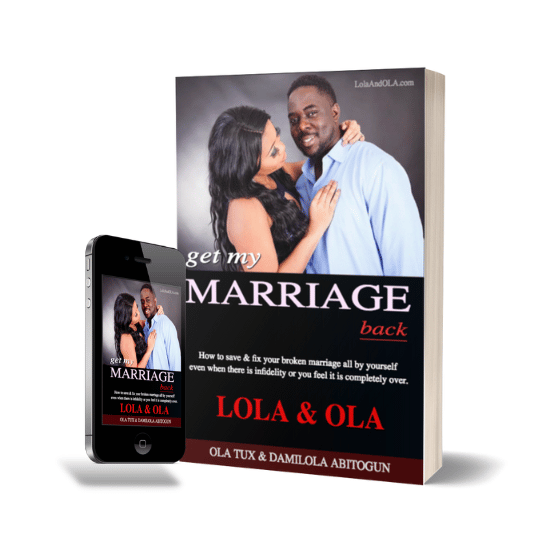
We have been through similar experiences, and we have written a book called โ€œGet My Marriage Backโ€ sharing our personal story and the strategies we used to overcome this issue permanently. 

Click Here To Download our book for free for a comprehensive guide to building a harmonious and loving relationship and marriage.

Frequently Asked Questions:

What if my wife yells at me?

If your wife yells at you, it’s important to address the issue rather than ignoring it. Follow the tips mentioned in this blog post, such as seeking support, engaging in self-reflection, and establishing personal boundaries particularly for self respect. A safe space for open and honest communication is key to resolving conflicts in a healthy and respectful manner.

How do you respond when your wife yells at you?

When your wife yells at you, it’s crucial to remain calm and composed. Take a deep breath, listen to her concerns, and respond in a respectful manner; particularly self-respect. Avoid escalating the situation by yelling back or becoming defensive. Instead, aim for understanding, feeling heard, open dialogue and finding a solution together.

What if a wife yells at her husband?

Yelling in any relationship, regardless of gender, is not a healthy or productive way to communicate. If a wife yells at her husband, both partners should work together to address the underlying issues causing the yelling; but the husband is in a position to choose how to react. Choosing not to over-react, empathy, and seeking professional help if needed can contribute to resolving the issue and creating a more harmonious relationship.

How do I ignore my yelling wife?

Ignoring a yelling wife may not be the most effective approach to resolving the issue. Instead, try to address the problem by engaging in active listening, open and calm communication. Express how her yelling affects you once she demonstrates feeling heard and work together to establish healthier ways of expressing frustrations and resolving conflicts. If the issue persists, seeking professional help can provide additional guidance and support.


Broken Marriage?
Fix it
Here FREE

Get My Marriage Back