Broken Marriage?
Fix it
Here FREE

Get My Marriage Back


How Often Should Married Couples Spend Time Together?

Finding the Right Balance Between Connection and Independence

If you’ve found yourself wondering how often should married couples spend time together, you’re asking a question that thousands of spouses quietly wrestle with every month.

For some, the question comes from loneliness. You feel like your spouse is always working, distracted, or prioritizing everyone else ahead of the marriage. You miss the closeness you once had and wonder whether your relationship is drifting apart.

For others, the opposite is true. You love your spouse, but you feel like you’re suffocating. Every hobby, errand, social outing, or evening becomes a joint activity, and somewhere along the way, you’ve lost the freedom to simply be yourself.

Both experiences are common.

The problem is that many people approach this question as though there must be one perfect number.

“We should spend six hours together every week.”

“Healthy couples have date night every Friday.”

“We should do everything together.”

None of these are universal truths.

Healthy marriages aren’t measured by a stopwatch. They’re measured by whether both partners consistently feel connected, respected, desired, and emotionally safe.

Quality almost always beats quantity.

There Isn’t a Magic Number

Search online and you’ll find plenty of relationship “rules.”

Some therapists recommend around six hours of intentional quality time each week. Others suggest the 15-hour rule, arguing that couples who spend fifteen hours of focused attention together build stronger emotional intimacy. You’ll also hear about the popular 2-2-2 Rule, which encourages couples to enjoy a date every two weeks, a weekend getaway every two months, and a longer vacation every two years.

These ideas can be helpful because they encourage intentionality.

But they become harmful when couples mistake them for commandments.

A firefighter working rotating shifts, parents raising three young children, military families, entrepreneurs, retirees, and newlyweds all have completely different schedules and demands. Trying to force every marriage into the same formula often creates unnecessary guilt and frustration.

Instead of asking:

“How many hours should we spend together?”

Ask a better question:

“Are we consistently meeting each other’s emotional need for connection while still allowing each other room to grow?”

That question gets much closer to what actually builds a thriving marriage.

The Real Issue Usually Isn’t Time

In many marriages, “we don’t spend enough time together” isn’t actually the root problem.

It’s simply the symptom.

Underneath that complaint are deeper emotional needs.

One spouse may be craving reassurance.

Another may be longing to feel desired again.

Someone else simply wants uninterrupted conversation without phones, television, or work getting in the way.

Sometimes the issue isn’t that you’re together too little.

It’s that when you are together, neither of you is truly present.

You can sit on the same couch for four hours while scrolling your phones and still feel emotionally disconnected.

Conversely, twenty minutes of focused conversation, laughter, flirtation, affection, and genuine curiosity can strengthen a marriage far more than an entire distracted weekend.

Presence creates intimacy.

Proximity alone does not.

how often should married couples spend time together - every marriage

Every Marriage Must Balance Two Healthy Needs

One of the biggest myths about marriage is that healthy couples should want to spend every available moment together.

That sounds romantic.

In reality, it often creates dependency instead of intimacy.

Healthy marriages satisfy two equally important needs:

  • The need for connection
  • The need for individuality

When either one is ignored, attraction often begins to suffer.

If connection disappears, partners become roommates.

If individuality disappears, partners can begin feeling trapped or emotionally overwhelmed.

Lasting attraction lives in the healthy tension between togetherness and independence.

The strongest marriages aren’t built by two people losing themselves.

They’re built by two people continually choosing each other while still growing as individuals.

If You Feel Emotionally Starved

If you’re searching how often should married couples spend time together because you feel neglected, resist the temptation to make your first move a complaint.

Statements like:

  • “You never spend time with me.”
  • “You’re always working.”
  • “You care more about your friends than me.”

usually create defensiveness instead of closeness.

A better approach is emotional leadership.

Before asking for more quality time, become curious about how your spouse naturally experiences love.

One simple exercise is taking a love languages assessment togetherโ€”not because it’s a perfect system, but because it helps create meaningful conversations about how each of you feels appreciated.

If your spouse primarily experiences love through acts of service, thoughtful gestures may speak louder than long conversations.

If physical affection helps them feel connected, leading with warmth and affection may soften emotional walls before discussing your own needs.

When people consistently feel emotionally fed, they’re usually much more willing to reciprocate.

In other words, instead of leading with what you’re missing, begin by intentionally giving what helps your spouse feel loved.

That often creates the emotional atmosphere where quality time becomes something they naturally wantโ€”not something they feel pressured into.

If You Feel Smothered Instead

Not every spouse searching how often should married couples spend time together is longing for more connection.

Some are quietly craving breathing room.

That doesn’t mean you love your spouse less. It means you’ve reached a point where you’ve lost healthy individuality, and without realizing it, the relationship has become emotionally crowded.

This often happens gradually.

Maybe every evening is spent together. Every weekend is planned together. Every invitation assumes you’ll attend as a couple. Over time, your personal hobbies, friendships, and interests slowly disappear.

Ironically, spending too much time together can diminish attraction.

Healthy attraction requires a healthy balance between familiarity and mystery. When couples never experience life independently, they stop bringing fresh stories, new energy, and personal growth back into the relationship.

One of the easiest ways to reclaim healthy space is surprisingly simple.

Create recurring activities that genuinely belong to you.

Create Personal Space Without Creating Rejection

Many people make the mistake of saying:

“I just need some space.”

Unfortunately, an anxious spouse often hears something completely different.

“You don’t want to be around me anymore.”

That’s why how you create space matters just as much as creating it.

Instead of framing it as escaping your spouse, build a rhythm around interests that naturally belong to you.

Examples include:

  • Joining a golf league.
  • Taking a photography class.
  • Volunteering for a cause you care about.
  • Training for a marathon.
  • Going fishing once a month.
  • Taking a woodworking course.
  • Meeting friends for breakfast every other Saturday.

Notice the difference.

You’re not pushing your spouse away.

You’re moving toward something that helps you grow.

Even better, choose activities your spouse genuinely has little interest in joining. That removes the emotional sting of exclusion because the activity naturally fits your interests rather than becoming a rejection of theirs.

Aim for two or three recurring solo activities each month.

Those moments create healthy breathing room while giving you fresh experiences to bring back into your marriage.

Independence Doesn’t Kill Attractionโ€”It Fuels It

Many people mistakenly believe that the happiest couples spend every waking moment together.

Research and real-life experience suggest something more nuanced.

Strong marriages thrive when both partners experience:

  • Security
  • Connection
  • Personal growth

Growth requires space.

When you continue developing yourself, you become more interestingโ€”not less committed.

One of the biggest attraction killers is becoming emotionally stagnant.

Your spouse fell in love with someone who was learning, growing, discovering, laughing, and experiencing life.

Keep becoming that person.

Healthy independence communicates confidence.

Confidence is attractive.

Neediness rarely is.

Beware the “Suffocator” Trap

Within our relationship framework, one of the quickest ways to unintentionally reduce attraction is becoming what we call a Suffocator.

A Suffocator isn’t necessarily controlling.

Often, they’re simply anxious.

They constantly seek reassurance.

And the struggle with separation.

They unintentionally expect their spouse to meet nearly every emotional need.

While the intention is closeness, the result is often emotional exhaustion.

No spouse was designed to become your entire world.

Healthy marriages still make room for:

  • Friendships
  • Family
  • Personal interests
  • Spiritual growth
  • Physical health
  • Individual purpose

Ironically, couples who allow one another room to breathe often experience more closenessโ€”not less.

A Practical Weekly Rhythm That Works

Rather than chasing a perfect hourly quota, focus on creating intentional rhythms that fit your stage of life.

A healthy week might include:

Daily Connection (15โ€“30 Minutes)

Spend uninterrupted time talking.

No phones.

And no television.

No multitasking.

Ask about each other’s day.

Laugh together.

Pray together if that’s part of your marriage.

Listen more than you speak.

Small daily investments prevent large emotional withdrawals.

Weekly Date Time

It doesn’t have to be expensive.

The purpose isn’t entertainment.

It’s intentional connection.

Go for coffee.

Cook together.

Take a walk.

Play cards.

Visit a local park.

Try a new restaurant.

The activity matters far less than the attention you give one another.

Monthly Adventure

Routine builds stability.

Novelty builds excitement.

Each month, intentionally break routine.

Take a day trip.

Visit somewhere new.

Attend a concert.

Try a hobby together.

Explore a nearby town.

Shared experiences create shared memories, and shared memories strengthen emotional bonds.

Individual Growth Time

Just as important as date night is personal growth time.

Encourage one another to pursue passions independently.

One spouse may enjoy painting.

The other may enjoy cycling.

Support both.

Healthy marriages don’t erase individuality.

They celebrate it.

Don’t Measure Hoursโ€”Measure Emotional Connection

One couple may spend three hours together every evening and still feel disconnected.

Another may spend just one focused hour together because of demanding careers and still feel deeply in love.

The difference isn’t the calendar.

It’s the quality of engagement.

Ask yourselves questions like:

  • Do we laugh together?
  • Do we still flirt?
  • Do we genuinely enjoy each other’s company?
  • Do we know what’s happening emotionally in each other’s lives?
  • Do we feel emotionally safe with one another?
  • Are we making each other a priority?

Those answers tell you far more about your marriage than counting hours ever will.

The Four Areas That Usually Need Attention

When couples argue about spending time together, time itself is rarely the real issue.

In our experience, the conflict usually traces back to one of four leverage points.

1. Friendship

Many marriages slowly stop being friendships.

Conversations become logistical.

Romance fades.

Fun disappears.

If you wouldn’t enjoy spending time together as friends, simply increasing the number of hours won’t solve the problem.

2. Intimacy

Physical and emotional intimacy reinforce one another.

Couples who intentionally nurture affection, flirtation, and emotional safety often find quality time becoming much more natural because both partners actually look forward to being together.

3. Expectations

One spouse expects every evening together.

The other assumes weekends are enough.

Neither expectation is wrong.

Problems arise when expectations remain unspoken.

Healthy couples regularly discuss what “enough time together” actually looks like for both people.

4. Pride and Ego

Sometimes neither spouse wants to make the first move.

Both wait.

They keep score.

Both silently hope the other changes first.

Unfortunately, pride can quietly steal months or even years of connection.

The stronger leader in the marriage is usually the one willing to love first, apologize first, initiate first, and reconnect first.

That isn’t weakness.

It’s emotional maturity.

how often should married couples spend time together - create tasks, not complaint

Create Tasks, Not Complaints

If you’re wondering how often should married couples spend time together, it’s easy to focus on what your spouse isn’t doing.

“You never make time for me.”

“You’re always busy.”

“We never do anything together anymore.”

Those statements may accurately describe your experience, but they rarely inspire change. More often, they trigger defensiveness, guilt, or withdrawal.

Instead of creating complaints, create opportunities.

Become the person who makes connection easier.

That is what self-leadership looks like in a marriage.

Here are a few practical habits that can dramatically increase quality time without making your spouse feel pressured.

Task 1: Schedule One Meaningful Date Every Week

It doesn’t have to be elaborate.

Some of the strongest marriages are built on simple, consistent rituals.

Ideas include:

  • Cooking dinner together.
  • Walking after dinner.
  • Visiting a local coffee shop.
  • Playing a board game.
  • Watching the sunset.
  • Trying a new restaurant.
  • Taking a scenic drive.

The goal isn’t entertainment.

The goal is uninterrupted attention.

Task 2: Learn Each Other’s Love Language

One of the easiest ways to improve quality time is to stop assuming your spouse receives love the same way you do.

Take a love languages assessment together and discuss the results.

If your primary love language is quality time but your spouse values acts of service, they may genuinely believe they’re showing love every day by helping around the houseโ€”even while you’re longing for more conversations and shared experiences.

Likewise, if their love language is physical touch, a warm embrace or affectionate hand on the shoulder may communicate love more powerfully than planning another date night.

Understanding how your spouse naturally receives love helps you invest your energy where it has the greatest emotional return.

Task 3: Feed Their Needs Before Asking for Yours

One of the most overlooked principles in healthy marriages is reciprocity.

People are generally more receptive when they already feel emotionally full.

Instead of beginning with what you’re missing, intentionally meet one of your spouse’s emotional needs first.

Offer encouragement.

Express appreciation.

Show affection.

Complete a thoughtful act of service.

Speak words of admiration.

This isn’t manipulation.

It’s generosity.

And generosity often inspires generosity in return.

When your spouse consistently feels valued, asking for more intentional time together becomes a conversationโ€”not a conflict.

Task 4: Create Two or Three Personal Growth Activities

If you’re the spouse feeling smothered, don’t wait until frustration turns into resentment.

Proactively build a life that includes healthy independence.

Choose two or three recurring monthly activities that genuinely help you grow.

Examples include:

  • Joining a sports league.
  • Learning an instrument.
  • Attending a men’s or women’s group.
  • Hiking.
  • Reading at your favorite cafรฉ.
  • Taking a continuing education class.
  • Serving in your community.

Healthy marriages aren’t threatened by personal growth.

They’re strengthened by it.

Task 5: Hold a Monthly Marriage Check-In

Once a month, ask each other a few simple questions.

  • What’s something I did this month that made you feel loved?
  • Is there anything you’ve been needing that I haven’t noticed?
  • Do you feel like we’ve spent enough meaningful time together?
  • What should we do together next month?
  • Is there anything we should stop doing?

These conversations prevent small disappointments from becoming major conflicts.

Common Mistakes Couples Make

Many marriages don’t struggle because couples stop loving each other.

They struggle because unhealthy habits quietly replace healthy ones.

Watch for these common mistakes.

Mistake #1: Confusing Proximity with Connection

Being in the same room isn’t the same as spending time together.

If both of you are watching separate screens, answering emails, or scrolling social media, your bodies may be close while your attention is miles apart.

Real connection requires presence.

Mistake #2: Expecting Your Spouse to Meet Every Emotional Need

No healthy marriage places the entire burden of happiness on one person.

Your spouse should enrich your lifeโ€”not become your entire identity.

Continue investing in your relationship with God, your purpose, healthy friendships, family, physical health, and personal development.

A whole person usually becomes a better spouse.

Mistake #3: Keeping Score

“I planned the last date.”

“Why do I always initiate?”

“I text first.”

“Can you do more?”

Scorekeeping slowly transforms partners into opponents.

Healthy marriages aren’t competitions.

They’re partnerships.

Sometimes you’ll give more.

Sometimes your spouse will.

Over time, healthy couples focus less on fairness in every moment and more on generosity across the relationship.

Mistake #4: Letting Pride Delay Reconnection

Our framework identifies pride and mismanaged expectations as two of the greatest causes of long-term relationship breakdown.

Waiting for your spouse to make the first move may protect your ego today, but it can quietly damage your marriage tomorrow.

Someone has to lead.

Choose to be that person.

Leadership isn’t about control.

It’s about creating emotional safety.

Lasting Attraction Requires Intentionality

One of the greatest misconceptions about marriage is that attraction naturally sustains itself.

It doesn’t.

Attraction is cultivated.

It grows through intentional choices.

Couples who continue dating each other, laughing together, flirting, serving one another, resolving conflict with emotional maturity, and pursuing personal growth tend to experience deeper connection over time.

Notice that none of those require expensive vacations or perfect schedules.

They require intentionality.

The marriages that thrive for decades aren’t usually the ones with the most free time.

They’re the ones that consistently choose each other.

how often should married couples spend time together - universal number

So, how often should married couples spend time together?

There isn’t a universal number.

For some couples, six intentional hours each week creates plenty of connection.

Others flourish with more because of their lifestyle, while some maintain a strong bond despite demanding careers or young children by protecting a few meaningful moments every day.

The healthiest marriages don’t obsess over hitting a specific hourly target.

Instead, they ask a better question:

“Do we both feel connected, valued, respected, and free to continue growing?”

If the answer is yes, you’re probably finding the right rhythm.

If the answer is no, don’t panic.

Don’t start with blame.

Start with leadership.

Create opportunities to connect.

Respect each other’s individuality.

Feed one another’s emotional needs.

Communicate openly.

And remember that a thriving marriage isn’t built by two perfect people spending every minute together.

It’s built by two imperfect people who intentionally keep choosing each other.

19 Signs Your Wife Is Not Sexually Attracted To You

Frequently Asked Questions [FAQ]

What is the success rule for married couples?

There isn’t a single success rule that guarantees a happy marriage, but thriving couples consistently practice respect, trust, honest communication, and intentional quality time. They focus on solving problems together instead of trying to win arguments, understanding that teamwork strengthens both friendship and attraction.

How often does the average couple spend time together?

Research varies, but many relationship experts recommend around five to six hours of intentional quality time per week, while others suggest even more focused interaction. The key is not simply being in the same house but giving each other undivided attention through meaningful conversation, shared activities, and affection.

What is the rule of success in relationships?

The most reliable rule of success in relationships is to consistently invest in connection before problems force your attention. Healthy couples communicate openly, manage expectations, extend grace during conflict, and continue nurturing friendship long after the honeymoon phase ends.

What is the rule for success to intimacy in marriage?

Healthy intimacy grows from emotional safety, trust, consistent affection, and genuine friendshipโ€”not simply physical closeness. Couples who regularly spend meaningful time together, communicate honestly, and prioritize each other’s emotional needs often experience stronger intimacy both inside and outside the bedroom.

How Does a Man Act When He Doesn’t Care About You? 9 Clear Signs

Few relationship questions are more painful than this one: how does a man act when he doesn’t care about you?

When you’re emotionally invested in someone, it’s natural to search for explanations when things feel off. Maybe the texts have slowed down. Maybe conversations feel empty. Maybe you’re carrying the emotional weight of the relationship while he seems completely unaffected.

The challenge is that indifference rarely announces itself loudly. Most men don’t wake up one day and clearly state, “I don’t care anymore.” Instead, their actions begin telling a story their words refuse to tell.

However, before jumping to conclusions, it’s important to establish a single source of truth. Are you comparing his behavior to how he used to act? To how loving partners generally behave? Or are you measuring against unrealistic expectations? The goal is not to assume the worst. The goal is to objectively evaluate patterns.

If you consistently feel unseen, dismissed, or emotionally abandoned, those feelings deserve attention.

Let’s examine the most common signs.

1. You Become a Low Priority in His Life

One of the clearest answers to how does a man act when he doesn’t care about you is simple: you continuously fall to the bottom of his priority list.

Everyone gets busy. Life demands attention. But people generally make room for what matters to them.

When a man consistently invests his time, energy, money, attention, and emotional resources everywhere except the relationship, that pattern becomes difficult to ignore.

Ask yourself:

  • Does he make time for friends but not you?
  • Does he pursue hobbies enthusiastically while neglecting the relationship?
  • Does every conversation about your needs feel inconvenient to him?

A caring partner may occasionally fail. An indifferent partner stops trying.

2. He Shows Little Curiosity About Your Life

Healthy attraction thrives on curiosity.

A man who cares wants to know:

  • How your day went
  • What you’re struggling with
  • What excites you
  • What goals you’re pursuing
  • How you’re feeling emotionally

When emotional investment disappears, so does curiosity.

You may find yourself talking while he barely listens. You share good news and receive a lukewarm response. You mention concerns and get a distracted nod.

Over time, you start feeling emotionally invisible.

3. Your Feelings Are Constantly Dismissed

Not every disagreement means someone doesn’t care.

However, there is a major difference between disagreement and dismissal.

A man who no longer values your emotional experience may:

  • Minimize your concerns
  • Tell you you’re overreacting
  • Ignore issues that matter to you
  • Act annoyed when you express emotions

The issue isn’t whether he agrees with your perspective. The issue is whether he respects it.

Respect is one of the foundational pillars of emotional connection. Without it, attraction and intimacy gradually erode.

4. He Becomes Emotionally Nonchalant About Relationship Problems

Many people describe an indifferent partner as “nonchalant.”

The important question is this:

Is he generally nonchalant, or only when it comes to issues affecting you and the relationship?

That’s your single source of truth.

If he becomes highly engaged when discussing work, sports, hobbies, friends, or personal interests but suddenly becomes detached when discussing relationship concerns, that contrast tells a story.

A man who cares may not always know how to fix problems, but he usually cares enough to participate in the conversation.

5. You Feel Like You’re Chasing Him

Relationships become unhealthy when one person does nearly all the emotional work.

You may notice that:

  • You’re always initiating conversations
  • You’re always planning dates
  • You’re always bringing up important issues
  • You’re always trying to reconnect

Meanwhile, he simply respondsโ€”or doesn’t.

Attraction cannot thrive when one partner becomes the pursuer and the other becomes emotionally passive.

The more you chase, the more exhausted you become.

6. He Stops Investing in the Future

A man who cares about the relationship naturally includes you in his future thinking.

That doesn’t mean discussing marriage every week. It means considering the relationship when making plans.

When a man doesn’t care, future conversations become vague or nonexistent.

You may notice:

  • He avoids commitment discussions
  • He refuses to make long-term plans
  • He speaks as though his future is separate from yours
  • He becomes uncomfortable when discussing shared goals

The absence of future vision often signals emotional withdrawal in the present.

7. He Shows Little Accountability

One of the strongest indicators of genuine care is accountability.

A caring partner may make mistakes, but he generally wants to repair damage when he hurts you.

An indifferent partner often:

  • Deflects responsibility
  • Blames you for everything
  • Refuses to acknowledge his impact
  • Acts as though your pain is your problem alone

This creates a cycle where relationship issues never get resolved because nobody is taking ownership.

8. Physical and Emotional Intimacy Decline

Intimacy is more than sex.

It includes:

  • Affection
  • Playfulness
  • Friendship
  • Emotional openness
  • Shared experiences
  • Physical touch

One of the purposes of marriage and long-term relationships is romance and companionship. When those elements disappear completely without effort to restore them, the relationship often begins to feel more like a roommate arrangement than a romantic partnership.

The issue isn’t temporary distance. The issue is persistent disengagement.

9. He Is Comfortable Losing You

Perhaps the most painful answer to how does a man act when he doesn’t care about you is this:

He stops acting like losing you would matter.

This doesn’t mean he wants the relationship to end. Some people remain in relationships for comfort, convenience, routine, finances, family stability, or fear of change.

But caring people protect what they value.

When a man consistently refuses to invest, repair, communicate, or grow, he may be demonstrating that maintaining the relationship is no longer important to him.

Before You Assume He Doesn’t Care: Check Your Frame of Reference

Here’s where emotional intelligence becomes essential.

Not every distant man is indifferent.

Some men are:

  • Stressed
  • Burned out
  • Depressed
  • Overwhelmed
  • Struggling with personal issues
  • Poor communicators

This is why isolated incidents don’t tell the whole story.

Look for patterns.

The healthiest approach is to evaluate behavior over time while maintaining self-awareness and emotional balance.

Avoid becoming trapped in blame, condemnation, sarcasm, criticism, or constant fault-finding. These behaviors often poison relationships further and make meaningful conversations nearly impossible.

What To Do If You Feel He Doesn’t Care

If you genuinely believe emotional investment has disappeared, resist the urge to beg, chase, or demand validation.

Instead:

Rebuild Your Self-Leadership

Focus on what you can control.

Strengthen your confidence, emotional stability, friendships, purpose, and personal growth.

Neediness rarely creates attraction. Self-respect often creates clarity.

Have Honest Conversations

Address concerns directly without attacking.

Focus on observable behaviors rather than assumptions about motives.

Instead of saying:

“You don’t care about me.”

Try:

“I’ve noticed we’re spending less time together and I feel disconnected. Can we talk about what’s happening?”

Establish Healthy Boundaries

Boundaries are not punishments.

They are standards that protect your emotional well-being.

Healthy relationships require mutual effort, mutual respect, and mutual responsibility.

Focus on the 3 P’s

When facing relationship uncertainty, remember:

  • Prayer for what you cannot control
  • Patience during emotional turbulence
  • Process for the actions you can take daily

Clarity often emerges through consistent action rather than emotional panic.

The Bottom Line

When asking how does a man act when he doesn’t care about you, look beyond isolated incidents and focus on consistent behavioral patterns.

A lack of curiosity, emotional investment, accountability, future planning, and effort often signals emotional disengagement. At the same time, avoid rushing to conclusions without examining the full context.

Most importantly, don’t lose yourself while trying to figure out someone else’s intentions.

The healthiest response isn’t obsessing over whether he cares. It’s strengthening your self-respect, communicating clearly, and making decisions based on reality rather than hope alone.

Is a sexless marriage biblical grounds for divorce?

FAQ [Frequently Asked Questions]

How to tell when a man doesn’t care about you?

A man who doesn’t care typically shows a consistent lack of effort, emotional investment, and curiosity about your life. His actions repeatedly communicate indifference, even if his words occasionally say otherwise.

Why do men act like they don’t care about you?

Some men act distant because they have emotionally checked out, while others may be dealing with stress, fear, burnout, or poor communication skills. The key is evaluating long-term behavioral patterns rather than reacting to isolated moments.

How to deal with a guy who doesn’t care about you?

Focus on your self-respect, communicate your concerns clearly, and stop chasing validation. Healthy relationships require mutual investment, so pay attention to whether your efforts are being reciprocated.

What is the biggest red flag in a man?

One of the biggest red flags is consistent dismissal of your feelings combined with a refusal to take accountability for his actions. Without accountability, trust, respect, and emotional safety become difficult to maintain.

Accountability vs Responsibility in Marriage Psychology: The Difference That Saves Marriages

Most marriages do not collapse because of a lack of love. They collapse because of mismanaged pride, unrealistic expectations, and a misunderstanding of accountability vs responsibility in marriage psychology.

Couples often spend years arguing over who should do what, who dropped the ball, and who is to blame. In the process, they confuse responsibility with accountability and unknowingly create a relationship dynamic filled with resentment, defensiveness, and emotional distance.

The distinction is simple but powerful:

  • Responsibility is about ownership of tasks, duties, and obligations.
  • Accountability is about ownership of your impact, choices, emotional maturity, and personal growth.

When couples understand this difference, conflict becomes productive rather than destructive. Trust grows. Attraction returns. Emotional safety increases.

Most importantly, both spouses stop trying to manage each other and start leading themselves.

As one of the strongest predictors of relationship success, understanding accountability vs responsibility in marriage psychology can transform the entire emotional climate of a marriage.

Why Most Couples Get Accountability Wrong

Many spouses believe accountability means holding their partner’s feet to the fire.

They become investigators, prosecutors, and judges.

They track mistakes.
And they collect evidence.
They keep score.

Unfortunately, this approach rarely works.

The moment one spouse becomes the relationship police officer, the other naturally becomes defensive. Human beings resist being controlled, especially by someone they are supposed to trust and feel emotionally safe with.

This is where many marriages enter a destructive cycle:

  • One spouse demands accountability.
  • The other spouse becomes defensive.
  • Criticism escalates.
  • Resentment grows.
  • Attraction declines.
  • Emotional intimacy disappears.

Ironically, the more one person tries to force accountability, the less accountability they receive.

How to Cope When Your Husband Doesnโ€™t Love You: Rebuild Love

The Psychological Difference Between Responsibility and Accountability

Responsibility: The Task

Responsibility is operational.

It involves what you are supposed to do.

Examples include:

  • Paying bills on time
  • Managing household chores
  • Picking up children from school
  • Following through on commitments
  • Maintaining shared obligations

Responsibilities can be assigned, divided, delegated, and measured.

A spouse can be responsible for handling the finances or coordinating family schedules.

Responsibility asks:

“Did I do what I agreed to do?”

Accountability: The Mirror

Accountability is psychological and relational.

It requires self-awareness, humility, and emotional intelligence.

Accountability asks:

“How did my behavior affect my spouse and my marriage?”

Examples include:

  • Owning your defensiveness during an argument
  • Acknowledging emotional withdrawal
  • Recognizing how criticism damages connection
  • Repairing trust after breaking a promise
  • Taking ownership without making excuses

Accountability is not something your spouse can force upon you.

It is a voluntary act of self-leadership.

Why You Cannot Force Your Spouse to Be Accountable

One of the hardest truths in marriage is this:

You can delegate responsibility, but you cannot demand accountability.

Also, you can ask someone to take out the trash.

You cannot force them to develop self-awareness.

And you can request behavioral changes.

You cannot command emotional maturity.

Many spouses spend years trying to manage their partner’s character instead of managing their own emotional responses.

This creates what we call the Moralizer Trapโ€”one of the most powerful attraction killers in long-term relationships.

The Moralizer constantly lectures, corrects, analyzes, and judges.

Instead of inspiring growth, they create resistance.

Instead of building attraction, they create emotional exhaustion.

The reality is that people often become more accountable when they feel respected, not when they feel policed.

Accountability vs Blame in Relationships and Marriage

This is where many people get confused.

Accountability and blame are not the same thing.

Blame Focuses on Fault

Blame asks:

  • Who caused this?
  • Who is wrong?
  • Who should feel guilty?

Also, blame often involves:

  • Criticism
  • Shaming
  • Condemnation
  • Sarcasm
  • Scorekeeping

Blame may feel justified in the moment, but it rarely creates positive change.

Accountability Focuses on Growth

Accountability asks:

  • What can I learn?
  • What role did I play?
  • How can I improve?
  • What needs repair?

Also, accountability seeks solutions.

Blame seeks a culprit.

Healthy marriages focus on growth rather than prosecution.

The Attraction Connection Most Couples Miss

Many people assume attraction is primarily physical.

In reality, long-term attraction is heavily influenced by emotional dynamics.

When accountability is replaced by blame, attraction suffers.

When self-leadership is replaced by neediness and control, attraction declines.

Consider the eight anti-seducer patterns that quietly destroy romantic connection:

  • Neediness
  • Reactivity
  • Moralizing
  • Lack of patience
  • Poor self-control
  • Excessive criticism
  • Constant defensiveness
  • Emotional volatility

Trying to force accountability often triggers several of these behaviors simultaneously.

A spouse who is emotionally grounded and self-accountable becomes more attractive because they demonstrate strength, stability, and emotional maturity.

2 Core Reasons Marriages Collapse

While every marriage has unique challenges, most long-term breakdowns can be traced back to two root causes:

1. Mismanaged Pride

Pride prevents ownership.

It says:

  • “I’m not wrong.”
  • “They started it.”
  • “Why should I apologize first?”

Pride keeps couples trapped in cycles of conflict.

Accountability requires humility.

2. Mismanaged Expectations

Many spouses secretly expect their partner to meet every emotional need perfectly.

When reality fails to match expectations, disappointment turns into criticism.

Healthy marriages require realistic expectations and ongoing communication.

The combination of pride and unrealistic expectations creates a perfect storm for resentment.

5 Signs of Lack of Accountability in Marriage

Recognizing accountability problems is the first step toward fixing them.

1. Constant Defensiveness

Every conversation becomes a debate.

Instead of listening, the spouse immediately explains, justifies, or counterattacks.

2. Chronic Excuse-Making

Mistakes are always someone else’s fault.

There is always a reason why personal ownership is avoided.

3. Refusal to Repair

Apologies are rare or superficial.

The focus remains on being right instead of making things right.

4. Persistent Blame-Shifting

Problems are consistently assigned to external circumstances or the other spouse.

5. Lack of Behavioral Change

Words may sound sincere, but patterns never improve.

True accountability produces visible growth over time.

The Accountability Spectrum in Marriage

Not all accountability exists at the same level.

Level 1: Victim Mindset

Everything happens to them.

Responsibility is constantly outsourced.

Level 2: Reactive Accountability

Ownership only occurs after significant pressure.

Growth is inconsistent.

Level 3: Functional Accountability

The spouse acknowledges mistakes and works toward improvement.

Level 4: Proactive Accountability

The spouse actively seeks feedback and self-correction.

Level 5: Self-Leadership

The spouse consistently reflects, adapts, grows, and repairs without external pressure.

This level creates the strongest foundation for trust, respect, and attraction.

nature of romantic relationships

How to Practice Accountability Without Losing Yourself

Accountability does not mean becoming a doormat.

It does not mean accepting mistreatment.

It does not mean carrying responsibility for another person’s choices.

Healthy accountability means focusing on what you can control:

  • Your attitude
  • Your reactions
  • Your communication
  • Your emotional regulation
  • Your growth

This approach aligns with the most effective marriage principle:

Focus on your side of the street first.

When you become more grounded, purposeful, and self-aware, you create the conditions for healthier relationship dynamics.

You cannot guarantee your spouse will change.

You can guarantee that your own growth will improve your leadership, emotional intelligence, and relationship outcomes.

When Your Husband Dismisses Your Feelings

So Do Females Lack Accountability?

Building a Marriage Through Self-Leadership

The strongest marriages are built on partnership during ordinary days and leadership during difficult moments.

Leadership and partnership are not opposites.

Healthy spouses know when to collaborate and when to rise above conflict.

When tensions increase:

  • Practice patience.
  • Focus on the process.
  • Control what you can control.
  • Release what you cannot control.
  • Lead yourself before attempting to lead your spouse.

Most people spend too much time trying to fix their partner.

The wiser path is becoming the kind of spouse who naturally inspires growth.

running from accountability

Final Thoughts on Accountability vs Responsibility in Marriage Psychology

Understanding accountability vs responsibility in marriage psychology changes everything.

Responsibility keeps the marriage functioning.

Accountability keeps the marriage growing.

Responsibility handles the logistics.

Accountability heals the emotional wounds.

Responsibility helps you manage a household.

Accountability helps you build trust, attraction, respect, and intimacy.

The couples who thrive are not those who spend their energy policing each other. They are the couples who embrace radical self-leadership, own their impact, and continuously work on becoming better partners.

When accountability begins with the person in the mirror, the entire marriage gains the opportunity to transform.

5 Signs Your Wife Never Really Loved You

Frequently Asked Questions [FAQ]

What does an unhealthy marriage look like?

An unhealthy marriage is characterized by chronic criticism, defensiveness, blame, emotional withdrawal, and unresolved resentment. Instead of feeling like partners working toward shared goals, spouses often feel disconnected, unsafe, and stuck in a cycle of conflict that gradually erodes trust, respect, attraction, and intimacy.

What are the rules of accountability in marriage?

The core rules of accountability in marriage are ownership, honesty, empathy, consistency, and repair. Healthy accountability means owning your choices without excuses, acknowledging the impact of your actions on your spouse, making necessary changes, and focusing on personal growth rather than trying to control or police your partner.

What is the rule of success maintenance for married couples?

A practical rule of success maintenance is to continuously invest in friendship, romance, communication, and personal growth before problems become crises. Successful couples understand that marriages do not thrive on autopilot; they regularly nurture connection through quality time, emotional presence, appreciation, and intentional effort to meet each other’s evolving needs.

What does lack of accountability look like in a relationship?

Lack of accountability often appears as defensiveness, blame-shifting, excuse-making, broken promises, and repeated behaviors that never change despite repeated discussions. Over time, it creates frustration and emotional distance because one partner feels unheard while the other avoids taking responsibility for their role in the relationship dynamic.

11 Signs of Disrespect From Your Husband: 11 Painful Red Flags You Should Never Ignore

Love may bring two people together, but respect is what keeps a marriage standing when life gets difficult. When respect begins to disappear, emotional safety disappears with it. The result is often confusion, resentment, loneliness, and a growing feeling that something is fundamentally wrong in the relationship.

Many women searching for signs of disrespect from your husband are not simply looking for a list of bad behaviors. They are trying to understand why they no longer feel valued, heard, cherished, or emotionally secure in their marriage.

The truth is that disrespect rarely starts with dramatic betrayals. More often, it shows up in subtle patterns that slowly erode connection and attraction over time. What makes it particularly painful is that many women begin questioning themselves instead of questioning the behavior.

Understanding these signs is not about assigning blame. It is about gaining clarity so you can lead yourself with confidence, establish healthy boundaries, and create the conditions where mutual respect can either be restored or honestly evaluated.

signs of disrespect from your husband

Why Respect Matters More Than Most People Realize

Marriage is built on several emotional foundations: friendship, intimacy, trust, shared expectations, and mutual admiration.

When respect weakens, all of these areas suffer.

A husband who no longer respects his wife may still say he loves her. He may still provide financially. He may still show up physically. Yet his actions communicate something entirely different.

Respect is demonstrated through behavior, consideration, sacrifice, and partnership. It is reflected in how someone treats you when they disagree with you, when they are frustrated, and when nobody else is watching.

Without respect, attraction fades, communication becomes toxic, and emotional connection begins to die.

11 Signs Your Wife Doesnโ€™t Respect You

11 Signs of Disrespect From Your Husband

11 Signs of Disrespect From Your Husband

1. He Constantly Dismisses Your Feelings

One of the clearest signs of disrespect from your husband is when your emotions are regularly invalidated.

Instead of listening, he responds with statements such as:

  • “You’re overreacting.”
  • “You’re too sensitive.”
  • “It’s not a big deal.”
  • “You’re making something out of nothing.”

A respectful husband does not have to agree with every feeling you have. However, he should acknowledge and consider your emotional experience.

When your feelings are consistently dismissed, you stop feeling emotionally safe.

2. He Makes Important Decisions Without Consulting You

Marriage is a partnership, not a dictatorship.

If your husband routinely makes major financial, family, career, or lifestyle decisions without discussing them with you, he is treating you like an accessory rather than a teammate.

This behavior communicates:

  • Your opinion doesn’t matter.
  • Your perspective isn’t valuable.
  • The marriage is secondary to his personal agenda.

Respectful leadership includes collaboration.

3. He Talks Down to You

Condescension is one of the most toxic relationship poisons.

This can appear through:

  • Mocking your ideas
  • Speaking as if you’re unintelligent
  • Explaining everything in a patronizing manner
  • Treating your concerns as childish

A husband who respects his wife may disagree with her, but he never intentionally makes her feel inferior.

4. He Publicly Embarrasses or Belittles You

Healthy couples protect each other’s dignity.

Disrespect becomes obvious when a husband:

  • Makes humiliating jokes about you
  • Criticizes you in front of friends
  • Shares private information publicly
  • Uses sarcasm to make himself look superior

Many people disguise this behavior as humor.

But if the joke consistently comes at your expense, it is not humor. It is disrespect wearing a mask.

5. He Ignores Your Boundaries

Boundaries are not punishments. They are guidelines for healthy interaction.

A disrespectful husband may:

  • Invade your privacy
  • Ignore requests you’ve clearly communicated
  • Push past your emotional limits
  • Continue behaviors you’ve repeatedly expressed concern about

When someone continually violates reasonable boundaries, they are communicating that their desires matter more than your well-being.

6. He Takes You for Granted

Many women describe disrespect as feeling invisible.

Your efforts become expected rather than appreciated.

You manage the home, support the family, make sacrifices, and carry emotional labor, yet receive little acknowledgment in return.

While gratitude alone does not create attraction, a complete lack of appreciation slowly destroys goodwill and connection.

7. He Prioritizes Everyone Else Above You

A healthy marriage does not require isolation from family and friends.

However, chronic disrespect often shows up when a husband consistently places everyone else’s needs ahead of his wife’s.

This may include:

  • Always choosing his mother over you
  • Constantly prioritizing friends
  • Giving work unlimited access to family time
  • Refusing to protect marital boundaries

Partnership requires balance. A wife should never feel like an afterthought in her own marriage.

8. He Speaks to You With Contempt

Relationship researchers consistently identify contempt as one of the strongest predictors of marital breakdown.

Contempt includes:

  • Eye rolling
  • Sneering
  • Mockery
  • Hostile sarcasm
  • Name-calling

Contempt communicates superiority.

And no relationship can thrive when one partner consistently views the other as beneath them.

9. He Shows Little Interest in Your Growth or Happiness

Respect includes supporting your individuality.

A disrespectful husband may:

  • Minimize your goals
  • Discourage personal growth
  • Mock your ambitions
  • Show indifference toward your achievements

A healthy husband does not compete with his wife. He celebrates her growth because her success strengthens the partnership.

10. He Refuses Accountability

Everyone makes mistakes.

The issue is not imperfection. The issue is accountability.

Disrespect often appears when a husband:

  • Never apologizes
  • Blames everyone else
  • Deflects responsibility
  • Turns every conflict back onto you

Growth requires ownership.

A marriage cannot improve when one partner believes they are never wrong.

11. You Consistently Feel Unloved and Emotionally Unsafe

Sometimes the biggest sign isn’t a specific behavior.

It’s the overall emotional experience.

You may find yourself feeling:

  • Lonely while married
  • Unimportant
  • Unseen
  • Unprotected
  • Unvalued

While feelings alone do not tell the entire story, they often reveal patterns your mind has been trying to rationalize for years.

Sexless Marriage: How to Rebuild Intimacy, Attraction and Connection

What Causes Disrespect in Marriage?

What Causes Disrespect in Marriage?

Many people assume disrespect means a husband is simply a bad person.

In reality, most marital disrespect emerges from deeper problems.

Common causes include:

Mismanaged Pride

Pride often prevents people from admitting mistakes, apologizing, or treating their spouse as an equal partner.

Over time, pride creates power struggles instead of partnership.

Unmet Expectations

Many marriages collapse under the weight of expectations that were never communicated clearly.

When resentment grows, respect often becomes collateral damage.

Emotional Immaturity

Some men never develop the emotional intelligence necessary for healthy conflict resolution.

Instead of communicating frustrations directly, they express them through sarcasm, withdrawal, criticism, or dismissiveness.

Loss of Friendship

Friendship is one of the strongest predictors of marital success.

When couples stop enjoying each other, respecting each other often becomes more difficult as well.

My Husband Doesnโ€™t Find Me Attractive Anymore: Hereโ€™s What to Do


How to Respond Without Losing Your Self-Respect

One of the biggest mistakes people make is responding to disrespect with more disrespect.

That approach usually creates a destructive cycle.

Instead:

Stop Explaining Your Worth

You do not convince someone to respect you by repeatedly arguing for your value.

Value is demonstrated through how you carry yourself and what behavior you are willing to tolerate.

Establish Clear Boundaries

Respect grows when boundaries are clear.

Calmly communicate:

  • What behavior is unacceptable
  • Why it is unacceptable
  • What action you will take if it continues

Boundaries are not threats. They are acts of self-respect.

Focus on Self-Leadership

You cannot control another person’s behavior.

You can control your standards, emotional regulation, confidence, and responses.

Strong self-leadership often changes relationship dynamics because it shifts what is being tolerated.

Avoid Becoming Reactive

Reactiveness destroys attraction and weakens influence.

A calm, grounded response is usually far more powerful than emotional escalation.

This does not mean suppressing emotions. It means expressing them with strength and clarity rather than chaos.

Address the Real Problem

Sometimes disrespect is the symptom, not the disease.

Look beneath the behavior.

Is there unresolved resentment?

Broken trust?

Unmet expectations?

Loss of emotional connection?

Understanding the root issue creates better solutions than fighting over symptoms.

Can Respect Be Rebuilt?

In many marriages, yes.

Respect can often be rebuilt when both partners are willing to:

  • Take accountability
  • Improve communication
  • Rebuild friendship
  • Restore trust
  • Create healthier boundaries

However, rebuilding respect requires effort from both people.

One person can initiate change, but sustainable transformation requires mutual participation.

The goal is not domination, submission, or winning arguments.

The goal is creating a marriage where both husband and wife feel valued, respected, desired, and emotionally safe.

Sexless Marriage Effects on Husbands

The most painful signs of disrespect from your husband are often not the obvious ones.

They are the repeated patterns that slowly convince you your voice, needs, and feelings do not matter.

Pay attention to those patterns.

Not because you should immediately give up on your marriage, but because clarity is the first step toward change. The healthiest path forward is neither victimhood nor denial. It is self-respect, emotional intelligence, strong boundaries, and the courage to address reality honestly.

Is a sexless marriage biblical grounds for divorce?

FAQ – Frequently Asked Questions

What are examples of disrespect in a marriage?

Examples include dismissing your spouse’s feelings, making major decisions without consultation, public humiliation, contemptuous communication, and ignoring boundaries. Any repeated behavior that communicates “your thoughts, feelings, or needs do not matter” can become a form of disrespect.

How can a husband disrespect his wife?

A husband can disrespect his wife through condescending language, invalidating her emotions, taking her contributions for granted, refusing accountability, or consistently prioritizing others over the marriage. Disrespect may be subtle or obvious, but it typically leaves a wife feeling unseen, undervalued, and emotionally disconnected.

How to teach a disrespectful husband a lesson?

Trying to “teach a lesson” often creates power struggles that make things worse. A more effective approach is setting firm boundaries, maintaining self-respect, communicating expectations clearly, and allowing consequences to reinforce those standards.

Why does my husband always disrespect me?

Chronic disrespect may stem from unresolved resentment, emotional immaturity, pride, poor communication skills, unhealthy relationship dynamics, or deeper marital issues. While understanding the cause is important, the priority should be addressing the behavior and deciding what standards you will accept moving forward.

9 Best Marriage Books for Building Love, Attraction and Lasting Intimacy

While I understand what most people mean when they say there is no ‘instruction manual’ to long-term relationships, I struggle with the fact that this exact mindset is quietly destroying relationshipsโ€”especially when so many exceptional marriage books are readily available to guide us. But I get it.

marriage books
  • Why does my spouse seem distant?
  • How do we stop arguing about the same things?
  • How do we bring back the attraction and connection we once had?

The problem is that many marriage books focus heavily on communication techniques while ignoring the deeper forces that create passion, trust, respect, and emotional connection.

A marriage rarely falls apart because two people forgot a communication script. More often, marriages struggle because attraction fades, expectations become unrealistic, pride gets in the way, and both partners stop growing as individuals.

The best marriage books help you become a better spouse, not a better relationship referee.

That distinction matters.

When you develop self-awareness, emotional intelligence, leadership, and the ability to meet your partner’s emotional needs without losing yourself, the relationship often begins to improve naturally.

Below are the best marriage books we recommend for couples who want to strengthen friendship, rebuild attraction, deepen intimacy, and create a relationship that continues to thrive over time.

What Makes a Great Marriage Book?

Not all marriage books are created equal.

The most effective books help you:

  • Develop greater self-awareness
  • Improve emotional intelligence
  • Understand attraction and polarity
  • Build stronger friendship and companionship
  • Navigate conflict without blame or shame
  • Maintain intimacy over the long term
  • Lead yourself before trying to change your spouse

The strongest marriages consistently balance six core emotional needs:

  1. Certainty
  2. Variety
  3. Significance
  4. Connection
  5. Growth
  6. Contribution

When one or more of these needs are neglected, resentment, distance, and emotional disconnection often follow.

The books below address these needs from different angles.


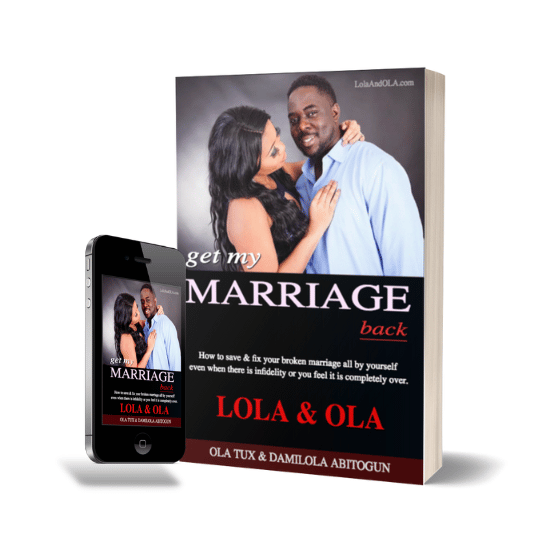
1. Get My Marriage Back by Lola & Ola โ€“ Best for Marriage Recovery

If your marriage feels broken, distant, or stuck in a painful cycle, this is the best place to start.

Many relationship books assume both spouses are equally motivated to improve the marriage. Real life rarely works that way.

Sometimes one spouse is fully invested while the other is emotionally checked out.

This book focuses on what you can control rather than obsessing over what your spouse should be doing differently.

What You’ll Learn

  • How attraction often disappears before love does
  • Why chasing, pleading, and convincing usually backfire
  • How personal leadership changes relationship dynamics
  • Practical strategies for rebuilding connection
  • How to stop operating from victimhood and start operating from empowerment

One of the most valuable lessons is that blame rarely produces positive change. Personal responsibility creates leverage.

marriage books - Get My Marriage Back by Lola & Ola โ€“ Best for Marriage Recovery

2. His Needs, Her Needs by Dr. Willard F. Harley Jr.

One of the most practical marriage books ever written.

This classic explores the emotional and relational needs men and women commonly experience in long-term relationships.

Many couples assume they know what their spouse needs because they would want the same thing.

That assumption creates disappointment.

What You’ll Learn

  • The most common emotional needs in marriage
  • Why unmet needs create vulnerability
  • How resentment develops over time
  • Ways to increase connection and appreciation
  • Strategies for creating mutual fulfillment

This book is particularly valuable because it helps couples move beyond assumptions and develop a deeper understanding of each other’s world.


3. The Five Love Languages by Gary Chapman

There is a reason this remains one of the most popular marriage books ever published.

Many couples genuinely love each other but communicate that love in ways their partner does not naturally recognize.

The result is frustration.

The Five Love Languages

  • Words of Affirmation
  • Quality Time
  • Receiving Gifts
  • Acts of Service
  • Physical Touch

What You’ll Learn

  • How your spouse experiences love
  • Why good intentions sometimes fail
  • How to communicate affection more effectively
  • Practical ways to increase emotional connection

Used correctly, this book becomes less about getting your needs met and more about becoming a more effective giver.

Ironically, that’s often what creates stronger attraction in return.


4. How to Win Friends and Influence People by Dale Carnegie

At first glance, this may seem like a business book.

In reality, it’s one of the most powerful relationship books ever written.

Marriage is fundamentally a human relationship, and human nature doesn’t change simply because two people exchanged wedding vows.

What You’ll Learn

  • How to reduce defensiveness
  • The art of influence without manipulation
  • Better listening skills
  • Ways to make others feel valued
  • How to build goodwill and trust

Many marriage conflicts revolve around control.

This book teaches a better path: influence through understanding and respect.


5. How to Be a 3% Man by Corey Wayne

Attraction matters in marriage.

Many couples mistakenly believe attraction should automatically sustain itself after the wedding.

Unfortunately, attraction requires intentional effort.

This book focuses heavily on confidence, emotional strength, and masculine leadership.

What You’ll Learn

  • Confidence versus neediness
  • Emotional self-control
  • Maintaining attraction in long-term relationships
  • Leadership without domination
  • Understanding masculine and feminine dynamics

Whether you agree with every point or not, the book offers valuable insights into maintaining romantic energy long after the honeymoon phase.


6. The Art of Seduction by Robert Greene

This may surprise people expecting a traditional marriage book.

However, one of the biggest mistakes married couples make is assuming seduction is only necessary before marriage.

Nothing could be further from the truth.

Seduction is not manipulation.

At its healthiest, seduction is the ongoing process of creating anticipation, mystery, emotional engagement, and attraction.

What You’ll Learn

  • Why attraction fades in predictable ways
  • The psychology of desire
  • The power of confidence and presence
  • How familiarity can reduce romantic tension
  • The importance of maintaining individuality

Many marriages become overly focused on logistics and responsibilities.

This book reminds readers that romance thrives when mystery, curiosity, and emotional excitement remain alive.


7. The Seven Principles for Making Marriage Work by John Gottman

Few researchers have studied marriage more extensively than John Gottman.

His work is based on decades of observing couples and identifying patterns that predict success or failure.

What You’ll Learn

  • The importance of friendship
  • How to manage conflict effectively
  • Building positive emotional deposits
  • Repairing emotional injuries
  • Creating shared meaning

One of the strongest insights from Gottman’s work is that friendship forms the foundation of lasting love.

Without friendship, attraction eventually struggles to survive.


8. The Meaning of Marriage by Timothy Keller

For readers who appreciate a faith-based perspective, this book provides a thoughtful exploration of marriage and commitment.

Rather than focusing exclusively on happiness, it examines how marriage contributes to personal growth and character development.

What You’ll Learn

  • The deeper purpose of marriage
  • Commitment beyond feelings
  • Grace and forgiveness
  • Personal transformation through partnership
  • Long-term relationship vision

This book aligns well with the idea that marriage exists not only for companionship but also for personal growth.


9. Love and Respect by Dr. Emerson Eggerichs

One of the most discussed books in marriage circles.

The central premise is simple:

Many men primarily desire respect, while many women primarily desire love.

When either feels deprived, unhealthy cycles begin.

What You’ll Learn

  • Common relationship misunderstandings
  • Respect and appreciation dynamics
  • How negative cycles develop
  • Better emotional communication
  • Conflict reduction strategies

Even if you don’t agree with every conclusion, the framework creates valuable conversations.

How to Get the Most Value From Marriage Books

My Wife Loves Me But Doesnโ€™t Desire Me | 5 Signs | 5 Tips


Why Most Marriage Advice Fails

Many couples become trapped because they focus almost entirely on what their spouse should change.

That approach rarely works.

The reality is that most marriages collapse for two primary reasons:

1. Mismanaged Expectations

People enter marriage expecting certainty, romance, validation, friendship, passion, growth, and emotional support without realizing these require continuous cultivation.

Unspoken expectations become future resentments.

2. Mismanaged Pride

Pride prevents necessary apology.

Arrogant pride prevents learning.

Pride prevents accountability.

And pride often keeps couples trapped in arguments they should have outgrown years ago.

When pride becomes more important than connection, emotional distance becomes inevitable.


The Hidden Attraction Killers in Marriage

Many marriages slowly lose attraction because of behaviors that quietly destroy emotional chemistry.

Common attraction killers include:

  • Neediness
  • Constant criticism
  • Emotional reactivity
  • Controlling behavior
  • Lack of patience
  • Excessive negativity
  • Shaming and blame
  • Self-righteousness
  • Chronic complaining
  • Loss of personal growth

Attraction grows when people continue evolving.

It declines when they stop.

The strongest marriages never stop dating, learning, growing, and seducing one another.


Sexless Marriage ❤️ Does my Marriage Still Have a Chance⁉️

How to Get the Most Value From Marriage Books

Reading alone changes very little.

Transformation happens through application.

As you read:

  • Focus on your own growth first
  • Highlight actionable insights
  • Apply one lesson at a time
  • Avoid using books as ammunition against your spouse
  • Discuss insights with curiosity, not superiority
  • Measure progress over months, not days

The goal isn’t to become an expert on marriage.

The goal is to become a better partner.

The easiest way to do that is to get both text and audio version of the books when they are available.


The best marriage books do more than teach communication techniques.

They help you develop self-awareness, emotional intelligence, attraction, leadership, friendship, and intimacy.

If you’re serious about creating a stronger relationship, start with Get My Marriage Back, then build your understanding with classics like His Needs, Her Needs, The Five Love Languages, The Art of Seduction, and The Seven Principles for Making Marriage Work.

A thriving marriage is not built by finding the perfect spouse.

It is built by two people who continue growing, learning, adapting, and choosing each other over and over again.

How To Handle Marriage Separation 💔 7 Tips

More Video on our YouTube Channel

FAQ – Frequently Asked Questions

What is the rule for success in marriage?

The most important rule for success in marriage is continuous personal growth combined with mutual respect. Strong marriages thrive when both partners manage expectations, communicate honestly, and prioritize connection over pride.

What is the most popular marriage book?

The Five Love Languages by Gary Chapman is widely considered one of the most popular marriage books of all time. Its simple framework helps couples understand how they naturally give and receive love.

How do you prevent burnout and maintain connection in marriage?

Preventing burnout requires balancing responsibility with romance, friendship, and personal growth. Couples who intentionally create quality time, maintain emotional intimacy, and support each other’s goals tend to stay connected longer.

How do you sustain marital intimacy in marriage?

Marital intimacy is sustained through emotional safety, attraction, trust, and ongoing effort. The strongest couples continue dating, flirting, expressing appreciation, and nurturing both emotional and physical connection throughout the relationship.


Broken Marriage?
Fix it
Here FREE

Get My Marriage Back