
Broken Marriage?
Fix it
Here FREE

Get My Marriage Back


Sexless Marriage Effects on Husbands: The Hidden Emotional Cost of Living Without Intimacy

A sexless marriage doesn’t just affect the bedroom. For many husbands, it slowly reshapes how they see themselves, how they relate to their wives, and even how they show up in every other area of life.


Take This 2 Minutes Quiz

Question 1 of 15

What are the sexless marriage effects on husbands, they often assume it’s simply about physical frustration. But that assumption misses the deeper reality. For many men, physical intimacy is one of the primary ways they experience emotional connection, acceptance, and romantic partnership. When that disappears, the emotional consequences often run much deeper than anyone realizes.

The danger is that many husbands respond in ways that unintentionally make the situation worse. …withdrawal. They become resentful. Also… repeatedly argue about sex. They seek validation through work, pornography, emotional affairs, or endless distractions. Others quietly surrender, convincing themselves that this is simply what marriage becomes.

None of those responses restore attraction.

The good news is that while the psychological effects of a sexless marriage are real, they don’t have to define your future. Understanding what’s happeningโ€”and responding with emotional intelligence, strength, and self-respectโ€”creates the best opportunity for lasting change.

sexless marriage effects on husbands - what is a sexless marriage

What Is a Sexless Marriage?

A sexless marriage is commonly defined as a marriage where sexual intimacy happens very rarely or not at all, often for six months or longer.

However, frequency alone doesn’t tell the whole story.

Some couples have infrequent sex but feel emotionally connected and mutually satisfied. Others may have regular sex while feeling emotionally miles apart.

In many marriages, the lack of physical intimacy is less the core problem and more the visible symptom of deeper issues such as:

  • Emotional disconnection
  • Chronic conflict
  • Unresolved resentment
  • Stress and exhaustion
  • Medical or hormonal challenges
  • Loss of attraction
  • Communication breakdown

For husbands, the absence of intimacy often feels like far more than the absence of sex. It can feel like losing the place where they once felt most accepted, admired, and emotionally connected.


The Real Sexless Marriage Effects on Husbands

The psychological effects of a sexless marriage on a man often develop slowly rather than all at once.

1. Confidence Begins to Erode

Repeated rejection is difficult not to personalize.

Even when a wife is withdrawing because of her own stress, emotional pain, or physical challenges, many husbands naturally begin asking themselves:

  • Am I unattractive?
  • Am I failing as a husband?
  • What’s wrong with me?

Eventually, those questions become beliefs.

That loss of confidence doesn’t stay confined to marriage. It often affects leadership at work, friendships, decision-making, and overall emotional resilience.


2. Emotional Loneliness Becomes the New Normal

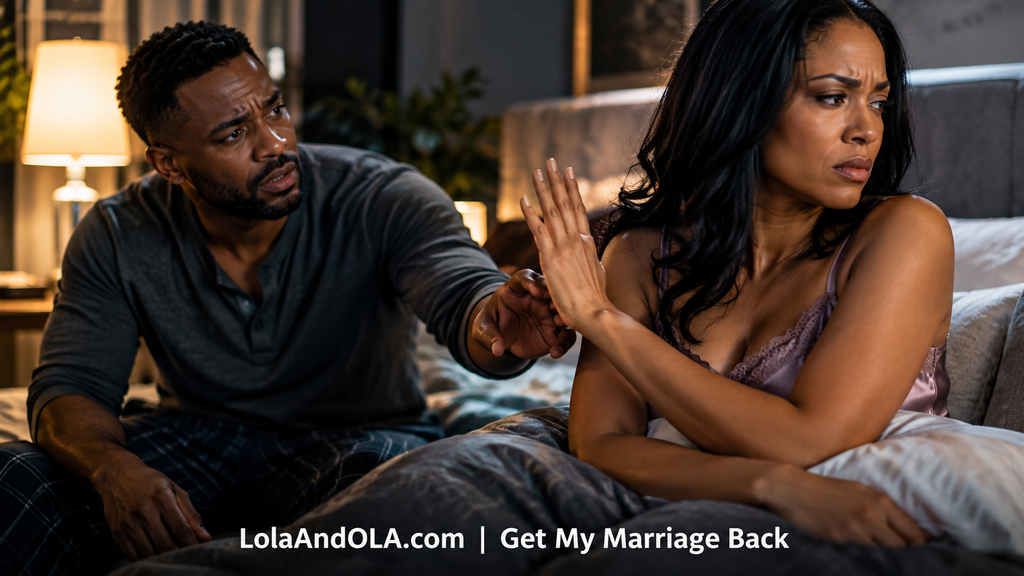
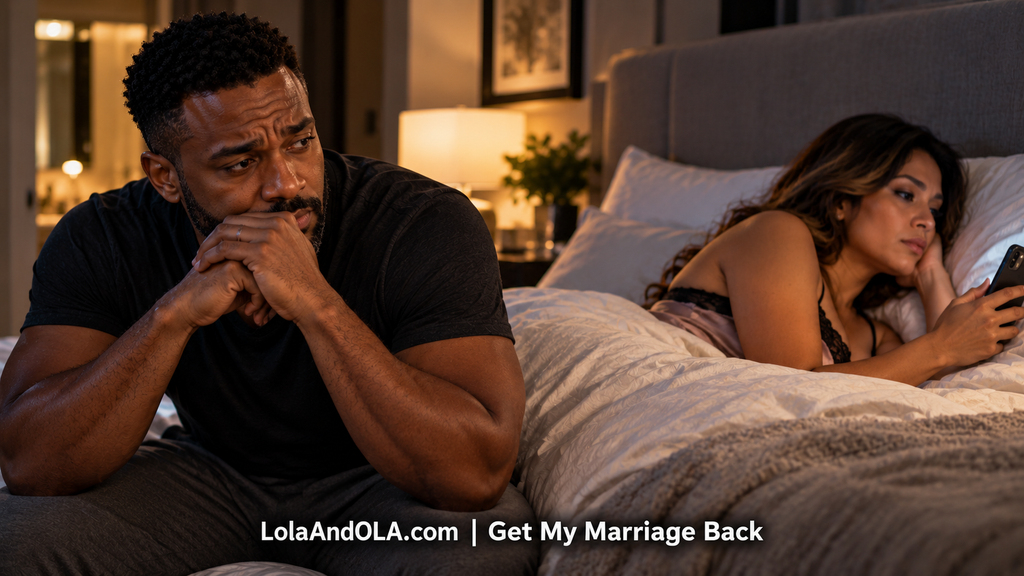
One of the cruelest parts of a sexless marriage is feeling lonely while sleeping beside the person you love.

Many husbands describe feeling more like roommates than romantic partners.

Daily conversations become centered around:

  • Bills
  • Parenting
  • Schedules
  • Household responsibilities

Romance quietly disappears.

Without emotional and physical connection, the marriage begins functioning like a business partnership instead of an intimate relationship.


3. Resentment Slowly Replaces Affection

Resentment rarely explodes overnight.

Instead, it accumulates through hundreds of small disappointments.

A husband who repeatedly feels rejected may eventually stop initiating altogether. Not because he no longer desires his wife, but because protecting himself from rejection feels safer.

Unfortunately, emotional withdrawal creates even greater distance.


4. Stress and Mental Health Can Suffer

The effects of no physical intimacy on a husband often extend beyond emotions.

Many men experience:

  • Increased anxiety
  • Lower motivation
  • Difficulty concentrating
  • Sleep disturbances
  • Elevated stress
  • Symptoms of depression

Intimacy isn’t simply about pleasure. Healthy physical affection helps many couples regulate stress, strengthen emotional bonding, and reinforce feelings of safety and connection.


5. Identity Starts to Shift

One of the least discussed psychological effects of a sexless marriage on a man is identity loss.

A husband may begin feeling less like a husband and more like:

  • A provider
  • A co-parent
  • A roommate
  • A problem-solver

The romantic part of his identity quietly disappears.

That internal shift often hurts more than the lack of sex itself.

Why Begging for Intimacy Usually Backfires - sexless marriage effects on husbands

Why Begging for Intimacy Usually Backfires

When husbands feel desperate, many instinctively try to fix the problem by talking about it repeatedly.

Ironically, this often creates more pressure instead of more desire.

Common reactions include:

  • Constantly bringing up the lack of sex
  • Keeping score
  • Guilt-tripping
  • Sulking
  • Seeking reassurance
  • Negotiating for affection

These behaviors usually communicate emotional neediness rather than confident leadership.

Desire cannot be guilted into existence.

Attraction grows in an atmosphere of emotional safety, respect, curiosity, and personal strengthโ€”not pressure, resentment, or constant negotiation.


How a Sexless Marriage Changes a Man

Many men don’t realize they’re changing until monthsโ€”or yearsโ€”have passed.

He may become:

  • Less playful
  • More emotionally guarded
  • Less affectionate
  • More irritable
  • Hyper-focused on work
  • Addicted to distractions
  • Spiritually disconnected
  • Less optimistic

The tragedy is that these coping mechanisms often reduce attraction even further.

Instead of becoming more emotionally magnetic, he unintentionally becomes more withdrawn, reactive, or emotionally unavailable.


Don’t Build Your Identity Around Your Wife’s Validation

One of the biggest mistakes a husband can make is allowing his sense of manhood to depend entirely on his wife’s level of desire.

Your wife’s attraction matters.

But it should never become the foundation of your identity.

A man who constantly waits for validation gradually gives away his emotional stability.

Healthy confidence is built internally through:

  • Physical health
  • Purpose
  • Emotional discipline
  • Spiritual grounding
  • Personal integrity
  • Meaningful friendships
  • Continuous growth

Ironically, these same qualities often make someone more attractive inside marriage as well.


Attraction Is Difficult to Sustain Without Emotional Leadership

Many couples assume fixing a sexless marriage means improving sexual techniques.

Usually, that’s not where the real work begins.

Long-term attraction is influenced by daily emotional dynamics.

Ask yourself honestly:

  • Have I become emotionally reactive?
  • Do I complain more than I inspire?
  • Have I stopped growing?
  • Am I leading my own life well?
  • Do I bring calm or chaos into our home?

Leadership isn’t domination.

It’s becoming emotionally steady enough that your presence brings security rather than emotional exhaustion.

That kind of strength tends to build attraction far more effectively than arguments about frequency ever will.


What Husbands Can Control

You cannot force desire.

…Cannot demand attraction.

You cannot negotiate chemistry.

…Can control how you lead yourself.

Focus on areas within your influence:

Prioritize Your Physical Well-Being

Exercise consistently.

Eat well.

Sleep properly.

Manage stress.

Your health influences both confidence and emotional resilience.


Rebuild Emotional Connection

Stop making every conversation about sex.

Instead:

  • Become genuinely curious.
  • Listen without immediately defending yourself.
  • Create moments of laughter.
  • Spend quality time together.
  • Reintroduce affection without expectation.

Many marriages rediscover intimacy long before sex returns.


Address Difficult Conversations With Respect

Avoid:

  • Blame
  • Shame
  • Sarcasm
  • Condemnation
  • Keeping score

Instead, communicate your experience honestly.

For example:

“I miss feeling close to you. This isn’t just about sex for me. I miss feeling like we’re truly connected.”

That creates far more room for meaningful dialogue than accusations ever will.


Continue Growing as a Man

A fulfilling life should never shrink down to one relationship.

Continue investing in:

  • Your purpose
  • Your faith or spiritual life
  • Friendships
  • Hobbies
  • Learning
  • Career
  • Service to others

Growth doesn’t replace intimacy.

But it prevents your entire emotional identity from depending upon it.


When Professional Help Makes Sense

Sometimes a sexless marriage reflects issues too complex to solve alone.

Professional support may help when there are:

  • Repeated unresolved conflicts
  • Trauma
  • Infidelity recovery
  • Medical concerns
  • Pornography addiction
  • Long-term emotional disconnection
  • Communication breakdown

Seeking help isn’t weakness.

It’s often the strongest decision a couple can make when both genuinely want to rebuild the relationship.

Hope Without Denial - Why Begging for Intimacy Usually Backfires

Hope Without Denial

If you’re experiencing the painful reality of a sexless marriage, your pain deserves to be acknowledged.

Feeling rejected doesn’t make you weak.

Wanting intimacy doesn’t make you needy.

At the same time, living in resentment, self-pity, or emotional dependence won’t restore the connection you’re longing for.

The strongest path forward combines honesty with responsibility.

Protect your dignity. Strengthen your character. Continue becoming the kind of man who leads himself with confidence, emotional intelligence, and purpose.

Whether your marriage ultimately heals or not, those investments will never be wasted.

Because real masculine strength isn’t measured by how desired you feel on any given dayโ€”it’s measured by who you continue becoming when life doesn’t unfold the way you hoped.


Frequently Asked Questions (FAQs)

How to handle a marriage without intimacy?

Start by approaching the issue with empathy and honest communication rather than blame or pressure. At the same time, invest in your own physical health, emotional well-being, and personal growth while working together to uncover the deeper causes behind the loss of intimacy.

Can men survive a sexless marriage?

Yes, many men survive a sexless marriage, but merely enduring it without addressing the underlying issues often leads to resentment, loneliness, and emotional detachment. The healthier goal is not just survival but rebuilding connection, strengthening self-respect, and deciding together whether the relationship can move toward greater intimacy.

What does lack of intimacy do to a husband?

A lack of intimacy can gradually affect a husband’s confidence, emotional security, stress levels, and sense of connection within the marriage. Over time, he may begin to feel more like a roommate than a romantic partner, making emotional withdrawal and resentment increasingly likely if the issue remains unresolved.

What happens to men with no intimacy?

Men who experience prolonged emotional and physical intimacy deprivation may struggle with loneliness, lowered self-esteem, increased stress, and a reduced sense of purpose within the relationship. Some withdraw into work or distractions, while others use the experience as a catalyst to develop greater emotional resilience, healthier boundaries, and personal growth.

YOU WILL LIKE THIS TOO…


How to Stop Thinking About Divorce After Betrayal

Is A Sexless Marriage Biblical Grounds For Divorce?

Wife or Husband Denying You Sex? DO THIS!!! How to Rebuild Desire Without Pressure

When you are wondering why a wife or husband would deny sex, chances are you’re not just looking for advice about intimacyโ€”you are looking for relief from rejection.

Question 1 of 15

And what should a husband do when his wife refuses to have sex?

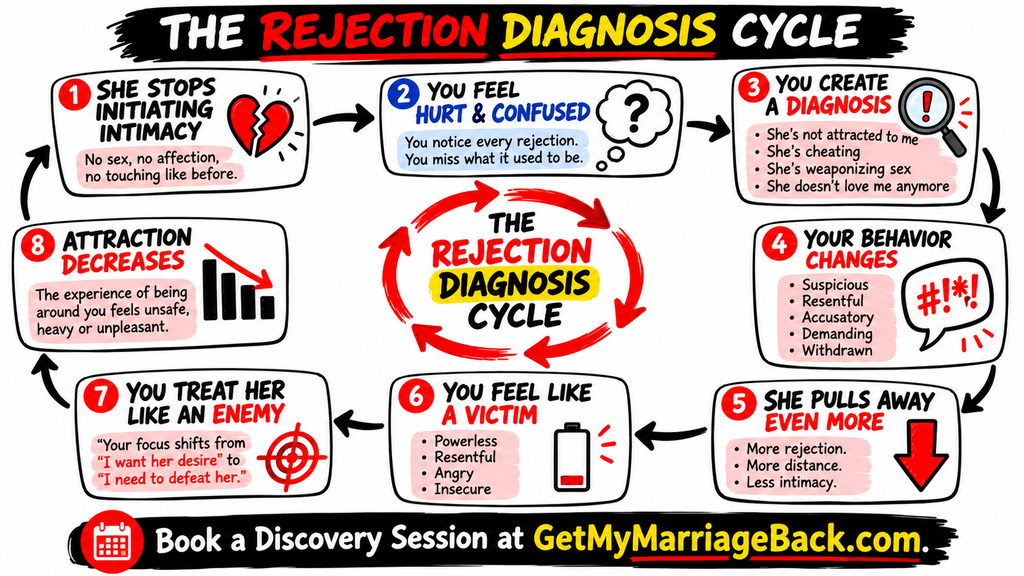
Being repeatedly turned down by your spouse hurts. It can make you question your attractiveness, your value, and even the future of your marriage. Many people eventually begin keeping score, feeling resentful, or wondering whether their spouse is intentionally withholding intimacy.

Yet the biggest mistake couples make is assuming that sexual rejection is primarily about sex.

In reality, sexual desire is usually the emotional scoreboard of a marriage. When emotional safety, attraction, trust, or admiration decline, physical intimacy often follows.

The encouraging news is this: you have far more influence over rebuilding attraction than you probably realize. But that influence rarely comes from demanding more sex. It comes from becoming the kind of partner your spouse naturally wants to move toward again.

Why Sexual Rejection Hurts So Much

Physical intimacy fulfills far more than a biological need.

For many people, sex represents:

  • Emotional connection
  • Acceptance
  • Validation
  • Romance
  • Security
  • Playfulness
  • Feeling desired

When intimacy repeatedly disappears, it’s easy to interpret it as:

  • “I’m no longer attractive.”
  • “My spouse doesn’t love me.”
  • “Something must be wrong with me.”
  • “Our marriage is falling apart.”

Sometimes those fears contain a grain of truth.

Most of the time, however, they are incomplete.

A spouse refusing sex is often responding to something much deeper than the bedroom itself.

wife husband denying sex - negotiating desire

Stop Treating Sex Like a Marital Negotiation

One of the fastest ways to destroy attraction is trying to negotiate desire.

Many spouses unintentionally say things like:

  • “We’re marriedโ€”you should want sex.”
  • “I’ve done everything around the house.”
  • “It’s been weeks.”
  • “The Bible says…”
  • “You owe me.”

While those frustrations are understandable, they rarely produce genuine desire.

They create pressure.

Pressure may produce reluctant compliance.

It almost never produces passionate attraction.

Real desire cannot be guilted into existence.

The moment intimacy becomes a transaction, it stops feeling romantic and begins feeling like an obligation.

The Entitlement Trap That Kills Attraction

Feeling rejected can quietly transform someone into what we might call the relationship police.

Instead of becoming attractive, they become focused on proving they are right.

That often looks like:

  • Tracking every rejection
  • Constantly bringing up the issue
  • Lecturing about marital duties
  • Sulking after rejection
  • Begging for intimacy
  • Becoming emotionally reactive

Ironically, these behaviors usually make rejection happen more often.

Why?

Because attraction thrives on freedomโ€”not pressure.

The more desperate someone becomes, the less emotionally safe intimacy begins to feel.

Is Your Spouse Really Denying You Sex?

This question changes everything.

Many couples assume intentional withholding when the reality is something different.

Often your spouse is not thinking:

“I want to punish you.”

Instead, they may be thinking:

  • “I’m emotionally exhausted.”
  • “I don’t feel connected.”
  • “I don’t feel safe.”
  • “I’m overwhelmed.”
  • “I don’t feel attractive.”
  • “I’m carrying unresolved hurt.”
  • “I’m under enormous stress.”

Those situations require healingโ€”not arguments.

Certainly, there are exceptions where intimacy is intentionally weaponized as manipulation or control.

But those situations are less common than many people assume.

Most of the time, desire has simply collapsed beneath unresolved emotional realities.

common reasons wife husband denying sex

5 Common Reasons a Wife or Husband Denies Sex

Every marriage is different, but some of the most common causes include:

1. Emotional Disconnection

When friendship weakens, attraction often weakens alongside it.

Couples who stop laughing together, dating each other, or enjoying one another usually notice intimacy decline as well.

2. Unresolved Resentment

Unspoken disappointments quietly accumulate.

The issue may not even be the latest argument.

It may be years of feeling unheard.

3. Stress and Mental Load

Financial pressure.

Children.

Career demands.

Caregiving.

An overwhelmed nervous system rarely feels seductive.

4. Medical or Hormonal Changes

Pain, illness, medication, depression, anxiety, hormonal shifts, and aging can all significantly affect libido.

Ignoring these possibilities only delays solutions.

5. Loss of Attraction

This is often the hardest possibility to face.

Attraction is dynamic.

It rises.

It falls.

Fortunately, it can also be rebuilt.

wife husband denying sex - pursuit-rejection cycle

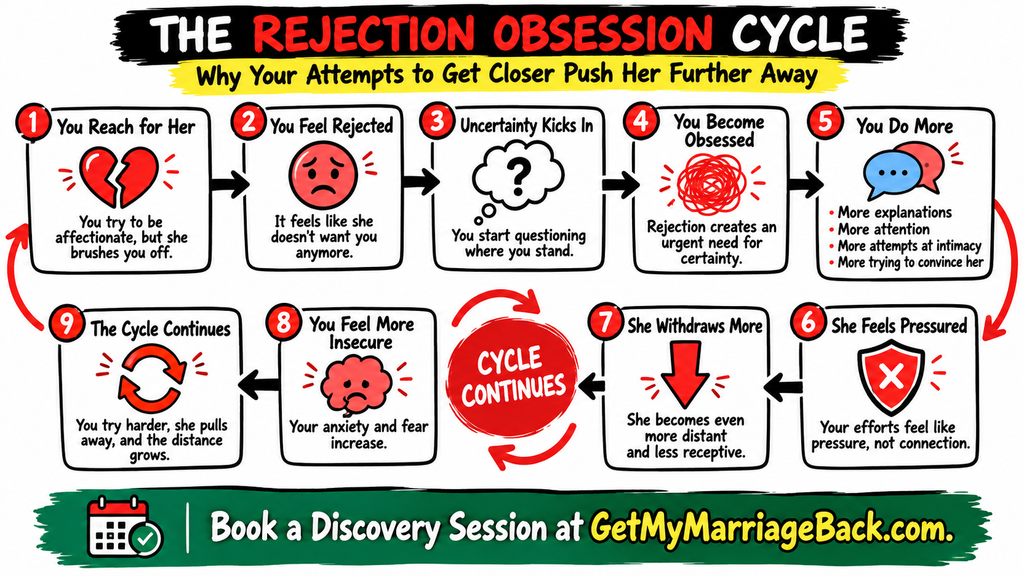
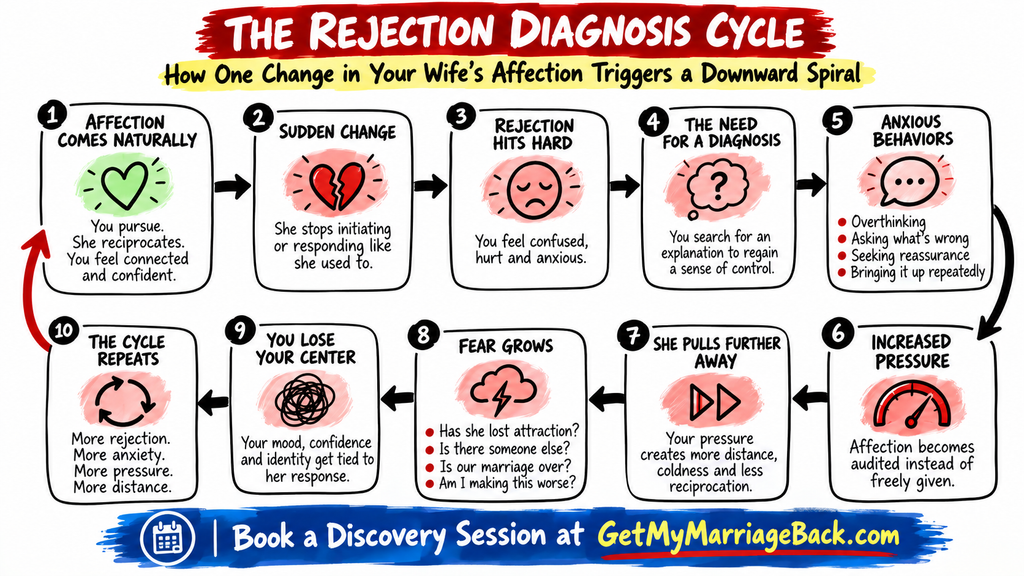
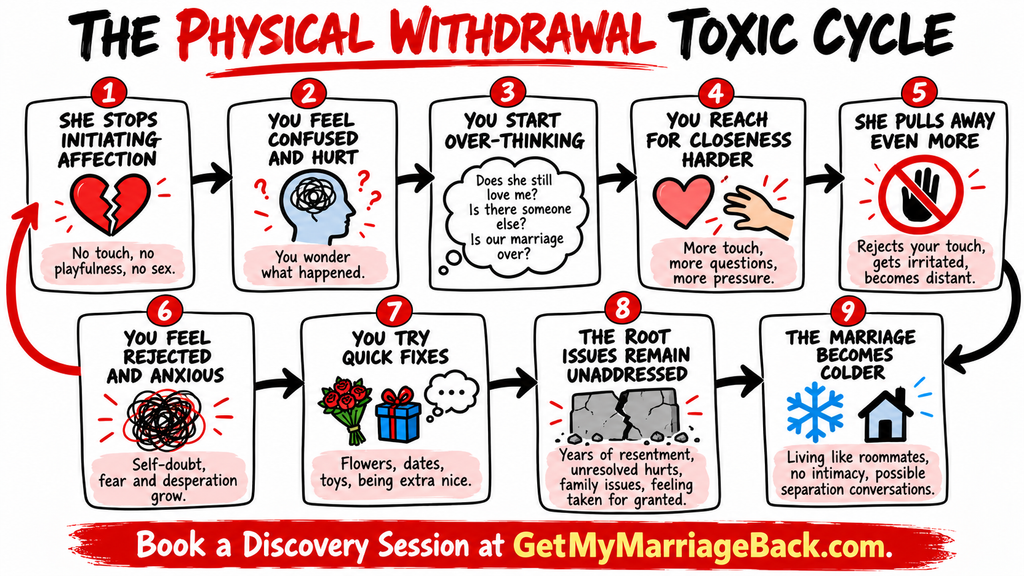
The Pursuit-Rejection Cycle Most Couples Never Notice

One partner feels rejected.

So they pursue harder.

The other partner feels pressured.

They withdraw further.

The first partner increases pressure.

The second partner distances even more.

This cycle repeats until intimacy feels emotionally unsafe for both people.

Breaking this cycle requires someone to stop reacting emotionally and start leading themselves.

That is real strength.

What To Do Instead of Begging for Sex

If your wife or husband consistently refuses intimacy, resist the urge to panic.

Instead:

1. Stop Chasing

Constantly asking for sex keeps attention on the problem.

Space often creates more curiosity than pressure ever will.

Backing off is not giving up.

It is removing unnecessary emotional pressure.

2. Become Curious Instead of Defensive

Instead of asking:

“Why won’t you sleep with me?”

Ask:

  • “How have you been feeling lately?”
  • “Have I been missing something important?”
  • “What has made intimacy difficult?”

Listening often reveals what arguing never will.

3. Rebuild Friendship First

Romance usually struggles when friendship disappears.

Focus on:

  • Shared experiences
  • Genuine laughter
  • Emotional conversations
  • Small acts of kindness
  • Quality time without expectations

People are naturally more drawn to partners they genuinely enjoy being around.

4. Improve Yourself Without Making It a Performance

One of the healthiest responses to rejection is personal growth.

Invest in:

  • Physical health
  • Emotional regulation
  • Confidence
  • Purpose
  • Grooming
  • Leadership
  • Patience

Do it for yourselfโ€”not as a hidden strategy to manipulate your spouse.

Ironically, authentic self-improvement often becomes attractive precisely because it isn’t driven by desperation.

Avoid the Behaviors That Quietly Destroy Desire

Many people unintentionally sabotage attraction through emotional habits like:

  • Neediness
  • Guilt trips
  • Blame
  • Shaming
  • Condescension
  • Emotional overreactions
  • Constant criticism
  • Keeping score

These behaviors create emotional tension where attraction struggles to survive.

Strong relationships are built on emotional safety, respect, and mutual admirationโ€”not fear or obligation.

What If Your Marriage Is Becoming Sexless?

A sexless marriage should never simply be ignored.

Neither partner should silently suffer forever.

If intimacy has disappeared for monthsโ€”or even yearsโ€”the goal is not assigning blame.

The goal is understanding why.

Sometimes honest conversations are enough.

Or… medical evaluation is appropriate.

Sometimes working with a qualified marriage or sex therapist provides the breakthrough both spouses have been unable to create alone.

Seeking help is not a sign of failure.

It is a sign that the marriage matters.

What About Biblical Teaching?

Many couples reference passages such as 1 Corinthians 7:3โ€“5 when discussing marital intimacy.

The passage emphasizes mutual generosity, shared responsibility, and protecting the marriage from unnecessary distance. However, using Scripture as leverage during conflict usually creates guilt rather than genuine desire.

Biblical love calls husbands and wives toward sacrificial love, mutual honor, patience, and understanding. When those qualities grow, healthy intimacy often becomes a natural expression of the relationship instead of something that must be demanded.

What should a husband do when his wife refuses to have sex? The Real Goal Is Not More Sexโ€”It’s More Desire

There is an enormous difference between having sex because someone feels pressured…

…and having sex because they genuinely want you.

One builds resentment.

The other builds marriages.

When you stop operating from wounded pride and start leading yourself with confidence, patience, emotional intelligence, and genuine curiosity, you create the environment where attraction has room to grow again.

You cannot force desire.

But you can become someone who consistently invites it.

SEX STARVATION 🔥 Low Attraction or ED? 5 TIPS


Frequently Asked Questions [FAQ]

What happens when wife denies husband sex?

Repeated sexual rejection can create feelings of loneliness, resentment, insecurity, and emotional distance if the underlying issues are never addressed. Rather than assuming malicious intent, it’s healthier to explore whether emotional disconnection, stress, health concerns, or unresolved conflict are contributing to the lack of desire.

What to do if your wife refuses to be intimate?

Avoid begging, arguing, or trying to negotiate intimacy, as pressure usually pushes desire further away. Focus on rebuilding emotional connection, listening without defensiveness, improving yourself, and having honest conversations to uncover the real obstacles to intimacy.

What to do when your husband denies you sex?

Resist taking the rejection as automatic proof that you are unattractive or unloved because many factors can reduce sexual desire. Approach the situation with empathy, invite open communication, and consider medical or professional support if the pattern continues without explanation.

How long is too long without intimacy in a marriage?

There is no universal timeline because every couple has different needs and expectations regarding physical intimacy. The real concern is not the number of weeks or months but whether both spouses feel connected, respected, and willing to work together to understand and resolve the issue.

11 Signs Your Wife Doesn’t Respect You (And What to Do About It)

Few things wound a husband more deeply than feeling disrespected by his wife. It doesn’t just hurt your egoโ€”it can make you question your value, your leadership, and even the future of your marriage.

More Video on our YouTube Channel

If you’ve been searching for signs your wife doesnt respect you, you’re probably not looking for validation to start another argument. You’re looking for answers because something feels fundamentally off.

Maybe she constantly criticizes you. Maybe she dismisses your opinions, rolls her eyes when you speak, or makes decisions without including you. Whatever the situation, it’s important to recognize one truth:

Respect cannot be demanded, argued into existence, or forced through intimidation. It is earned over time through consistent character, emotional stability, healthy boundaries, and leadership.

That doesn’t excuse disrespectful behavior. But if your goal is to rebuild your marriage instead of simply winning arguments, you’ll need a different approach.

Let’s examine the warning signsโ€”and more importantly, how to respond in a way that restores dignity rather than creating more distance.

signs your wife doesnโ€™t respect you

Why Respect Matters More Than Winning Arguments

Respect is one of the foundations of attraction in long-term relationships.

Without respect:

  • Communication becomes hostile.
  • Conflict becomes personal.
  • Intimacy begins to disappear.
  • Friendship slowly erodes.

Many husbands respond in one of two destructive ways.

Some become angry, reactive, and determined to prove they’re right.

Others become passive, avoid conflict, and constantly try to please their wives.

Ironically, both responses often reinforce the same problem.

One communicates emotional instability.

The other communicates a lack of self-respect.

Neither creates the calm confidence that naturally earns respect over time.

5 Signs of wife LOSING INTEREST In Husband

11 Signs Your Wife Doesn’t Respect You

1. She Constantly Belittles You

Constructive criticism is normal.

Contempt is different.

If she frequently calls you stupid, lazy, incompetent, weak, or mocks your abilities, that’s more than frustrationโ€”it’s disrespect.

This becomes even more concerning if these comments happen repeatedly after you’ve calmly expressed how hurtful they are.


2. She Rolls Her Eyes or Dismisses Everything You Say

Disrespect often shows up in subtle body language before it becomes obvious.

Examples include:

  • Eye rolling
  • Heavy sighs
  • Smirking
  • Interrupting
  • Acting like your opinions don’t matter

These behaviors communicate that she has stopped valuing your perspective.


3. She Makes Important Decisions Without You

Marriage is a partnership.

Healthy spouses consult each other before making significant financial, parenting, or family decisions.

If she consistently excludes you from major choices, she’s acting as though your input has little value.


4. She Publicly Embarrasses or Humiliates You

One of the clearest signs your wife doesnt respect you is when she criticizes or mocks you in front of:

  • Friends
  • Family
  • Children
  • Coworkers
  • Social media audiences

Healthy couples protect each other’s dignity in publicโ€”even when they disagree privately.


5. She Rarely Asks for Your Opinion

Everyone wants to feel that their thoughts matter.

If your wife never asks:

  • “What do you think?”
  • “How would you handle this?”
  • “Can I get your advice?”

it may indicate she no longer views you as someone whose judgment she values.


6. She Values Everyone Else’s Advice Over Yours

It’s perfectly healthy to seek advice from family or friends.

The issue arises when your opinion is consistently dismissed while everyone else’s opinions carry more weight.

Over time, this creates emotional distance and leaves you feeling like an outsider in your own marriage.


7. She Frequently Gives You the Silent Treatment

Taking space during conflict can be healthy.

Using silence as punishment is different.

When your wife consistently ignores you, refuses communication, or withholds interaction to gain emotional leverage, it damages trust and connection.


8. She Doesn’t Defend You

Respect often reveals itself when you’re not in the room.

If friends, relatives, or coworkers criticize you unfairly, a respectful spouse generally sets reasonable boundaries.

If she regularly joins in, laughs, or allows others to demean you without speaking up, it’s a warning sign.


9. She Shows Little Appreciation

Nobody expects constant praise.

But when your efforts go unnoticed for monthsโ€”or yearsโ€”it becomes difficult to feel valued.

Simple appreciation like:

  • “Thank you.”
  • “I appreciate what you do.”
  • “I noticed your effort.”

helps sustain emotional connection.

When appreciation disappears completely, respect often follows.


10. She Regularly Crosses Boundaries

Respect includes honoring each other’s emotional boundaries.

Examples include:

  • Ignoring reasonable requests
  • Invading privacy
  • Mocking personal values
  • Continuing hurtful behavior after repeated conversations

Healthy boundaries aren’t about controlling someone else.

They’re about defining what treatment you will and won’t accept.


11. She Treats You More Like a Roommate Than a Husband

Emotional indifference can sometimes hurt more than open conflict.

If your marriage has become little more than logistics, chores, bills, and parentingโ€”with little friendship, affection, admiration, or intimacyโ€”it may indicate respect and attraction have both eroded.

before your assume, here are signs your wife doesnโ€™t respect you
โ€œHow Do You Tell If Your Wife STILL LOVES YOU After SEPARATION?โ€

Before You Assume She Doesn’t Respect You

Sometimes what feels like disrespect is actually:

  • Chronic stress
  • Burnout
  • Unresolved resentment
  • Depression
  • Communication breakdown
  • Emotional exhaustion

Likewise, occasional frustration isn’t the same as persistent contempt.

Look for patterns rather than isolated incidents.

One bad week doesn’t define a marriage.

Months or years of recurring disrespect deserve serious attention.


The Biggest Mistake Most Husbands Make

When a man feels disrespected, his instinct is often to restore order immediately.

That usually looks like:

  • Lecturing
  • Defending himself endlessly
  • Demanding apologies
  • Trying to prove he’s right
  • Starting power struggles

Unfortunately, this rarely creates more respect.

It usually creates more resistance.

Respect grows when your behavior consistently reflects calm strengthโ€”not emotional volatility.


How to Rebuild Respect Without Begging for It

Stop Chasing Validation

Your worth cannot depend on whether your wife praises you today.

The more desperately you seek validation, the more emotionally dependent you become.

Confidence grows from within, not from constant approval.


Lead Yourself First

One uncomfortable truth is that people often mirror how we treat ourselves.

Ask yourself:

  • Have I neglected my physical health?
  • Have I abandoned my purpose?
  • Do I constantly seek reassurance?
  • Do I tolerate behavior that violates my own values?

Self-respect usually comes before receiving respect from others.


Establish Calm Boundaries

Boundaries are not threats.

They’re clear standards.

Instead of shouting:

“You need to respect me!”

Try:

“I’m willing to have this conversation when we’re both speaking respectfully.”

Then actually follow through.

Consistency matters far more than emotional intensity.


Stop Being Obsessed With Right and Wrong

Many marriages become courtroom battles.

Every disagreement turns into proving who’s correct.

That mindset creates opponents instead of partners.

The goal isn’t winning arguments.

The goal is rebuilding connection.


Rebuild Your Own Purpose

Attraction naturally increases when someone is living a meaningful life.

That doesn’t mean ignoring your marriage.

It means becoming someone whose identity isn’t entirely dependent on it.

Invest in:

  • Your physical health
  • Your career
  • Your spiritual life
  • Personal growth
  • Friendships
  • Leadership at home

Purpose creates stability.

Stability often creates respect.


Improve the Friendship

Respect rarely thrives where friendship has died.

Ask yourself:

  • Do we laugh together?
  • Do we enjoy each other’s company?
  • Have we become purely transactional?

Sometimes rebuilding attraction begins with rebuilding genuine companionship.


When Professional Help Is Necessary

Some marriages involve patterns that go far beyond ordinary disrespect.

If your relationship includes:

  • Emotional abuse
  • Threats
  • Intimidation
  • Constant humiliation
  • Manipulation
  • Fear

don’t simply try harder to earn respect.

Seek help from a qualified marriage counselor or individual therapist, and prioritize your emotional and physical safety.

Healthy leadership never means tolerating abuse.

signs your wife doesnโ€™t respect you - recognizing the signs

Recognizing the signs your wife doesn’t respect you can be painful, but it doesn’t automatically mean your marriage is over.

In many relationships, respect erodes gradually because resentment, poor communication, unhealthy expectations, and emotional reactivity quietly replace admiration and friendship.

The good news is that respect is rarely rebuilt through louder arguments or better speeches.

It grows through consistent self-respect, emotional intelligence, healthy boundaries, purpose, and steady leadership over time.

Instead of asking, “How do I make her respect me?” consider asking a better question:

“What kind of man am I consistently becoming?”

That shift won’t produce overnight resultsโ€”but it often becomes the beginning of lasting change.

Frequently Asked Questions [FAQ]

How do you handle a disrespectful wife?

Start by assessing your personal level of self respect before attempting to address disrespect. Instead of reacting emotionally or trying to win an argument, set clear boundaries, communicate your expectations respectfully, and focus on strengthening your own emotional stability and leadership while remaining open to counseling if the pattern continues.

How do I get my wife to respect me?

You cannot force or negotiate respect, but you can create the conditions where it naturally grows over time. Build self-respect through purpose, consistency, healthy boundaries, emotional intelligence, and dependable actions that inspire trust rather than demand admiration.

How to deal with a toxic wife?

If your wife regularly uses manipulation, humiliation, intimidation, or emotional abuse, recognize that these behaviors go beyond ordinary marital conflict. Protect your well-being, establish firm boundaries, and seek professional support to determine whether the relationship can become healthy again.

What are the first signs a marriage is ending?

Early warning signs include persistent contempt, emotional distance, unresolved resentment, poor communication, loss of friendship, and a decline in mutual respect and affection. While these patterns are serious, recognizing them early gives couples the best opportunity to address the underlying issues before they become permanent.

Your Husband Doesn’t Care About You? 4 Signs, How to Separate Feelings From Reality & Rebuild Connection

Few thoughts hurt more than quietly whispering to yourself, “My husband doesn’t care about me anymore.”

It often doesn’t happen overnight. Instead, it grows through weeks, months, or even years of emotional distance. Conversations become transactional. Affection fades. Date nights disappear. You stop feeling seen, appreciated, or emotionally safe.

Eventually, your heart reaches a painful conclusion:

“He just doesn’t care.”

That feeling deserves compassion. But before making a life-changing decision based on it, there’s an important distinction to make.

Your feelings are real. They deserve attention. But they are not always the complete picture.

Sometimes your husband truly has become emotionally disconnected. Other times, what you’re experiencing is complacency, unresolved resentment, burnout, depression, stress, or a marriage that has gradually lost its emotional and romantic energy.

Understanding the difference changes everything because you can’t solve the right problem if you’ve identified the wrong one.

my husband doesn't care about me

Why You Feel Like Your Husband Doesn’t Care About You

No woman wakes up one morning and randomly concludes her husband doesn’t care.

Usually, she’s responding to a consistent pattern such as:

  • He rarely initiates conversations.
  • Physical affection has almost disappeared.
  • He seems emotionally unavailable.
  • He prioritizes work, hobbies, friends, or screens over the relationship.
  • He seems indifferent when you’re hurting.
  • Arguments never seem to get resolved.
  • You feel more like roommates than spouses.

When these patterns continue long enough, your brain naturally fills in the blank:

“If he cared, he wouldn’t act this way.”

That’s an understandable conclusionโ€”but it’s not always the only explanation.


Separate Emotional Reality From Objective Reality

One of the healthiest skills in marriage is learning to separate emotional perception from objective evidence.

Your emotional experience matters.

If you feel neglected, lonely, or unwanted, those feelings are real. They shouldn’t be dismissed or minimized.

However, feelings answer the question:

“What am I experiencing?”

They don’t always answer:

“Why is this happening?”

That’s where many couples get stuck.

One spouse feels abandoned.

The other feels overwhelmed.

Neither understands the other’s internal world.


The Resource Test: Where Is He Investing His Life?

One practical way to evaluate whether your husband truly doesn’t care is to examine where he consistently invests his resources.

People generally put their:

  • Time
  • Energy
  • Attention
  • Effort
  • Money

behind what matters most to them.

For many husbands, especially those who naturally express love through responsibility rather than emotion, providing for the family is one of their strongest demonstrations of care.

Ask yourself:

  • Does he continue working hard to support your household?
  • Does he solve problems when they arise?
  • Does he protect the family’s stability?
  • Does he make sacrifices that benefit everyone?

If the answer is yes, the situation is probably more complicated than simply saying he doesn’t care.

He may be emotionally unavailable.

He may have become complacent.

He may have lost attraction or connection.

He may be carrying stress he hasn’t shared.

Those are serious issuesโ€”but they are different from complete indifference.

Affection - my husband doesn't care about me

When Caring and Affection Become Two Different Things

One of the biggest misunderstandings in marriage is assuming care and affection are identical.

A husband may genuinely care about his family while doing a poor job expressing warmth, empathy, romance, or emotional availability.

That doesn’t excuse emotional neglect.

But it does help explain why some wives feel unloved while their husbands sincerely believe they’re doing everything right.

He thinks:

“I work hard every day.”

She thinks:

“I haven’t felt emotionally close to you in months.”

Both experiences can be true simultaneously.

The real issue often becomes the growing affection deficit rather than the complete absence of care.


4 Signs Your Husband May Seem Like He Doesn’t Care

Before assuming the worst, consider whether any of these factors may be contributing.

1. Emotional Burnout

Many people don’t process stress by talking more.

They withdraw.

Financial pressure, career struggles, health concerns, and family responsibilities can quietly consume emotional energy.

Unfortunately, marriage often receives whatever energy remains.


2. Unresolved Resentment

Sometimes emotional distance isn’t caused by a lack of love.

It’s caused by unresolved hurt.

Old arguments.

Broken trust.

Repeated disappointments.

Unspoken expectations.

When resentment accumulates, affection often disappears long before love does.


3. Lost Friendship

Romance rarely survives where friendship dies.

Many couples spend years managing children, bills, careers, and responsibilities while unintentionally neglecting simple friendship.

They stop laughing together.

Stop learning about each other.

Stop enjoying each other’s company.

Without friendship, emotional attraction slowly fades.


4. The Marriage Has Become Predictable

Every relationship needs both certainty and variety.

Security creates trust.

Novelty creates excitement.

When every week looks identical, emotional energy naturally declines.

Sometimes the relationship doesn’t need a dramatic rescue.

It simply needs fresh experiences together.


Could Attraction Have Changed?

This is an uncomfortable conversation, but an important one.

Sometimes a husband still cares deeply about the marriage while losing romantic attraction within the relationship.

Attraction isn’t only physical.

It’s emotional.

Behavioral.

Psychological.

Relational.

Over time, criticism, constant conflict, emotional neediness, defensiveness, resentment, or chronic negativity can quietly reduce attraction for either spouse.

Likewise, emotional distance, passivity, neglect, or a lack of effort from him can diminish your attraction toward him.

Rather than asking only:

“Does he care?”

A more productive question may be:

“What has happened to the emotional climate of our marriage?”

That question creates room for solutions instead of assumptions.


What You Can Control Right Now

You cannot force your husband to become emotionally available.

You cannot control his choices.

You cannot make him care more than he chooses to.

But you can influence the emotional environment you help create.

Healthy influence begins with personal leadership, not self-blame.

That means asking:

  • Am I communicating my needs clearly instead of expecting him to guess?
  • Have criticism and frustration replaced curiosity?
  • Are we making time for friendship?
  • Have we stopped prioritizing intimacy?
  • Am I becoming the version of myself I respect regardless of his response?

Taking responsibility for your influence is empowering.

Taking responsibility for his decisions is impossible.

Know the difference.


How to Talk to Your Husband Without Making Him Shut Down

If you’ve reached the point where you’re thinking, “My husband doesn’t care about me,” the conversation matters.

Instead of saying:

“You never care about me.”

Try:

“I’ve been feeling lonely lately, and I miss feeling close to you.”

Instead of building a courtroom case filled with evidence, invite him into the emotional experience you’re having.

People are often less defensive when they don’t feel they’re being prosecuted.

The goal isn’t to win an argument.

The goal is to reopen emotional connection.


When It Really Is Emotional Neglect

Sometimes the evidence points beyond complacency.

If your husband consistently shows no concern for your emotional, physical, or relational well-beingโ€”and refuses every reasonable attempt to rebuild the marriageโ€”you may be facing genuine emotional neglect.

Signs include:

  • Complete emotional indifference.
  • Persistent contempt.
  • Chronic disrespect.
  • Refusal to communicate.
  • No effort toward repair.
  • No investment in the relationship whatsoever.

At that point, the question shifts.

Instead of asking:

“How do I make him care?”

You begin asking:

“Why am I accepting a relationship where my basic emotional needs are consistently ignored?”

That isn’t about blaming yourself.

It’s about reclaiming your standards, dignity, and long-term emotional health.

Identity - my husband doesn't care about me

Don’t Let This Thought Become Your Identity

Thinking, “My husband doesn’t care about me,” is a painful emotional experience.

It should never become your identity.

Whether the problem is complacency, stress, lost attraction, unresolved resentment, or genuine emotional neglect, your next step is the same:

Seek clarity before certainty.

Observe patterns instead of isolated moments.

Communicate before concluding.

Lead yourself before trying to lead your spouse.

Many marriages recover after seasons of emotional distance because both spouses become willing to address what was happening beneath the surface.

And if your marriage cannot be rebuilt, you’ll move forward knowing your decisions were guided by wisdom rather than assumptions.

19 Signs Your Wife Is Not Sexually Attracted To You

Frequently Asked Questions [FAQ]

What to do when your husband doesn’t care about you?

Start by identifying whether you’re dealing with emotional distance, complacency, or genuine neglect rather than assuming they are all the same. Communicate your experience calmly, focus on what you can influence, and seek professional marriage counseling if both of you are willing to work on rebuilding the relationship.

What are the first signs a marriage is ending?

Common early signs include persistent emotional distance, unresolved conflict, loss of friendship, declining intimacy, and little interest in repairing disagreements. While these warning signs deserve serious attention, they do not automatically mean the marriage is beyond saving if both spouses are willing to address them.

How does a man act when he doesn’t care about you?

A husband who no longer cares may consistently show indifference to your emotional needs, avoid meaningful conversations, refuse to repair conflict, and make little or no effort to invest in the relationship. However, emotional withdrawal alone is not enough to reach that conclusion because stress, burnout, resentment, or complacency can produce similar behaviors.

What does emotional neglect do to a wife?

Emotional neglect can leave a wife feeling lonely, unseen, rejected, and emotionally unsafe even while living under the same roof as her husband. Over time, it can reduce self-confidence, increase anxiety or resentment, and weaken the friendship and intimacy that healthy marriages depend on.

How Often Should Married Couples Spend Time Together?

Finding the Right Balance Between Connection and Independence

If you’ve found yourself wondering how often should married couples spend time together, you’re asking a question that thousands of spouses quietly wrestle with every month.

For some, the question comes from loneliness. You feel like your spouse is always working, distracted, or prioritizing everyone else ahead of the marriage. You miss the closeness you once had and wonder whether your relationship is drifting apart.

For others, the opposite is true. You love your spouse, but you feel like you’re suffocating. Every hobby, errand, social outing, or evening becomes a joint activity, and somewhere along the way, you’ve lost the freedom to simply be yourself.

Both experiences are common.

The problem is that many people approach this question as though there must be one perfect number.

“We should spend six hours together every week.”

“Healthy couples have date night every Friday.”

“We should do everything together.”

None of these are universal truths.

Healthy marriages aren’t measured by a stopwatch. They’re measured by whether both partners consistently feel connected, respected, desired, and emotionally safe.

Quality almost always beats quantity.

There Isn’t a Magic Number

Search online and you’ll find plenty of relationship “rules.”

Some therapists recommend around six hours of intentional quality time each week. Others suggest the 15-hour rule, arguing that couples who spend fifteen hours of focused attention together build stronger emotional intimacy. You’ll also hear about the popular 2-2-2 Rule, which encourages couples to enjoy a date every two weeks, a weekend getaway every two months, and a longer vacation every two years.

These ideas can be helpful because they encourage intentionality.

But they become harmful when couples mistake them for commandments.

A firefighter working rotating shifts, parents raising three young children, military families, entrepreneurs, retirees, and newlyweds all have completely different schedules and demands. Trying to force every marriage into the same formula often creates unnecessary guilt and frustration.

Instead of asking:

“How many hours should we spend together?”

Ask a better question:

“Are we consistently meeting each other’s emotional need for connection while still allowing each other room to grow?”

That question gets much closer to what actually builds a thriving marriage.

The Real Issue Usually Isn’t Time

In many marriages, “we don’t spend enough time together” isn’t actually the root problem.

It’s simply the symptom.

Underneath that complaint are deeper emotional needs.

One spouse may be craving reassurance.

Another may be longing to feel desired again.

Someone else simply wants uninterrupted conversation without phones, television, or work getting in the way.

Sometimes the issue isn’t that you’re together too little.

It’s that when you are together, neither of you is truly present.

You can sit on the same couch for four hours while scrolling your phones and still feel emotionally disconnected.

Conversely, twenty minutes of focused conversation, laughter, flirtation, affection, and genuine curiosity can strengthen a marriage far more than an entire distracted weekend.

Presence creates intimacy.

Proximity alone does not.

how often should married couples spend time together - every marriage

Every Marriage Must Balance Two Healthy Needs

One of the biggest myths about marriage is that healthy couples should want to spend every available moment together.

That sounds romantic.

In reality, it often creates dependency instead of intimacy.

Healthy marriages satisfy two equally important needs:

  • The need for connection
  • The need for individuality

When either one is ignored, attraction often begins to suffer.

If connection disappears, partners become roommates.

If individuality disappears, partners can begin feeling trapped or emotionally overwhelmed.

Lasting attraction lives in the healthy tension between togetherness and independence.

The strongest marriages aren’t built by two people losing themselves.

They’re built by two people continually choosing each other while still growing as individuals.

If You Feel Emotionally Starved

If you’re searching how often should married couples spend time together because you feel neglected, resist the temptation to make your first move a complaint.

Statements like:

  • “You never spend time with me.”
  • “You’re always working.”
  • “You care more about your friends than me.”

usually create defensiveness instead of closeness.

A better approach is emotional leadership.

Before asking for more quality time, become curious about how your spouse naturally experiences love.

One simple exercise is taking a love languages assessment togetherโ€”not because it’s a perfect system, but because it helps create meaningful conversations about how each of you feels appreciated.

If your spouse primarily experiences love through acts of service, thoughtful gestures may speak louder than long conversations.

If physical affection helps them feel connected, leading with warmth and affection may soften emotional walls before discussing your own needs.

When people consistently feel emotionally fed, they’re usually much more willing to reciprocate.

In other words, instead of leading with what you’re missing, begin by intentionally giving what helps your spouse feel loved.

That often creates the emotional atmosphere where quality time becomes something they naturally wantโ€”not something they feel pressured into.

If You Feel Smothered Instead

Not every spouse searching how often should married couples spend time together is longing for more connection.

Some are quietly craving breathing room.

That doesn’t mean you love your spouse less. It means you’ve reached a point where you’ve lost healthy individuality, and without realizing it, the relationship has become emotionally crowded.

This often happens gradually.

Maybe every evening is spent together. Every weekend is planned together. Every invitation assumes you’ll attend as a couple. Over time, your personal hobbies, friendships, and interests slowly disappear.

Ironically, spending too much time together can diminish attraction.

Healthy attraction requires a healthy balance between familiarity and mystery. When couples never experience life independently, they stop bringing fresh stories, new energy, and personal growth back into the relationship.

One of the easiest ways to reclaim healthy space is surprisingly simple.

Create recurring activities that genuinely belong to you.

Create Personal Space Without Creating Rejection

Many people make the mistake of saying:

“I just need some space.”

Unfortunately, an anxious spouse often hears something completely different.

“You don’t want to be around me anymore.”

That’s why how you create space matters just as much as creating it.

Instead of framing it as escaping your spouse, build a rhythm around interests that naturally belong to you.

Examples include:

  • Joining a golf league.
  • Taking a photography class.
  • Volunteering for a cause you care about.
  • Training for a marathon.
  • Going fishing once a month.
  • Taking a woodworking course.
  • Meeting friends for breakfast every other Saturday.

Notice the difference.

You’re not pushing your spouse away.

You’re moving toward something that helps you grow.

Even better, choose activities your spouse genuinely has little interest in joining. That removes the emotional sting of exclusion because the activity naturally fits your interests rather than becoming a rejection of theirs.

Aim for two or three recurring solo activities each month.

Those moments create healthy breathing room while giving you fresh experiences to bring back into your marriage.

Independence Doesn’t Kill Attractionโ€”It Fuels It

Many people mistakenly believe that the happiest couples spend every waking moment together.

Research and real-life experience suggest something more nuanced.

Strong marriages thrive when both partners experience:

  • Security
  • Connection
  • Personal growth

Growth requires space.

When you continue developing yourself, you become more interestingโ€”not less committed.

One of the biggest attraction killers is becoming emotionally stagnant.

Your spouse fell in love with someone who was learning, growing, discovering, laughing, and experiencing life.

Keep becoming that person.

Healthy independence communicates confidence.

Confidence is attractive.

Neediness rarely is.

Beware the “Suffocator” Trap

Within our relationship framework, one of the quickest ways to unintentionally reduce attraction is becoming what we call a Suffocator.

A Suffocator isn’t necessarily controlling.

Often, they’re simply anxious.

They constantly seek reassurance.

And the struggle with separation.

They unintentionally expect their spouse to meet nearly every emotional need.

While the intention is closeness, the result is often emotional exhaustion.

No spouse was designed to become your entire world.

Healthy marriages still make room for:

  • Friendships
  • Family
  • Personal interests
  • Spiritual growth
  • Physical health
  • Individual purpose

Ironically, couples who allow one another room to breathe often experience more closenessโ€”not less.

A Practical Weekly Rhythm That Works

Rather than chasing a perfect hourly quota, focus on creating intentional rhythms that fit your stage of life.

A healthy week might include:

Daily Connection (15โ€“30 Minutes)

Spend uninterrupted time talking.

No phones.

And no television.

No multitasking.

Ask about each other’s day.

Laugh together.

Pray together if that’s part of your marriage.

Listen more than you speak.

Small daily investments prevent large emotional withdrawals.

Weekly Date Time

It doesn’t have to be expensive.

The purpose isn’t entertainment.

It’s intentional connection.

Go for coffee.

Cook together.

Take a walk.

Play cards.

Visit a local park.

Try a new restaurant.

The activity matters far less than the attention you give one another.

Monthly Adventure

Routine builds stability.

Novelty builds excitement.

Each month, intentionally break routine.

Take a day trip.

Visit somewhere new.

Attend a concert.

Try a hobby together.

Explore a nearby town.

Shared experiences create shared memories, and shared memories strengthen emotional bonds.

Individual Growth Time

Just as important as date night is personal growth time.

Encourage one another to pursue passions independently.

One spouse may enjoy painting.

The other may enjoy cycling.

Support both.

Healthy marriages don’t erase individuality.

They celebrate it.

Don’t Measure Hoursโ€”Measure Emotional Connection

One couple may spend three hours together every evening and still feel disconnected.

Another may spend just one focused hour together because of demanding careers and still feel deeply in love.

The difference isn’t the calendar.

It’s the quality of engagement.

Ask yourselves questions like:

  • Do we laugh together?
  • Do we still flirt?
  • Do we genuinely enjoy each other’s company?
  • Do we know what’s happening emotionally in each other’s lives?
  • Do we feel emotionally safe with one another?
  • Are we making each other a priority?

Those answers tell you far more about your marriage than counting hours ever will.

The Four Areas That Usually Need Attention

When couples argue about spending time together, time itself is rarely the real issue.

In our experience, the conflict usually traces back to one of four leverage points.

1. Friendship

Many marriages slowly stop being friendships.

Conversations become logistical.

Romance fades.

Fun disappears.

If you wouldn’t enjoy spending time together as friends, simply increasing the number of hours won’t solve the problem.

2. Intimacy

Physical and emotional intimacy reinforce one another.

Couples who intentionally nurture affection, flirtation, and emotional safety often find quality time becoming much more natural because both partners actually look forward to being together.

3. Expectations

One spouse expects every evening together.

The other assumes weekends are enough.

Neither expectation is wrong.

Problems arise when expectations remain unspoken.

Healthy couples regularly discuss what “enough time together” actually looks like for both people.

4. Pride and Ego

Sometimes neither spouse wants to make the first move.

Both wait.

They keep score.

Both silently hope the other changes first.

Unfortunately, pride can quietly steal months or even years of connection.

The stronger leader in the marriage is usually the one willing to love first, apologize first, initiate first, and reconnect first.

That isn’t weakness.

It’s emotional maturity.

how often should married couples spend time together - create tasks, not complaint

Create Tasks, Not Complaints

If you’re wondering how often should married couples spend time together, it’s easy to focus on what your spouse isn’t doing.

“You never make time for me.”

“You’re always busy.”

“We never do anything together anymore.”

Those statements may accurately describe your experience, but they rarely inspire change. More often, they trigger defensiveness, guilt, or withdrawal.

Instead of creating complaints, create opportunities.

Become the person who makes connection easier.

That is what self-leadership looks like in a marriage.

Here are a few practical habits that can dramatically increase quality time without making your spouse feel pressured.

Task 1: Schedule One Meaningful Date Every Week

It doesn’t have to be elaborate.

Some of the strongest marriages are built on simple, consistent rituals.

Ideas include:

  • Cooking dinner together.
  • Walking after dinner.
  • Visiting a local coffee shop.
  • Playing a board game.
  • Watching the sunset.
  • Trying a new restaurant.
  • Taking a scenic drive.

The goal isn’t entertainment.

The goal is uninterrupted attention.

Task 2: Learn Each Other’s Love Language

One of the easiest ways to improve quality time is to stop assuming your spouse receives love the same way you do.

Take a love languages assessment together and discuss the results.

If your primary love language is quality time but your spouse values acts of service, they may genuinely believe they’re showing love every day by helping around the houseโ€”even while you’re longing for more conversations and shared experiences.

Likewise, if their love language is physical touch, a warm embrace or affectionate hand on the shoulder may communicate love more powerfully than planning another date night.

Understanding how your spouse naturally receives love helps you invest your energy where it has the greatest emotional return.

Task 3: Feed Their Needs Before Asking for Yours

One of the most overlooked principles in healthy marriages is reciprocity.

People are generally more receptive when they already feel emotionally full.

Instead of beginning with what you’re missing, intentionally meet one of your spouse’s emotional needs first.

Offer encouragement.

Express appreciation.

Show affection.

Complete a thoughtful act of service.

Speak words of admiration.

This isn’t manipulation.

It’s generosity.

And generosity often inspires generosity in return.

When your spouse consistently feels valued, asking for more intentional time together becomes a conversationโ€”not a conflict.

Task 4: Create Two or Three Personal Growth Activities

If you’re the spouse feeling smothered, don’t wait until frustration turns into resentment.

Proactively build a life that includes healthy independence.

Choose two or three recurring monthly activities that genuinely help you grow.

Examples include:

  • Joining a sports league.
  • Learning an instrument.
  • Attending a men’s or women’s group.
  • Hiking.
  • Reading at your favorite cafรฉ.
  • Taking a continuing education class.
  • Serving in your community.

Healthy marriages aren’t threatened by personal growth.

They’re strengthened by it.

Task 5: Hold a Monthly Marriage Check-In

Once a month, ask each other a few simple questions.

  • What’s something I did this month that made you feel loved?
  • Is there anything you’ve been needing that I haven’t noticed?
  • Do you feel like we’ve spent enough meaningful time together?
  • What should we do together next month?
  • Is there anything we should stop doing?

These conversations prevent small disappointments from becoming major conflicts.

Common Mistakes Couples Make

Many marriages don’t struggle because couples stop loving each other.

They struggle because unhealthy habits quietly replace healthy ones.

Watch for these common mistakes.

Mistake #1: Confusing Proximity with Connection

Being in the same room isn’t the same as spending time together.

If both of you are watching separate screens, answering emails, or scrolling social media, your bodies may be close while your attention is miles apart.

Real connection requires presence.

Mistake #2: Expecting Your Spouse to Meet Every Emotional Need

No healthy marriage places the entire burden of happiness on one person.

Your spouse should enrich your lifeโ€”not become your entire identity.

Continue investing in your relationship with God, your purpose, healthy friendships, family, physical health, and personal development.

A whole person usually becomes a better spouse.

Mistake #3: Keeping Score

“I planned the last date.”

“Why do I always initiate?”

“I text first.”

“Can you do more?”

Scorekeeping slowly transforms partners into opponents.

Healthy marriages aren’t competitions.

They’re partnerships.

Sometimes you’ll give more.

Sometimes your spouse will.

Over time, healthy couples focus less on fairness in every moment and more on generosity across the relationship.

Mistake #4: Letting Pride Delay Reconnection

Our framework identifies pride and mismanaged expectations as two of the greatest causes of long-term relationship breakdown.

Waiting for your spouse to make the first move may protect your ego today, but it can quietly damage your marriage tomorrow.

Someone has to lead.

Choose to be that person.

Leadership isn’t about control.

It’s about creating emotional safety.

Lasting Attraction Requires Intentionality

One of the greatest misconceptions about marriage is that attraction naturally sustains itself.

It doesn’t.

Attraction is cultivated.

It grows through intentional choices.

Couples who continue dating each other, laughing together, flirting, serving one another, resolving conflict with emotional maturity, and pursuing personal growth tend to experience deeper connection over time.

Notice that none of those require expensive vacations or perfect schedules.

They require intentionality.

The marriages that thrive for decades aren’t usually the ones with the most free time.

They’re the ones that consistently choose each other.

how often should married couples spend time together - universal number

So, how often should married couples spend time together?

There isn’t a universal number.

For some couples, six intentional hours each week creates plenty of connection.

Others flourish with more because of their lifestyle, while some maintain a strong bond despite demanding careers or young children by protecting a few meaningful moments every day.

The healthiest marriages don’t obsess over hitting a specific hourly target.

Instead, they ask a better question:

“Do we both feel connected, valued, respected, and free to continue growing?”

If the answer is yes, you’re probably finding the right rhythm.

If the answer is no, don’t panic.

Don’t start with blame.

Start with leadership.

Create opportunities to connect.

Respect each other’s individuality.

Feed one another’s emotional needs.

Communicate openly.

And remember that a thriving marriage isn’t built by two perfect people spending every minute together.

It’s built by two imperfect people who intentionally keep choosing each other.

19 Signs Your Wife Is Not Sexually Attracted To You

Frequently Asked Questions [FAQ]

What is the success rule for married couples?

There isn’t a single success rule that guarantees a happy marriage, but thriving couples consistently practice respect, trust, honest communication, and intentional quality time. They focus on solving problems together instead of trying to win arguments, understanding that teamwork strengthens both friendship and attraction.

How often does the average couple spend time together?

Research varies, but many relationship experts recommend around five to six hours of intentional quality time per week, while others suggest even more focused interaction. The key is not simply being in the same house but giving each other undivided attention through meaningful conversation, shared activities, and affection.

What is the rule of success in relationships?

The most reliable rule of success in relationships is to consistently invest in connection before problems force your attention. Healthy couples communicate openly, manage expectations, extend grace during conflict, and continue nurturing friendship long after the honeymoon phase ends.

What is the rule for success to intimacy in marriage?

Healthy intimacy grows from emotional safety, trust, consistent affection, and genuine friendshipโ€”not simply physical closeness. Couples who regularly spend meaningful time together, communicate honestly, and prioritize each other’s emotional needs often experience stronger intimacy both inside and outside the bedroom.


Broken Marriage?
Fix it
Here FREE

Get My Marriage Back