
Broken Marriage?
Fix it
Here FREE

Get My Marriage Back


11 Signs of Disrespect From Your Husband: 11 Painful Red Flags You Should Never Ignore

Love may bring two people together, but respect is what keeps a marriage standing when life gets difficult. When respect begins to disappear, emotional safety disappears with it. The result is often confusion, resentment, loneliness, and a growing feeling that something is fundamentally wrong in the relationship.

Many women searching for signs of disrespect from your husband are not simply looking for a list of bad behaviors. They are trying to understand why they no longer feel valued, heard, cherished, or emotionally secure in their marriage.

The truth is that disrespect rarely starts with dramatic betrayals. More often, it shows up in subtle patterns that slowly erode connection and attraction over time. What makes it particularly painful is that many women begin questioning themselves instead of questioning the behavior.

Understanding these signs is not about assigning blame. It is about gaining clarity so you can lead yourself with confidence, establish healthy boundaries, and create the conditions where mutual respect can either be restored or honestly evaluated.

signs of disrespect from your husband

Why Respect Matters More Than Most People Realize

Marriage is built on several emotional foundations: friendship, intimacy, trust, shared expectations, and mutual admiration.

When respect weakens, all of these areas suffer.

A husband who no longer respects his wife may still say he loves her. He may still provide financially. He may still show up physically. Yet his actions communicate something entirely different.

Respect is demonstrated through behavior, consideration, sacrifice, and partnership. It is reflected in how someone treats you when they disagree with you, when they are frustrated, and when nobody else is watching.

Without respect, attraction fades, communication becomes toxic, and emotional connection begins to die.

11 Signs Your Wife Doesn’t Respect You

11 Signs of Disrespect From Your Husband

11 Signs of Disrespect From Your Husband

1. He Constantly Dismisses Your Feelings

One of the clearest signs of disrespect from your husband is when your emotions are regularly invalidated.

Instead of listening, he responds with statements such as:

  • “You’re overreacting.”
  • “You’re too sensitive.”
  • “It’s not a big deal.”
  • “You’re making something out of nothing.”

A respectful husband does not have to agree with every feeling you have. However, he should acknowledge and consider your emotional experience.

When your feelings are consistently dismissed, you stop feeling emotionally safe.

2. He Makes Important Decisions Without Consulting You

Marriage is a partnership, not a dictatorship.

If your husband routinely makes major financial, family, career, or lifestyle decisions without discussing them with you, he is treating you like an accessory rather than a teammate.

This behavior communicates:

  • Your opinion doesn’t matter.
  • Your perspective isn’t valuable.
  • The marriage is secondary to his personal agenda.

Respectful leadership includes collaboration.

3. He Talks Down to You

Condescension is one of the most toxic relationship poisons.

This can appear through:

  • Mocking your ideas
  • Speaking as if you’re unintelligent
  • Explaining everything in a patronizing manner
  • Treating your concerns as childish

A husband who respects his wife may disagree with her, but he never intentionally makes her feel inferior.

4. He Publicly Embarrasses or Belittles You

Healthy couples protect each other’s dignity.

Disrespect becomes obvious when a husband:

  • Makes humiliating jokes about you
  • Criticizes you in front of friends
  • Shares private information publicly
  • Uses sarcasm to make himself look superior

Many people disguise this behavior as humor.

But if the joke consistently comes at your expense, it is not humor. It is disrespect wearing a mask.

5. He Ignores Your Boundaries

Boundaries are not punishments. They are guidelines for healthy interaction.

A disrespectful husband may:

  • Invade your privacy
  • Ignore requests you’ve clearly communicated
  • Push past your emotional limits
  • Continue behaviors you’ve repeatedly expressed concern about

When someone continually violates reasonable boundaries, they are communicating that their desires matter more than your well-being.

6. He Takes You for Granted

Many women describe disrespect as feeling invisible.

Your efforts become expected rather than appreciated.

You manage the home, support the family, make sacrifices, and carry emotional labor, yet receive little acknowledgment in return.

While gratitude alone does not create attraction, a complete lack of appreciation slowly destroys goodwill and connection.

7. He Prioritizes Everyone Else Above You

A healthy marriage does not require isolation from family and friends.

However, chronic disrespect often shows up when a husband consistently places everyone else’s needs ahead of his wife’s.

This may include:

  • Always choosing his mother over you
  • Constantly prioritizing friends
  • Giving work unlimited access to family time
  • Refusing to protect marital boundaries

Partnership requires balance. A wife should never feel like an afterthought in her own marriage.

8. He Speaks to You With Contempt

Relationship researchers consistently identify contempt as one of the strongest predictors of marital breakdown.

Contempt includes:

  • Eye rolling
  • Sneering
  • Mockery
  • Hostile sarcasm
  • Name-calling

Contempt communicates superiority.

And no relationship can thrive when one partner consistently views the other as beneath them.

9. He Shows Little Interest in Your Growth or Happiness

Respect includes supporting your individuality.

A disrespectful husband may:

  • Minimize your goals
  • Discourage personal growth
  • Mock your ambitions
  • Show indifference toward your achievements

A healthy husband does not compete with his wife. He celebrates her growth because her success strengthens the partnership.

10. He Refuses Accountability

Everyone makes mistakes.

The issue is not imperfection. The issue is accountability.

Disrespect often appears when a husband:

  • Never apologizes
  • Blames everyone else
  • Deflects responsibility
  • Turns every conflict back onto you

Growth requires ownership.

A marriage cannot improve when one partner believes they are never wrong.

11. You Consistently Feel Unloved and Emotionally Unsafe

Sometimes the biggest sign isn’t a specific behavior.

It’s the overall emotional experience.

You may find yourself feeling:

  • Lonely while married
  • Unimportant
  • Unseen
  • Unprotected
  • Unvalued

While feelings alone do not tell the entire story, they often reveal patterns your mind has been trying to rationalize for years.

Sexless Marriage: How to Rebuild Intimacy, Attraction and Connection

What Causes Disrespect in Marriage?

What Causes Disrespect in Marriage?

Many people assume disrespect means a husband is simply a bad person.

In reality, most marital disrespect emerges from deeper problems.

Common causes include:

Mismanaged Pride

Pride often prevents people from admitting mistakes, apologizing, or treating their spouse as an equal partner.

Over time, pride creates power struggles instead of partnership.

Unmet Expectations

Many marriages collapse under the weight of expectations that were never communicated clearly.

When resentment grows, respect often becomes collateral damage.

Emotional Immaturity

Some men never develop the emotional intelligence necessary for healthy conflict resolution.

Instead of communicating frustrations directly, they express them through sarcasm, withdrawal, criticism, or dismissiveness.

Loss of Friendship

Friendship is one of the strongest predictors of marital success.

When couples stop enjoying each other, respecting each other often becomes more difficult as well.

My Husband Doesn’t Find Me Attractive Anymore: Here’s What to Do


How to Respond Without Losing Your Self-Respect

One of the biggest mistakes people make is responding to disrespect with more disrespect.

That approach usually creates a destructive cycle.

Instead:

Stop Explaining Your Worth

You do not convince someone to respect you by repeatedly arguing for your value.

Value is demonstrated through how you carry yourself and what behavior you are willing to tolerate.

Establish Clear Boundaries

Respect grows when boundaries are clear.

Calmly communicate:

  • What behavior is unacceptable
  • Why it is unacceptable
  • What action you will take if it continues

Boundaries are not threats. They are acts of self-respect.

Focus on Self-Leadership

You cannot control another person’s behavior.

You can control your standards, emotional regulation, confidence, and responses.

Strong self-leadership often changes relationship dynamics because it shifts what is being tolerated.

Avoid Becoming Reactive

Reactiveness destroys attraction and weakens influence.

A calm, grounded response is usually far more powerful than emotional escalation.

This does not mean suppressing emotions. It means expressing them with strength and clarity rather than chaos.

Address the Real Problem

Sometimes disrespect is the symptom, not the disease.

Look beneath the behavior.

Is there unresolved resentment?

Broken trust?

Unmet expectations?

Loss of emotional connection?

Understanding the root issue creates better solutions than fighting over symptoms.

Can Respect Be Rebuilt?

In many marriages, yes.

Respect can often be rebuilt when both partners are willing to:

  • Take accountability
  • Improve communication
  • Rebuild friendship
  • Restore trust
  • Create healthier boundaries

However, rebuilding respect requires effort from both people.

One person can initiate change, but sustainable transformation requires mutual participation.

The goal is not domination, submission, or winning arguments.

The goal is creating a marriage where both husband and wife feel valued, respected, desired, and emotionally safe.

Sexless Marriage Effects on Husbands

The most painful signs of disrespect from your husband are often not the obvious ones.

They are the repeated patterns that slowly convince you your voice, needs, and feelings do not matter.

Pay attention to those patterns.

Not because you should immediately give up on your marriage, but because clarity is the first step toward change. The healthiest path forward is neither victimhood nor denial. It is self-respect, emotional intelligence, strong boundaries, and the courage to address reality honestly.

Is a sexless marriage biblical grounds for divorce?

FAQ – Frequently Asked Questions

What are examples of disrespect in a marriage?

Examples include dismissing your spouse’s feelings, making major decisions without consultation, public humiliation, contemptuous communication, and ignoring boundaries. Any repeated behavior that communicates “your thoughts, feelings, or needs do not matter” can become a form of disrespect.

How can a husband disrespect his wife?

A husband can disrespect his wife through condescending language, invalidating her emotions, taking her contributions for granted, refusing accountability, or consistently prioritizing others over the marriage. Disrespect may be subtle or obvious, but it typically leaves a wife feeling unseen, undervalued, and emotionally disconnected.

How to teach a disrespectful husband a lesson?

Trying to “teach a lesson” often creates power struggles that make things worse. A more effective approach is setting firm boundaries, maintaining self-respect, communicating expectations clearly, and allowing consequences to reinforce those standards.

Why does my husband always disrespect me?

Chronic disrespect may stem from unresolved resentment, emotional immaturity, pride, poor communication skills, unhealthy relationship dynamics, or deeper marital issues. While understanding the cause is important, the priority should be addressing the behavior and deciding what standards you will accept moving forward.

9 Best Marriage Books for Building Love, Attraction and Lasting Intimacy

While I understand what most people mean when they say there is no ‘instruction manual’ to long-term relationships, I struggle with the fact that this exact mindset is quietly destroying relationships—especially when so many exceptional marriage books are readily available to guide us. But I get it.

marriage books
  • Why does my spouse seem distant?
  • How do we stop arguing about the same things?
  • How do we bring back the attraction and connection we once had?

The problem is that many marriage books focus heavily on communication techniques while ignoring the deeper forces that create passion, trust, respect, and emotional connection.

A marriage rarely falls apart because two people forgot a communication script. More often, marriages struggle because attraction fades, expectations become unrealistic, pride gets in the way, and both partners stop growing as individuals.

The best marriage books help you become a better spouse, not a better relationship referee.

That distinction matters.

When you develop self-awareness, emotional intelligence, leadership, and the ability to meet your partner’s emotional needs without losing yourself, the relationship often begins to improve naturally.

Below are the best marriage books we recommend for couples who want to strengthen friendship, rebuild attraction, deepen intimacy, and create a relationship that continues to thrive over time.

What Makes a Great Marriage Book?

Not all marriage books are created equal.

The most effective books help you:

  • Develop greater self-awareness
  • Improve emotional intelligence
  • Understand attraction and polarity
  • Build stronger friendship and companionship
  • Navigate conflict without blame or shame
  • Maintain intimacy over the long term
  • Lead yourself before trying to change your spouse

The strongest marriages consistently balance six core emotional needs:

  1. Certainty
  2. Variety
  3. Significance
  4. Connection
  5. Growth
  6. Contribution

When one or more of these needs are neglected, resentment, distance, and emotional disconnection often follow.

The books below address these needs from different angles.


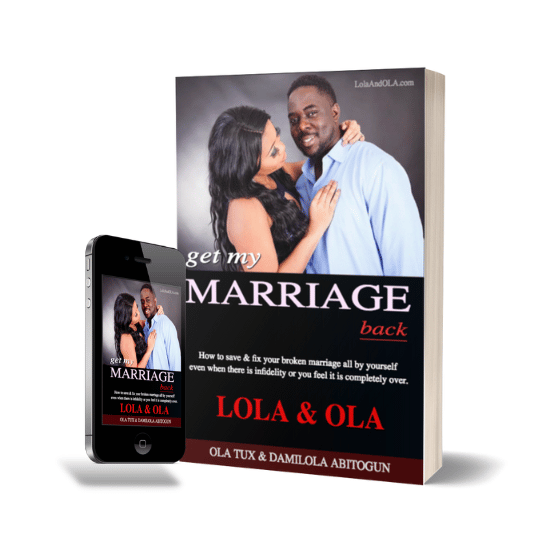
1. Get My Marriage Back by Lola & Ola – Best for Marriage Recovery

If your marriage feels broken, distant, or stuck in a painful cycle, this is the best place to start.

Many relationship books assume both spouses are equally motivated to improve the marriage. Real life rarely works that way.

Sometimes one spouse is fully invested while the other is emotionally checked out.

This book focuses on what you can control rather than obsessing over what your spouse should be doing differently.

What You’ll Learn

  • How attraction often disappears before love does
  • Why chasing, pleading, and convincing usually backfire
  • How personal leadership changes relationship dynamics
  • Practical strategies for rebuilding connection
  • How to stop operating from victimhood and start operating from empowerment

One of the most valuable lessons is that blame rarely produces positive change. Personal responsibility creates leverage.

marriage books - Get My Marriage Back by Lola & Ola – Best for Marriage Recovery

2. His Needs, Her Needs by Dr. Willard F. Harley Jr.

One of the most practical marriage books ever written.

This classic explores the emotional and relational needs men and women commonly experience in long-term relationships.

Many couples assume they know what their spouse needs because they would want the same thing.

That assumption creates disappointment.

What You’ll Learn

  • The most common emotional needs in marriage
  • Why unmet needs create vulnerability
  • How resentment develops over time
  • Ways to increase connection and appreciation
  • Strategies for creating mutual fulfillment

This book is particularly valuable because it helps couples move beyond assumptions and develop a deeper understanding of each other’s world.


3. The Five Love Languages by Gary Chapman

There is a reason this remains one of the most popular marriage books ever published.

Many couples genuinely love each other but communicate that love in ways their partner does not naturally recognize.

The result is frustration.

The Five Love Languages

  • Words of Affirmation
  • Quality Time
  • Receiving Gifts
  • Acts of Service
  • Physical Touch

What You’ll Learn

  • How your spouse experiences love
  • Why good intentions sometimes fail
  • How to communicate affection more effectively
  • Practical ways to increase emotional connection

Used correctly, this book becomes less about getting your needs met and more about becoming a more effective giver.

Ironically, that’s often what creates stronger attraction in return.


4. How to Win Friends and Influence People by Dale Carnegie

At first glance, this may seem like a business book.

In reality, it’s one of the most powerful relationship books ever written.

Marriage is fundamentally a human relationship, and human nature doesn’t change simply because two people exchanged wedding vows.

What You’ll Learn

  • How to reduce defensiveness
  • The art of influence without manipulation
  • Better listening skills
  • Ways to make others feel valued
  • How to build goodwill and trust

Many marriage conflicts revolve around control.

This book teaches a better path: influence through understanding and respect.


5. How to Be a 3% Man by Corey Wayne

Attraction matters in marriage.

Many couples mistakenly believe attraction should automatically sustain itself after the wedding.

Unfortunately, attraction requires intentional effort.

This book focuses heavily on confidence, emotional strength, and masculine leadership.

What You’ll Learn

  • Confidence versus neediness
  • Emotional self-control
  • Maintaining attraction in long-term relationships
  • Leadership without domination
  • Understanding masculine and feminine dynamics

Whether you agree with every point or not, the book offers valuable insights into maintaining romantic energy long after the honeymoon phase.


6. The Art of Seduction by Robert Greene

This may surprise people expecting a traditional marriage book.

However, one of the biggest mistakes married couples make is assuming seduction is only necessary before marriage.

Nothing could be further from the truth.

Seduction is not manipulation.

At its healthiest, seduction is the ongoing process of creating anticipation, mystery, emotional engagement, and attraction.

What You’ll Learn

  • Why attraction fades in predictable ways
  • The psychology of desire
  • The power of confidence and presence
  • How familiarity can reduce romantic tension
  • The importance of maintaining individuality

Many marriages become overly focused on logistics and responsibilities.

This book reminds readers that romance thrives when mystery, curiosity, and emotional excitement remain alive.


7. The Seven Principles for Making Marriage Work by John Gottman

Few researchers have studied marriage more extensively than John Gottman.

His work is based on decades of observing couples and identifying patterns that predict success or failure.

What You’ll Learn

  • The importance of friendship
  • How to manage conflict effectively
  • Building positive emotional deposits
  • Repairing emotional injuries
  • Creating shared meaning

One of the strongest insights from Gottman’s work is that friendship forms the foundation of lasting love.

Without friendship, attraction eventually struggles to survive.


8. The Meaning of Marriage by Timothy Keller

For readers who appreciate a faith-based perspective, this book provides a thoughtful exploration of marriage and commitment.

Rather than focusing exclusively on happiness, it examines how marriage contributes to personal growth and character development.

What You’ll Learn

  • The deeper purpose of marriage
  • Commitment beyond feelings
  • Grace and forgiveness
  • Personal transformation through partnership
  • Long-term relationship vision

This book aligns well with the idea that marriage exists not only for companionship but also for personal growth.


9. Love and Respect by Dr. Emerson Eggerichs

One of the most discussed books in marriage circles.

The central premise is simple:

Many men primarily desire respect, while many women primarily desire love.

When either feels deprived, unhealthy cycles begin.

What You’ll Learn

  • Common relationship misunderstandings
  • Respect and appreciation dynamics
  • How negative cycles develop
  • Better emotional communication
  • Conflict reduction strategies

Even if you don’t agree with every conclusion, the framework creates valuable conversations.

How to Get the Most Value From Marriage Books

My Wife Loves Me But Doesn’t Desire Me | 5 Signs | 5 Tips


Why Most Marriage Advice Fails

Many couples become trapped because they focus almost entirely on what their spouse should change.

That approach rarely works.

The reality is that most marriages collapse for two primary reasons:

1. Mismanaged Expectations

People enter marriage expecting certainty, romance, validation, friendship, passion, growth, and emotional support without realizing these require continuous cultivation.

Unspoken expectations become future resentments.

2. Mismanaged Pride

Pride prevents necessary apology.

Arrogant pride prevents learning.

Pride prevents accountability.

And pride often keeps couples trapped in arguments they should have outgrown years ago.

When pride becomes more important than connection, emotional distance becomes inevitable.


The Hidden Attraction Killers in Marriage

Many marriages slowly lose attraction because of behaviors that quietly destroy emotional chemistry.

Common attraction killers include:

  • Neediness
  • Constant criticism
  • Emotional reactivity
  • Controlling behavior
  • Lack of patience
  • Excessive negativity
  • Shaming and blame
  • Self-righteousness
  • Chronic complaining
  • Loss of personal growth

Attraction grows when people continue evolving.

It declines when they stop.

The strongest marriages never stop dating, learning, growing, and seducing one another.


Sexless Marriage ❤️ Does my Marriage Still Have a Chance⁉️

How to Get the Most Value From Marriage Books

Reading alone changes very little.

Transformation happens through application.

As you read:

  • Focus on your own growth first
  • Highlight actionable insights
  • Apply one lesson at a time
  • Avoid using books as ammunition against your spouse
  • Discuss insights with curiosity, not superiority
  • Measure progress over months, not days

The goal isn’t to become an expert on marriage.

The goal is to become a better partner.

The easiest way to do that is to get both text and audio version of the books when they are available.


The best marriage books do more than teach communication techniques.

They help you develop self-awareness, emotional intelligence, attraction, leadership, friendship, and intimacy.

If you’re serious about creating a stronger relationship, start with Get My Marriage Back, then build your understanding with classics like His Needs, Her Needs, The Five Love Languages, The Art of Seduction, and The Seven Principles for Making Marriage Work.

A thriving marriage is not built by finding the perfect spouse.

It is built by two people who continue growing, learning, adapting, and choosing each other over and over again.

How To Handle Marriage Separation 💔 7 Tips

More Video on our YouTube Channel

FAQ – Frequently Asked Questions

What is the rule for success in marriage?

The most important rule for success in marriage is continuous personal growth combined with mutual respect. Strong marriages thrive when both partners manage expectations, communicate honestly, and prioritize connection over pride.

What is the most popular marriage book?

The Five Love Languages by Gary Chapman is widely considered one of the most popular marriage books of all time. Its simple framework helps couples understand how they naturally give and receive love.

How do you prevent burnout and maintain connection in marriage?

Preventing burnout requires balancing responsibility with romance, friendship, and personal growth. Couples who intentionally create quality time, maintain emotional intimacy, and support each other’s goals tend to stay connected longer.

How do you sustain marital intimacy in marriage?

Marital intimacy is sustained through emotional safety, attraction, trust, and ongoing effort. The strongest couples continue dating, flirting, expressing appreciation, and nurturing both emotional and physical connection throughout the relationship.

Your Husband Doesn’t Spend Time With You: How to Reconnect Without Being Needy

Few experiences in marriage feel as lonely as realizing your husband doesn’t spend time with you anymore.

my husband doesn't spend time with me

You may still live together, share responsibilities, and function as a team on paper, yet emotionally it feels like you’re miles apart. Conversations become shorter. Date nights disappear. His attention seems reserved for work, hobbies, friends, television, or his phone while you’re left wondering what happened to the connection you once shared.

If you’ve found yourself thinking, “My husband doesn’t spend time with me,” the first instinct is often to demand more attention, push for conversations, or express frustration. While those reactions are understandable, they rarely create the result you’re hoping for.

Connection grows best through attraction, influence, emotional intelligence, and mutual respect—not pressure.

The good news is that a lack of quality time doesn’t automatically mean your marriage is failing. In many cases, it signals deeper issues that can be identified and addressed before they become permanent patterns.

Why Your Husband Doesn’t Spend Time With You

Before trying to solve the problem, it’s important to understand what may be causing it.

Most husbands don’t wake up one morning and decide they no longer want to spend time with their wives. Emotional distance usually develops gradually.

Common reasons include:

  • Work stress and mental exhaustion
  • Unresolved resentment
  • Feeling criticized or unappreciated
  • Loss of emotional connection
  • Falling into routine and complacency
  • Different relationship needs
  • Personal struggles with anxiety, depression, or burnout
  • Lack of excitement and variety in the relationship

A partner being outright malicious is usually the exception, not the rule.

More often, people withdraw because they no longer experience the marriage as a place of certainty, connection, growth, appreciation, or emotional safety.

Is Quality Time Actually Your Love Language?

Many women who feel neglected are actually craving quality time more than anything else.

The concept of love languages was popularized by relationship counselor and author Gary Chapman in his bestselling book The Five Love Languages.

If quality time is your primary love language, a lack of shared experiences can feel like rejection even when your husband still loves you.

Understanding your emotional needs helps you communicate them more clearly instead of assuming your husband automatically understands what you need.

The goal is not simply getting more hours together. The goal is feeling connected during the time you share.

Besure to take the assessment here.

Stop Chasing and Start Influencing

One of the biggest mistakes people make is trying to force connection.

Pressure creates resistance.

The more one spouse demands attention, the more the other often pulls away.

This doesn’t mean you should suppress your needs. It means you should focus on influence instead of force.

There is a significant difference between taking quality time and inspiring quality time.

When your husband feels obligated to spend time with you, the interaction often feels transactional.

When he genuinely wants to spend time with you, the experience feels natural, enthusiastic, and emotionally rewarding for both of you.

Healthy attraction is built through invitation, not coercion.

Rebuild Friendship First

Many struggling marriages focus heavily on problems while neglecting friendship.

Yet friendship remains one of the strongest foundations of long-term attraction.

Ask yourself:

  • When was the last time you laughed together?
  • When was the last time you shared a new experience?
  • When was the last time you talked without discussing responsibilities?

Strong marriages consistently nurture friendship.

That means becoming curious about each other again.

Instead of turning every interaction into a relationship discussion, create opportunities for lighthearted engagement.

A simple walk, shared meal, game night, or spontaneous outing can often accomplish more than another emotional confrontation.

Attraction - my husband doesn't spend time with me

Avoid Behaviors That Kill Attraction

Many people unintentionally damage connection while trying to fix it.

Some of the most common attraction killers include:

Neediness and Suffocation

Constantly seeking reassurance can create pressure instead of closeness.

Criticism and Blame

Repeated criticism makes people emotionally defensive.

Emotional Reactivity

When every conversation becomes emotionally charged, people begin avoiding interactions altogether.

Policing and Moralizing

Nobody enjoys feeling monitored, corrected, or managed.

Negativity and Contempt

Shaming, sarcasm, insults, judgment, and condescension slowly poison emotional safety.

The healthier alternative is emotional self-leadership.

Learn to communicate your needs calmly, clearly, and confidently.

Focus on Becoming Magnetic Again

One of the most empowering shifts you can make is focusing on your own growth.

This is not about playing games.

It’s about becoming the strongest version of yourself.

People are naturally attracted to individuals who possess:

  • Purpose
  • Confidence
  • Emotional stability
  • Gratitude
  • Self-respect
  • Positive energy
  • Personal growth

Ironically, when your entire emotional world depends on your spouse’s attention, attraction often decreases.

When you cultivate a meaningful life, your energy changes.

You become more interesting, more fulfilled, and more attractive—not just to your husband, but to yourself.

Improve Communication by Listening More

Most people think communication is primarily about talking.

In reality, effective communication is often about listening.

Many spouses spend conversations preparing their next argument instead of seeking understanding.

Try asking questions such as:

  • “How have you been feeling lately?”
  • “What’s been weighing on your mind?”
  • “What would help you feel more supported right now?”

Then listen without interrupting.

Listening creates emotional safety.

Emotional safety creates connection.

Connection creates attraction.

Address Expectations Before They Become Resentment

Many marriage problems stem from unspoken expectations.

You may expect regular date nights.

Your husband may assume providing financially demonstrates love.

Neither person is necessarily wrong.

The issue is that expectations left unspoken eventually become disappointments.

Healthy couples regularly discuss:

  • Time together
  • Family responsibilities
  • Intimacy
  • Finances
  • Personal goals
  • Emotional needs

Clarity prevents resentment.

Create More Variety in the Marriage

Human beings crave both certainty and variety.

Marriage provides certainty.

But attraction often requires variety.

If every week feels exactly the same, emotional energy tends to decline.

Introduce novelty through:

  • New experiences
  • Shared hobbies
  • Weekend adventures
  • Learning something together
  • Traveling
  • Taking classes
  • Revisiting activities you enjoyed while dating

New experiences create new memories, and new memories often reignite connection.

When Professional Help Makes Sense

If emotional distance has persisted for a long time, professional counseling may be beneficial.

A skilled marriage counselor can help identify blind spots, improve communication, and uncover unresolved issues that neither spouse has fully recognized.

Seeking help isn’t a sign of failure.

It’s often a sign that both people value the relationship enough to fight for it.

if your husband doesn't spend time with you

If your husband doesn’t spend time with you, don’t immediately assume the marriage is over.

Distance is often a symptom, not the root problem.

Rather than chasing attention, focus on rebuilding friendship, improving communication, creating emotional safety, and becoming the strongest version of yourself.

The healthiest relationships are built through influence, attraction, respect, and partnership.

When you lead with emotional intelligence instead of pressure, you create the kind of environment where connection can naturally grow again.

My Wife Loves Me But Doesn’t Desire Me | 5 Signs | 5 Tips

Frequently Asked Questions

What to do when your husband won’t spend time with you?

Start by calmly communicating your needs without blame or criticism. Focus on rebuilding friendship, creating positive interactions, and understanding the reasons behind his withdrawal instead of immediately applying pressure.

What are the signs a relationship is failing?

Common signs include emotional disconnection, constant criticism, lack of respect, avoidance of meaningful conversations, and a complete loss of effort from both partners. These signs do not automatically mean the relationship is over, but they should be addressed promptly.

What is the rule for success in marriage?

There is no single rule, but successful marriages consistently balance friendship, respect, communication, attraction, and shared growth. Couples who manage expectations and protect emotional safety tend to navigate challenges more effectively.

What is depleted husband syndrome?

Depleted husband syndrome refers to a state of emotional, mental, or physical exhaustion where a husband feels overwhelmed by life demands and withdraws from connection. While not a formal clinical diagnosis, it often involves burnout, stress, and reduced emotional availability that can impact marriage.

Your Husband Doesn’t Listen to You? 7 Ways to Feel Heard Again

If you’ve been thinking or feeling that your husband doesn’t listen to you, chances are you’re not just frustrated.

You’re hurt.

You feel unseen.

You feel like your thoughts, feelings, and concerns are constantly competing with work, his phone, the TV, hobbies, stress, or simply his lack of attention.

After repeating yourself enough times, it can begin to feel like you’re speaking to a brick wall.

But before we jump to conclusions, let’s slow down and get clear on something important:

What exactly do you mean when you say your husband doesn’t listen to you?

Because there is listening.

There is active listening.

And then there is simply waiting for your turn to speak.

Understanding the difference could completely change how you approach this challenge and dramatically improve your marriage.

Not All “Listening Problems” Are the Same

One of the biggest mistakes people make is treating every communication issue as if it’s the same problem.

In reality, there are several possibilities.

He Doesn’t Listen Because He Doesn’t Agree

Sometimes “he doesn’t listen” really means:

  • He doesn’t do what you suggested
  • He pushes back
  • He disagrees
  • He says no

If that’s the case, the issue may not be listening at all.

Healthy marriages are partnerships, not dictatorships.

A husband who understands your perspective but chooses a different course of action isn’t necessarily ignoring you.

The better question becomes:

Why is he disagreeing?

Have you taken the time to understand his reasoning?

He Hears Your Words but Misses Your Feelings

This is where many wives find themselves.

You don’t necessarily need him to agree.

But you need him to understand… right?

You want him to:

  • Hear your concerns
  • Understand your emotions
  • Acknowledge your experience
  • Make you feel important

This is active listening.

This is what most people mean when they say they don’t feel heard.

He Listens Only to Respond

Some people aren’t listening to understand.

They’re listening to defend themselves.

They’re preparing their counterargument before you’ve even finished talking.

When that happens, conversations become debates rather than connections.

And nobody feels heard.

my husband doesn't listen to me

Why Your Husband May Have Stopped Listening

Contrary to popular belief, most husbands don’t wake up one morning and decide to ignore their wives.

In many cases, listening problems are symptoms of something deeper.

Emotional Burnout

If every interaction feels like a complaint, criticism, or confrontation, some men begin emotionally checking out.

Not because they don’t care.

Because they feel defeated.

Defensiveness Has Become a Habit

One of the most common relationship traps is criticism.

Even when your intentions are pure, repeated criticism often creates defensiveness.

And defensiveness destroys listening.

Many marriages become trapped in this cycle:

  • Wife feels unheard
  • Wife complains
  • Husband feels attacked
  • Husband withdraws
  • Wife feels even more unheard

The cycle repeats.

Complacency Has Set In

Comfort can become complacency.

Many husbands assume everything is fine because the marriage is still functioning.

Bills are paid.

The household is running.

Nobody is leaving.

Meanwhile, emotional connection slowly deteriorates.

Unmet Emotional Needs

Every human being seeks six core emotional experiences:

  • Certainty
  • Variety
  • Significance
  • Connection
  • Growth
  • Contribution

When these needs aren’t being fulfilled, emotional distance tends to follow.

Communication breakdown is often just the visible symptom.

stop chasing - my husband doesn't listen to me

Stop Chasing and Start Understanding

This advice may sound counterintuitive.

If you’re not being heard, your instinct is probably to talk more.

Explain more.

Push harder.

Repeat yourself louder.

But that approach often backfires.

The harder one person pushes, the more the other retreats.

Instead, consider this:

What if the first step toward being heard is becoming curious?

Ask yourself:

  • What is my husband experiencing?
  • What pressures is he under?
  • What makes him shut down?
  • What causes him to become defensive?

Understanding is influence.

And influence is often far more powerful than pressure.

The Surprising Connection Between Listening and Attraction

Most communication advice ignores a critical reality:

Attraction and communication are deeply connected.

People naturally pay attention to what captivates them.

This doesn’t mean manipulating your spouse.

It means understanding human nature.

When attraction, admiration, friendship, and emotional connection are thriving, communication becomes easier.

When those things decline, listening often declines with them.

Friendship Comes First

One of the strongest predictors of marital success isn’t romance.

It’s friendship.

Ask yourself:

  • Do we enjoy being around each other?
  • Do we laugh together?
  • Do we still have fun together?

Many couples lose friendship long before they lose the marriage.

Avoid Anti-Seducer Behaviors

Many relationship problems worsen because one or both spouses become trapped in unattractive patterns.

Common attraction killers include:

  • Neediness
  • Constant criticism
  • Moralizing
  • Reacting emotionally to everything
  • Talking without listening
  • Trying to control outcomes

When attraction weakens, attention often weakens alongside it.

Rebuild Emotional Safety

People listen better when they feel safe.

Not judged.

…shamed.

Condemned.

And not blamed.

The more emotional safety exists, the easier meaningful conversations become.

my husband doesn't listen to me - marriage killers

The Two Marriage Killers Most Couples Miss

Many couples think their marriage struggles stem from communication alone.

In reality, two issues drive most long-term relationship breakdowns:

1. Mismanaged Expectations

Unspoken expectations become hidden resentments.

Your husband cannot meet expectations he doesn’t know exist.

And even when he knows them, they must be realistic.

2. Mismanaged Pride

Pride prevents accountability.

It prevents humility.

Pride prevents growth.

And it keeps couples focused on proving who’s right instead of solving problems together.

Many communication issues are actually pride and expectation issues wearing different clothes.

9 Ways to Get Your Husband to Listen More

1. Check Your Timing

Don’t start important conversations when he’s distracted, exhausted, or mentally occupied.

Ask if it’s a good time first.

2. Use “I Feel” Instead of “You Never”

Instead of:

“You never listen to me.”

Try:

“I feel disconnected when we don’t have meaningful conversations.”

3. Focus on One Topic

Avoid overwhelming him with a list of grievances.

One issue is easier to process than ten.

4. Listen First

If you want understanding, model understanding.

Curiosity often opens doors criticism cannot.

5. Appreciate What He Does Right

People naturally move toward appreciation and away from criticism.

Recognition can be surprisingly powerful.

6. Build Friendship Intentionally

Create positive experiences outside of problem-solving conversations.

Friendship strengthens influence.

7. Rebuild Attraction

Physical attraction matters.

Emotional attraction matters.

Intellectual attraction matters.

Never underestimate the power of becoming the most grounded, confident version of yourself.

8. Stop Trying to Win

Marriage isn’t a courtroom.

The goal is connection, not victory.

9. Take Ownership Without Taking Blame

Ownership means focusing on what you can control.

It does not mean carrying responsibility for everything wrong in the relationship.

Leadership and Partnership Can Coexist

Healthy marriages are partnerships.

But every marriage occasionally requires leadership.

Someone has to rise above the emotional noise.

…interrupt the cycle.

Someone has to focus on solutions instead of blame.

That doesn’t make one person superior.

It makes them temporarily responsible for helping move the relationship forward.

Often, the person willing to lead emotionally creates the breakthrough both spouses desperately need.

The Goal Isn’t Just Communication—It’s Connection

When most people say:

“My husband doesn’t listen to me.”

What they’re really saying is:

“I don’t feel seen.”

“Don’t feel understood.”

“I don’t feel important.”

And that’s a much deeper issue than words.

The solution isn’t simply talking more.

It’s rebuilding the emotional environment where listening becomes natural again.

Focus on friendship, attraction, understanding.

…And emotional intelligence.

Because when two people genuinely feel connected, they rarely have to fight to be heard.

35 Warning Signs Your Wife Is Cheating (Is It Insecurity?)

Frequently Asked Questions

What are the first signs a marriage is ending?

The earliest signs are often emotional withdrawal, loss of friendship, chronic resentment, and indifference toward repairing problems. Couples typically drift apart emotionally long before they physically separate.

What is the rule of success for marriage?

Successful marriages are built on mutual respect, emotional connection, trust, and a commitment to continuous growth. Managing expectations and pride effectively is often more important than avoiding conflict altogether.

What are the four habits that destroy marriages?

The four most destructive habits are criticism, defensiveness, contempt, and stonewalling. These behaviors gradually erode emotional safety, trust, and attraction when they become recurring patterns.

What are the signs of a disrespectful husband?

Common signs include dismissing your feelings, belittling your opinions, chronic dishonesty, contemptuous behavior, and refusing to consider your perspective. Healthy disagreement is normal, but repeated devaluation of your thoughts and emotions is not.

Wife Is Not Affectionate? 7 Reasons and How to Rebuild Attraction

Few experiences are more frustrating in marriage than feeling like your wife is not affectionate anymore.

The hugs disappear. The hand-holding fades. The kisses become routine or nonexistent. Eventually, even simple acts of warmth feel forced.

Most men respond to this situation in one of two ways:

  • They chase harder.
  • They complain louder.

Ironically, both approaches usually make the problem worse.

Affection cannot be negotiated, demanded, guilted, or pressured into existence. Genuine affection is usually a byproduct of emotional connection, attraction, trust, and freedom.

If your wife is not affectionate, the goal is not to force affection. The goal is to understand what may be causing the withdrawal and create the conditions where affection can naturally return.

Let’s explore the most common reasons and what you can do about them.

💔 5 Steps to Reverse “I Don’t Love You Anymore”

First, Don’t Make Her Lack of Affection Your Identity

One of the biggest mistakes men make is taking a wife’s reduced affection as proof that they are unloved, unattractive, or unwanted.

Sometimes that is not the case at all.

A lack of affection is often a symptom rather than the actual problem.

Before assuming the worst, ask yourself:

  • Is this a recent change?
  • Has she always been less affectionate?
  • Has anything significant happened recently?
  • Is she under unusual stress?
  • Have unresolved conflicts been piling up?

The answers matter because solutions are rarely found on the surface.

1. Emotional Disconnection Has Taken Root

In many marriages, affection disappears long before love does.

When emotional connection weakens, physical affection often follows.

A wife may still care deeply for her husband while feeling emotionally distant from him.

This can happen when:

  • Conversations become transactional.
  • Conflicts remain unresolved.
  • Appreciation disappears.
  • Friendship fades.

Many husbands focus exclusively on fixing physical intimacy while overlooking emotional intimacy.

Yet for many women, emotional safety and emotional connection are major drivers of affectionate behavior.

What To Do

Rebuild friendship first.

Talk without an agenda. Listen without defending yourself. Become curious about her world again instead of trying to convince her why she should be more affectionate.

Connection often precedes affection.

“My Wife Is NOT ATTRACTED To Me Anymore”
wife is not affectionate

2. She Feels Pressured Rather Than Desired

Many men unintentionally turn affection into an obligation.

Every hug becomes a test.

And every kiss becomes a negotiation.

Every act of affection feels like it comes with expectations attached.

When affection feels loaded with pressure, it often stops feeling free.

This creates a cycle:

  • Husband feels rejected.
  • Husband pursues harder.
  • Wife feels pressured.
  • Wife withdraws further.

What To Do

Create low-pressure moments.

Hold her hand because you enjoy the connection, not because you’re expecting something afterward.

The less affection feels like a transaction, the more naturally it can return.

3. Burnout Is Draining Her Emotional Energy

If your wife is carrying the weight of work, children, family obligations, caregiving, or personal stress, affection may not be her priority.

This doesn’t necessarily mean she doesn’t love you.

It may simply mean her emotional and physical resources are depleted.

Many wives spend their entire day meeting everyone else’s needs.

By evening, they have little left to give.

What To Do

Pay attention to her reality.

Ask how you can reduce pressure in practical ways.

Sometimes attraction grows when a spouse feels supported rather than scrutinized.

4. Keeping Score Has Poisoned the Dynamic

One of the fastest ways to kill affection is keeping score.

Statements like these create emotional distance:

  • “I always do more.”
  • “You never appreciate me.”
  • “Why should I try when you don’t?”

Once marriage becomes a competition, romance starts disappearing.

Affection thrives in generosity.

It struggles in environments filled with resentment and scorekeeping.

What To Do

Stop focusing on who is winning or losing.

Focus instead on creating a partnership where both people feel seen, respected, and valued.

Healthy leadership in marriage often means refusing to escalate the competition.

wife is not affectionate - the place of priorities

5. Life Changes Have Shifted Her Priorities

Major life events can dramatically affect affection levels.

Examples include:

  • Pregnancy
  • Childbirth
  • Hormonal changes
  • Health challenges
  • Career transitions
  • Family crises

Many men interpret these shifts personally when they may have little to do with the relationship itself.

The issue is not always attraction.

Sometimes it’s exhaustion, recovery, or adaptation.

What To Do

Respond with patience rather than panic.

The ability to stay grounded during difficult seasons is often more attractive than emotional overreaction.

6. Attraction Has Been Replaced by Neediness

This can be difficult to hear, but it matters.

Affection and attraction rarely flourish when one partner becomes excessively needy, reactive, or emotionally dependent.

One of the strongest attraction killers is desperation.

When your entire emotional state depends on her validation, the relationship starts carrying too much weight.

This often creates pressure rather than desire.

What To Do

Refocus on yourself.

Strengthen your purpose.

Invest in your health.

Develop meaningful friendships.

Pursue growth.

A grounded man who enjoys his life is often far more attractive than a man whose happiness depends entirely on his wife’s behavior.

More Video on our YouTube Channel

7. Unresolved Hurt Is Blocking Affection

Sometimes affection disappears because trust has been damaged.

The cause may be:

  • Past betrayals
  • Broken promises
  • Constant criticism
  • Emotional neglect
  • Repeated conflicts

Affection often struggles to survive in an environment where resentment remains unresolved.

A wife who feels hurt may withdraw affection as a form of self-protection.

What To Do

Focus on repair rather than defense.

Instead of arguing about whether her feelings are justified, focus on understanding them.

People become more open when they feel understood.

wife is not affectionate - attraction principles

The Attraction Principle Most Men Miss

Many husbands believe that if they can just convince their wives to be more affectionate, everything will improve.

The reality is usually the opposite.

When attraction, emotional safety, friendship, and connection improve, affection tends to follow naturally.

Affection is often an outcome.

It is rarely the starting point.

That’s why chasing affection directly can backfire.

Instead of obsessing over what she isn’t giving, focus on becoming the strongest version of yourself.

A marriage is often transformed when one spouse chooses leadership over victimhood, growth over resentment, and emotional intelligence over emotional reaction.

Focus on What You Can Control

You cannot force affection.

Can you control another person’s feelings?

You cannot negotiate attraction.

What you can control is:

  • Your attitude
  • Your emotional stability
  • Your leadership
  • Your communication
  • Your purpose
  • Your patience

In many cases, the spouse who complains the most actually holds the most leverage because they are the first person willing to make meaningful changes.

When you stop chasing and start growing, you create space for attraction to breathe again.

If your wife is not affectionate, don’t immediately assume the marriage is over.

In many cases, affection has not disappeared because love died.

It disappeared because emotional connection weakened, stress increased, resentment accumulated, or attraction became buried under unhealthy dynamics.

The solution is rarely more pressure.

The solution is creating an environment where affection can return freely.

Lead with patience. Focus on growth. Strengthen friendship. Manage expectations. Let go of scorekeeping.

Those are often the first steps toward rebuilding the connection you both miss.

SEX STARVATION? 🔥 Low Attraction or ED? 5 TIPS

FAQ (Frequently Asked Questions)

How do I deal with an unaffectionate wife?

Start by understanding the reason behind the lack of affection rather than taking it personally. Focus on rebuilding emotional connection, reducing pressure, and becoming the best version of yourself instead of chasing validation.

Why is my wife not affectionate to me?

A wife may become less affectionate due to emotional disconnection, stress, burnout, unresolved conflict, hormonal changes, or a decline in attraction. The lack of affection is often a symptom of deeper issues rather than the core problem itself.

Should I stay in a marriage without affection?

That depends on the overall health of the relationship and whether both partners are willing to work on the issues involved. Many marriages successfully rebuild affection when the underlying causes are addressed with patience, communication, and effort.

What is the rule for being or becoming a successful wife?

A successful wife contributes to a relationship built on respect, partnership, emotional connection, and mutual growth. Just as importantly, a successful marriage requires both spouses to consistently invest in each other’s well-being, trust, and happiness.


Broken Marriage?
Fix it
Here FREE

Get My Marriage Back