
What Would Help You Most Right Now?

Choose the option that best matches where you are with your marriage.

I Need Personalized Help

My Marriage Is in Serious Trouble

If you're dealing with separation, divorce, loss of attraction, infidelity, intimacy problems, or a spouse who's pulling away, get help looking at what's happening in your specific situation.

Get Personalized Help →
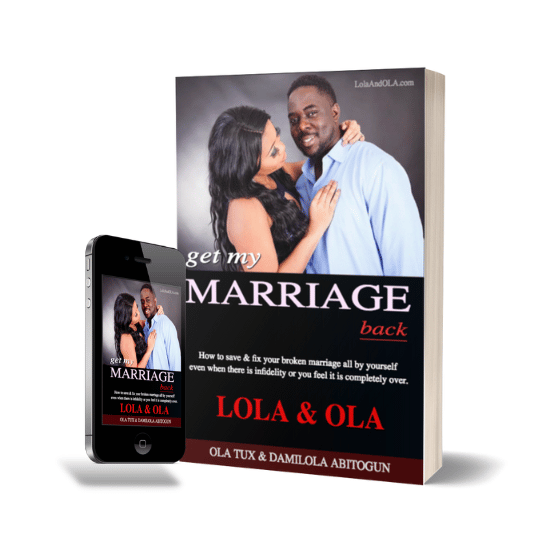
Get My Marriage Back book cover
I'd Rather Learn What to Do First

Start With Get My Marriage Back

Get the book and start learning the principles for moving your marriage in a better direction.

Get the Free Book →

How to Save Your Marriage During Separation: 4 Signals You Misread

Separation creates one of the strangest emotional environments you can experience in a marriage.


Take This 2 Minutes Quiz

Question 1 of 15

Your husband or wife can sound completely finished with the relationship on Monday, call you comfortably on Wednesday, laugh with you on Friday, and become distant again by Sunday. A good conversation feels like reconciliation is starting. Then one cold text can make divorce feel inevitable all over again.

That emotional whiplash creates a dangerous question:

“What does this mean?”

Trying to answer that question from every individual interaction is where many people make saving their marriage during separation much harder than it needs to be.

The biggest challenge is often not the mixed signals themselves. It is what uncertainty starts making you do.

You begin assigning meaning to temporary moments. Then you look for evidence that your interpretation is correct. Fear turns ordinary uncertainty into worst-case scenarios, and before long, your search for reassurance becomes pressure.

That pressure can change the experience of interacting with you.

And when someone is already questioning whether they want to remain married, the experience of you matters enormously.

This is where rebuilding attraction during separation becomes less about convincing and more about emotional intelligence, Personal Power, self-discovery and experiential value.

Can a Marriage Be Saved After Separation?

Yes, separation does not automatically mean a marriage is permanently over.

A 2025 Journal of Marriage and Family study followed adults who separated after age 50 and found that some did eventually reconcile with their spouses. The study found reconciliation in roughly 7% of women and 11% of men during the observation period, although the authors noted that their method probably missed shorter separations that began and ended between interview waves.

Those statistics should not become a prediction about your marriage. Their importance is much simpler:

Separation is a relationship state, not a supernatural verdict about what happens next.

People search for the average length of separation before reconciliation because uncertainty is painful. They want a calendar that says, “At week six this means one thing; at month four it means another.”

Relationships do not work that neatly.

The history of the marriage, accumulated resentment, attraction, betrayal, emotional safety, individual personalities, children, outside influences, financial realities and the behaviors occurring during separation all matter.

That is why your real job is not predicting the outcome from a stopwatch.

It is understanding the relational environment that exists right now.

how to save your marriage during separation

Why Mixed Signals During Separation Feel So Powerful

Human beings crave certainty, especially when something valuable feels threatened.

When the future of your marriage becomes uncertain, your mind naturally starts scanning for information. A phone call becomes evidence. Silence becomes evidence too.

The problem becomes worse when your emotional stability depends on interpreting those clues correctly.

Recent longitudinal research involving 325 adults found that greater intolerance of uncertainty predicted increased mistake-rumination over time, with those processes negatively affecting family communication.

That matters because marriage separation creates an almost perfect environment for rumination.

You replay the conversation.

Was your husband warmer than yesterday?

Why did your wife send that photo?

Why did they stay on the phone for forty minutes if they really want divorce?

Was that hug meaningful?

Why did they suddenly become cold afterward?

Eventually you stop experiencing interactions and start testing them.

That distinction is critical.

A Warm Moment Is Not a Reconciliation Verdict - how to save your marriage during separation

Signal #1: A Warm Moment Is Not a Reconciliation Verdict

Warmth is good.

Friendship is good.

Comfort, laughter and positive interactions can all matter.

But none of them should carry the burden of proving that your marriage has already been saved.

Imagine that your wife has moved out but still enjoys talking to you. She calls, laughs, tells you about her day and sounds almost like the woman you remember.

It would be tempting to think:

“She clearly wants to come back.”

That conclusion may outrun the actual state of the marriage.

Warm behavior during separation can reflect affection, friendship, familiarity, shared history, attachment, comfort, uncertainty or genuine openness toward rebuilding. Several of those things can exist at the same time.

Your mistake is not appreciating a good experience.

The mistake is demanding that one experience tell you the entire future.

This matters for attraction because once you declare a warm moment “proof,” you become emotionally attached to getting more proof.

Now the interaction is no longer light.

It has a hidden job.

Signal #2: A Cold Moment Is Not Automatically a Divorce Verdict Either

The opposite mistake happens just as quickly.

Your husband is quiet.

Your wife takes longer to respond.

Yesterday felt close; today feels distant.

Fear immediately supplies the interpretation:

“It’s over.”

Then panic takes over strategy.

You may suddenly send a long message, demand clarification, ask what changed, revisit the marriage conversation or search for some hidden explanation.

None of this means you should ignore serious information. A divorce filing is real information. An affair is real information. Statements about wanting out deserve to be taken seriously.

But taking information seriously is different from emotionally turning every fluctuation into a final judgment.

Attraction becomes difficult when each interaction carries that much emotional weight.

The person on the other side starts experiencing not only the marriage crisis, but also your reaction to the marriage crisis.

That distinction brings us to one of the most important patterns in saving a marriage while separated.

The Uncertainty-Chasing Cycle

The destructive cycle often looks like this:

Uncertainty → Meaning → Testing → Pressure → More Uncertainty

You do not usually enter this cycle because you want to pressure your husband or wife.

Fear starts it.

The marriage feels unstable, so your mind creates a meaning for whatever just happened. Because that interpretation does not create lasting certainty, you begin looking for proof.

Testing follows naturally.

“Do you still love me?”

“Do you miss me?”

“Are you talking to someone else?”

“Are we getting back together?”

“Why were you so nice yesterday if you still want separation?”

“Are you really done?”

Each question can sound completely reasonable by itself.

Collectively, however, they can transform ordinary interactions into repeated relationship examinations.

Research on marital conflict has documented a related demand-withdraw dynamic. In a diary study involving 116 married couples, demand-withdraw patterns were associated with more negative emotions and tactics and with lower conflict resolution; the researchers found the pattern when either husbands or wives occupied the demanding role.

In other words, this is not simply “what men do” or “what women do.”

Research involving heterosexual and same-sex couples has also found that demand-withdraw behavior can be better explained by differences in who wants change during the conflict than by gender alone.

When you desperately need the marriage to move in a particular direction, it becomes very easy to become the person pushing for resolution.

The more the other person withdraws, the more frightened you become.

Then you push harder.

That is how the cycle recreates itself.

how to save your marriage during separation - Why Trying Harder Can Make Saving Your Marriage Harder

Why Trying Harder Can Make Saving Your Marriage Harder

Effort sounds virtuous.

More effort is rewarded almost everywhere else in life.

When your business struggles, you work harder. If your body is out of shape, you train more consistently. When a professional skill is weak, additional practice generally helps.

Marriage crisis is different because your effort is being experienced by another human being with their own emotions and autonomy.

Intensity is therefore not the same thing as effectiveness.

Trying harder from fear can mean explaining harder, apologizing harder, texting harder, proving harder, convincing harder and demanding clarity harder.

Your intention says:

“I’m fighting for my marriage.”

Their experience can become:

“Every interaction with you comes with pressure.”

Attraction lives in experience, not intention.

That is why I define Value here very carefully. I am not talking about your worth as a human being or whether you are morally superior to your husband or wife.

Value means the experience of interacting with you.

Does being around you repeatedly feel anxious, heavy and outcome-dependent?

Or are you gradually becoming a person capable of emotional stability, depth, curiosity, purpose, warmth, dignity and self-possession even while the marriage remains uncertain?

That difference matters.

How to Save Your Marriage During Separation Without Turning It Into a Performance

This is where people commonly misunderstand self-improvement.

They hear, “Work on yourself,” and secretly translate it into:

“Become impressive enough so my husband or wife comes back.”

Now self-development is another form of chasing.

You go to the gym but keep checking whether they noticed.

A new hobby becomes useful only if it makes them jealous.

Your confidence exists mainly to provoke a reaction.

Even giving space becomes a tactic designed to produce pursuit.

That is still outcome-dependence wearing better clothes.

The healthier direction begins somewhere else.

Grounding Comes Before Attraction

Before you can build attraction skillfully, you need enough emotional Grounding that panic is no longer controlling every interpretation.

Grounding does not mean suppressing pain.

Separation hurts.

Divorce threats hurt.

Rejection hurts.

Instead, Grounding means remembering that an emotion can be real without becoming the executive decision-maker of your life.

When fear stops running every interaction, you gain access to emotional intelligence again.

You notice instead of immediately reacting.

Curiosity becomes possible because you no longer need an instant verdict.

That creates the beginning of Personal Power.

Purpose Changes the Emotional Gravity of the Marriage

A marriage becomes dangerously heavy when it is carrying your entire sense of meaning.

During separation, everything can shrink until there is only one subject left:

the marriage.

Work becomes a distraction from the marriage.

Friends become people you talk to about the marriage.

Sleep becomes something interrupted by thoughts about the marriage.

Your phone becomes a marriage-monitoring device.

Purpose reverses that collapse.

Your career, faith, health, parenting, creativity, friendships, contribution, learning, business and larger mission begin occupying meaningful space again.

This is not detachment theater.

Purpose makes you more emotionally substantial because your life once again contains dimensions beyond whether another adult chooses you today.

That is naturally more attractive than desperation.

Self-Discovery Builds Capacity Without Self-Blame

Once you become grounded enough to look inward, the most powerful questions change.

Instead of asking only:

“Why is my husband doing this?”

or

“Why is my wife acting this way?”

you become interested in what the crisis is revealing about you.

What does rejection activate inside you?

Where does uncertainty become control?

What happens when you cannot get reassurance?

Which reactions belong to this marriage, and which patterns existed long before it?

Where have you become complacent?

What emotional skills are missing?

That investigation is not about taking responsibility for everything your husband or wife has done.

It is about discovering where your power actually lives.

You cannot control their choices.

Your capacity, however, belongs to you.

Attraction During Separation Is an Outcome, Not an Assignment

This distinction protects you from another common mistake.

Do not turn attraction into a scoreboard.

You do not need to count texts, monitor response speed, interpret hugs, measure flirtation or keep a spreadsheet of “positive signs during separation.”

Those behaviors put you right back into testing.

Curiosity and attraction work better as natural outcomes of value.

Research on long-term married couples offers an interesting parallel. One study found that “positivity resonance”—shared positive emotion combined with mutual care and behavioral synchrony—was associated with marital satisfaction even after accounting for other positive affect measures.

That does not mean you can manufacture attraction by acting cheerful.

It means relationships are experiential.

People respond to how interactions feel.

Building attraction in marriage therefore requires more than being logically correct or proving that divorce would be a mistake.

Safety, curiosity, emotional depth, respect, playfulness, individuality and genuine value shape the experience.

Seduction in a marriage crisis is not manipulation.

It is becoming less predictably fear-driven and more experientially engaging.

Positive Signs During Separation: Look at Direction, Not Isolated Events

People naturally want to know the positive signs during separation.

A healthier way to think about signs is direction rather than individual incidents.

An isolated affectionate interaction says little by itself. A broader reduction in hostility, greater ease around communication, renewed willingness to spend voluntary time together, increased openness and a progressively safer relational atmosphere can matter more.

Even then, do not convert progress into entitlement.

Warmth does not mean you are owed reconciliation.

Attraction does not mean the unresolved problems disappeared.

Friendship does not automatically equal restored marriage.

Direction gives you information.

It does not give you ownership over another person’s decision.

Bad Signs During Separation: Pressure Can Hide Behind “Fighting for the Marriage”

One of the clearest bad signs during separation is not simply that your husband or wife is distant.

Look at what the crisis is turning you into.

Are you constantly interrogating?

Do conversations keep becoming negotiations about reconciliation?

Has your identity collapsed around saving the marriage?

Are you trying to generate jealousy?

Do you repeatedly demand reassurance?

Is every positive interaction followed by a conversation about “us”?

Those patterns often reveal that uncertainty is still driving your behavior.

Ironically, they can happen precisely because you care deeply.

Care without emotional regulation can still feel like pressure.

Saving Your Marriage Alone Does Not Mean Controlling It Alone

The phrase save your marriage alone is easy to misunderstand.

You cannot single-handedly command another adult into a healthy marriage.

What you can do is radically improve the part of the relational system that belongs to you.

That is substantial power.

Research on people contemplating divorce shows that individuals use very different approaches to relationship repair, ranging from intensive professional help-seeking to private, self-directed efforts. In one national longitudinal sample of 745 married adults thinking about divorce, researchers found several distinct patterns of repair behavior rather than one universal pathway. (PubMed)

That supports a reality I see repeatedly:

There is no single script for marriage reconciliation.

More communication is not always the answer.

More distance is not always the answer either.

A separation created primarily by accumulated pressure is different from one following an affair. A husband who has lost attraction presents a different pattern from a wife who feels chronically unsafe during conflict.

The map can be universal.

The marriage is specific.

What to Do When Your Husband Wants to Separate

When your husband wants separation, your strongest position is not to become a female pursuer trying to drag him emotionally toward reconciliation.

Women do not need to chase.

Attraction grows more naturally when you retain dignity, emotional presence, femininity, value and openness while refusing to convert anxiety into pursuit.

That does not mean pretending you do not care.

It means your interest in the marriage does not require you to run after a man who is currently moving away.

Seduction creates room for curiosity.

Chasing destroys it.

What to Do When Your Wife Wants Separation

When your wife wants space or separation, pursuit itself is not automatically wrong.

Men pursue.

The distinction is between dignity-based pursuit and fear-driven chasing.

A grounded man can express interest without begging for reassurance. He can care deeply without turning every encounter into a referendum on whether she is returning.

Your wife needs enough emotional room to experience who you are becoming rather than repeatedly hearing arguments about why she should believe you have changed.

Attraction is experiential.

The PowerPoint presentation about your transformation is not the transformation.

Marriage Reconciliation Requires a New Experience, Not Just a Return to the Old One

Saving the marriage should not mean restoring the exact relationship that produced the crisis.

That marriage already generated separation.

Reconciliation becomes meaningful when the experience begins changing.

Grounding alters reactivity.

Purpose restores individuality.

Self-Discovery increases emotional capacity.

Value changes what it feels like to interact with you.

Curiosity and attraction then have space to develop naturally.

From there, trust and emotional safety have a better environment in which to grow.

The objective is not to become perfect.

It is to stop asking fear to lead your marriage.

Once you understand that, mixed signals become less powerful because they no longer dictate your identity, mood and next move.

You can care deeply about saving your marriage without surrendering your Personal Power to uncertainty.

That is where genuine attraction has room to breathe.

Average Length of Separation Before Reconciliation: Data Reveals

Frequently Asked Questions

Can you save your marriage during separation?

Yes, some separated couples do reconcile, and separation itself does not automatically determine the final outcome of the marriage. The more useful question is what patterns created the separation and whether the relationship experience is genuinely changing.

How long does marriage separation last before reconciliation?

There is no reliable universal timeline for reconciliation because separation circumstances and marriage histories vary significantly. Using an arbitrary number of weeks or months as a prediction can increase anxiety and encourage you to misread normal fluctuations.

What are positive signs during separation?

Reduced hostility, easier voluntary communication, renewed curiosity, warmth and a progressively safer relational atmosphere can indicate healthier movement. No single text, date, affectionate moment or conversation should be treated as proof of reconciliation.

What are bad signs during separation?

Escalating pressure, repeated relationship interrogations, hostility, manipulation, contempt and increasingly rigid demand-withdraw patterns point toward a worsening relational environment. The most actionable warning signs are often the patterns you can recognize and change on your own side.

9 Signs Your Marriage Can Still Be Saved—and What to Do Next

Looking for the signs your marriage can still be saved is often the last thing you do before giving up.

You may be exhausted from arguing, confused by your spouse’s emotional distance, or terrified that one bad season has permanently destroyed the relationship. Perhaps trust has been damaged, affection has disappeared, or every conversation seems to become another fight.

You want an honest answer: Is there still hope, or are you fighting for something that is already gone?

The truth is that hope does not come from one romantic gesture, a temporary mood change, or your spouse saying the perfect words. A marriage becomes salvageable when emotional connection still exists, the underlying foundation remains intact, and at least one person is willing to stop feeding the destructive cycle.

That does not mean one spouse can single-handedly create a healthy marriage. Mutual participation is ultimately necessary. But one grounded person can often interrupt the patterns that keep both partners defensive, resentful, and disconnected.

Before you decide the marriage is over, look for these nine meaningful signs—and be prepared to respond to them with emotional intelligence rather than panic.

Beyond Hope: Saving a Marriage Requires More Than Positive Signs

Beyond Hope: Saving a Marriage Requires More Than Positive Signs

Searching for signs can provide perspective, but signs alone do not repair a relationship.

You can have shared values, children, history, and lingering feelings while still repeating the same behaviors that are destroying attraction. Begging for affection, monitoring your spouse’s moods, forcing heavy conversations, keeping score, and trying to police their behavior may feel like fighting for the marriage, but these actions often create more emotional pressure.

The question is not only whether your marriage contains hope.

The deeper question is whether you are willing to become emotionally steady enough to use that hope wisely.

Saving a marriage often begins when you stop:

  • Reacting to every emotional shift
  • Chasing reassurance
  • Trying to force closeness
  • Shaming your spouse into changing
  • Treating every disagreement as proof that you are unloved
  • Sacrificing your dignity to keep the peace
  • Confusing control with leadership

Real leadership in marriage is not domination. It is the ability to regulate yourself, communicate clearly, protect healthy boundaries, and create conditions in which friendship, respect, desire, and trust can grow again.

1. You Still Have Emotional Reactions to Each Other

One of the clearest signs your marriage can still be saved is that emotional energy still exists between you.

That energy may not currently look romantic. It may appear as anger, frustration, jealousy, disappointment, or passionate disagreement. Although chronic fighting is unhealthy, conflict can indicate that both spouses still care about being understood.

Indifference is often more concerning than anger.

When someone has emotionally detached, they may stop arguing, stop asking questions, and stop responding to issues that once mattered. They are no longer fighting for understanding because they no longer expect connection.

This does not mean you should celebrate explosive conflict. It means the emotion underneath the conflict may still be redirected.

Anger often hides a more vulnerable message:

  • “I do not feel important to you.”
  • “I miss how close we used to be.”
  • “I do not trust that you will hear me.”
  • “I feel rejected.”
  • “I am afraid I no longer matter.”

The goal is to stop fighting over the surface complaint long enough to recognize the unmet emotional need beneath it.

2. You Both Still Care About the Outcome

Your marriage may still be repairable if both of you remain emotionally affected by what happens to the relationship.

Your spouse may sound frustrated, skeptical, or guarded. They may say they do not know whether things can improve. But uncertainty is different from complete emotional departure.

Pay attention to whether your spouse still:

  • Talks about the relationship
  • Expresses disappointment about what has been lost
  • Reacts emotionally to the possibility of separation
  • Asks whether change is possible
  • Participates in difficult conversations
  • Shows concern about the impact on the family
  • Leaves the door open to counseling or another form of support

Pain is not proof that the marriage is doomed. Sometimes pain exists because the relationship still matters.

However, do not use your spouse’s emotions to pressure them. An emotional reaction to divorce does not automatically mean they are ready to reconcile. Treat it as evidence of unresolved attachment, not as permission to chase, manipulate, or demand immediate commitment.

3. You Still Share Important Core Values

Marriages can survive major disagreements when the spouses remain aligned on the fundamentals.

You may have different communication styles, personalities, spending habits, or approaches to household responsibilities. Those differences can create conflict, but they are not always fatal.

A shared core foundation may include agreement about:

  • Loyalty and commitment
  • Faith or spiritual values
  • Parenting priorities
  • Family and legacy
  • Personal responsibility
  • Honesty
  • Growth
  • The kind of life you want to build

Shared values give you something solid to rebuild upon.

By contrast, the relationship becomes harder to repair when one person wants honesty and the other repeatedly chooses deception, or when one wants mutual commitment while the other insists on living without relational accountability.

You do not need to agree about everything. You do need enough alignment to create a future that neither person must betray themselves to accept.

4. Moments of Vulnerability Still Break Through

A marriage may look cold on the surface while still containing brief moments of emotional openness.

Perhaps your spouse becomes soft when discussing the children, admits that they are overwhelmed, shares a personal fear, or allows you to comfort them during a difficult moment. You may occasionally laugh together, remember a meaningful experience, or acknowledge that the relationship was once deeply loving.

Do not dismiss these moments because they are brief.

They may show that emotional safety is buried beneath resentment rather than completely gone.

At the same time, do not seize every vulnerable moment as an opportunity to demand a relationship conversation. That can make your spouse regret opening up.

Allow vulnerability to breathe.

Listen without immediately correcting, defending, diagnosing, or converting the moment into proof that the marriage is saved. Emotional safety grows when people learn that openness will not be used against them.


Take This 2 Minutes Quiz

Question 1 of 15

5. Friendship Has Not Completely Disappeared

Romantic attraction often struggles when friendship has been neglected.

You may no longer feel like passionate partners, but signs of friendship can reveal that the relational bridge is still standing. Perhaps you still cooperate, share inside jokes, enjoy certain routines, ask about each other’s day, or instinctively support one another during a crisis.

Friendship matters because it creates a low-pressure path back to connection.

Trying to force romance before restoring basic goodwill can feel artificial. Instead, begin by rebuilding positive emotional experiences:

  • Speak with warmth instead of suspicion
  • Show genuine curiosity
  • Notice what your spouse is doing well
  • Create moments that are not about solving the marriage
  • Be playful when the moment allows
  • Reduce criticism and unnecessary correction
  • Follow through on small promises

Friendship does not mean becoming a passive roommate. It means rebuilding enough emotional ease for attraction and intimacy to have somewhere to return.

6. Attraction Is Dormant, Not Completely Dead

A lack of sex does not always mean a lack of love, and a lack of current attraction does not always mean attraction can never return.

Desire often disappears beneath resentment, pressure, predictability, poor self-care, unresolved conflict, and emotional exhaustion. It can also fade when one partner becomes overly needy, controlling, reactive, or self-abandoning.

Attraction is rarely rebuilt by demanding more affection.

It is more likely to return when both partners experience greater emotional freedom, respect, curiosity, and vitality.

Ask yourself honestly:

  • Have I become consumed by the relationship?
  • Do I expect my spouse to regulate my self-worth?
  • Have I neglected my body, purpose, friendships, or confidence?
  • Do I create emotional safety, or do I create pressure?
  • Have I confused constant availability with intimacy?
  • Do my conversations feel inviting or interrogative?
  • Have criticism and resentment replaced appreciation?

Rebuilding attraction is not about playing games or making your spouse jealous. It is about becoming grounded, purposeful, emotionally disciplined, and genuinely alive again.

Seduction within marriage is not manipulation. It is the art of creating anticipation, emotional contrast, playfulness, presence, and space for desire to emerge voluntarily.

7. At Least One of You Is Willing to Take Accountability

A relationship stays stuck when both spouses build a case against each other.

The argument becomes:

“I would change if you changed first.”

That mindset protects the ego but poisons the marriage.

One of the strongest signs your marriage can still be saved is the presence of accountability. This means someone is willing to ask, “What am I contributing to this dynamic?”

Accountability does not require you to accept responsibility for your spouse’s choices. It requires you to own your reactions, communication patterns, boundaries, and behavior.

For example:

  • You can acknowledge that you became critical without excusing dishonesty.
  • You can admit that you became emotionally unavailable without accepting verbal abuse.
  • You can recognize your neediness without pretending your spouse’s neglect was healthy.
  • You can apologize for disrespect without surrendering your standards.
  • You can change your behavior without begging your spouse to reward you immediately.

Accountability is attractive because it communicates strength. Blame demands that someone else become different before you can become emotionally stable.

8. The Main Problems Are Patterns, Not Permanent Incompatibility

Many marriages feel hopeless because the same painful cycle keeps repeating.

One partner pursues. The other withdraws.

The pursuer becomes more anxious, demanding, and emotionally intense. The withdrawing partner feels controlled and becomes colder. The increased distance causes even more pursuit.

Eventually, both spouses believe the other person is the problem.

But often, the real enemy is the cycle.

Other common cycles include:

  • Criticism followed by defensiveness
  • Disrespect followed by emotional shutdown
  • Broken promises followed by surveillance
  • Sexual rejection followed by resentment
  • Stress followed by irritability and avoidance
  • Shame followed by secrecy
  • Control followed by rebellion
  • Pride followed by emotional punishment

Patterns can be changed when they are identified honestly.

It becomes more difficult when a spouse repeatedly refuses accountability, rejects all boundaries, or remains committed to behavior that makes emotional or physical safety impossible. But when both people are caught in a pattern they dislike, there may be significant room for recovery.

9. There Is Still a Willingness to Try Something Different

You do not need perfect confidence that the marriage will survive.

You need enough willingness to stop repeating what has already failed.

That willingness may include:

  • Trying marriage counseling
  • Receiving individual support
  • Changing communication habits
  • Setting clearer boundaries
  • Addressing untreated mental health concerns
  • Creating transparency after betrayal
  • Rebuilding physical and emotional intimacy gradually
  • Changing financial or household systems
  • Making time for friendship
  • Allowing the rebuilding process to unfold without forcing it

A marriage cannot be restored through promises alone. Look for behavior.

Real willingness sounds like, “I do not know whether this will work, but I am prepared to participate honestly.”

Can You Save a Marriage When Only One Person Is Trying?

Can You Save a Marriage When Only One Person Is Trying?

One spouse can begin the change, but one spouse cannot complete the entire repair.

Your self-leadership can interrupt destructive patterns. When you become calmer, stop chasing, communicate more clearly, and refuse disrespect without hostility, the relationship’s emotional system changes.

Your spouse must now respond to a different version of you.

That shift may reduce defensiveness, increase curiosity, and make reconnection more possible. But it cannot force honesty, faithfulness, affection, or accountability from another adult.

Your job is not to control the outcome. Your job is to become the healthiest, most grounded version of yourself while evaluating your spouse’s response over time.

You can open the door.

You cannot make another person walk through it.

How to Stop the Reactive Cycle and Lead From Emotional Stability

When you are afraid of losing your marriage, your instincts may tell you to do more: talk more, explain more, text more, pursue more, and demand answers more urgently.

But panic rarely produces attraction or trust.

Use the following steps to regain stability.

Stop Treating Every Mood as an Emergency

Your spouse is allowed to have emotions you do not like.

Do not interpret every quiet evening, delayed response, or bad mood as proof that divorce is coming. Emotional monitoring makes you anxious and makes your spouse feel watched.

Respond to patterns, not every passing emotion.

Remove Shame, Sarcasm, and Condescension

Shaming language may produce short-term compliance, but it destroys emotional safety.

Avoid insults, character attacks, moral superiority, guilt tactics, sarcastic jabs, and public humiliation. Address the behavior directly without degrading the person.

Instead of saying, “You are a selfish narcissist,” say, “When you make this decision without discussing it with me, I feel disregarded. I need us to agree on a better process.”

Establish Boundaries Without Performing Anger

A boundary is not a threat designed to control another person.

It is a clear statement of what you will participate in, what you will not tolerate, and what action you will take to protect your well-being.

For example:

“I want to discuss this, but I will not continue while we are insulting each other. I am going to step away, and we can try again when we are calmer.”

A mature boundary does not require shouting. Its strength comes from consistency.

Rebuild Your Physical and Mental Health

Your marriage should matter, but it should not consume your identity.

Return attention to your sleep, physical health, work, purpose, spiritual grounding, friendships, and emotional development. This is not a trick to make your spouse miss you.

It is how you stop asking the relationship to provide every form of certainty, significance, connection, growth, and fulfillment.

A healthier you makes better decisions—whether the marriage recovers or not.

Bring Back Variety and Positive Energy

Relationships suffocate when every interaction becomes a discussion about problems.

Create moments of novelty and lightness without pretending the issues do not exist. Try a new activity, change the environment, bring humor into the home, or have a conversation that is not about the marriage.

Attraction needs some freedom from constant analysis.

Replace Expectations With Clear Requests

Unspoken expectations often become silent contracts:

“If you loved me, you would know what I need.”

When your spouse fails the test they did not know they were taking, resentment grows.

State what you want directly and allow your spouse to respond honestly. A clear request creates an opportunity for cooperation; an expectation creates a setup for disappointment.

Let the Process Reveal the Truth

Do not demand certainty before enough evidence exists.

Marriage repair is a process. Your spouse’s consistency, accountability, and willingness will reveal more than emotional promises made during a crisis.

Practice patience without becoming passive. Pray about what you cannot control, act wisely on what you can control, and observe the pattern over time.

Signs Your Marriage Needs More Than Self-Help

Some problems require trained professional support.

Consider working with a qualified marriage therapist, individual therapist, faith leader, or other appropriate professional when you are dealing with:

  • An affair or repeated betrayal
  • Addiction
  • Severe communication breakdown
  • Persistent contempt
  • Untreated depression or another mental health concern
  • Sexual trauma or major intimacy problems
  • Threats of divorce used as manipulation
  • Escalating conflict
  • Long-term emotional withdrawal

Professional support is not proof that the marriage has failed. It can provide structure when both spouses are too emotionally flooded to repair the relationship alone.

When Hope Should Not Become Self-Abandonment

Not every marriage should be preserved at any cost.

Physical violence, sexual coercion, stalking, threats, intimidation, severe financial control, and patterns of abuse are not ordinary communication problems. Prioritize safety and seek appropriate professional or local support rather than attempting to become more attractive, patient, or accommodating.

You should also be cautious when your spouse consistently:

  • Refuses all responsibility
  • Repeatedly violates important boundaries
  • Uses counseling to manipulate or retaliate
  • Continues an affair without remorse or transparency
  • Shows contempt for your well-being
  • Makes promises but never changes behavior
  • Punishes you for expressing basic needs
  • Expects you to carry the relationship indefinitely

Self-leadership does not mean tolerating mistreatment.

It means having enough emotional clarity to distinguish between a wounded marriage that needs repair and a destructive situation that requires protection, distance, or a different decision.

What to Do When You See Signs Your Marriage Can Still Be Saved

Do not use these signs as an excuse to relax and return to the same patterns.

Use them as an invitation to act differently.

Begin with three commitments:

1. Become Grounded

Stop making permanent decisions in the middle of emotional flooding. Regulate your body, slow your reactions, and reconnect with your values before initiating major conversations.

2. Become Purposeful

Do not let the crisis become your entire identity. Use the pain as information and motivation to develop greater confidence, discipline, awareness, and emotional maturity.

3. Become Self-Aware

Notice the role you play without blaming yourself for everything. Identify your triggers, expectations, pride, communication habits, and attempts to control the outcome.

Your spouse may or may not follow your lead.

But regardless of what happens, you will stop abandoning yourself in the process.

signs your marriage can still be saved - the bottom line

The Bottom Line

The most meaningful signs your marriage can still be saved are not superficial.

Living in the same house, sharing finances, or having children may provide more opportunities to reconnect, but those circumstances alone do not prove that a healthy relationship remains.

Look instead for emotional engagement, shared values, moments of vulnerability, friendship, accountability, and a willingness to try a different approach.

Then stop waiting passively for your spouse to become the person who saves the marriage.

Lead yourself first.

Become calmer without becoming cold. Set boundaries without becoming cruel. Restore your purpose without using distance as punishment. Create attraction without manipulation. Speak honestly without shaming. Allow your behavior to communicate dignity, stability, confidence, and emotional strength.

You cannot control whether your spouse chooses to rebuild with you.

But you can stop feeding the cycle that has been pushing both of you further apart—and that may be the first real sign that your marriage has a chance.

If you missed part 1 of the series, click here to check it out.

Frequently Asked Questions [FAQ]

How do you know when a marriage cannot be saved?

A marriage may be beyond repair when there is ongoing abuse, persistent contempt, repeated betrayal without accountability, or a complete refusal to participate in change. A qualified professional can help you evaluate the situation safely and objectively.

What are the signs a marriage will end in divorce?

Common warning signs include chronic contempt, emotional detachment, repeated unresolved conflict, secrecy, and one or both spouses refusing responsibility. These signs indicate serious risk, but they do not guarantee divorce if both partners are willing to change.

How do I know if God wants me to end my marriage?

Prayer, spiritual counsel, personal safety, wise boundaries, and an honest examination of the relationship can help guide your decision. Avoid assuming that enduring abuse or serious mistreatment is automatically a spiritual obligation.

What are the first signs a marriage is ending?

Early signs may include reduced affection, avoidance, constant criticism, loss of friendship, emotional withdrawal, and conversations that feel purely transactional. Addressing these patterns early gives the relationship a better chance of recovery.

How to Save Your Marriage When Your Spouse Wants Out – Saving a Marriage in Crisis

You ever been in one of those situations where you walk into a room, and you can immediately tell something’s off?

Click the image below to Watch the Video

Click the image below to Watch the Video

Like… the air is just thick with tension.

You say “Hey, babe,” and all you get back is a grunt. Or worse—absolute silence.

Now, if you’re like me, you probably start running through a mental checklist: “Did I forget the anniversary? Did I leave the toilet seat up? Did I—Oh wait… it’s worse than that.”

And then… BOOM.

Your spouse hits you with the words no one ever wants to hear:

“I don’t think this is working. I think we should separate.”

Listen, if you’ve ever been in this situation or you’re in it right now, I need you to do one thing for me. Breathe. Seriously. Breathe in. Breathe out.

Because this isn’t the end of your marriage—yet. And even if it feels like it, I promise, there’s still a way forward.

I’m Ola, one half of a partnership with my wife, Lola. After 11+ years of friendship and 8+ years of marriage, we almost gave up on each other.

The pain, the distance, the constant fights—it felt like there was no way forward.

But through heartbreak, trial, and relentless effort, we discovered something powerful.

That journey led us to create the Get My Marriage Back system, launch this website in 2018, and co-author the book Get My Marriage Back.

Since then, we’ve helped countless individuals and couples get their marriage back and make it even better.

At press time, we’ve celebrate 17+ years of marriage and 20+ years of friendship.

And today, we’re going to talk about how to save your marriage when your spouse wants out.

And no, before you ask, the answer isn’t to beg, plead, or suddenly become the most romantic version of yourself that ever existed. Trust me, we’ve seen it all, and that’s not how this works.

So, let’s talk about it.

Tip #1 of 5—It’s Not About Whose Fault It Is

I know, I know. The first thing we all want to do when a relationship is falling apart is figure out who’s to blame.

“If she would just listen to me!” “If he would stop ignoring my feelings!” “If they weren’t always on their phone!” Sound familiar?

One of our clients—let’s call him Jason—came to us convinced his wife was the problem. She had become distant, she stopped laughing at his jokes, and worst of all… she stopped complaining about his bad habits. And if you’re married, you know: when they stop complaining, that’s when you should worry.

Jason was stuck in the blame game, and the more he tried to prove his innocence, the worse things got. He’d say, “But I do everything for you!” and she’d respond with, “I never asked you to.” Ouch.

Look, if your spouse wants out, the goal isn’t to prove you’re right. The goal is to understand what’s happening. And that leads me to the next point…

Tip #2 of 5—Accept and Understand It

Here’s the thing—you can’t fix what you refuse to accept. If your spouse says they want out, that’s their reality right now. Telling them they’re wrong or acting like it’s just a phase isn’t going to help.

Think about it like this: If someone is drowning and they’re flailing their arms, you don’t say, “You’re not actually drowning. Just stop panicking.” No! You acknowledge the panic, then you help them in a way that doesn’t make it worse.

When Jason finally accepted that his wife felt disconnected, instead of fighting it, he started to see things differently. He realized she wasn’t just being cold—she was hurting. And when you recognize that your spouse is hurting, you stop trying to “win” the argument and start focusing on the real problem.

By the way, if this is hitting home for you, go ahead and hit that like button. And while you’re at it, subscribe, follow, and turn on notifications because we’ve got more coming that’ll help you get your marriage back on track.

Alright, let’s keep going.

Tip #3 of 5—Be Accountable

(And No, Accountability Is Not the Same as Fault)

Jason had to learn this the hard way. See, he thought being accountable meant admitting everything was his fault. But that’s not what we’re talking about.

Accountability means asking, “What’s my role in this?” without turning it into self-blame or self-pity. It’s about seeing where you can improve—not so you can take all the blame, but so you can take control of what you can change.

Jason realized he had stopped being emotionally present years ago. His wife didn’t wake up one day and say, “I’m done.” It was a slow fade. And when he finally took accountability for his own emotional unavailability, that’s when things started to shift.

Tip #4 of 5—Let Go

I know. This one is tough. But listen—the more you try to control the outcome, the worse things get.

Jason spent months trying to convince his wife to stay. He wrote long text messages. He over-explained every little thing. He even made one of those dramatic “I can’t live without you” speeches in the rain. Okay, maybe not in the rain, but you get the idea.

And guess what? None of it worked.

But the moment he stopped trying to force her to stay… the moment he stopped clinging to control… she noticed.

Because here’s the truth: Desperation pushes people away. Confidence and self-assurance bring them closer.

Which leads us to the last and most important tip…

Tip #5—Engage in Self-Development

If you take nothing else from this video, take this: The best way to save your marriage is to become the best version of yourself—not for your spouse, but for you.

Jason stopped focusing on “fixing” his wife and started working on himself. He rediscovered hobbies. He started learning about emotional intelligence. He even started listening instead of just waiting for his turn to talk.

And you know what happened?

His wife started noticing.

Because when you work on yourself, the energy shifts. Your confidence grows. You stop being the person who’s begging for love and start being the person who naturally attracts it.

And here’s the crazy part—Jason’s wife eventually started engaging in conversations again. Not because he convinced her to, but because she felt the difference.

So if your spouse wants out, the best thing you can do isn’t to chase them—it’s to work on you.

And if you need help with that, consider working with us for personal coaching.

Just go to Click Here or Go to ww.GetMyMarriageBack.com

Alright, now before we go, don’t forget to hit like, subscribe, and turn on notifications so you don’t miss the next video.

And here’s a question for you: Do you think love alone is enough to save a marriage, or is something else more important? Drop your thoughts in the comments, and let’s talk about it.

Here is part 2 of the “Saving a Marriage in Crisis” series; 7 Signs Your Marriage Can Still Be Saved.

FAQ: Saving Your Marriage

What is the No. 1 rule for saving your marriage?

The most important step is to focus on your own self-development rather than trying to control your spouse or the outcome.

How can I save my broken marriage?

You can begin to save your marriage by accepting your spouse’s feelings and understanding their perspective.

What are the hard years of marriage?

The “hard years” of marriage often occur in the first few years as couples adjust and between years 5 and 8 when deeper issues may surface.

At what year do most marriages fail?

While statistics vary, research suggests that most marriages tend to fail either in the first few years (1-2) as couples adjust, or between years 5 and 8.

Relationship Problems? Got GAME? 4 Ways To LEVEL UP NOW 🎮✨

Do you have relationship problems?  It’s probably your partner’s fault and super-easy to just blame them.  But you probably also “lack game”.  Let’s find out.

Back when Kayode and Sharon were newlyweds, life was a whirlwind of love and excitement. They moved into a cozy apartment in Houston, full of dreams and plans for their future together. Every weekend, they would explore the city, discovering new restaurants, attending music festivals, and enjoying their shared love for adventure.

But as time went on, the honeymoon phase began to fade.

Kayode got a promotion at work, which meant longer hours and more stress. Sharon, who had always been a social butterfly, started feeling lonely and neglected. Kayode started feeling unappreciated for his hard work. Their once-vibrant relationship turned into a series of routine arguments and silent dinners. The spark that brought them together seemed to be dimming.

Kayode felt overwhelmed and frustrated, often bringing his work stress home. Sharon, on the other hand, felt isolated. She missed the days when Kayode would surprise her with little notes or take her out on spontaneous dates. The emotional distance grew, and their arguments became more frequent and intense. Sharon felt like she was living with a stranger, and Kayode felt like he couldn’t do anything right.

6 Tips To Navigating Trust Issues in Relationships

According to Sharon, Kayode used to be a loving, attentive husband, but the pressures of work and life made him distant and irritable.

Sharon was trying to escape loneliness and disconnection. They were both running from the reality that their relationship was in trouble. The more they tried to avoid the issues, the more they drifted apart.

One evening, after a particularly heated argument, Sharon confided in her best friend, who suggested enrolling in the Prestige Marriage Academy. Sharon scoffed at the idea, feeling like she had tried everything and was ready to file for divorce.

Sharon’s friend managed to share a Man of Prestige happy hour livestream with her. In that livestream, she heard me using the word GAME and was taken aback. She thought, “this is my real life and not a game.”

Today, we’re diving into something a little playful but incredibly profound – it’s called G.A.M.E. Now, before you start thinking we’re talking about playing games in your relationship, let me clarify.

I understand that you might view G.A.M.E. as not the most empowering way to approach a romantic relationship.

It may seem manipulative rather than fostering a genuine connection. I get it. But love is playful and not always serious. Lighten up!

Environments that are too serious can stifle and smother romance, especially in marriage. G.A.M.E. is a term used by young people to describe the ability to naturally attract and nurture romantic attraction. It means having the finesse to bag who they want. We are showing you that these influence and seduction skills can be learned. I encourage you to focus on the context here. This context involves giving value to your partner in a way that they can reciprocate your desires.

17 Signs of When to Walk Away From A Sexless Marriage

The context is about whether “you’ve got game” or not, not about “playing games or tricks” as some dictionary meanings might suggest. It’s about being the best version of yourself and bringing that into your relationship. It’s about your ability to create a positive, loving environment where your partner can thrive, especially in crisis or conflict.

G.A.M.E. is about cultivating essential skills for a strong, enduring romantic relationship. It’s all about G for Gratitude, A for Ability, M for Mindfulness, and E for Empathy. So, grab a seat, maybe a cup of tea, and let’s chat about how you can level up your game!

G for Gratitude: The Power of Appreciation

First up, we have Gratitude. It’s the art of appreciating what you have, paying more attention to and recognizing the positive aspects of your life, especially your relationship. When you focus on the good, it enhances your happiness and strengthens your bond with your partner. What you focus on expands; it’s part of the secrets of attraction.

Why is Gratitude Important?

Gratitude shifts your focus from what’s lacking to what you already have. This simple shift can make a world of difference in your relationship. When you appreciate your partner and the things they do, it creates a positive feedback loop. They feel valued and are more likely to continue those behaviors that make you happy. If you are familiar with the parable of talents in the scriptures, it’s the same concept. It steals your focus away from being a victim to engaging your influence and seductive powers. Gratitude is also the first core pillar in our proprietary 3 core pillars, G.P.S. namely, God/Gratitude, purpose, and self. Obviously, we are not talking about extreme cases of abuse. Talk to your coach and they should be able to tell you if you are in an extreme case or not.

Here are 3 Ways to Practice Gratitude:

  1. Daily Reflection: Take a few minutes each day to reflect on what you appreciate in your life and relationship. Be intentional with this more so than your intentionality around setting boundaries and detecting narcissistic behaviors. Most people are busy playing the game of defense only. There is no game you can win by simply playing defense, particularly against your partner who should actually be on your team. Think about your partner’s qualities, shared experiences, and even the small gestures that made you smile. That’s how to play offense against the forces that are attacking relationships these days; not your partners as most people do, seemingly rightfully, since they are the ones that seem to offend you the most.
  2. Gratitude Journal: Write these reflections down. Keeping a gratitude journal helps you remember and cherish these moments.
  3. Express Appreciation: Don’t just keep it to yourself. Tell your partner what you appreciate about them. A simple “Thank you for making dinner, it was delicious” can go a long way. A simple “Thank you for being my rock, I appreciate you” goes a long way.

Unrealistic EXPECTATION in Relationships & Marriages ❤️ 2 Reasons why it DESTROYS…

A for Ability: Embrace Personal Growth

Next, we have Ability. This is all about continuous personal growth. Striving to become the best version of yourself without pressuring your partner to change in the name of “it takes two to tango”.  Tango is a dance right?  It’s okay if you start dancing and invite your partner into a dance too. Your growth not only enhances your self-confidence but also makes you a more attractive and fulfilling partner.

Why is Ability Important?

When you focus on your personal development, you bring more to the table in your relationship. You become more confident, more interesting, and more engaged. Confidence is sexy to all genders. This, in turn, attracts a more compatible partner and strengthens the connection you already have.

Here Are 3 Ways to Enhance Your Ability:

  1. Identify Areas for Improvement: Take a good look at yourself; the mirror. What skills, habits, or aspects of personal well-being could use some work?
  2. Set Goals: Once you’ve identified areas for improvement, set realistic and achievable goals. It could be anything from learning a new hobby to improving communication skills.
  3. Learn from Your Partner: Your partner is a great source of inspiration and knowledge. Be open to learning from their experiences and perspectives. That doesn’t mean agreement.

This is easier said than done. If you are in the middle of a crisis or conflict, it will be difficult for you to level up your game. Talk to your coach. Running away from a relationship is often not helpful as your problem follows you everywhere like the shadow that it is.

If you don’t have a coach, click here to contact us right after downloading our books for free. The books are “Get My Marriage Back” and “#1 Red Flag.”

M for Mindfulness: Be Present and Playful

Moving on to Mindfulness. This is about being fully present in the moment, fostering a deep connection with your partner. It’s about appreciating shared experiences and deepening intimacy.

Why is Mindfulness Important?

Mindfulness helps you to truly connect with your partner. It allows you to appreciate the little moments that make up your relationship. So it’s very much congruent with Gratitude. Being mindful means you’re more likely to respond rather than react, especially during conflicts. Think about it. When it comes to engaging your power, you have to be mindful and intentional. When it comes to being a victim, sure others can victimize you, but you just need to feel like a victim to be one. Which would you rather be when you have an option?

Here Are 3 Ways to Practice Mindfulness:

  1. Mindfulness Exercises: Engage in practices like meditation, deep breathing, and even prayer. I am not talking about typical Nigerian “kill the witches” ways of prayer. That’s being a perpetual victim. I pray you won’t have to yield to that. I am talking about staying grounded and present.
  2. Active Listening: When your partner is talking, really listen to understand. When you can, put away distractions like phones and focus on what they’re saying.
  3. Be Present: During your time together, be fully present. Enjoy your partner’s company by showing interest in their expressions without the constant interruptions of daily life.

E for Empathy: Understand and Share Feelings

Last but certainly not least, we have Empathy. This is the ability to understand and share your partner’s feelings. It’s about building trust and creating a safe space for authentic expression from your partner.

Why is Empathy Important? Empathy builds a strong emotional bond between partners. It fosters trust and makes your partner feel understood and valued. This is crucial for any healthy relationship.

Here Are 3 Ways to Cultivate Empathy:

  1. Active Listening Again: Should you be reading minds? No. Just pay attention to your partner’s words and beyond; their emotions. Try to understand their perspective.
  2. Validate Emotions: Acknowledge your partner’s feelings without judgment. Let them know their emotions are valid.
  3. Nonverbal Cues: Pay attention to body language and other nonverbal signals. These can provide deeper insight into your partner’s feelings.

So, there you have it – G.A.M.E. in a nutshell. By focusing on Gratitude, Ability, Mindfulness, and Empathy, you can establish a strong foundation for a lasting romantic relationship. Remember, a strong relationship requires effort from your partner as well, but leveling up on your own G.A.M.E. can positively influence the dynamic and inspire your partner to reciprocate in ways that you desire.

So, take these principles to heart and start cultivating your G.A.M.E. today. Your relationship will thank you for it! And remember, I’m always here to help you along the way. If you need more tips or personalized advice, don’t hesitate to reach out by clicking here

Over there, you can also download our two books for free: “Get My Marriage Back” and “#1 Red Flag.”

Keep playing the game of love with gratitude, ability, mindfulness, and empathy. You’ve got this!

Frequently Asked Question

How can I strengthen my marriage?

Strengthen your marriage by practicing gratitude, continuous personal growth, mindfulness, and empathy through the principles of G.A.M.E.

How can I improve the quality of my marriage?

Improve your marriage by focusing on appreciation, personal development, being present, and understanding your partner’s emotions.

How do you rebuild a failing marriage?

Rebuild a failing marriage by embracing gratitude, enhancing personal abilities, practicing mindfulness, and cultivating empathy, as outlined in G.A.M.E.

What are the tips to solve relationship problems?

Practice gratitude, focus on personal growth, be mindful and present, and cultivate empathy.

What is the hardest time in a relationship?

The hardest time in a relationship is often when the honeymoon phase fades, and partners feel overwhelmed and neglected.

How to deal with relationship issues?

Address relationship issues by focusing on your own growth, practicing mindfulness, and showing empathy toward your partner.

How to fix a failing relationship?

Fix a failing relationship by enrolling in resources like the Prestige Marriage Academy to learn and apply the principles of G.A.M.E. (Gratitude, Ability, Mindfulness, and Empathy).

Marriage Advice 💔 The 5 Best Advices Ever For Modern Marriages

In this lesson, you will discover some of the best marriage advice you will ever stumble into for modern marriages, traditional marriage in modern age and for newlyweds.  This is going to present a completely new perspective for you.

The other day, I was watching a video by one of the black manosphere leaders, Oshay Duke Jackson, interviewing a guy.  He claims that the root cause of his divorce was when his wife started listening to Amanda Seales.

While I agree that the trigger to the divorce could have been random media platform rhetorics, I disagree that it is the root cause.  The root cause is always a function of both parties involved.

Marriage is an institution and it remains exactly that even as the human species continues to evolve overtime.  

Fortunately or Unfortunately, the humans in a marriage control what they make of a marriage and therefore cannot not blame the institution of marriage when it is bad.  

It is also not wise to blame any entity outside of the individuals.  Yes, I said it’s a function of the parties involved but blame, guilt, condemnation and judgement will always work against the underlying relationship of a marriage.

With that being said, these are the 5 best pieces of advice I can share with any marriage at any stage including newlyweds in the modern age.

Marriage Advice #5 – Your Vows Meant Nothing

PREVIOUS POST: 5 Things That Will Make Your Wife Miss You During Separation 💔

People who say “I do” simply do not know what they are doing.  

I know that may sound heartbreaking to you but it is the truth.

What they were “doing” for the most part is the wedding ceremony and that’s regardless of how much premarital counseling they may have gone through.

The issue isn’t that the parties were pretending.  It’s simply that they couldn’t possibly have enough context to comprehend what they are getting into.

Marriage vows are beautiful and you may have put on a great show for the guests.  

The real test starts on the day after and most people, we now know, will not honor the vows 100% of the time.  It’s obvious with the divorce rate in virtually every society today.

So, do not set yourself up with expectations around your vows or the present state of your spouse.

On the flip side of that, it is not unwise to hold yourself accountable to the vows you took as it is simply the honorable thing to do.  

But do not assume that you can pour from an empty cup as you are not God… It’s going to be a constant effort of building yourself.

Marriage Advice #4 – Communication is NOT The Key

I know that may come as a shock to you.  But here is why.

What most people refer to as communication is the act of talking.  

Not only is that not the dictionary meaning of communication, effective communication is the actual key. The dictionary meaning of communication is the exchanging of information.  

Sure, in telecommunication as a technology, either sending or receiving individually counts as communication but in romance, it is not.

Effective communication in romance is 80% listening, 10% confirmation of understanding and 10% sharing of your personal insights and opinions.

This is especially true if you identify as the masculine core (not necessarily the man) presently in the marriage.  

It is your responsibility to set the tone for effective communication between you and your spouse.

Marriage Advice #3 – Engage God And/Or Gratitude

TRENDING: 7 ULTIMATE Guide to SAVE & FIX a Broken Marriage

One of the false messages out there that’s killing a lot of marriages before the start is the idea that love is not enough.

I will talk to you if you don’t identify as a christian in a minute.  But if you are a christian, you should never join the “love is not enough” gang.

As a christian, you should have subscribed to 1 Corinthians 13:4-8… 

4 Love is patient, love is kind. It does not envy, it does not boast, it is not proud. 5 It does not dishonor others, it is not self-seeking, it is not easily angered, it keeps no record of wrongs. 6 Love does not delight in evil but rejoices with the truth. 7 It always protects, always trusts, always hopes, always perseveres.

If you haven’t seen this played out and tracked in your marriage on your part, you have no rights to claim that love is not enough.

However, as humans, patience has a threshold.  

So you need to humble yourself and tap into additional patience by putting God a.k.a the only source of unconditional love at the center of your marriage.

If you do not identify as a christian, I am simply talking about an attitude of Gratitude all around.  

When you look at things from a lens of “it can always be worse, you will create and have better and better experiences in your marriage.

This is the closest you can get to unconditional love which is a necessary ingredient in creating an awesome marriage.

Marriage Advice #2 – Personal Purpose

Infinite patience is a necessary ingredient to make a good marriage because your core beliefs will be tested by the differences between you and your spouse.

Now waiting around and calling it patience will eat you up because you as a human being are simply incapable of that level of patience.

But with your engagement in personal purpose and life mission (which should be bigger than life itself), you will expend some of your time in that space.

Then you leave some room for love, attraction and sexual  polarity to stay high within your marriage.  

While a spouse who claims to love can dump you, a spouse who is attracted to you will not dump you.

Marriage Advice #1 – Self Love

HAVE YOU SEEN THIS: More Video on our YouTube Channel

You cannot give what you don’t have.  You have to make it a priority to make sure that you are good and full of love as an individual.

When you love yourself, it will create a downstream effect of loving your spouse from a space of abundance which is described in 1 Corinthians 13:4-8 that I quoted earlier..

When you attempt loving from a place of lack, it creates chaos.

Here Is A Bonus Piece Of Advice

In marriage, remember this scripture. 

Ephesians 6:12 – “For we wrestle not against flesh and blood, but against principalities, against powers, against the rulers of the darkness of this world, against spiritual wickedness in high places.”

Emotional intelligence will go a long way when it is present in your marriage.  It’s not the same as emotional expressions.

So tell me in the comment area which of these 5 pieces of advice you find most valuable and will be applying so we can see about diving a little deeper.

Don’t forget to download your free book.

Get My Marriage Back at:

www.GetMyMarriageBack.com 

Also check out the 30 minutes free coaching and discovery session that we will give you access to right after the download.

Hit the like button and check out the video on the screen for more information on how to rekindle and build an awesome marriage and legacy without being a simp or a pick-me.


What Would Help You Most Right Now?

Choose the option that best matches where you are with your marriage.

I Need Personalized Help

My Marriage Is in Serious Trouble

If you're dealing with separation, divorce, loss of attraction, infidelity, intimacy problems, or a spouse who's pulling away, get help looking at what's happening in your specific situation.

Get Personalized Help →
Get My Marriage Back book cover
I'd Rather Learn What to Do First

Start With Get My Marriage Back

Get the book and start learning the principles for moving your marriage in a better direction.

Get the Free Book →