

There is a very specific kind of pain that comes from feeling emotionally invisible in your own marriage.
You are not asking for the moon.
You are not asking him to become perfect overnight.
You simply want your husband to care when you are hurt, listen when you are upset, and respond with basic empathy instead of defensiveness, silence, or dismissal.
So when you find yourself feeling that your husband doesn’t care about your feelings, what you are really saying is, “I feel alone inside this marriage.”

That is a difficult place to be.
Maybe this has been going on for months. Maybe it has been years.
What Would Help You Most Right Now?
Choose the option that best matches where you are with your marriage.
My Marriage Is in Serious Trouble
If you're dealing with separation, divorce, loss of attraction, infidelity, intimacy problems, or a spouse who's pulling away, get help looking at what's happening in your specific situation.
Get Personalized Help →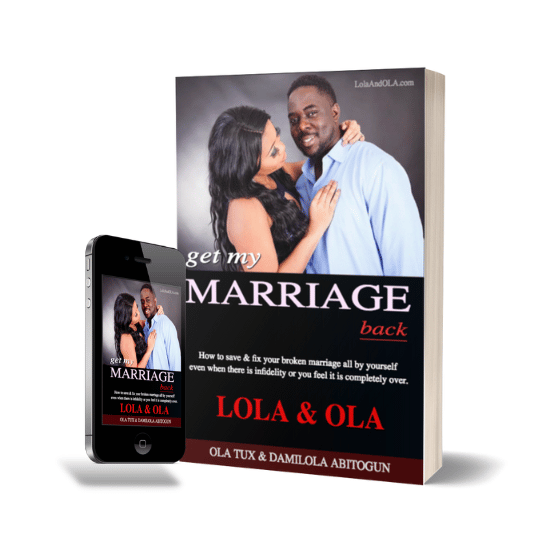
Start With Get My Marriage Back
Get the book and start learning the principles for moving your marriage in a better direction.
Get the Free Book →Maybe you have cried, explained, begged, shut down, tried again, and still ended up feeling like your words hit a wall. Maybe you have searched just to find language for what your heart has been trying to say.
But before you conclude that your marriage is over, let’s slow down.
Emotional disconnection is serious, but it is not always final.
Many marriages go through seasons where one partner feels unseen, unheard, and unvalued.
The real question is not just, “Does he care?”
The better question is, “What pattern created this emotional distance, and what kind of leadership, self-awareness, attraction, boundaries, and emotional intelligence will shift it?”
When Your Husband Doesn’t Care When You’re Upset
If your husband doesn’t care when you’re upset, or if your husband doesn’t care when you cry, it can feel like emotional abandonment.
But here is where you have to be both honest and powerful.
Your feelings are valid, but they are also information.
They are not always the full reality, but they are always worth investigating.
When you start thinking that your husband doesn’t care about your feelings, you are describing your emotional experience.
What Would Help You Most Right Now?
Choose the option that best matches where you are with your marriage.
My Marriage Is in Serious Trouble
If you're dealing with separation, divorce, loss of attraction, infidelity, intimacy problems, or a spouse who's pulling away, get help looking at what's happening in your specific situation.
Get Personalized Help →
Start With Get My Marriage Back
Get the book and start learning the principles for moving your marriage in a better direction.
Get the Free Book →That experience matters.
But to fix the marriage, you must move beyond the pain and begin identifying the pattern.
Ask yourself:
When did I first start feeling this way?
Was there betrayal, neglect, resentment, stress, or disappointment?
Have I been expressing my hurt in a way that invites connection, or in a way that creates more defense?
Has he always been emotionally unavailable, or did something change?
Is he indifferent, overwhelmed, resentful, ashamed, checked out, or simply unskilled emotionally?
This is not about blaming yourself. It is about reclaiming power.

3 Signs Your Husband Doesn’t Value You
There are real signs your husband doesn’t value you, and they should not be ignored.
He may constantly dismiss your emotions. He may make you feel dramatic, needy, or too sensitive. He may avoid serious conversations, refuse accountability, ignore your tears, withhold affection, or treat your pain like an inconvenience.
But value in marriage is not only proven by words.
It is proven by patterns.
A husband who values you may not always understand your feelings perfectly, but he will care enough to try.
He will be willing to listen, repair, adjust, and protect the emotional safety of the relationship.
If there is no effort, no curiosity, no softness, and no accountability, the issue is no longer just communication.
It is a breakdown.

Why Emotional Indifference Happens In Marriage
Most husbands do not wake up one day and decide, “I don’t care about my wife anymore.”
That can happen, but it is not always the first explanation.
Sometimes emotional indifference is caused by stress, resentment, emotional immaturity, burnout, pride, sexual disconnection, fear of failure, or years of unresolved conflict.
In some cases, he may feel the same way you do.
He may feel criticized, rejected, disrespected, or unable to win.
If every emotional conversation turns into blame, guilt, sarcasm, judgment, or condemnation, both partners eventually stop feeling safe.
That is why your approach matters.
The goal is not to shame him into caring.
Shame kills attraction.
Insults kill respect.
Blame kills emotional safety.
Condescension kills desire.
If you want to rebuild connection, you need a more skillful strategy.
The Attraction Problem Behind Emotional Distance
Many women focus only on emotional support, but marriage is not just an emotional contract.
It is also a romantic, sexual, social, spiritual, and psychological bond.
When attraction dies, empathy often becomes harder to access.
That does not excuse cruelty or neglect.
But it does explain why begging, crying, complaining, and over-explaining often fail.
Those behaviors may express pain, but they do not always create attraction, respect, or desire to re-engage.
This is where emotional intelligence becomes seductive.
Seduction in marriage is not manipulation.
It is the art of creating emotional movement.
It is the ability to become grounded, clear, warm, feminine, powerful, and self-led enough that your presence invites pursuit instead of pressure.
Neediness suffocates.
Reactivity drains.
Moral policing creates resistance.
But grounded self-respect creates curiosity.
Rebuilding From Power, Not Victimhood
Inside Get My Marriage Back, we approach marriage from self-leadership, attraction, emotional intelligence, and personal power.
That means we empathize with your pain, but we do not leave you trapped inside victimhood.
You cannot control your husband’s emotions.
You cannot force him to care.
You cannot argue him into softness.
But you can change the emotional climate.
You can change your posture. You can change your standards. You can change your strategy.
That is power.
As you may or may not know, humans need certainty, variety, significance, connection, growth, and contribution.
When a husband becomes emotionally unavailable, one or more of these needs may be broken.
Maybe there is no certainty because the marriage feels unstable. Maybe there is no variety because the relationship has become boring and predictable. Maybe he no longer feels significant. Maybe you no longer feel connected. Maybe both of you stopped growing. Maybe the relationship stopped feeling like a place where either person contributes joy, peace, sex, support, or inspiration.
If your marriage only produces pressure, criticism, bills, chores, and emotional heaviness, attraction will suffer.

Work on these 4 Areas: Friendship, Sex, Expectations, and Pride
To rebuild connection, focus on these…
1. Friendship
Before he is your husband, he is still a human being.
Do you still laugh together? Do you still enjoy each other? Do you still speak with warmth? Or has every interaction become correction, pressure, or complaint?
Friendship softens the heart.
2. Sex
A sexless or sexually disconnected marriage often creates more emotional distance.
Check this out: When to walk away from a sexless marriage
Sex is not just physical.
It is bonding, polarity, play, reassurance, and desire.
If sex has become a weapon, obligation, memory, or silent issue, the marriage needs repair at a deeper level.
3. Expectations
Mismanaged expectations destroy marriages slowly.
Sometimes the pain is not only what he did.
It is what you expected him to know, understand, or provide without clear and effective communication skills.
Unspoken expectations often become silent resentment.
4. Pride and Ego
Pride is one of the biggest reasons marriages collapse. Pride says, “I should not have to say it again.” Pride says, “He should already know.” Pride says, “I will not soften until he does.”
But marriage often requires someone to lead first.
Not from weakness, but from wisdom.
What To Stop Doing Immediately
If you feel like your husband doesn’t care about your feelings, avoid behaviors that poison attraction and emotional safety.
Stop shaming. Stop insulting. Stop blaming. Stop judging. Stop condemning. Stop using guilt as a weapon. Stop relying only on cold logic. Stop sarcasm. Stop condescension. Stop obsessing over who is right and wrong.
You may be right and still lose connection.
That is the hard truth.
The goal is not to win the argument. The goal is to rebuild the emotional bridge.
What To Do Instead
Start with emotional inventory.
Say to yourself, “What exactly am I feeling?”
Not just “he doesn’t care.” Be specific.
Do you feel lonely? Rejected? Unprotected? Unchosen? Unimportant? Disrespected? Unseen?
Then trace the pattern backward.
When did it begin? What changed? What have you tried? What made it worse? What made it better?
After that, speak from grounded power.
Instead of saying, “You never care about my feelings,” try:
“I want to understand what happened to us. Lately, I feel emotionally alone in this marriage, and I want to take that seriously.”
That lands differently.
It is direct, but not destructive.
Use Boundaries, Not Begging
Begging for empathy rarely creates respect.
A boundary sounds different.
“I am willing to work on this marriage, but I am not willing to keep having conversations where my feelings are mocked, dismissed, or ignored.”
That is not a threat. That is clarity.
Healthy boundaries are not punishment. They are protection.
When To Be Concerned The Marriage Is Ending
There are signs a marriage is ending, and you should take them seriously.
A marriage may be in danger when there is ongoing contempt, emotional indifference, refusal to repair, no affection, no sexual connection, repeated betrayal, avoidance of responsibility, or total unwillingness to seek help.
Other signs of marriage failure include chronic resentment, living like roommates, constant defensiveness, emotional or physical withdrawal, and feeling more peaceful when your spouse is not around.
Still, even these signs do not always mean the marriage is over.
They mean the marriage needs urgent intervention.
Emotional Burnout vs. A Dead Marriage
Sometimes a husband is not heartless.
He is emotionally burned out.
Emotional burnout can come from work stress, financial pressure, parenting, health issues, depression, unresolved conflict, or feeling like he constantly fails at home.
A dead marriage, however, is different.
A dying marriage is marked by permanent indifference, zero accountability, no desire to repair, and no meaningful response to boundaries or consequences.
The distinction matters because burnout requires care and restructuring.
Indifference requires boundaries and serious decisions.
How To Deal With An Emotionally Unsupportive Husband
Do not make your husband your only emotional support system.
That is too much pressure for one person, especially if he is already emotionally limited.
Build support.
Get help.
Talk to wise counsel.
Strengthen your spiritual life.
Reconnect with your body, your purpose, your confidence, and your standards.
Your goal is not to become cold.
Your goal is to become centered.
A centered woman is harder to dismiss because she is no longer begging to be chosen.
She is choosing how she shows up.
The Seductive Power Of Self-Leadership
Attraction grows when you stop collapsing into desperation and start moving with grounded confidence.
That means you pray over what you cannot control and take action on what you can control.
Become the woman who can say: “I love this marriage, but I will not abandon myself to keep it.”
That energy is powerful.
He May Not Change Until The Pattern Changes
People change when they are moving toward pleasure or away from pain.
If the current marriage dynamic allows him to stay emotionally lazy with no consequence, he may not change.
But if your energy shifts, your standards rise, your communication improves, your boundaries become clear, and your emotional leadership becomes steady, the pattern has to respond.
He may rise.
He may resist.
He may reveal that he is unwilling.
Either way, you will have more truth than you had before.
And a grounded truth is where power begins.
Your husband may not currently be connected to your feelings the way you need him to be.
But do not confuse his current disconnection with your permanent destiny.
This can be repaired if both people are willing.
But it starts with you becoming grounded, emotionally intelligent, attractive in your self-respect, and powerful enough to lead without begging.
Check this out: My Husband Repulses Me Sexually
Frequently Asked Questions (FAQ)
You deal with him by clearly naming your feelings, setting boundaries against dismissal, rebuilding your own emotional support system, and inviting repair without begging.
The first signs a marriage is ending often include emotional indifference, contempt, avoidance, lack of affection, no accountability, and a growing sense of peace when you are apart.
Deal with an emotionally unsupportive husband by strengthening your self-leadership, communicating clearly, refusing toxic cycles, and seeking wise support or coaching.
Signs of marriage failure include chronic resentment, emotional withdrawal, sexlessness, contempt, repeated betrayal, and refusal to repair the relationship.
Signs your partner is emotionally unavailable include defensiveness, avoidance, lack of empathy, emotional shutdown, discomfort with vulnerability, and inconsistent affection.
He likely becomes defensive or angry because your pain triggers feelings of inadequacy or guilt that he does not have the emotional maturity to process constructively.
A marriage can only survive if the indifferent partner experiences a fundamental shift in perspective and actively chooses to re-engage in rebuilding mutual respect.
Emotional burnout is temporary exhaustion that improves with space and targeted lifestyle changes, whereas a dying marriage is defined by a permanent, ongoing pattern of total indifference and zero accountability.