
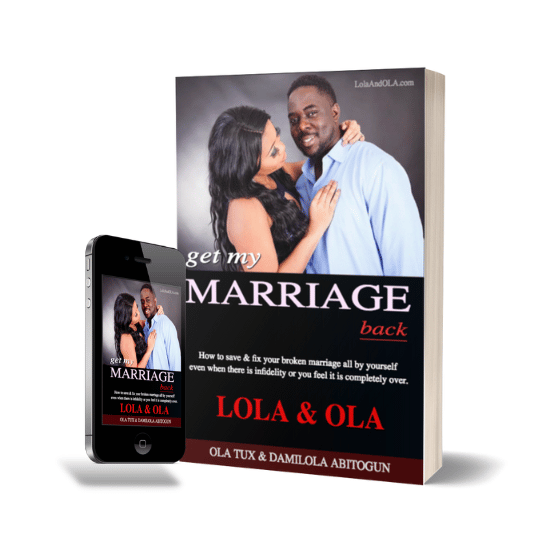
Broken Marriage?
Fix it
Here FREE

Get My Marriage Back


Your Husband Doesn’t Listen to You? 7 Ways to Feel Heard Again

If you’ve been thinking or feeling that your husband doesn’t listen to you, chances are you’re not just frustrated.

You’re hurt.

You feel unseen.

You feel like your thoughts, feelings, and concerns are constantly competing with work, his phone, the TV, hobbies, stress, or simply his lack of attention.

After repeating yourself enough times, it can begin to feel like you’re speaking to a brick wall.

But before we jump to conclusions, let’s slow down and get clear on something important:

What exactly do you mean when you say your husband doesn’t listen to you?

Because there is listening.

There is active listening.

And then there is simply waiting for your turn to speak.

Understanding the difference could completely change how you approach this challenge and dramatically improve your marriage.

Not All “Listening Problems” Are the Same

One of the biggest mistakes people make is treating every communication issue as if it’s the same problem.

In reality, there are several possibilities.

He Doesn’t Listen Because He Doesn’t Agree

Sometimes “he doesn’t listen” really means:

  • He doesn’t do what you suggested
  • He pushes back
  • He disagrees
  • He says no

If that’s the case, the issue may not be listening at all.

Healthy marriages are partnerships, not dictatorships.

A husband who understands your perspective but chooses a different course of action isn’t necessarily ignoring you.

The better question becomes:

Why is he disagreeing?

Have you taken the time to understand his reasoning?

He Hears Your Words but Misses Your Feelings

This is where many wives find themselves.

You don’t necessarily need him to agree.

But you need him to understand… right?

You want him to:

  • Hear your concerns
  • Understand your emotions
  • Acknowledge your experience
  • Make you feel important

This is active listening.

This is what most people mean when they say they don’t feel heard.

He Listens Only to Respond

Some people aren’t listening to understand.

They’re listening to defend themselves.

They’re preparing their counterargument before you’ve even finished talking.

When that happens, conversations become debates rather than connections.

And nobody feels heard.

my husband doesn't listen to me

Why Your Husband May Have Stopped Listening

Contrary to popular belief, most husbands don’t wake up one morning and decide to ignore their wives.

In many cases, listening problems are symptoms of something deeper.

Emotional Burnout

If every interaction feels like a complaint, criticism, or confrontation, some men begin emotionally checking out.

Not because they don’t care.

Because they feel defeated.

Defensiveness Has Become a Habit

One of the most common relationship traps is criticism.

Even when your intentions are pure, repeated criticism often creates defensiveness.

And defensiveness destroys listening.

Many marriages become trapped in this cycle:

  • Wife feels unheard
  • Wife complains
  • Husband feels attacked
  • Husband withdraws
  • Wife feels even more unheard

The cycle repeats.

Complacency Has Set In

Comfort can become complacency.

Many husbands assume everything is fine because the marriage is still functioning.

Bills are paid.

The household is running.

Nobody is leaving.

Meanwhile, emotional connection slowly deteriorates.

Unmet Emotional Needs

Every human being seeks six core emotional experiences:

  • Certainty
  • Variety
  • Significance
  • Connection
  • Growth
  • Contribution

When these needs aren’t being fulfilled, emotional distance tends to follow.

Communication breakdown is often just the visible symptom.

stop chasing - my husband doesn't listen to me

Stop Chasing and Start Understanding

This advice may sound counterintuitive.

If you’re not being heard, your instinct is probably to talk more.

Explain more.

Push harder.

Repeat yourself louder.

But that approach often backfires.

The harder one person pushes, the more the other retreats.

Instead, consider this:

What if the first step toward being heard is becoming curious?

Ask yourself:

  • What is my husband experiencing?
  • What pressures is he under?
  • What makes him shut down?
  • What causes him to become defensive?

Understanding is influence.

And influence is often far more powerful than pressure.

The Surprising Connection Between Listening and Attraction

Most communication advice ignores a critical reality:

Attraction and communication are deeply connected.

People naturally pay attention to what captivates them.

This doesn’t mean manipulating your spouse.

It means understanding human nature.

When attraction, admiration, friendship, and emotional connection are thriving, communication becomes easier.

When those things decline, listening often declines with them.

Friendship Comes First

One of the strongest predictors of marital success isn’t romance.

It’s friendship.

Ask yourself:

  • Do we enjoy being around each other?
  • Do we laugh together?
  • Do we still have fun together?

Many couples lose friendship long before they lose the marriage.

Avoid Anti-Seducer Behaviors

Many relationship problems worsen because one or both spouses become trapped in unattractive patterns.

Common attraction killers include:

  • Neediness
  • Constant criticism
  • Moralizing
  • Reacting emotionally to everything
  • Talking without listening
  • Trying to control outcomes

When attraction weakens, attention often weakens alongside it.

Rebuild Emotional Safety

People listen better when they feel safe.

Not judged.

…shamed.

Condemned.

And not blamed.

The more emotional safety exists, the easier meaningful conversations become.

my husband doesn't listen to me - marriage killers

The Two Marriage Killers Most Couples Miss

Many couples think their marriage struggles stem from communication alone.

In reality, two issues drive most long-term relationship breakdowns:

1. Mismanaged Expectations

Unspoken expectations become hidden resentments.

Your husband cannot meet expectations he doesn’t know exist.

And even when he knows them, they must be realistic.

2. Mismanaged Pride

Pride prevents accountability.

It prevents humility.

Pride prevents growth.

And it keeps couples focused on proving who’s right instead of solving problems together.

Many communication issues are actually pride and expectation issues wearing different clothes.

9 Ways to Get Your Husband to Listen More

1. Check Your Timing

Don’t start important conversations when he’s distracted, exhausted, or mentally occupied.

Ask if it’s a good time first.

2. Use “I Feel” Instead of “You Never”

Instead of:

“You never listen to me.”

Try:

“I feel disconnected when we don’t have meaningful conversations.”

3. Focus on One Topic

Avoid overwhelming him with a list of grievances.

One issue is easier to process than ten.

4. Listen First

If you want understanding, model understanding.

Curiosity often opens doors criticism cannot.

5. Appreciate What He Does Right

People naturally move toward appreciation and away from criticism.

Recognition can be surprisingly powerful.

6. Build Friendship Intentionally

Create positive experiences outside of problem-solving conversations.

Friendship strengthens influence.

7. Rebuild Attraction

Physical attraction matters.

Emotional attraction matters.

Intellectual attraction matters.

Never underestimate the power of becoming the most grounded, confident version of yourself.

8. Stop Trying to Win

Marriage isn’t a courtroom.

The goal is connection, not victory.

9. Take Ownership Without Taking Blame

Ownership means focusing on what you can control.

It does not mean carrying responsibility for everything wrong in the relationship.

Leadership and Partnership Can Coexist

Healthy marriages are partnerships.

But every marriage occasionally requires leadership.

Someone has to rise above the emotional noise.

…interrupt the cycle.

Someone has to focus on solutions instead of blame.

That doesn’t make one person superior.

It makes them temporarily responsible for helping move the relationship forward.

Often, the person willing to lead emotionally creates the breakthrough both spouses desperately need.

The Goal Isn’t Just Communicationโ€”It’s Connection

When most people say:

“My husband doesn’t listen to me.”

What they’re really saying is:

“I don’t feel seen.”

“Don’t feel understood.”

“I don’t feel important.”

And that’s a much deeper issue than words.

The solution isn’t simply talking more.

It’s rebuilding the emotional environment where listening becomes natural again.

Focus on friendship, attraction, understanding.

…And emotional intelligence.

Because when two people genuinely feel connected, they rarely have to fight to be heard.

35 Warning Signs Your Wife Is Cheating (Is It Insecurity?)

Frequently Asked Questions

What are the first signs a marriage is ending?

The earliest signs are often emotional withdrawal, loss of friendship, chronic resentment, and indifference toward repairing problems. Couples typically drift apart emotionally long before they physically separate.

What is the rule of success for marriage?

Successful marriages are built on mutual respect, emotional connection, trust, and a commitment to continuous growth. Managing expectations and pride effectively is often more important than avoiding conflict altogether.

What are the four habits that destroy marriages?

The four most destructive habits are criticism, defensiveness, contempt, and stonewalling. These behaviors gradually erode emotional safety, trust, and attraction when they become recurring patterns.

What are the signs of a disrespectful husband?

Common signs include dismissing your feelings, belittling your opinions, chronic dishonesty, contemptuous behavior, and refusing to consider your perspective. Healthy disagreement is normal, but repeated devaluation of your thoughts and emotions is not.


35 Habits That Destroy Marriages and Quietly Kill Attraction

Most marriages do not end because of one catastrophic event.

They die slowly.

Not from a single affair. Definitely not from one explosive argument. Not from one bad year.

Instead, they deteriorate through repeated daily habits that gradually destroy emotional safety, sexual attraction, trust, friendship, and respect.

This is why many couples wake up one day feeling like roommates instead of lovers.

The connection did not disappear overnight. It was eroded by hundreds of small moments where contempt replaced admiration, pride replaced partnership, and emotional neglect replaced intentional connection.

If you want to prevent a communication breakdown, avoid a sexless marriage, and maintain attraction over the long term, you must identify the habits that destroy marriages before they become your normal.

habits that destroy marriages

Why Attraction Dies Before Marriage Ends

Many people think marriage survives primarily on love.

In reality, long-term marriages survive on three critical pillars:

1. Friendship

A healthy marriage requires genuine companionship, teamwork, and emotional safety.

2. Intimacy

Sexual connection is not merely physical. It is a powerful barometer of emotional closeness, trust, and attraction.

3. Expectations & Pride Management

Most marital conflicts ultimately come back to two issues:

  • Mismanaged expectations
  • Mismanaged pride

When these are left unchecked, resentment begins accumulating underneath the surface.

Eventually, attraction follows resentment out the door.

The Hidden Truth About Marital Collapse

One of the biggest mistakes couples make is viewing their spouse as the villain.

In most cases, your partner is not evil.

They are simply operating from unconscious habits, emotional wounds, pride, fear, unmet needs, or poor relationship skills.

The goal is not blame.

The goal is awareness.

Because awareness creates leverage.

And leverage creates change.

The 35 Habits That Destroy Marriages

The 35 Habits That Destroy Marriages

Category 1: Verbal & Psychological Attacks

These habits poison emotional safety and create lasting emotional scars.

1. Blaming Your Spouse

Making your partner the cause of every problem instead of taking ownership of your role.

2. Shaming Your Spouse

Attacking who they are rather than addressing what they did.

3. Insulting Your Spouse

Name-calling and personal attacks destroy respect.

4. Judging Harshly

Viewing your partner through a constant lens of criticism.

5. Guilt-Tripping Your Spouse

Using emotional manipulation to gain compliance.

6. Using Sarcasm as Punishment

Disguising hostility as humor.

7. Talking Down to Them

Treating your spouse like a child rather than a respected partner.


Category 2: Pride, Defensiveness & Ego

Pride is one of the fastest ways to destroy attraction.

Nobody feels emotionally connected to someone who constantly needs to be right.

8. Always Needing to Win

Treating disagreements as competitions.

9. Ignoring Their Feelings

Dismissing emotional experiences because they seem irrational.

10. Assuming Bad Intentions

Believing your spouse is trying to hurt, disrespect, or inconvenience you.

11. Mismanaging Expectations

Expecting mind-reading instead of communicating clearly.

12. Letting Pride Lead

Prioritizing ego over connection.

13. Refusing to Apologize

Protecting your image rather than repairing the relationship.

14. Rejecting Feedback

Becoming defensive whenever concerns are raised.

15. Avoiding Ownership

Immediately pointing out your spouse’s faults whenever yours are mentioned.

Conflict Escalation Habits - habits that destroy marriages

Category 3: Conflict Escalation Habits

Conflict itself does not destroy marriages.

Poor conflict management does.

16. Avoiding Hard Conversations

Delaying necessary discussions until resentment builds.

17. Overreacting Emotionally

Allowing emotions to dictate behavior.

18. Escalating Conflict

Turning minor disagreements into major battles.

19. Creating Unnecessary Drama

Adding emotional chaos where none is required.

20. Holding Grudges

Keeping score instead of healing.

21. Refusing Forgiveness

Punishing your spouse indefinitely for past mistakes.

22. Communicating Destructively

Yelling, stonewalling, contempt, and emotional withdrawal.


Category 4: Emotional & Sexual Neglect

Many marriages do not collapse because of conflict.

They collapse because of neglect.

Attraction requires ongoing investment.

23. Withholding Affection

Using emotional or physical distance as punishment.

24. Withholding Appreciation

Failing to acknowledge your spouse’s contributions.

25. Neglecting Intimacy

Allowing sexual connection to disappear without addressing it.

26. Neglecting Companionship

Stopping the friendship portion of marriage.

27. Neglecting Emotional Needs

Ignoring your spouse’s internal world.

28. Avoiding Vulnerability

Never allowing your spouse to truly know you.

habits that destroy marriages

Category 5: Trust & Partnership Erosion

Trust is built through consistency.

It is destroyed through repeated violations.

29. Controlling Your Spouse

Attempting to dominate their choices, relationships, or independence.

30. Disrespecting Boundaries

Ignoring clearly communicated limits.

31. Neglecting Responsibilities

Leaving your spouse carrying the relationship alone.

32. Taking Without Giving

Receiving support without reciprocating effort.

33. Breaking Commitments

Failing to follow through on promises.

34. Undermining Trust

Engaging in secrecy, deception, or hidden behaviors.

35. Prioritizing Ego

Protecting your pride instead of protecting the marriage. Check this video out.


Why These Habits Also Kill Attraction

Many people separate relationship health from attraction.

That is a mistake.

Attraction thrives when these emotional needs are consistently met:

  • Certainty
  • Variety
  • Significance
  • Connection
  • Growth
  • Contribution

When destructive habits dominate the relationship:

  • Certainty becomes anxiety.
  • Connection becomes distance.
  • Significance becomes criticism.
  • Growth becomes stagnation.
  • Contribution becomes resentment.

The result?

Less admiration.

And less desire.

Less respect.

Definitely… less intimacy.

Eventually, less attraction.

This is why attraction is not merely about appearance.

Attraction is heavily influenced by emotional intelligence, self-leadership, emotional safety, confidence, respect, and partnership.


How Emotionally Intelligent Couples Protect Their Marriage

Healthy couples intentionally practice the opposite habits.

They:

  • Take ownership quickly.
  • Apologize sincerely.
  • Communicate directly.
  • Manage expectations clearly.
  • Express appreciation regularly.
  • Prioritize friendship.
  • Protect intimacy.
  • Extend grace.
  • Give constructive feedback.
  • Repair conflicts quickly.
  • Choose partnership over pride.

Most importantly, they understand that attraction is maintained, not assumed.

They continue dating each other long after the wedding day.


Break the Cycle Before It Becomes Permanent

Recognizing the habits that destroy marriages is the first step.

Eliminating them is where transformation begins.

A healthy marriage is not built by avoiding divorce.

It is built by intentionally creating respect, attraction, emotional safety, companionship, intimacy, and trust every single day.

The couples who thrive are not the couples who never make mistakes.

They are the couples who consistently repair them.

Check this out: Behaviors That Cause Divorces: 10 Marriage Killers to Avoid

Frequently Asked Questions

What is the #1 thing that destroys marriages?

Contempt is the strongest predictor of divorce because it destroys respect, emotional safety, and attraction.

What are the four habits that destroy marriages?

Criticism, defensiveness, contempt, and stonewalling are the four habits most associated with marital breakdown.

What are the four behaviors that cause 90% of all divorces?

Criticism, defensiveness, contempt, and stonewalling are the four behaviors most strongly linked to divorce.

What are the 4 dark horsemen of marriage?

The four dark horsemen are criticism, defensiveness, contempt, and stonewalling.

Can a marriage survive years of destructive habits?

Yes, if both spouses consistently replace destructive patterns with accountability, respect, and healthy communication.

How do you break toxic habits in a marriage?

Break toxic habits by identifying the pattern, taking ownership, and repeatedly practicing a healthier response.


Broken Marriage?
Fix it
Here FREE

Get My Marriage Back