


Few thoughts hurt more than quietly whispering to yourself, “My husband doesn’t care about me anymore.”
It often doesn’t happen overnight. Instead, it grows through weeks, months, or even years of emotional distance. Conversations become transactional. Affection fades. Date nights disappear. You stop feeling seen, appreciated, or emotionally safe.
Eventually, your heart reaches a painful conclusion:
“He just doesn’t care.”
That feeling deserves compassion. But before making a life-changing decision based on it, there’s an important distinction to make.
Your feelings are real. They deserve attention. But they are not always the complete picture.
Sometimes your husband truly has become emotionally disconnected. Other times, what you’re experiencing is complacency, unresolved resentment, burnout, depression, stress, or a marriage that has gradually lost its emotional and romantic energy.
Understanding the difference changes everything because you can’t solve the right problem if you’ve identified the wrong one.
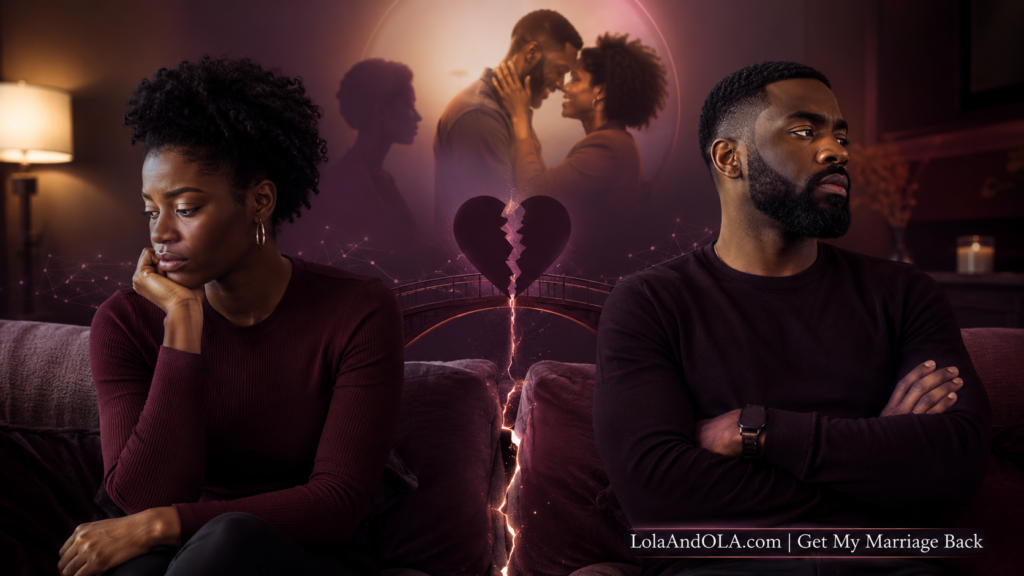
Why You Feel Like Your Husband Doesn’t Care About You
No woman wakes up one morning and randomly concludes her husband doesn’t care.
Usually, she’s responding to a consistent pattern such as:
- He rarely initiates conversations.
- Physical affection has almost disappeared.
- He seems emotionally unavailable.
- He prioritizes work, hobbies, friends, or screens over the relationship.
- He seems indifferent when you’re hurting.
- Arguments never seem to get resolved.
- You feel more like roommates than spouses.
When these patterns continue long enough, your brain naturally fills in the blank:
“If he cared, he wouldn’t act this way.”
That’s an understandable conclusion—but it’s not always the only explanation.
Separate Emotional Reality From Objective Reality
One of the healthiest skills in marriage is learning to separate emotional perception from objective evidence.
Your emotional experience matters.
If you feel neglected, lonely, or unwanted, those feelings are real. They shouldn’t be dismissed or minimized.
However, feelings answer the question:
“What am I experiencing?”
They don’t always answer:
“Why is this happening?”
That’s where many couples get stuck.
One spouse feels abandoned.
The other feels overwhelmed.
Neither understands the other’s internal world.
The Resource Test: Where Is He Investing His Life?
One practical way to evaluate whether your husband truly doesn’t care is to examine where he consistently invests his resources.
People generally put their:
- Time
- Energy
- Attention
- Effort
- Money
behind what matters most to them.
For many husbands, especially those who naturally express love through responsibility rather than emotion, providing for the family is one of their strongest demonstrations of care.
Ask yourself:
- Does he continue working hard to support your household?
- Does he solve problems when they arise?
- Does he protect the family’s stability?
- Does he make sacrifices that benefit everyone?
If the answer is yes, the situation is probably more complicated than simply saying he doesn’t care.
He may be emotionally unavailable.
He may have become complacent.
He may have lost attraction or connection.
He may be carrying stress he hasn’t shared.
Those are serious issues—but they are different from complete indifference.

When Caring and Affection Become Two Different Things
One of the biggest misunderstandings in marriage is assuming care and affection are identical.
A husband may genuinely care about his family while doing a poor job expressing warmth, empathy, romance, or emotional availability.
That doesn’t excuse emotional neglect.
But it does help explain why some wives feel unloved while their husbands sincerely believe they’re doing everything right.
He thinks:
“I work hard every day.”
She thinks:
“I haven’t felt emotionally close to you in months.”
Both experiences can be true simultaneously.
The real issue often becomes the growing affection deficit rather than the complete absence of care.
4 Signs Your Husband May Seem Like He Doesn’t Care
Before assuming the worst, consider whether any of these factors may be contributing.
1. Emotional Burnout
Many people don’t process stress by talking more.
They withdraw.
Financial pressure, career struggles, health concerns, and family responsibilities can quietly consume emotional energy.
Unfortunately, marriage often receives whatever energy remains.
2. Unresolved Resentment
Sometimes emotional distance isn’t caused by a lack of love.
It’s caused by unresolved hurt.
Old arguments.
Broken trust.
Repeated disappointments.
Unspoken expectations.
When resentment accumulates, affection often disappears long before love does.
3. Lost Friendship
Romance rarely survives where friendship dies.
Many couples spend years managing children, bills, careers, and responsibilities while unintentionally neglecting simple friendship.
They stop laughing together.
Stop learning about each other.
Stop enjoying each other’s company.
Without friendship, emotional attraction slowly fades.
4. The Marriage Has Become Predictable
Every relationship needs both certainty and variety.
Security creates trust.
Novelty creates excitement.
When every week looks identical, emotional energy naturally declines.
Sometimes the relationship doesn’t need a dramatic rescue.
It simply needs fresh experiences together.
Could Attraction Have Changed?
This is an uncomfortable conversation, but an important one.
Sometimes a husband still cares deeply about the marriage while losing romantic attraction within the relationship.
Attraction isn’t only physical.
It’s emotional.
Behavioral.
Psychological.
Relational.
Over time, criticism, constant conflict, emotional neediness, defensiveness, resentment, or chronic negativity can quietly reduce attraction for either spouse.
Likewise, emotional distance, passivity, neglect, or a lack of effort from him can diminish your attraction toward him.
Rather than asking only:
“Does he care?”
A more productive question may be:
“What has happened to the emotional climate of our marriage?”
That question creates room for solutions instead of assumptions.
What You Can Control Right Now
You cannot force your husband to become emotionally available.
You cannot control his choices.
You cannot make him care more than he chooses to.
But you can influence the emotional environment you help create.
Healthy influence begins with personal leadership, not self-blame.
That means asking:
- Am I communicating my needs clearly instead of expecting him to guess?
- Have criticism and frustration replaced curiosity?
- Are we making time for friendship?
- Have we stopped prioritizing intimacy?
- Am I becoming the version of myself I respect regardless of his response?
Taking responsibility for your influence is empowering.
Taking responsibility for his decisions is impossible.
Know the difference.
How to Talk to Your Husband Without Making Him Shut Down
If you’ve reached the point where you’re thinking, “My husband doesn’t care about me,” the conversation matters.
Instead of saying:
“You never care about me.”
Try:
“I’ve been feeling lonely lately, and I miss feeling close to you.”
Instead of building a courtroom case filled with evidence, invite him into the emotional experience you’re having.
People are often less defensive when they don’t feel they’re being prosecuted.
The goal isn’t to win an argument.
The goal is to reopen emotional connection.
When It Really Is Emotional Neglect
Sometimes the evidence points beyond complacency.
If your husband consistently shows no concern for your emotional, physical, or relational well-being—and refuses every reasonable attempt to rebuild the marriage—you may be facing genuine emotional neglect.
Signs include:
- Complete emotional indifference.
- Persistent contempt.
- Chronic disrespect.
- Refusal to communicate.
- No effort toward repair.
- No investment in the relationship whatsoever.
At that point, the question shifts.
Instead of asking:
“How do I make him care?”
You begin asking:
“Why am I accepting a relationship where my basic emotional needs are consistently ignored?”
That isn’t about blaming yourself.
It’s about reclaiming your standards, dignity, and long-term emotional health.

Don’t Let This Thought Become Your Identity
Thinking, “My husband doesn’t care about me,” is a painful emotional experience.
It should never become your identity.
Whether the problem is complacency, stress, lost attraction, unresolved resentment, or genuine emotional neglect, your next step is the same:
Seek clarity before certainty.
Observe patterns instead of isolated moments.
Communicate before concluding.
Lead yourself before trying to lead your spouse.
Many marriages recover after seasons of emotional distance because both spouses become willing to address what was happening beneath the surface.
And if your marriage cannot be rebuilt, you’ll move forward knowing your decisions were guided by wisdom rather than assumptions.
19 Signs Your Wife Is Not Sexually Attracted To You
Frequently Asked Questions [FAQ]
Start by identifying whether you’re dealing with emotional distance, complacency, or genuine neglect rather than assuming they are all the same. Communicate your experience calmly, focus on what you can influence, and seek professional marriage counseling if both of you are willing to work on rebuilding the relationship.
Common early signs include persistent emotional distance, unresolved conflict, loss of friendship, declining intimacy, and little interest in repairing disagreements. While these warning signs deserve serious attention, they do not automatically mean the marriage is beyond saving if both spouses are willing to address them.
A husband who no longer cares may consistently show indifference to your emotional needs, avoid meaningful conversations, refuse to repair conflict, and make little or no effort to invest in the relationship. However, emotional withdrawal alone is not enough to reach that conclusion because stress, burnout, resentment, or complacency can produce similar behaviors.
Emotional neglect can leave a wife feeling lonely, unseen, rejected, and emotionally unsafe even while living under the same roof as her husband. Over time, it can reduce self-confidence, increase anxiety or resentment, and weaken the friendship and intimacy that healthy marriages depend on.