


Infidelity is one of the most painful experiences a person can face in a marriage or committed relationship. Yet many people still struggle to define exactly what it is.
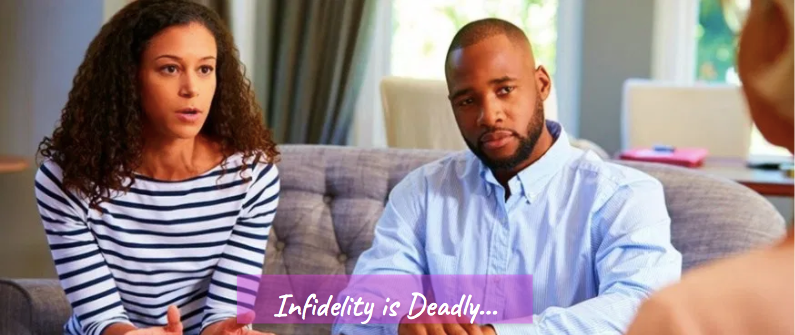
So, what is infidelity?
Infidelity is the violation of the agreed-upon trust, loyalty, and exclusivity within a committed relationship. While many people immediately think of sexual affairs, infidelity can also be emotional, digital, financial, or any behavior that secretly redirects intimacy, energy, attention, or commitment away from the primary relationship.
At its core, infidelity is not just about sex. It is about betrayal of trust and the breaking of relationship agreements—spoken or unspoken.
Understanding infidelity at a deeper level is essential because healing a marriage requires more than identifying who was wrong. It requires clarity, emotional intelligence, healthy boundaries, and a commitment to rebuilding attraction, respect, and trust.
The Real Meaning of Infidelity
Most people define infidelity as cheating.
While that’s true, the deeper reality is that infidelity occurs whenever someone violates the emotional, romantic, sexual, or relational agreements that form the foundation of a committed partnership.
For one couple, exchanging flirtatious messages may be considered harmless. For another, it may represent a serious betrayal.
The specific behavior matters, but the larger issue is this:
Infidelity happens when secrecy replaces transparency and loyalty is replaced by hidden attachments.
When trust is broken, emotional safety disappears. That loss of safety often causes more damage than the act itself.
What Is Infidelity in Marriage?
In marriage, infidelity occurs when a spouse forms an inappropriate romantic, emotional, sexual, or intimate connection outside the marriage that violates the trust and expectations of the relationship.
Marriage is built upon several pillars:
- Friendship
- Trust
- Emotional connection
- Physical intimacy
- Shared expectations
When one of these pillars is compromised through deception or secrecy, the marriage begins to suffer.
The pain of infidelity is often amplified because marriage is designed to provide certainty, connection, significance, growth, and contribution—some of the most fundamental emotional needs humans possess.
When betrayal enters the relationship, those needs suddenly feel threatened.
Types of Infidelity
Many people assume all affairs are physical. In reality, infidelity appears in several forms.
1. Physical or Sexual Infidelity
This is the most commonly recognized form of infidelity.
It involves sexual or intimate physical activity with someone outside the committed relationship.
Examples include:
- Sexual intercourse
- Kissing
- Physical intimacy
- Ongoing affairs
- One-night stands
Because physical affairs are visible and tangible, they often receive the most attention. However, they are not always the most damaging form of betrayal.
2. Emotional Infidelity
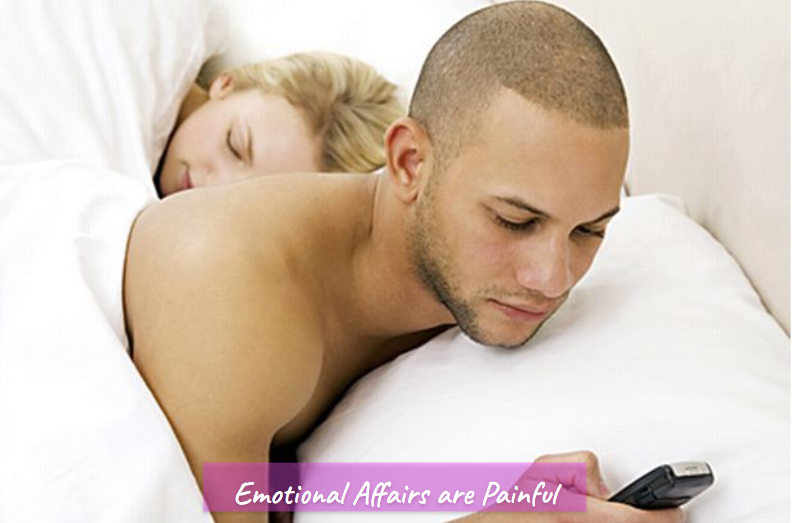
Emotional infidelity occurs when someone develops a deep emotional bond with another person while hiding it from their spouse.
Signs may include:
- Sharing personal secrets with someone else
- Prioritizing another person emotionally
- Constant texting or communication
- Seeking emotional support outside the marriage
- Romantic feelings without physical contact
Many betrayed spouses report that emotional affairs hurt just as much—or more—than physical affairs because emotional intimacy is often the foundation of long-term attraction.
3. Digital Infidelity
Technology has created new opportunities for secrecy.
Digital infidelity may involve:
- Secret conversations
- Sexting
- Dating apps
- Hidden social media relationships
- Online affairs
- Secretive pornography habits that violate relationship agreements
The device may be digital, but the betrayal is real.
4. Financial Infidelity
Financial infidelity happens when one partner hides money matters from the other.
Examples include:
- Secret bank accounts
- Hidden debt
- Undisclosed purchases
- Gambling losses
- Concealed investments
Trust extends beyond romance. When financial transparency disappears, emotional trust often follows.

Why Does Infidelity Hurt So Much?
The pain of infidelity goes far beyond the affair itself.
Most people experience:
- Shock
- Anger
- Sadness
- Anxiety
- Loss of self-esteem
- Obsessive thoughts
- Fear of future betrayal
The reason is simple.
Infidelity attacks multiple emotional needs simultaneously:
- Certainty becomes uncertainty.
- Connection becomes distance.
- Significance becomes rejection.
- Growth becomes stagnation.
Many betrayed spouses become trapped trying to understand every detail of what happened.
Unfortunately, endless investigation often prolongs suffering rather than creating healing.
At some point, recovery requires shifting focus from the affair itself to personal clarity, self-respect, and healthy relationship boundaries.
What Causes Infidelity?
There is rarely one single cause.
Infidelity is usually the result of multiple factors interacting over time.
Common causes include:
Low Emotional Connection
When couples stop nurturing friendship and emotional intimacy, distance often develops.
Unmet Emotional Needs
Humans naturally seek certainty, variety, significance, connection, growth, and contribution. When these needs are chronically neglected, vulnerability to temptation may increase.
Poor Boundaries
Most affairs do not begin in a hotel room.
They often begin with:
- Private conversations
- Emotional dependency
- Excessive familiarity
- Hidden communication
Low Self-Esteem
Some individuals seek external validation to compensate for internal insecurities.
Revenge or Retaliation
In some cases, infidelity becomes a misguided attempt to punish a spouse for past hurts.
Opportunity and Circumstances
Temptation exists for most people. Character, boundaries, and purpose determine how individuals respond when opportunities arise.
Importantly, understanding causes is not the same as excusing behavior.
Every affair remains a personal choice.
35 Warning Signs Your Wife Is Cheating (Is It Insecurity?)

Is Infidelity Always the End of a Marriage?
No.
Many marriages survive infidelity.
Some even become stronger after both partners confront the deeper issues that existed before the betrayal.
However, survival requires more than forgiveness.
It requires:
- Genuine remorse
- Radical honesty
- Accountability
- Consistent action
- Time
- Emotional maturity
Trust is not rebuilt through promises.
Trust is rebuilt through repeated experiences of reliability.
How to Rebuild Trust After Infidelity
Healing takes time, but it is possible.
1. Stop Chasing Explanations Forever
Understanding is helpful.
Obsession is not.
At some point, healing requires accepting that no explanation will completely erase the pain.
2. Establish Clear Boundaries
Healthy boundaries create emotional safety.
Examples include:
- Full transparency
- Ending inappropriate relationships
- Open communication
- Consistent accountability
3. Focus on Self-Respect
Many betrayed spouses become consumed by monitoring their partner.
Ironically, the more empowering path is rebuilding yourself.
Invest in:
- Physical health
- Emotional health
- Spiritual grounding
- Personal goals
- Meaningful friendships
Self-respect creates clarity.
Clarity creates power.
4. Rebuild Friendship First
Long-term attraction grows from emotional connection.
Many couples attempt to fix sex before repairing friendship.
The stronger approach is rebuilding trust, communication, and companionship first.
5. Avoid the Blame Cycle
Blame, guilt, shame, condemnation, and constant judgment rarely create healing.
They often create defensiveness and emotional withdrawal.
This does not mean avoiding accountability.
It means addressing problems without destroying the possibility of future connection.

Can Attraction Return After Infidelity?
Absolutely.
Attraction is not merely physical.
It is emotional, psychological, and behavioral.
Many couples mistakenly believe attraction should happen automatically after trust is restored.
The reality is that attraction often grows when both spouses become healthier versions of themselves.
That means:
- Developing emotional intelligence
- Managing pride and ego
- Improving communication
- Becoming more confident
- Rekindling friendship
- Creating positive experiences together
Respect, trust, and emotional safety are often earned gradually through consistent behavior.
What Is the Difference Between Infidelity and Adultery?
People frequently use the terms interchangeably, but they are not identical.
Adultery specifically refers to sexual relations involving a married person and someone who is not their spouse.
Infidelity is the broader category that includes emotional affairs, digital affairs, financial deception, and sexual betrayal.
In simple terms, adultery is one form of infidelity, but not all infidelity is adultery.
Moving Forward After Infidelity
Whether you stay together or separate, healing begins when you stop allowing the betrayal to define your entire future.
The healthiest path forward involves:
- Accepting reality
- Setting boundaries
- Rebuilding self-respect
- Strengthening emotional intelligence
- Focusing on personal growth
- Creating clarity about what you want next
You cannot control another person’s choices.
You can control your standards, your response, and the direction of your life moving forward.
That is where true healing begins.
Success statistics of marriage counseling
Frequently Asked Questions
Adultery specifically refers to sexual relations between a married person and someone other than their spouse. Infidelity is a broader term that includes emotional affairs, digital cheating, financial deception, and sexual betrayal.
Infidelity is any behavior that violates the agreed boundaries of trust, loyalty, or exclusivity within a relationship. This can include physical affairs, emotional affairs, secret online relationships, sexting, or other hidden intimate connections.
Research has historically shown slightly higher rates of reported sexual infidelity among men, although the gap has narrowed significantly in recent decades. The likelihood of cheating is influenced more by individual circumstances, values, opportunity, and relationship dynamics than by gender alone.
Yes, most married men do not report engaging in extramarital affairs. While infidelity receives significant attention because of its emotional impact, the majority of husbands remain faithful throughout their marriages.