Broken Marriage?
Fix it
Here FREE

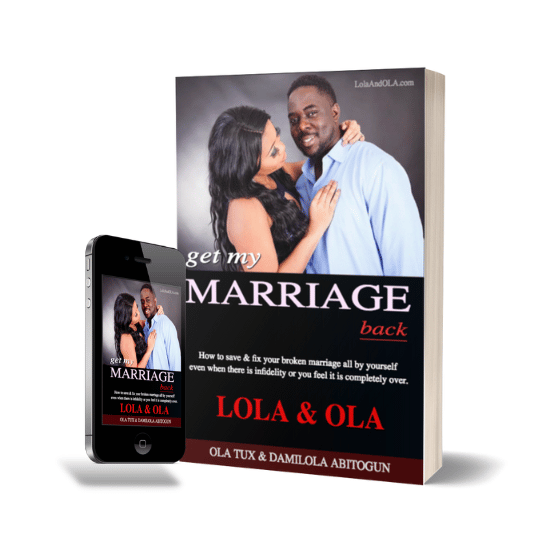
Get My Marriage Back


What to Say to a Distant or Cold Spouse: A Step-by-Step Guide to Rebuilding Connection in Your Marriage

๐Ÿ“Œ Author's Note from Lola & Ola:
If you are reading this right now, we know the heartbreak of watching the desire, intimacy, and warmth fade out of your relationship. We survived our own marriage completely dying at the 9-year mark and rebuilt a 20+ year roadmap from it. Before you dive into the details below, grab our complete book Get My Marriage Back for FREE right now so you have an immediate, step-by-step action plan to turn things around.

You walk through the door after a long day, ready to share a laugh or vent about the small annoyances of the dayโ€”maybe a spilled coffee on your shirt, or that coworker who insists on microwaving fish.

Click Below to Watch the Video

What to Say to a Distant or Cold Spouse

Click Below to Watch the Video

But your partner barely looks up from their phone.

You greet them with a warm,

โ€œHey babe,โ€

…and they grunt, nod, or barely acknowledge you.

In that moment, you’re hit with an invisible wall.
A distance.
A chill.

And it’s heartbreakingโ€”because this isnโ€™t just a bad day.

This has become your new normal.

The emotional distance.

The checked-out look.

The silence that used to be filled with laughter.

Sound familiar?

If so, youโ€™re not alone.

Many marriages go through seasons of emotional withdrawal, and the pain of disconnection is very real.

But the good news?

Itโ€™s not hopeless.

With the right approach, you can not only reconnectโ€”you can create a stronger, more emotionally intimate marriage than ever before.

Before we dive into the how-to, allow us to introduce ourselves.

Weโ€™re Lola and Olaโ€”a married couple with over 17 years together and 20+ years of friendship.

But trust us, it wasnโ€™t always rainbows and heart emojis.

We almost gave up on our marriage.

The pain, the arguments, the emotional distanceโ€”it got so bad, we thought we were done.

But through therapy, introspection, communication, and a whole lot of work, we turned our marriage around.

And in 2018, we launched this website and co-authored the book Get My Marriage Back, which is now helping thousands of couples reconnect and rebuild.

Why Emotional Distance Happens in a Marriage

Understanding the root causes of emotional disconnection is the first step to addressing it.

Coldness or distance in a spouse doesnโ€™t always mean theyโ€™ve stopped loving you.

It could mean:

  • They feel unheard or misunderstood.
  • Theyโ€™re overwhelmed by stress, anxiety, or depression.
  • Theyโ€™re emotionally burnt out from past unresolved conflicts.
  • Theyโ€™re guarding themselves from what feels like a hostile environment.

The truth isโ€”emotional distance is often a symptom, not the disease.

Itโ€™s a protective shield.

And if you respond to it with anger, frustration, or withdrawal of your own, it becomes a cycle.

But cycles can be broken.

How NOT to Respond to a Distant Spouse

Letโ€™s start hereโ€”because so many people unintentionally make things worse.

Donโ€™t:

  • Plead or beg for connection: โ€œWhy donโ€™t you love me anymore?โ€
  • Accuse: โ€œYouโ€™re always on your phone. You donโ€™t care.โ€
  • Try to fix too quickly: โ€œTell me what to do and Iโ€™ll do it.โ€
  • Match coldness with coldness: โ€œFine. Two can play that game.โ€

These responses often feel justified, but they usually push your spouse further away.

Why?

Because they increase emotional pressure rather than creating safety.

5 Powerful Things to Say (and Do) to a Distant Spouse

Letโ€™s break down what you can say and do to gently close the emotional gap and rebuild trust and connection.

1. Say Less, Listen Moreโ€”Way More

Instead of trying to force a conversation, slow down.

Try a simple and gentle opener like:

โ€œHey, how have you been feeling lately?โ€

And thenโ€ฆ just listen.

Even to the silence.

Itโ€™s uncomfortable, yes, but youโ€™re creating space.

That space says:

Iโ€™m here, and Iโ€™m not trying to fix or control you.

I just care.

💡 Why this works:

Distant spouses often donโ€™t feel emotionally safe.

They may feel judged, pressured, or dismissed.

Your willingness to simply listen shows that you value their inner world, not just their outward behavior.

2. Reframe Criticism as a Cry for Connection

If your spouse criticizes youโ€”โ€œYou never help around the houseโ€ or โ€œYouโ€™re always on your phoneโ€โ€”resist the urge to argue.

Instead, ask yourself:

โ€œWhatโ€™s underneath this criticism? What unmet need might they be expressing poorly?โ€

Then respond with curiosity:

โ€œI didnโ€™t realize you were feeling that way. I want to understand better.โ€

💡 Why this works:

Criticism is often a disguised need.

It may come out as anger, sarcasm, or passive-aggression, but underneath it is often loneliness, resentment, or exhaustion.

When you donโ€™t take it personally, you can begin to meet your partner where they really are.

3. Validate Their Experience Without Defending Yourself

When your spouse opens upโ€”even just a littleโ€”validate them.

โ€œI can see how youโ€™d feel hurt by that.โ€
โ€œIt makes sense youโ€™d shut down if it felt like I wasnโ€™t listening.โ€

Donโ€™t leap into explanation or defense.

That comes laterโ€”maybe. For now, just empathize.

💡 Why this works:

Validation is emotional oxygen.

It calms the nervous system, lowers defenses, and builds trust.

Without validation, conversations feel like war zones. With it, they become bridges.

4. Donโ€™t Take Coldness Personally (Even If It Feels Personal)

One of the hardest pills to swallow is this:

Their emotional coldness may not be about you.

They could be dealing with depression, stress, job insecurity, unresolved trauma, or self-worth issues.

They might feel like a failure as a parent or partnerโ€”and shutting down is their way of coping.

Instead of reacting with hurt, try:

โ€œIโ€™ve noticed youโ€™ve been more quiet lately. I just want you to know Iโ€™m here if and when you want to talk. No pressure.โ€

💡 Why this works:

It removes pressure.

It gives them permission to open up on their own terms, not yours.

And it positions you as a safe spaceโ€”not another stressor.

5. Reignite the Spark by Rebuilding Attractionโ€”Not Demanding It

One harsh truth:

Attraction is not owed. Itโ€™s built.

Yes, they fell in love with you once. But relationships evolve. Ask yourself:

  • Am I showing up as someone they can emotionally connect with?
  • Am I becoming someone I would be attracted to?
  • Am I bringing curiosity, confidence, humor, and growth to the relationship?

Instead of chasing their validation, focus on becoming a version of yourself that naturally draws them in.

💡 Why this works:

Emotional distance often stems from stagnation.

When you grow, reflect, and level up your energyโ€”not from desperation, but from intentionโ€”it can subtly shift the entire dynamic.

Real-Life Case Study: Mikeโ€™s Marriage Revival

Letโ€™s go back to Mike.

He was married for 12 years.

Provider, father, faithful husband.

But his wife was checked outโ€”emotionally cold, distant, and rarely affectionate.

At first, he did all the โ€œwrongโ€ thingsโ€”nagging her to talk, demanding connection, blaming himself.

But when he shifted to:

  • Listening without reacting
  • Validating without defending
  • Giving space without withdrawing
  • Growing himself without waiting for her to change

โ€ฆ she began to soften.

It wasnโ€™t overnight.

But one day she said, โ€œYouโ€™re different lately. I feel like I can breathe around you again.โ€

Thatโ€™s the power of emotional safety.

Bonus Tips to Keep the Momentum Going

  • Stop keeping score. Let go of tit-for-tat thinking.
  • Prioritize non-sexual touch. A hand on the shoulder. A hug without an agenda.
  • Use โ€œIโ€ statements: โ€œIโ€™ve been feeling disconnected and I miss usโ€ is less threatening than โ€œYou never pay attention to me.โ€
  • Take care of your mental health. A calmer you creates a calmer space.
  • Create new shared experiences. Even a 15-minute walk or cooking a meal together can rebuild connection.

Conclusion: Cold Doesnโ€™t Mean Done

Yes, having a cold or distant spouse hurts. Deeply.

But it doesn’t mean your marriage is over.

In fact, it might just be at a turning point.

Many couplesโ€”even those on the brink of divorceโ€”have found their way back to each other through patience, empathy, and intentional action.

If this post resonated with you, thereโ€™s so much more waiting for you.

👉 Get free access to our book โ€œGet My Marriage Backโ€

Inside, you’ll find tools and insights that go even deeper, with step-by-step guidance to rebuild connection and passionโ€”starting from wherever you are today.


Want More Like This? Check This Out

What to Do When Your Marriage Feels Hopeless

19 Signs Your wife is NOT Attracted to You ❤️

FAQ: What to Say to a Distant or Cold Spouse

How do I deal with an emotionally distant husband?

To deal with an emotionally distant husband, try gently opening the conversation by asking how he’s been feeling and then actively listening without judgment or the need to fix things.

How to deal with a spouse who puts you down?

Do not accept any bullying behavior. But when dealing with a spouse who puts you down, try to understand the unmet need behind their criticism rather than reacting defensively.

Why does my husband take everything I say the wrong way?

If your husband often takes things the wrong way, it might be helpful to focus on validating his feelings and experience during conversations.

How to shut down a negative spouse?

Instead of trying to “shut down” a negative spouse, focus on not taking their coldness personally and creating a safe space for them to open up on their own terms.

The #1 Communication Trick to Stop Arguments In a Marriage Fast

๐Ÿ“Œ Author's Note from Lola & Ola:
If you are reading this right now, we know the heartbreak of watching the desire, intimacy, and warmth fade out of your relationship. We survived our own marriage completely dying at the 9-year mark and rebuilt a 20+ year roadmap from it. Before you dive into the details below, grab our complete book Get My Marriage Back for FREE right now so you have an immediate, step-by-step action plan to turn things around.

How to Stop Arguments in Marriage Using Proven Communication Strategies

You ever walk into a room, open your mouth to speak, and your spouse looks at you like you just interrupted their favorite showโ€”even though nothing is even playing?

Click Below to Watch the Video

how to stop arguments in marriage

Click Above to Watch the Video

That awkward tension?

That cold silence?

Thatโ€™s not in your imagination.

And youโ€™re not alone.

In fact, if youโ€™ve ever felt like every conversation with your spouse ends in a misunderstanding, raised voices, or complete shutdown, you might be wondering if there’s anything left to save.

Let us assure youโ€”there is.

Weโ€™re Ola and Lola, marriage coaches and authors of the book Get My Marriage Back.

Weโ€™ve been through the trenches ourselvesโ€”nearly gave upโ€”but fought to find our way back.

And weโ€™ve spent the last several years helping individuals and couples stop the toxic cycles and rekindle deep, lasting connection.

So if youโ€™re ready to finally learn how to stop arguments in marriage, youโ€™re in the right place.


Why Couples Argue (And Why It Keeps Happening)

According to a study by the National Library of Medicine, communication problems are the number one reason cited in over 65% of divorces.

And it’s not just what couples argue aboutโ€”but how they argue.

Most couples donโ€™t argue about the topic itself.

They argue about how they feel during the conversationโ€”disrespected, ignored, unheard.

Take our client Tunde, for example.

He told us, โ€œOla, I swear I was just asking her how her day went, and she looked at me like I asked for her bank password.โ€

It wasnโ€™t the words that were wrong.

It was the emotional atmosphere the words landed in.

So letโ€™s walk through three key lessons that helped Tunde and many others stop arguments in marriageโ€”fast.


Lesson #1 โ€“ Master the Art of Active Listening

This one communication skill can de-escalate 80% of arguments before they even start.

Letโ€™s get one thing straight: active listening is not just hearing.

Most people listen just enough to prepare a response. Like theyโ€™re shadowboxing in the ring, waiting for the right moment to land their verbal uppercut.

But active listening means youโ€™re hearing to understandโ€”not to defend, not to correct, and definitely not to win.

When you listen to understand, a few powerful things happen:

  • Your spouse feels safe to express themselves.
  • You begin to pick up on unspoken emotional cues.
  • You stop misinterpreting silence, sarcasm, or distance.

Real-Life Example:

Ada, one of our clients, thought her husband was emotionally unavailable.

But once she stopped interrupting and actually listened without fixing, he opened up more than he had in years.

Why?

Because for the first time in a long time, he felt heardโ€”not judged.

Tip: Next time youโ€™re in a tense moment, try this:
โ€œHelp me understand… How do you feel?โ€
Then? Zip it. Let them talk.

This principle echoes what the Christian scritptures James 1:19 teaches:

โ€œLet every person be quick to hear, slow to speak, slow to anger.โ€

Let your first move in conflict be listeningโ€”not launching into a defense.


Lesson #2 โ€“ Stop Trying to Win the Argument

Start trying to win unity instead.

Arguments in marriage often turn into courtroom scenes:

  • Whoโ€™s more hurt?
  • Whoโ€™s right?
  • Who has better evidence?

But hereโ€™s the truth:

In marriage, if one person loses the argument, you both lose.

The goal isnโ€™t to erase all conflict.

Thatโ€™s unrealistic.

The goal is to handle conflict in a way that creates connection, not casualties.

Client Example โ€“ Jideโ€™s Breakthrough

Jide used to say, โ€œBut I didnโ€™t mean it that way!โ€ every time his wife got upset.

He couldnโ€™t understand why she kept taking things the wrong way.

We told him:

โ€œItโ€™s not about what you meantโ€”itโ€™s about how it was received.โ€

Once he got that, things shifted dramatically.

Their arguments dropped, and their emotional intimacy rose.

As the Christian scriptures Proverbs 18:13 wisely states:

โ€œIf one gives an answer before he hears, it is his folly and shame.โ€


Lesson #3 โ€“ Remind Yourself: Your Partner Is Still Your Lover

Not your enemy.

Not your rival.

Not your roommate.

When you first fell in love, every word sparked laughter.

Every conversation was an adventure.

But now?

Maybe you talk only when thereโ€™s a problem.

Or worseโ€”only when you need something.

That shift often starts when familiarity replaces curiosity.

Reignite curiosity.

Ask questions again.

Laugh at each otherโ€™s jokesโ€”even if youโ€™ve heard them before.

We personally experienced this shift in our own marriage.

When we stopped assuming we knew each other and started dating againโ€”emotionally and conversationallyโ€”it felt like falling in love all over again.

So ask yourself:

  • When was the last time you flirted?
  • When was the last time you listened to your spouse like it was your first date?
  • When was the last time you complimented them for no reason?

The Science Behind Arguments in Marriage

Quick Stats:

  • According to Dr. John Gottman, couples who argue in a healthy way (i.e., with emotional safety and repair) are 5x more likely to stay together.
  • A 2022 Pew Research study found that 61% of divorced people cited communication as a โ€œmajor contributing factorโ€ to the end of their marriage.
  • Studies from the American Psychological Association (APA) show that active listening and emotional validation significantly lower cortisol levels (the stress hormone) during conflict.

So when we say this worksโ€”itโ€™s not just our opinion.

Itโ€™s evidence-based.


Finally, Here is How to Stop Arguments in Marriage Starting Today

If youโ€™re sick of:

  • Talking to a brick wall,
  • Feeling like everything turns into a fight,
  • Or emotionally walking on eggshells,

โ€ฆitโ€™s time to change the way you communicate.

Remember:

  1. Listen first. Understand before responding.
  2. Seek unity, not victory. Youโ€™re not debatingโ€”youโ€™re connecting.
  3. Rediscover your friendship. Let your marriage feel like love again, not war.

And if you want to go deeper and get step-by-step guidance for restoring communication and connectionโ€”even if your marriage feels cold or one-sidedโ€”join our FREE 72-minute masterclass:
👉 www.GetMyMarriageBack.com

Youโ€™ll learn exactly whatโ€™s blocking connection and what to do next.

FAQ: How to Stop Arguments in Marriage

How to stop an argument in marriage?

You can immediately reduce arguments by focusing on actively listening to your spouse with the intent to understand their perspective.

How to break the cycle of arguing?

To break the cycle of arguing, shift your focus from trying to “win” the argument to seeking unity and connection with your partner.

Why does my wife constantly pick fights with me?

Frequent arguments often stem from feeling unheard, disrespected, or emotionally unsafe during conversations.

How to control fights between husband and wife?

Husbands and wives can control fights by prioritizing active listening, understanding each other’s feelings, and remembering they are partners, not adversaries.

How to Talk to Your Spouse Without Fighting: 5 Communication Tips to Rebuild Your Marriage

๐Ÿ“Œ Author's Note from Lola & Ola:
If you are reading this right now, we know the heartbreak of watching the desire, intimacy, and warmth fade out of your relationship. We survived our own marriage completely dying at the 9-year mark and rebuilt a 20+ year roadmap from it. Before you dive into the details below, grab our complete book Get My Marriage Back for FREE right now so you have an immediate, step-by-step action plan to turn things around.

Are you tired of arguing every time you try to have a serious conversation with your spouse?

Does it feel like youโ€™re defusing a ticking time bomb with a butter knife whenever you attempt to talk?

Youโ€™re not alone.

Click the image below to Watch the Video

Click the image Above to Watch the Video

Many couples struggle with communication, and thatโ€™s why weโ€™re here to help you learn how to communicate effectively without the stress, frustration, or drama.

In Part 1 of our “Communication Breakthroughs” series, weโ€™ll show you how to improve communication with your spouse and avoid the common pitfalls that often lead to arguments.

Whether you’re having trouble with your husband, wife, or partner, these 5 practical tips will help you navigate tricky conversations and get back to a place of mutual understanding.

Tip #5: Choose the Right Time and Place

The timing and setting of your conversation can make all the difference.

Imagine trying to talk about sensitive issues when your spouse is running late for work or in the middle of a stressful day.

You wouldn’t attempt a deep conversation when emotions are already high, right?

One of our clients, Candice, found herself trying to have serious talks when both she and her husband were already upset.

As a result, every conversation turned into a fight.

Instead of choosing the right time and setting, Candice was unintentionally setting herself up for failure.

To communicate effectively, wait for the right timeโ€”ideally when both of you are relaxed or already in a good mood.

Remember, good communication is like planting a seed; it needs the right environment to grow.

Choose the right time, and your conversation will have a much higher chance of success.

Tip #4: Use โ€œIโ€ Statements Instead of Accusations

Have you ever tried to express your feelings, only to be met with a defensive response?

Statements like, โ€œYou never listen to me!โ€ or โ€œYou always do this!โ€ only make your spouse feel attacked, causing them to shut down or defend themselves.

A simple shift in language can make all the difference. Instead of using โ€œyouโ€ statements, which can sound like an attack, try using โ€œIโ€ statements to express how you feel.

For example, instead of saying, โ€œYou donโ€™t care about my feelings,โ€ try saying, โ€œI feel disconnected when we donโ€™t talk as much.โ€

This subtle change in approach helps open up a dialogue where your spouse is less likely to become defensive.

By sharing your feelings in a way that is not accusatory, you invite understanding rather than conflict.

Tip #3: Pay Attention to Your Spouseโ€™s Feelings First

In every conversation, we all operate from our own emotional worlds.

And while logic and reason are important, they donโ€™t always work when emotions are involved.

When weโ€™re frustrated or upset, we often feel the need to prove our point rather than consider our spouseโ€™s feelings.

Candice learned this the hard way.

She would enter conversations thinking, โ€œI just need to make him understand my point.โ€

But what she didnโ€™t realize was that her husband wasnโ€™t looking for logicโ€”he was looking to be heard.

He wanted to feel understood before they could work through the issue together.

So, instead of trying to prove her point, Candice began asking her husband, โ€œHow are you feeling about this?โ€

She started by validating his emotions before sharing her own perspective.

The result?

A breakthrough in communication and a much more connected conversation.

Tip #2: Agreement Takes Time โ€“ Be Patient

If youโ€™re hoping for instant agreement during every conversation, you might find yourself frustrated.

Real understanding takes time, and itโ€™s not something that can be achieved in a single discussion.

Emotions donโ€™t work on a schedule, and trying to resolve everything all at once can cause more harm than good.

Candice was guilty of trying to fix everything in one conversation.

She expected immediate resolution, which only led to frustration when her husband wasnโ€™t ready to agree.

The key here is patience. Instead of pushing for instant agreement, allow the conversation to breathe.

Trust the process and give both of you the space to truly understand each other.

Tip #1: Active Listening is Key

Most people think theyโ€™re listening when, in fact, theyโ€™re just waiting for their turn to speak.

Candice, like many of us, was guilty of thinking about her response while her husband was talking, which meant she wasnโ€™t really hearing his perspective.

To improve communication, we encouraged Candice to try something new: for one week, she focused on truly listening when her husband spoke.

No distractions, no thinking about her responseโ€”just listening, nodding, making eye contact, and reflecting back what he said.

The result?

Her husband noticed that she was really listening, and as a result, he started listening to her more as well.

Active listening creates a stronger connection and shows your spouse that you genuinely care about their thoughts and feelings.

Ready to Improve Your Marriage?

If these tips resonate with you and you want to dive deeper into transforming your relationship, we invite you to sign up for our next masterclass on how to fix a broken marriage and reignite love in just 45 days.

Weโ€™ve helped countless couples improve their communication and build stronger, more fulfilling marriages.

The class is completely free, and weโ€™d love to help you too.

Sign up now at www.GetMyMarriageBack.com for our free masterclass.

Final Thoughts

Communication is the foundation of any strong marriage, and learning how to talk to your spouse without fighting is key to building a healthier, happier relationship.

By using these 5 tipsโ€”choosing the right time and setting, using โ€œIโ€ statements, understanding your spouseโ€™s feelings, being patient, and practicing active listeningโ€”you can drastically improve your communication and reduce arguments.

What do you think?

Should couples always be brutally honest, or does delivery matter just as much as the truth? Share your thoughts in the comments below!

NEXT: The #1 Communication Trick to End Arguments Fast.

Together, we can help you build a stronger relationship and reignite the love in your marriage!

Here are 5 signs that you marriage can still be saved.

What to Do When Your Marriage Feels Hopeless

FAQ: Talking to Your Spouse Without Fighting

How do I communicate with my partner without fighting?

Communicate more effectively by choosing the right time and place for serious conversations when you are both relaxed.

What is the 3 day rule after an argument?

Take 3 days to assess the root cause of an argument before bringing it up again. You might surprisingly find out that there is no need to bring it up again and if you have to, you will be equipped for a better conversation.

How do you communicate with a difficult spouse?

When communicating with a difficult spouse, try paying attention to and validating their feelings before sharing your own perspective.

Is it normal for couples to fight and not talk for days?

While occasional disagreements are normal, consistently fighting and giving each other the silent treatment for days can be a sign of underlying communication issues.

How to Save Your Marriage When Your Spouse Wants Out – Saving a Marriage in Crisis

๐Ÿ“Œ Author's Note from Lola & Ola:
If you are reading this right now, we know the heartbreak of watching the desire, intimacy, and warmth fade out of your relationship. We survived our own marriage completely dying at the 9-year mark and rebuilt a 20+ year roadmap from it. Before you dive into the details below, grab our complete book Get My Marriage Back for FREE right now so you have an immediate, step-by-step action plan to turn things around.

You ever been in one of those situations where you walk into a room, and you can immediately tell somethingโ€™s off?

Click the image below to Watch the Video

Click the image below to Watch the Video

Likeโ€ฆ the air is just thick with tension.

You say โ€œHey, babe,โ€ and all you get back is a grunt. Or worseโ€”absolute silence.

Now, if youโ€™re like me, you probably start running through a mental checklist: โ€œDid I forget the anniversary? Did I leave the toilet seat up? Did Iโ€”Oh waitโ€ฆ itโ€™s worse than that.โ€

And thenโ€ฆ BOOM.

Your spouse hits you with the words no one ever wants to hear:

โ€œI donโ€™t think this is working. I think we should separate.โ€

Listen, if youโ€™ve ever been in this situation or youโ€™re in it right now, I need you to do one thing for me. Breathe. Seriously. Breathe in. Breathe out.

Because this isnโ€™t the end of your marriageโ€”yet. And even if it feels like it, I promise, thereโ€™s still a way forward.

Iโ€™m Ola, one half of a partnership with my wife, Lola. After 11+ years of friendship and 8+ years of marriage, we almost gave up on each other.

The pain, the distance, the constant fightsโ€”it felt like there was no way forward.

But through heartbreak, trial, and relentless effort, we discovered something powerful.

That journey led us to create the Get My Marriage Back system, launch this website in 2018, and co-author the book Get My Marriage Back.

Since then, weโ€™ve helped countless individuals and couples get their marriage back and make it even better.

At press time, weโ€™ve celebrate 17+ years of marriage and 20+ years of friendship.

And today, weโ€™re going to talk about how to save your marriage when your spouse wants out.

And no, before you ask, the answer isnโ€™t to beg, plead, or suddenly become the most romantic version of yourself that ever existed. Trust me, weโ€™ve seen it all, and thatโ€™s not how this works.

So, letโ€™s talk about it.

Tip #1 of 5โ€”Itโ€™s Not About Whose Fault It Is

I know, I know. The first thing we all want to do when a relationship is falling apart is figure out whoโ€™s to blame.

“If she would just listen to me!” “If he would stop ignoring my feelings!” “If they werenโ€™t always on their phone!” Sound familiar?

One of our clientsโ€”letโ€™s call him Jasonโ€”came to us convinced his wife was the problem. She had become distant, she stopped laughing at his jokes, and worst of allโ€ฆ she stopped complaining about his bad habits. And if youโ€™re married, you know: when they stop complaining, thatโ€™s when you should worry.

Jason was stuck in the blame game, and the more he tried to prove his innocence, the worse things got. Heโ€™d say, โ€œBut I do everything for you!โ€ and sheโ€™d respond with, โ€œI never asked you to.โ€ Ouch.

Look, if your spouse wants out, the goal isnโ€™t to prove youโ€™re right. The goal is to understand whatโ€™s happening. And that leads me to the next pointโ€ฆ

Tip #2 of 5โ€”Accept and Understand It

Hereโ€™s the thingโ€”you canโ€™t fix what you refuse to accept. If your spouse says they want out, thatโ€™s their reality right now. Telling them theyโ€™re wrong or acting like itโ€™s just a phase isnโ€™t going to help.

Think about it like this: If someone is drowning and theyโ€™re flailing their arms, you donโ€™t say, โ€œYouโ€™re not actually drowning. Just stop panicking.โ€ No! You acknowledge the panic, then you help them in a way that doesnโ€™t make it worse.

When Jason finally accepted that his wife felt disconnected, instead of fighting it, he started to see things differently. He realized she wasnโ€™t just being coldโ€”she was hurting. And when you recognize that your spouse is hurting, you stop trying to โ€œwinโ€ the argument and start focusing on the real problem.

By the way, if this is hitting home for you, go ahead and hit that like button. And while youโ€™re at it, subscribe, follow, and turn on notifications because weโ€™ve got more coming thatโ€™ll help you get your marriage back on track.

Alright, letโ€™s keep going.

Tip #3 of 5โ€”Be Accountable

(And No, Accountability Is Not the Same as Fault)

Jason had to learn this the hard way. See, he thought being accountable meant admitting everything was his fault. But thatโ€™s not what weโ€™re talking about.

Accountability means asking, โ€œWhatโ€™s my role in this?โ€ without turning it into self-blame or self-pity. Itโ€™s about seeing where you can improveโ€”not so you can take all the blame, but so you can take control of what you can change.

Jason realized he had stopped being emotionally present years ago. His wife didnโ€™t wake up one day and say, โ€œIโ€™m done.โ€ It was a slow fade. And when he finally took accountability for his own emotional unavailability, thatโ€™s when things started to shift.

Tip #4 of 5โ€”Let Go

I know. This one is tough. But listenโ€”the more you try to control the outcome, the worse things get.

Jason spent months trying to convince his wife to stay. He wrote long text messages. He over-explained every little thing. He even made one of those dramatic โ€œI canโ€™t live without youโ€ speeches in the rain. Okay, maybe not in the rain, but you get the idea.

And guess what? None of it worked.

But the moment he stopped trying to force her to stayโ€ฆ the moment he stopped clinging to controlโ€ฆ she noticed.

Because hereโ€™s the truth: Desperation pushes people away. Confidence and self-assurance bring them closer.

Which leads us to the last and most important tipโ€ฆ

Tip #5โ€”Engage in Self-Development

If you take nothing else from this video, take this: The best way to save your marriage is to become the best version of yourselfโ€”not for your spouse, but for you.

Jason stopped focusing on โ€œfixingโ€ his wife and started working on himself. He rediscovered hobbies. He started learning about emotional intelligence. He even started listening instead of just waiting for his turn to talk.

And you know what happened?

His wife started noticing.

Because when you work on yourself, the energy shifts. Your confidence grows. You stop being the person whoโ€™s begging for love and start being the person who naturally attracts it.

And hereโ€™s the crazy partโ€”Jasonโ€™s wife eventually started engaging in conversations again. Not because he convinced her to, but because she felt the difference.

So if your spouse wants out, the best thing you can do isnโ€™t to chase themโ€”itโ€™s to work on you.

And if you need help with that, consider working with us for personal coaching.

Just go to Click Here or Go to ww.GetMyMarriageBack.com

Alright, now before we go, donโ€™t forget to hit like, subscribe, and turn on notifications so you donโ€™t miss the next video.

And hereโ€™s a question for you: Do you think love alone is enough to save a marriage, or is something else more important? Drop your thoughts in the comments, and letโ€™s talk about it.

Here is part 2 of the โ€œSaving a Marriage in Crisisโ€ series; 7 Signs Your Marriage Can Still Be Saved.

FAQ: Saving Your Marriage

What is the No. 1 rule for saving your marriage?

The most important step is to focus on your own self-development rather than trying to control your spouse or the outcome.

How can I save my broken marriage?

You can begin to save your marriage by accepting your spouse’s feelings and understanding their perspective.

What are the hard years of marriage?

The “hard years” of marriage often occur in the first few years as couples adjust and between years 5 and 8 when deeper issues may surface.

At what year do most marriages fail?

While statistics vary, research suggests that most marriages tend to fail either in the first few years (1-2) as couples adjust, or between years 5 and 8.

Mastering Communication in Marriage: 11 Secrets to Build Lasting Connection

๐Ÿ“Œ Author's Note from Lola & Ola:
If you are reading this right now, we know the heartbreak of watching the desire, intimacy, and warmth fade out of your relationship. We survived our own marriage completely dying at the 9-year mark and rebuilt a 20+ year roadmap from it. Before you dive into the details below, grab our complete book Get My Marriage Back for FREE right now so you have an immediate, step-by-step action plan to turn things around.

Marriage is a journey, and communication is the compass that guides us through its twists and turns. While traditional wisdom often emphasizes two-way communication as the cornerstone of a healthy marriage, we’re here to explore a different approachโ€”one rooted in power, leverage, self-awareness, social finesse, attraction, seduction, and emotional intelligence.

1. Active Listening

The first secret to successful communication in marriage is active listening. This skill goes far beyond the surface level of hearing words; it delves deep into understanding your partner’s thoughts, feelings, and desires.

When you genuinely listen to your partner, you not only make them feel heard but also create a deeper connection. Imagine it as a bridge between your hearts, one that allows both of you to traverse the emotional landscape of your relationship with ease.

When your wife feels heard, it’s as if you’ve unlocked a hidden dimension of your connection. It’s not just about hearing her words; it’s about comprehending the unspoken nuancesโ€”the subtle shifts in her tone, the unsaid worries, and the unexpressed desires. In this sense, you can truly penetrate her world, establishing a level of intimacy that transcends the physical.

Similarly, when your husband feels heard, it’s akin to a pledge of devotion. He recognizes that you value his thoughts and respect his perspective. As a result, he’s more inclined to wholeheartedly commit himself to your happiness, striving to fulfill your needs and desires in every possible way.

Active listening is the cornerstone of a thriving marriage. It’s the secret weapon that not only helps you understand your partner better but also draws you closer, creating a magnetic bond that withstands the tests of time and trials of life.

2. Understanding Power Dynamics

In any marriage, understanding the intricate web of power dynamics is crucial. It’s not about striving for a rigid sense of equality, but rather achieving a balanced and equitable partnership that thrives on the nuances of your unique emotional and relational contexts.

So, what’s the difference between equity and equality? Equity, unlike equality, pays attention to the context and emotional frame of reference within the relationship. It acknowledges that each partner may have different strengths, weaknesses, and emotional needs at various times. This recognition allows for a more fluid and dynamic distribution of power.

Equality, on the other hand, often hinges on a fixed, one-size-fits-all approach. It can inadvertently create a subtle sense of competition between husband and wife, where each strives to maintain an exact equilibrium in responsibilities and privileges. This rigid perspective can lead to unnecessary tensions and misunderstandings.

Understanding power dynamics isn’t about establishing dominance; it’s about navigating your relationship with empathy and sensitivity. When you grasp the concept of power, you’ll begin to recognize and transform any elements that resemble competition between you and your partner.

Many traditional communication principles inadvertently position spouses as competitors, fostering an atmosphere where one must “win” a discussion or argument. Instead, focusing on equitable power dynamics means working together as a team. It’s about acknowledging that each partner brings unique strengths and perspectives to the relationship, and by combining these strengths, you can create a stronger, more harmonious partnership. In doing so, you’ll move away from the idea of competing against each other and toward the goal of collaborating to build a thriving marriage.

3. Understanding Your Leverage

Communication isn’t just about talking. Sometimes, silence can be a powerful tool, allowing your partner the space they need to express themselves fully.

4. Self-Awareness

Self-awareness is the foundation of emotional intelligence. By understanding your own emotions, you can better navigate difficult conversations with your spouse.

5. Social Intelligence

Your capacity to engage with others extends its influence into your marriage as well. Building and nurturing your social intelligence can be a game-changer when it comes to establishing trust and deeper connections within your relationship.

In everyday life, it’s not uncommon for individuals to experience moments of social awkwardness, particularly when effective communication is of the essence. These moments can arise during crucial discussions with your spouse. However, by honing your social intelligence, you can learn to navigate these situations with grace and confidence.

Social intelligence isn’t about being the life of the party or a master of small talk. Instead, it’s about recognizing and understanding the emotions, needs, and perspectives of those around you. When you develop this skill, it enhances your ability to connect with your partner on a deeper level.

In those pivotal moments when effective communication is most needed, your refined social intelligence will help you maintain composure, show empathy, and respond thoughtfully. Ultimately, this will foster an environment of trust, openness, and understanding within your marriage, even during the most challenging conversations.

6. Emotional Vulnerability

Emotional vulnerability is a potent tool in deepening your connection with your spouse. It involves being willing to share your innermost thoughts and feelings, even if they make you feel exposed or uncomfortable. When you allow yourself to be emotionally vulnerable, you invite your partner into your world on a profound level, fostering trust and intimacy.

But be sure to read the room before sharing your fears, dreams, and insecurities with your spouse, and encourage them to share as much as they need to; make them comfortable doing that. This level of wisdom creates a safe space for both of you, building a strong emotional bond that can withstand the trials of marriage.

7. Nonverbal Communication

Nonverbal communication plays a significant role in seduction within a marriage. Your body language, eye contact, and physical touch can convey desire, passion, and love without the need for words. Learn to use these nonverbal cues to send clear messages of attraction and affection to your partner.

Subtle touches, lingering glances, and affectionate gestures can create a seductive atmosphere that keeps the romance alive in your marriage. Pay attention to your partner’s nonverbal cues as well, as they can reveal their desires and feelings even when they don’t verbalize them.

8. Timing and Patience

Effective communication in a seductive marriage requires a keen sense of timing and patience. Sometimes, the most seductive moments are the ones that are allowed to simmer and build gradually. Rather than rushing into things, take the time to savor the anticipation and desire that naturally arise when you allow moments to unfold at their own pace.

Patience can be a powerful tool in seduction. It allows you to build tension and excitement, creating an atmosphere of longing and desire. Whether it’s planning a special date night or waiting for the perfect moment to express your feelings, patience can amplify the seductive energy in your marriage.

9. Playfulness and Flirtation

Marriage doesn’t have to be serious all the time. Playfulness and flirtation can inject a sense of fun and excitement into your relationship. Tease and flirt with your spouse as you would when you were first dating. Use humor and light-hearted banter to create a playful atmosphere that ignites desire and keeps the spark alive.

Flirtation is a way to remind your partner that you still find them irresistibly attractive. It’s about maintaining a sense of novelty and adventure in your marriage, even as you navigate the routines of daily life.

10. Adaptability & Embracing Change

Change is inevitable in any long-term relationship. To maintain effective communication in a seductive marriage, you as a partner must be adaptable and willing to grow with your partner.  Embrace the changes as you both evolve over time.

As you adapt to this inevitable reality, make an effort to rediscover and rekindle your desires. What attracted you to your partner in the beginning may evolve, but there are always new aspects to explore and appreciate. Embrace change as an opportunity to deepen your connection and discover new sources of seduction within your evolving relationship.

11. Mutual Fulfillment

Ultimately, effective communication in a marriage is about being aware of your partner’s desires and working to help them feel fulfilled. Make an effort to understand what truly excites and satisfies your partner, both emotionally and physically. Then, commit to helping in fulfilling those desires as an ongoing act of love and seduction.

You will then create a reciprocal cycle of desire and satisfaction that keeps the spark alive in your marriage. This mutual fulfillment ensures that both partners feel cherished, desired, and deeply connected to each other eventually.

Incorporating these 11 secrets into your approach to communication in marriage will help you build and maintain a connection that keeps the flame of passion and desire burning brightly throughout your journey together.

In conclusion, communication in marriage is an art, not an exact science. By embracing active listening, power balance, self-awareness, social intelligence, attraction, seduction, and emotional intelligence, you can build a connection that fosters seamless communication in your marriage that stands the test of time.

Frequently Asked Questions

What are the 4 types of communication in marriage?

The four types of communication in marriage are verbal communication, nonverbal communication, written communication, and listening.

What are the 5 C’s of communication in marriage?

The five C’s of communication in marriage are clarity, consistency, consideration, compassion, and compromise.

What makes good communication in marriage?

Good communication in marriage involves open and honest dialogue, active listening, empathy, respect, and a willingness to work together to resolve issues.

What is lack of communication in marriage?

Lack of communication in marriage refers to a breakdown in the exchange of thoughts, feelings, and information between spouses, often resulting in misunderstandings, emotional distance, and unresolved conflicts.


Broken Marriage?
Fix it
Here FREE

Get My Marriage Back