
Broken Marriage?
Fix it
Here FREE

Get My Marriage Back


Relationship Problems? Got GAME? 4 Ways To LEVEL UP NOW 🎮✨

Do you have relationship problems?  It’s probably your partner’s fault and super-easy to just blame them.  But you probably also “lack game”.  Let’s find out.

Back when Kayode and Sharon were newlyweds, life was a whirlwind of love and excitement. They moved into a cozy apartment in Houston, full of dreams and plans for their future together. Every weekend, they would explore the city, discovering new restaurants, attending music festivals, and enjoying their shared love for adventure.

But as time went on, the honeymoon phase began to fade.

Kayode got a promotion at work, which meant longer hours and more stress. Sharon, who had always been a social butterfly, started feeling lonely and neglected. Kayode started feeling unappreciated for his hard work. Their once-vibrant relationship turned into a series of routine arguments and silent dinners. The spark that brought them together seemed to be dimming.

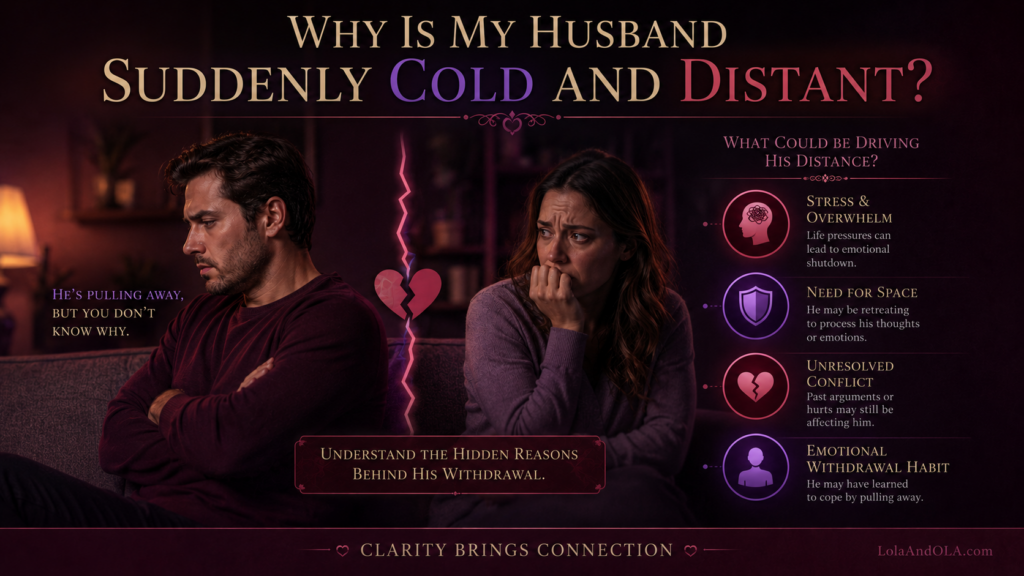
Kayode felt overwhelmed and frustrated, often bringing his work stress home. Sharon, on the other hand, felt isolated. She missed the days when Kayode would surprise her with little notes or take her out on spontaneous dates. The emotional distance grew, and their arguments became more frequent and intense. Sharon felt like she was living with a stranger, and Kayode felt like he couldn’t do anything right.

6 Tips To Navigating Trust Issues in Relationships

According to Sharon, Kayode used to be a loving, attentive husband, but the pressures of work and life made him distant and irritable.

Sharon was trying to escape loneliness and disconnection. They were both running from the reality that their relationship was in trouble. The more they tried to avoid the issues, the more they drifted apart.

One evening, after a particularly heated argument, Sharon confided in her best friend, who suggested enrolling in the Prestige Marriage Academy. Sharon scoffed at the idea, feeling like she had tried everything and was ready to file for divorce.

Sharon’s friend managed to share a Man of Prestige happy hour livestream with her. In that livestream, she heard me using the word GAME and was taken aback. She thought, “this is my real life and not a game.”

Today, we’re diving into something a little playful but incredibly profound – it’s called G.A.M.E. Now, before you start thinking we’re talking about playing games in your relationship, let me clarify.

I understand that you might view G.A.M.E. as not the most empowering way to approach a romantic relationship.

It may seem manipulative rather than fostering a genuine connection. I get it. But love is playful and not always serious. Lighten up!

Environments that are too serious can stifle and smother romance, especially in marriage. G.A.M.E. is a term used by young people to describe the ability to naturally attract and nurture romantic attraction. It means having the finesse to bag who they want. We are showing you that these influence and seduction skills can be learned. I encourage you to focus on the context here. This context involves giving value to your partner in a way that they can reciprocate your desires.

17 Signs of When to Walk Away From A Sexless Marriage

The context is about whether “you’ve got game” or not, not about “playing games or tricks” as some dictionary meanings might suggest. It’s about being the best version of yourself and bringing that into your relationship. It’s about your ability to create a positive, loving environment where your partner can thrive, especially in crisis or conflict.

G.A.M.E. is about cultivating essential skills for a strong, enduring romantic relationship. It’s all about G for Gratitude, A for Ability, M for Mindfulness, and E for Empathy. So, grab a seat, maybe a cup of tea, and let’s chat about how you can level up your game!

G for Gratitude: The Power of Appreciation

First up, we have Gratitude. It’s the art of appreciating what you have, paying more attention to and recognizing the positive aspects of your life, especially your relationship. When you focus on the good, it enhances your happiness and strengthens your bond with your partner. What you focus on expands; it’s part of the secrets of attraction.

Why is Gratitude Important?

Gratitude shifts your focus from what’s lacking to what you already have. This simple shift can make a world of difference in your relationship. When you appreciate your partner and the things they do, it creates a positive feedback loop. They feel valued and are more likely to continue those behaviors that make you happy. If you are familiar with the parable of talents in the scriptures, it’s the same concept. It steals your focus away from being a victim to engaging your influence and seductive powers. Gratitude is also the first core pillar in our proprietary 3 core pillars, G.P.S. namely, God/Gratitude, purpose, and self. Obviously, we are not talking about extreme cases of abuse. Talk to your coach and they should be able to tell you if you are in an extreme case or not.

Here are 3 Ways to Practice Gratitude:

  1. Daily Reflection: Take a few minutes each day to reflect on what you appreciate in your life and relationship. Be intentional with this more so than your intentionality around setting boundaries and detecting narcissistic behaviors. Most people are busy playing the game of defense only. There is no game you can win by simply playing defense, particularly against your partner who should actually be on your team. Think about your partner’s qualities, shared experiences, and even the small gestures that made you smile. That’s how to play offense against the forces that are attacking relationships these days; not your partners as most people do, seemingly rightfully, since they are the ones that seem to offend you the most.
  2. Gratitude Journal: Write these reflections down. Keeping a gratitude journal helps you remember and cherish these moments.
  3. Express Appreciation: Don’t just keep it to yourself. Tell your partner what you appreciate about them. A simple “Thank you for making dinner, it was delicious” can go a long way. A simple “Thank you for being my rock, I appreciate you” goes a long way.

Unrealistic EXPECTATION in Relationships & Marriages ❤️ 2 Reasons why it DESTROYS…

A for Ability: Embrace Personal Growth

Next, we have Ability. This is all about continuous personal growth. Striving to become the best version of yourself without pressuring your partner to change in the name of “it takes two to tango”.  Tango is a dance right?  It’s okay if you start dancing and invite your partner into a dance too. Your growth not only enhances your self-confidence but also makes you a more attractive and fulfilling partner.

Why is Ability Important?

When you focus on your personal development, you bring more to the table in your relationship. You become more confident, more interesting, and more engaged. Confidence is sexy to all genders. This, in turn, attracts a more compatible partner and strengthens the connection you already have.

Here Are 3 Ways to Enhance Your Ability:

  1. Identify Areas for Improvement: Take a good look at yourself; the mirror. What skills, habits, or aspects of personal well-being could use some work?
  2. Set Goals: Once you’ve identified areas for improvement, set realistic and achievable goals. It could be anything from learning a new hobby to improving communication skills.
  3. Learn from Your Partner: Your partner is a great source of inspiration and knowledge. Be open to learning from their experiences and perspectives. That doesn’t mean agreement.

This is easier said than done. If you are in the middle of a crisis or conflict, it will be difficult for you to level up your game. Talk to your coach. Running away from a relationship is often not helpful as your problem follows you everywhere like the shadow that it is.

If you don’t have a coach, click here to contact us right after downloading our books for free. The books are “Get My Marriage Back” and “#1 Red Flag.”

M for Mindfulness: Be Present and Playful

Moving on to Mindfulness. This is about being fully present in the moment, fostering a deep connection with your partner. It’s about appreciating shared experiences and deepening intimacy.

Why is Mindfulness Important?

Mindfulness helps you to truly connect with your partner. It allows you to appreciate the little moments that make up your relationship. So it’s very much congruent with Gratitude. Being mindful means you’re more likely to respond rather than react, especially during conflicts. Think about it. When it comes to engaging your power, you have to be mindful and intentional. When it comes to being a victim, sure others can victimize you, but you just need to feel like a victim to be one. Which would you rather be when you have an option?

Here Are 3 Ways to Practice Mindfulness:

  1. Mindfulness Exercises: Engage in practices like meditation, deep breathing, and even prayer. I am not talking about typical Nigerian “kill the witches” ways of prayer. That’s being a perpetual victim. I pray you won’t have to yield to that. I am talking about staying grounded and present.
  2. Active Listening: When your partner is talking, really listen to understand. When you can, put away distractions like phones and focus on what they’re saying.
  3. Be Present: During your time together, be fully present. Enjoy your partner’s company by showing interest in their expressions without the constant interruptions of daily life.

E for Empathy: Understand and Share Feelings

Last but certainly not least, we have Empathy. This is the ability to understand and share your partner’s feelings. It’s about building trust and creating a safe space for authentic expression from your partner.

Why is Empathy Important? Empathy builds a strong emotional bond between partners. It fosters trust and makes your partner feel understood and valued. This is crucial for any healthy relationship.

Here Are 3 Ways to Cultivate Empathy:

  1. Active Listening Again: Should you be reading minds? No. Just pay attention to your partner’s words and beyond; their emotions. Try to understand their perspective.
  2. Validate Emotions: Acknowledge your partner’s feelings without judgment. Let them know their emotions are valid.
  3. Nonverbal Cues: Pay attention to body language and other nonverbal signals. These can provide deeper insight into your partner’s feelings.

So, there you have it – G.A.M.E. in a nutshell. By focusing on Gratitude, Ability, Mindfulness, and Empathy, you can establish a strong foundation for a lasting romantic relationship. Remember, a strong relationship requires effort from your partner as well, but leveling up on your own G.A.M.E. can positively influence the dynamic and inspire your partner to reciprocate in ways that you desire.

So, take these principles to heart and start cultivating your G.A.M.E. today. Your relationship will thank you for it! And remember, I’m always here to help you along the way. If you need more tips or personalized advice, don’t hesitate to reach out by clicking here

Over there, you can also download our two books for free: “Get My Marriage Back” and “#1 Red Flag.”

Keep playing the game of love with gratitude, ability, mindfulness, and empathy. You’ve got this!

Frequently Asked Question

How can I strengthen my marriage?

Strengthen your marriage by practicing gratitude, continuous personal growth, mindfulness, and empathy through the principles of G.A.M.E.

How can I improve the quality of my marriage?

Improve your marriage by focusing on appreciation, personal development, being present, and understanding your partner’s emotions.

How do you rebuild a failing marriage?

Rebuild a failing marriage by embracing gratitude, enhancing personal abilities, practicing mindfulness, and cultivating empathy, as outlined in G.A.M.E.

What are the tips to solve relationship problems?

Practice gratitude, focus on personal growth, be mindful and present, and cultivate empathy.

What is the hardest time in a relationship?

The hardest time in a relationship is often when the honeymoon phase fades, and partners feel overwhelmed and neglected.

How to deal with relationship issues?

Address relationship issues by focusing on your own growth, practicing mindfulness, and showing empathy toward your partner.

How to fix a failing relationship?

Fix a failing relationship by enrolling in resources like the Prestige Marriage Academy to learn and apply the principles of G.A.M.E. (Gratitude, Ability, Mindfulness, and Empathy).

SAVE YOUR MARRIAGE 🚨 5 Steps INSTANT Cure to Silent Treatment, Malice-Keeping & Stonewalling

Before we dive into today’s topic, I want to share a powerful testimonial from one of our viewers, Toun82, who perfectly captures the essence of what we’ll be discussing today:

Toun82 says,

“The pursuit of fairness is the beginning of failure in a relationship’ – so profound! This is very true. Someone I was previously in a relationship with was the typical ‘nice guy’. There is a saying about nice guys seeing women as slot machines. They put in some goodness and automatically expect a positive outcome all the time. When we had arguments he would always say how it wasn’t fair and ‘after all I’ve done for you’. He would proceed to list all the things he did for me. He was seriously keeping tabs!! He also did the silent treatment and admittedly, I did too, because I realized he was always coming in with a combative attitude when it came to resolving issues. He wanted to be right above actually listening and trying to find a resolution. So, I would shut down as well. But whenever I did the silent treatment in return, he would bring it up and the actual reason we got into the issue would be lost and the focus would be on me not talking to him (deflection). It was such a vicious cycle 😅”

Thank you, Toun82, for sharing your experience. It highlights the destructive nature of keeping score in a relationship and how it leads to a cycle of silence and conflict. Now, let’s dive into our topic for today: the silent treatment, also known as stonewalling or keeping malice.

First, let’s clarify: we’re not talking about temporary shutdowns or withdrawals that happen within 24 hours to de-escalate arguments. In this video coaching session, we’re focusing on stonewalling that extends beyond 24 hours and occurs repeatedly.

Trigger warning for the victim-shaming detectives: If you are a victim of silent treatment for 24 hours or longer multiple times over the course of your relationship, you have either participated in and/or enabled the behavior. You might have felt like you had no other choice because you are dealing with a coconut head (egotistical maniac). Not so easy; that’s your partner.

The victim or perpetrator of these manipulative behaviors are just as affected; they both suffer. If children are involved, they, unfortunately, suffer too. So, this is not really the time to engage in blaming and shaming your partner. That’s what most people do, and it will directly affect and condemn you just as much. It doesn’t help.

We’ll break down five steps to save your marriage from the harmful effects of silence and malice, and along the way, we’ll share some real-life stories to illustrate these points. So, let’s get started!

Step 1: Assess The Part and the Role You Played

When Sarah and Tom were first married, they communicated well. But over the years, things changed. Sarah noticed that whenever there was a disagreement, Tom would shut down and give her the silent treatment. She felt like she was walking on eggshells, trying to avoid triggering his silence.

Then Sarah stumbled upon a simple concept that emphasized understanding each other’s communication styles. It was difficult to set her own feelings aside, but she learned to assess her role in their conflicts. Sarah realized that her approach often made Tom feel attacked, causing him to shut down. She managed to get him involved, and they worked on healthier communication strategies, temporarily saving their marriage from the brink of divorce.

However, Tom’s habit of using the silent treatment had a much greater impact than the isolated issues they discussed. Eventually, it consumed their relationship and led to the end of their marriage.

While Sarah made significant strides by assessing her role and trying to change her approach, there were deeper issues that needed to be addressed. To truly save their marriage, Sarah also needed to understand the underlying reasons for Tom’s tendency to shut down and give the silent treatment. This could involve exploring past traumas, communication styles, and emotional triggers with the help of a professional. But now, we are almost asking Sarah to become Tom’s therapist. It’s not sustainable. But this is, after all, only the first step.

They would both need to establish a safe space where they could express their feelings without fear of retribution. Sarah needed to ensure that Tom felt heard and understood. This is easier said than done as she has been on the receiving end of emotional abuse. Also, Tom needed to work on articulating his emotions rather than resorting to silence.

By not addressing these deeper issues and not seeking professional help sooner to get through all the steps, they missed the opportunity to build a stronger foundation for their marriage.

It’s easy to point fingers when things go wrong in a relationship. But the first step to resolving conflict is self-reflection. Ask yourself, “What role did I play in this situation?” This isn’t about blaming yourself but understanding how your actions might have contributed to the problem.

Step 2: Do Not Create Excuses for Your Partner

Back in college, Lisa dated someone who always justified his silence by saying he needed time to think. Whenever there was an issue, he would disappear for days, leaving Lisa anxious and confused. After listening to random advice, she would make excuses for him, thinking he just needed space.

One day, Lisa discovered one of our videos discussing emotional manipulation and realized that his silent treatment was a form of control. Instead of making excuses, Lisa confronted the issue head-on in her next relationship. A relationship was clearly destroyed due to the lack of effective communication, and we will never know whose loss it was.

It’s normal to want to protect your partner if you love them, but making excuses for their behavior can prevent both of you from addressing the root cause of the problem. Excusing silent treatment can perpetuate the cycle of miscommunication and unresolved conflict.

When Sophie and her partner, Alex, moved in together, Alex would often retreat into silence after arguments. Sophie, wanting to keep the peace, would excuse his behavior, thinking he just needed space. This went on until Sophie realized that by making excuses, she was enabling Alex’s avoidance.

As a second step, it’s important for a victim of the silent treatment to acknowledge their feelings and not make excuses for their partner’s behavior. That doesn’t make the partner automatically guilty.

Is My Husband a Narcissist? (Take The Quiz)

Step 3: Let the Silent Treatment and Malice-Keeping Cycle Run

When James was a kid, he witnessed his parents’ toxic cycle of silent treatments that would last for weeks. As an adult, James found himself repeating this pattern in his own marriage. Whenever he was upset, he would shut down, hoping his wife would realize she was wrong and apologize.

During a rough patch, another three-week silent treatment cycle began. James’ wife suggested they see a marriage coach, which he rejected for the fifth time. Sometimes his rejections were outright, while other times they both got lost in the midst of his stonewalling. She chose to engage the help of a coach personally. The coach advised her to let the silent treatment cycle run its course while working on herself. It was difficult, but it was worth it.

By not forcing an immediate resolution and focusing on self-improvement, James’ wife started a process that eventually broke the cycle. They learned to address conflicts more constructively, rebuilding their relationship from the ground up. Don’t let anyone convince you with “once a narcissist, always a narcissist.” We all have a little narcissism in us.

Completing the cycle means allowing the stonewaller to calm down and become open to easing back into small talks. Often, allowing the silent treatment to complete a cycle is a first step. The other person, usually uncomfortable with malice-keeping, might have “pre-ejaculated” an insincere apology, which continues to enable the behavior. Letting the cycle complete injects a level of newness into the relationship. However, this is difficult without Step 4. Without Step 4, it becomes manipulation and creates more frustration in the relationship.

Sometimes, trying to force a resolution can backfire. It’s important to allow the cycle of silence to run its course. This doesn’t mean accepting the silent treatment because that will never work. It’s not sustainable to try to live with it.

If you don’t have a coach yet to help and support you through these 5 crucial steps, visit www.PrestigeMarriageAcademy.com where you can also download two free books: “Get My Marriage Back” and “#1 Red Flag.”

After an intense argument, Lisa and John would go days without speaking because Lisa would shut down. Usually, John would crawl back and apologize, feeling trapped in a never-ending cycle. A coach suggested letting the cycle run its course. Initially, John wondered, “For how long?” It created additional anxiety for him. But that’s where Step 4 comes in.

Step 4: Simultaneously Engage in Self-Improvement

Emma had always been the peacemaker in her family, avoiding conflicts at all costs. When her husband started giving her the silent treatment, Emma felt lost and didn’t know how to handle the situation without causing more tension.

Emma began reading self-help books and attending workshops on personal growth and communication. As she grew more confident and self-aware, she started addressing issues directly but calmly. Her husband noticed the change and began to open up more. Their marriage improved significantly as they both worked on themselves and their communication.

While it’s tempting to focus solely on fixing the relationship or your partner, working on yourself can have a profound impact. Self-improvement can help you manage your emotions better when triggered, communicate more effectively, and set a positive example for your partner.

Michael always felt helpless during his wife’s silent treatment episodes. It seemed like no matter what he did, nothing improved their communication. After watching one of our videos on seduction, Michael decided to change his approach. Instead of reacting to his wife’s silence with frustration, he started showing appreciation for the little things she did. Slowly, she began to respond positively, and they rebuilt their relationship on a stronger foundation.

When you work on yourself, you join the top 5% who are actively making things happen. Most people are passive, feeling like victims of circumstance. By engaging your power to seduce and influence, you can inspire the change you desire.

Step 5: Seduce Your Partner into Building a Better Foundation

After a rough patch, Emma decided to surprise her husband, Dave, with a weekend getaway. She also started leaving little notes of appreciation around the house. These small gestures made Dave feel valued and loved, encouraging him to reciprocate. They began to rebuild their foundation, focusing on the positive aspects of their relationship.

Rekindling the romance and building a better foundation takes effort and creativity. Show your partner that you’re committed to improving yourself and creating opportunities for connection.

Remember, dealing with silent treatment and malice-keeping isn’t about winning or losing; it’s about understanding, growing, and finding healthier ways to communicate.

Frequently Asked Questions

What does silent treatment do to a woman?

The silent treatment can make a woman feel ignored, undervalued, and emotionally distressed, damaging the relationship over time.

How do you respond to silent treatment?

Respond by calmly addressing the issue, self-reflecting on your role in the conflict, and focusing on personal growth and effective communication.

What type of person uses the silent treatment?

Individuals who use the silent treatment often struggle with emotional regulation and may use it as a control mechanism or a way to avoid conflict.

How to break the silence in a marriage?

Break the silence by assessing your role, not making excuses for your partner, allowing the cycle to run, engaging in self-improvement, and seducing your partner into rebuilding the relationship.

5 Things to Know Before Marriage & Why It’s Never Too Late to Learn.

Are you curious about what to know before marriage? Well, good news is also that you can engage and master this information at any point during the marriage as well. Often times, you won’t be able to comprehend some of these stuff until you experience the related issue. And that’s okay.

So today, we’re diving into something super important: “5 Things to Know Before Marriage & Why It’s Never Too Late to Learn.” Whether you’re single, engaged, or already married, these insights can help you build or rebuild a strong foundation for your relationship. Let’s jump right in!

Thing #5 – Conflict is Inevitable

Let’s kick things off with a big one: conflict is inevitable. Now, when I first married Lola, I thought our disagreements were pretty mild. But, as it turned out, Lola saw things very differently. She resented any moment of conflict, which made it hard for us to resolve our issues. We ended up pushing our problems under the rug, which only made things worse.

Before we got married, we seemed to agree on everything. I was raised to see a disagreement as just that – a disagreement. But for Lola, arguments triggered a lot of fear and anxiety. It felt like we were speaking different languages.

Our premarital counseling didn’t really prepare us for this. It’s not that our counselor didn’t cover conflict resolution, but we just couldn’t grasp it without the real-life experience of conflict. What I’ve learned, and what I want to share with you, is that conflict resolution skills are crucial. You need to know how to handle disagreements constructively.

Thing #4 – Friendship is Non-negotiable

Next up is friendship. In recent times, I’ve seen a lot of people, especially women, dismissing the idea of being friends with their spouses. This often comes from past disappointments. Imagine falling in love with someone you considered your best friend, only to be betrayed by them. It’s natural to associate that betrayal with the idea of friendship.

Early in our marriage, Lola and I questioned everything that made us fall in love, including our friendship. I wondered if she was ever truly my friend, and I felt disrespected because we were so close. This confusion lasted for years until we realized we were sabotaging one of the best parts of our relationship.

Friendship in marriage is an opportunity, not a threat. If you feel like you’ve never had a natural friendship with your partner, it can be built. Leverage the positive attributes you have in common as romantic partners. Genuine liking – even if it’s not sexual – is a great foundation.

Since we started seeing our friendship as an opportunity, conflict resolution has become almost effortless. It’s been blissful.

Thing #3 – It’s Not How Long, It’s How Well

When we first discovered our prestige marriage system, people would often ask, “So you think you have all the answers?” I saw this as fear stemming from their own personal trauma. After about 9-10 years of marriage and discovering the secrets of the prestige marriage system, we learned to release our obsession with the past and our anxiety about the future.

The secret is simple: wake up every day determined to make it the best day ever in your marriage. Address issues openly and honestly as they arise, with respect to emotional intelligence. Focus on the quality of your marriage on a moment-to-moment basis. This approach not only builds a quality marriage but also increases the chances of having a long-term, happy relationship.

Thing #2 – In Marriage, You Need Game

There’s a common saying that goes, “There’s nothing worse than marrying the wrong person.” While it’s natural for people in terrible relationships to feel this way, it often comes down to a lack of knowledge and skills. This speaks to a level of arrogance and disrespect towards marriage as an institution.

Think about it – we don’t treat any other institution this way. We don’t jump into a job or a degree program without preparation and then blame fate when it doesn’t work out. Yet, many people do this with marriage. They wing it, and when it fails, they say things like “I married the wrong person.”

In reality, it’s often a lack of “game” – or skills – that’s the problem. There are principles that apply across the board in marriage, and it’s crucial to learn and apply them. Your “game” should focus on self-awareness, power dynamics, social skills, attraction, and emotional intelligence. Effective communication isn’t just about talking assertively; it’s about understanding and being understood.

When you approach marriage with intentionality and a willingness to acquire skills, you set yourself up for success. Throwing your hands up and leaving things to luck is a losing strategy.

Thing #1 – Sex is a Necessity

Lastly, let’s talk about sex. Growing up, neither my parents nor Lola’s parents gave us any kind of sex education. We had to figure out what’s healthy and what’s not on our own. On top of that, sex was heavily demonized in our religious communities.

While these teachings were meant to promote self-control, they backfired. Sex is a part of reality and human needs; avoiding it is counterproductive. It’s necessary to educate yourself about sex in marriage. Healthy sex life feeds your marriage just as much as a healthy relationship feeds your sex life.

A healthy sex life also impacts other areas of life. It fosters a strong connection at home, which in turn fuels an exciting life outside the marriage. You can almost always tell when someone is sexually fulfilled at home by how they carry themselves professionally.

As part of mastering the “game” inside marriage, one crucial aspect to understand is that you should never lead with sex, even when the primary issue at hand is sexlessness. This might sound counterintuitive, but let’s break it down.

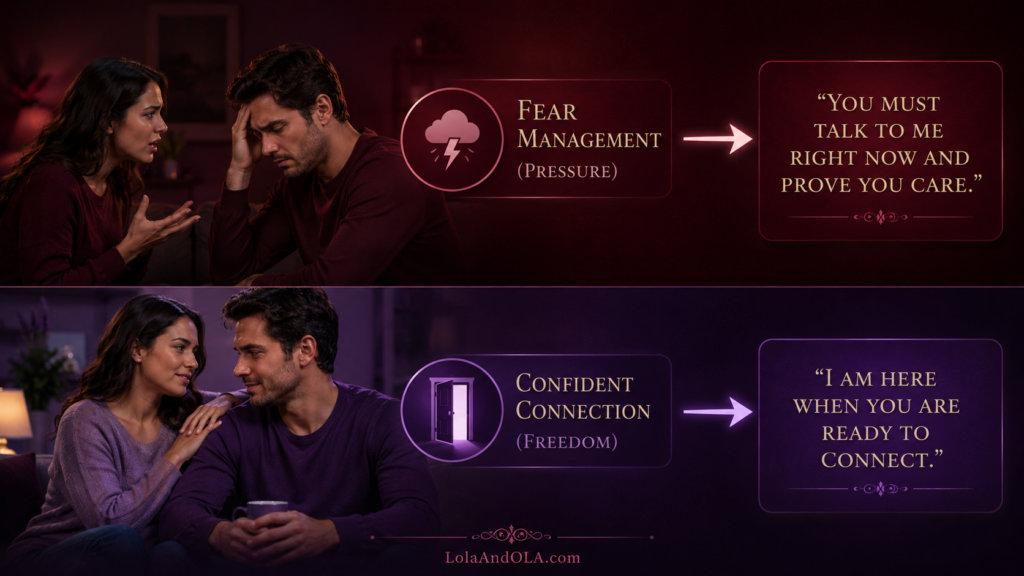
Sex is an intimate and sensitive topic, and when it becomes a point of contention, approaching it directly and aggressively can create additional tension and discomfort. Leading with demands or complaints about sex can make your partner feel pressured, judged, or inadequate. This often leads to defensiveness and further withdrawal, exacerbating the problem instead of solving it.

Instead, focus on building a strong emotional connection and fostering open, non-judgmental communication. Start by addressing the underlying issues that might be affecting your intimacy. Are there unresolved conflicts, stressors, or emotional barriers? Often, a lack of sexual intimacy is a symptom of deeper issues within the relationship.

The 5 Best Advices Ever For Modern Marriages

Start with something as simple as: “What’s wrong babe? You know you can trust me right?”

Prioritize creating a safe and loving environment where your partner feels valued and understood. Show appreciation for them and engage in activities that strengthen your bond outside the bedroom. This could be anything from spending quality time together, engaging in shared hobbies, or simply being more affectionate in everyday interactions.

As you work on strengthening your emotional connection, with attraction sex should be feel almost effortless at that point.  Express your desires without placing blame or making demands. For example, you might say, “I miss the closeness we used to have, and I would love for us to find a way to reconnect in that way,” rather than “We never have sex anymore, and it’s a problem.”

This approach helps to build trust and openness, making it easier for your partner to engage in conversations about improving your sex life. When they feel safe and appreciated, they are more likely to be receptive to finding solutions together.

Remember, sex is an important part of marriage, but it thrives on a foundation of emotional intimacy, respect, and understanding. By leading with empathy and focusing on strengthening your overall relationship, you’ll create an environment where a fulfilling and mutually satisfying sex life can naturally flourish.

RECAP…

So there you have it – 5 essential things to know before marriage and why it’s never too late to learn. Conflict is inevitable, but with the right skills, you can handle it. Friendship is non-negotiable, and it’s an opportunity, not a threat. Focus on the quality of your marriage rather than the length. In marriage, you need game – the skills to navigate challenges effectively. And lastly, sex is a necessity for a healthy, fulfilling relationship.

If you are already in a marriage and you are going through any of this issues, it’s not too late.  I suggest that you avoid being confrontational and consider using the help of a coach to help you navigate and facilitate your desired outcome.  It’s worth it.

If you don’t already have a coach, go to www.prestigemarriageacademy.com to secure one immediately. 

Frequently Asked Questions

What a woman should know before marriage?

A woman should know that conflict is inevitable and developing strong conflict resolution skills is essential for a healthy marriage.

What is the first step before getting married?

The first step before getting married is to build a solid foundation of friendship and emotional connection with your partner.

What should you avoid before marriage?

Before marriage, avoid making assumptions about your compatibility and instead focus on open communication and understanding each other’s needs and expectations.

What are the questions needed to ask before marriage?

Before marriage, ask questions about each other’s values, goals, communication styles, conflict resolution approaches, and expectations for intimacy and partnership.

Is it Time to Let Go? 16 Signs Your Marriage Might Be Over

Let’s dive right into a topic “My Marriage is Over” that can be tough to discuss but is important for many to consider at some point in their lives: the possibility that a marriage might be coming to an end. 

Relationships have their ups and downs, but how can you tell if it’s time to let go and move on? 

In this blog, we’re going to chat about some subtle signs, the emotional journey, and what steps you might want to take if you find yourself in this situation.

Sign #1 – Indifference: The Silent Alarm

One of the most telling signs that a marriage might be on its last legs is the emergence of indifference. It’s not about the absence of arguments, but rather the lack of emotion altogether. 

When you or your partner no longer feel love or even hate toward the other, that’s when it’s crucial to take a closer look. Indifference indicates that the emotional connection that held your relationship together might be fading away.

Facing Reality: Acceptance

Acknowledging that your marriage is over is never easy, but it’s a crucial step toward healing and moving forward. Acceptance doesn’t mean defeat; it means you’re embracing the reality of the situation. 

It’s okay to grieve the end of a relationship and the dreams you had, but acceptance can provide the clarity needed for the next steps.

Unhappiness Looms Large

Marriage is meant to bring happiness, support, and joy into your life overall; I am not referring to the occasional momentary state of happiness or sadness. If you’re experiencing more sadness, frustration, and disappointment than positive emotions, it’s worth examining why. Consistent unhappiness could be an indication that the marriage is no longer fulfilling its purpose for either of you.

The Walkaway Wife Syndrome

Have you heard about the “Walkaway Wife Syndrome”? It’s a term used to describe a situation where a wife emotionally checks out of the marriage long before she actually leaves. 

This often happens when her attempts to communicate and engage are repeatedly met with dismissal or defensiveness from her partner. If you find that you or your partner are emotionally withdrawing, it’s a red flag that shouldn’t be ignored.

In reality, many husbands also experience emotional disconnection before deciding to leave, sometimes seeking solace in extramarital affairs, which society often perceives as more tolerable than when a wife does the same.

Knowing When to Say Goodbye

Deciding when to pursue a divorce is a deeply personal decision, and it’s important to acknowledge that there’s no universal answer that fits every situation. Nevertheless, there are certain consistent principles that can guide you through this challenging process. 

While each person is unique, human behavior often follows predictable patterns, allowing you to not only increase the chances of nurturing a successful marriage but also potentially revitalizing one that’s struggling. That being said, there are key indicators that can offer guidance.

If you find yourself in a situation where you’ve exhausted all potential paths to reconciliation, it’s crucial to recognize this. Similarly, if your core values and life goals are no longer in alignment, and the emotional and physical toll on both you and your partner has become overwhelming, it might be wise to start contemplating the possibility of parting ways. 

However, it’s essential to remember that this isn’t an absolute certainty. Every relationship is unique, and while these indicators can provide insights, the decision ultimately depends on your personal circumstances and feelings.

No Place to Turn: When You Have Nowhere to Go

If you’re facing the realization that your marriage might be over and you’re unsure where to turn, remember that you’re not alone. Many individuals find themselves in this challenging situation, and seeking support is crucial. Whether it’s talking to friends and family, reaching out to a wise counsel, or seeking advice from professionals, there are resources available to help you navigate this difficult time.

16 Signs That Your Marriage is Over

Curious if your marriage is heading toward divorce? We’ve compiled a list of signs that might indicate it’s time for some serious introspection:

1. Indifference

Indifference in a marriage is a sign that the emotional connection and investment between partners have weakened or faded, often leading to a lack of affection, communication, and support. This emotional detachment indicates that the relationship’s foundation is eroding, making it challenging to address issues, connect intimately, and sustain a healthy and fulfilling partnership.

2. Lack of Communication

A lack of communication in a marriage can be a telling sign that the relationship is in trouble, as healthy communication is the backbone of a strong partnership. When partners stop engaging in open and meaningful conversations, it often signifies a breakdown in understanding, emotional connection, and problem-solving. 

Important issues go unresolved, emotional distance grows, and misunderstandings accumulate, creating a sense of isolation and frustration. This lack of communication can lead to a deteriorating relationship, as partners become disconnected and unable to navigate challenges together, ultimately indicating that the marriage might be approaching its end.

3. Constant Criticism

Constant criticism within a marriage can serve as a warning sign that the relationship is in jeopardy. While disagreements and constructive feedback are normal, a persistent pattern of criticism that outweighs positive interactions suggests deeper underlying issues. 

When partners consistently focus on each other’s flaws rather than showing appreciation and support, it creates a toxic environment of negativity and defensiveness. This erodes trust, emotional safety, and intimacy, making it difficult for the relationship to thrive. The ongoing barrage of criticism often indicates a lack of emotional connection and mutual respect, potentially signaling that the marriage is on the brink of ending.

4. Emotional Disconnection

Emotional disconnection in a marriage is a clear sign of trouble, indicating that the bond between partners has weakened significantly. When couples no longer share their feelings, experiences, or aspirations with each other, it leads to a sense of isolation and loneliness. This lack of emotional intimacy can signify that the fundamental connection sustaining the marriage is fading, potentially suggesting that the relationship is approaching its end.

5. Unresolved Resentment

Unresolved resentment is a sign that a marriage is over because it can lead to a lack of intimacy, destructive behaviors, and loss of hope. When you resent your spouse, you may start to pull away from them emotionally, engage in behaviors that hurt them, and lose hope that the relationship can be saved. If these negative consequences persist, it may be time to end the marriage.

6. Lack of Intimacy

A lack of intimacy in a marriage can be a strong indicator that the relationship is in jeopardy. Intimacy encompasses emotional, physical, and sexual closeness, and when partners no longer share these aspects, it suggests a significant emotional disconnect. The absence of intimacy often reflects underlying issues, eroding the foundation of the relationship and potentially signaling that the marriage is on a path toward its conclusion.

7. Different Priorities

Different priorities can be a sign that a marriage is over because they can lead to conflict, frustration, and a lack of connection. When spouses have different priorities, they may not be able to agree on how to spend their time, money, or energy. This can lead to arguments and resentment, which can damage the relationship. 

8. Avoidance of Problems

Avoidance of problems within a marriage can be a concerning sign that the relationship is facing challenges. When partners consistently sidestep or ignore important issues rather than addressing them, it indicates a breakdown in effective communication and conflict resolution. This avoidance can lead to the buildup of unresolved tension, resentment, and frustration, creating an unhealthy dynamic that threatens the vitality of the marriage and could suggest that the relationship is in jeopardy.

9. Defensive Behavior

Defensive behavior is a sign that a marriage is over because it can lead to communication breakdown, resentment, and a lack of trust. When one spouse is constantly defensive, it can be difficult to have a productive conversation. This can lead to feelings of resentment and a lack of trust, which can damage the relationship.

10. Lack of Trust

A lack of trust within a marriage is a significant red flag that the relationship is in a vulnerable state. Trust is the cornerstone of a healthy partnership, and when partners begin to doubt each other’s honesty, intentions, or actions, it creates a toxic atmosphere of suspicion and insecurity. This erosion of trust can lead to emotional detachment, misunderstandings, and a breakdown in effective communication, all of which contribute to a deteriorating relationship and potentially indicate that the marriage is at risk of ending.

11. Absence of Support

Absence of support is a sign that a marriage is over because it can lead to feelings of isolation, loneliness, and despair. When one spouse does not feel supported by the other, they may feel like they are going through tough times alone. This can lead to feelings of isolation, loneliness, and despair, which can damage the relationship.

12. Growing Apart

Growing apart within a marriage is a clear indication that the relationship is facing challenges. As individuals evolve over time, it’s essential for partners to grow together and maintain shared interests and goals. When couples find themselves pursuing separate paths, with divergent values, aspirations, and lifestyles, it signifies a loss of the mutual foundation that once united them, potentially hinting that the marriage is drifting toward its conclusion.

13. Loneliness in Company

Loneliness in company is a sign that a marriage is over because it can lead to a lack of intimacy, disconnection, and a feeling of being misunderstood. When you feel lonely even when you are with your spouse, it means that you are not feeling emotionally or physically connected to them. This can be a sign that the marriage is in trouble.

14. Resisting Compromise

Resisting compromise within a marriage is a concerning sign that the partnership is in trouble. Successful marriages thrive on cooperation, flexibility, and mutual understanding. When partners consistently refuse to meet each other halfway, it creates an atmosphere of stubbornness and incompatibility that hinders problem-solving and effective communication. This lack of willingness to compromise can contribute to escalating conflicts, emotional distance, and potentially indicate that the marriage is facing serious challenges.

15. Frequent Blame Game

Frequent blame-game is a sign that a marriage is over because it can lead to increased conflict, resentment, and a lack of trust. When spouses are constantly blaming each other for problems, it can be difficult to have a productive conversation. This can lead to feelings of resentment and a lack of trust, which can damage the relationship. Pointing fingers rather than problem-solving rarely ends well.

16. Imagining a Future Alone

Imagining a future alone is a poignant indication that a marriage may be coming to an end. In a thriving partnership, both individuals envision a shared future together. When one or both partners start contemplating an independent life without their spouse, it reflects a disconnect from the original vision and goals of the marriage. 

This suggests that the emotional and practical bonds that tie the relationship are weakening, potentially pointing to the possibility that the marriage is reaching its conclusion. If thoughts of independence are a relief, it’s time to reflect.

Coping and Moving Forward

Coping with the emotional pain of a failing marriage is no small feat. Surround yourself with a support system of friends, family, or wise counsel. Give yourself permission to feel your emotions while also seeking healthy outlets for them, whether that’s through a journal, exercise, or creative activities.

The Path Ahead: Legal and Emotional Steps

When your marriage is on the brink, it’s important to address both the emotional and legal aspects. Consulting with wise counsel can help you work through your feelings, while legal counsel can provide guidance on the divorce process, division of assets, and potential custody arrangements if children are involved.

Remember, your happiness and well-being matter. While the journey ahead might be challenging, it’s essential to prioritize yourself and your future. You’ve got this.

Keep in mind that your marriage doesn’t have to be over.  In fact, we thought our marriage was over and divorce had already been filed.  Download the free books and book a consultation first.  Take advantage of these resources to make sure.

Frequently Asked Questions

What signs should I look for to be sure that my marriage is really over?

Indifference, constant unhappiness, emotional disconnection, and lack of communication are key indicators.

Can couples therapy still help if I feel like my marriage is beyond repair?

Absolutely! A skilled therapist, counselor or coach can assist in improving communication and understanding.

How do I cope with the emotional pain when my marriage is ending?

Seek support from friends, family, or a therapist, and engage in healthy emotional outlets.

What are the steps I should take legally and emotionally if my marriage is coming to an end?

Reach out to both a therapist for emotional support and a lawyer for legal guidance on divorce proceedings.

How do you know it’s time for a divorce?

When efforts to reconcile have been exhausted, values no longer align, and the emotional toll is too high.

How do you accept that a marriage is over?

Accepting that your marriage is over involves acknowledging the changes in emotional connection and mutual goals.

What are signs of unhappy marriage?

16 Signs of an unhappy marriage can include constant arguments, lack of communication, emotional distance, and persistent feelings of dissatisfaction.

What is the walkaway wife syndrome?

The walkaway wife syndrome refers to a situation where a wife emotionally withdraws from the marriage before physically leaving due to communication breakdown and emotional neglect.

How do you know it’s time for a divorce?

Knowing it’s time for a divorce involves considering factors like unresolved conflicts, differing values, emotional detachment, and the overall toll on both partners’ well-being.

7 Tips for Saving a Marriage When You’re the Only One Trying

Want to learn how to save a marriage when only one is trying?  I’ve got you covered today.

Relationships are like roller coasters – filled with highs, lows, and unexpected turns. If you find yourself in a situation where it seems like you’re the only one paddling the relationship boat, fret not. 

Today, we’re delving into the fascinating world of saving a marriage when only one person is giving it their all. And guess what? It’s absolutely possible to rekindle that spark and bring your partner back to a place of openness to work on your marriage. 

A common misconception that many people have bought into is the idea that a successful marriage requires the effort of both partners. While there is some truth to this belief, it’s important to recognize that a marriage can still be nurtured and revived even when one person is taking the lead. 

The notion that both individuals must be equally invested at all times can be quite limiting and disheartening, especially when you’re facing a situation where you’re the one putting in most of the effort. 

However, it’s time to break free from this mindset and explore the remarkable potential of rekindling a relationship through the art of subtle persuasion and attraction.

So, let’s dive in and explore seven seductive skills to work your magic.

Tip #1. Rediscover Your Charm

Think back to the early days when you effortlessly attracted your partner. This enchanting quality, known as charm, can be your secret weapon. It’s all about the little gestures that once brought smiles and warmth. 

Whether it’s a thoughtful surprise, heartfelt messages placed strategically, or orchestrating unexpected special moments, these charming moves can work wonders in relighting the fire in your relationship.

But, a word of caution is in order when it comes to romantic gestures. While they hold the potential to be incredibly effective, they shouldn’t serve as a mere replacement for something equally crucial – active listening. 

It’s vital not to let the allure of sweet surprises overshadow the importance of comprehending the root causes that led to the initial breakdown in your relationship.

Tip #2. Prioritize Communication

This is not just about talking – it’s about truly connecting again. But here’s the catch: it’s not a 50-50 equation. In fact, it’s more like 80-10-10. Allow me to explain.

Eighty percent of successful communication is rooted in active listening. This isn’t just passive hearing; it’s an active engagement with what your partner is saying. 

It’s about giving them your undivided attention, reading between the lines, and understanding not only the words but the emotions and intentions behind them.

The next ten percent is dedicated to ensuring mutual understanding. It’s like a dance where you gently guide the conversation to make sure both of you are on the same page.

This involves asking clarifying questions, summarizing their points to confirm your understanding, and ensuring that there’s no room for misinterpretation.

The final ten percent is about sharing your own thoughts. It’s not about dominating the conversation or pushing your perspective. Instead, it’s a thoughtful contribution that shows you’re equally invested in the dialogue. This balanced approach fosters an environment of equality, trust, and open exchange.

Why does the 80-10-10 formula work? 

Well, active listening goes beyond just hearing words. It demonstrates your genuine interest in your partner’s feelings and concerns. 

When you make an effort to truly understand them, it creates a safe and welcoming space where they feel valued and heard. This kind of connection can help bridge emotional gaps and rebuild the foundation of your relationship.

The emphasis on mutual understanding prevents any misunderstandings from snowballing into larger issues. It’s like catching a tiny pebble before it becomes a boulder – nipping potential problems in the bud and ensuring a smoother communication flow.

Sharing your thoughts, but in moderation, wraps up the equation nicely. It’s not about overpowering your partner’s voice, but rather, it’s a way of showing vulnerability and trust. When they see you actively participating and opening up, it can inspire them to do the same, creating a harmonious conversational rhythm.

In essence, prioritizing communication isn’t just about talking. It’s a symphony of active listening, understanding, and respectful sharing. 

It’s about creating an atmosphere where both of you can express yourselves openly, without fear of judgment or rejection. This form of connection is like watering the roots of a plant – nurturing the very core of your relationship to help it flourish once again.

Tip #3. Foster Emotional Intimacy

While physical intimacy is important, emotional intimacy is the glue that holds relationships together. Again, share your thoughts, fears, and aspirations with your partner once you’ve ensured that they feel valued and heard. 

Be vulnerable and let them see your true self. When they witness your genuine emotions, it can create a bridge of connection that leads to a deeper understanding again.

Tip #4. Embrace Infinite Patience

Let’s talk patience – a quality that, much like the art of seduction, holds remarkable power. In a world of instant gratification, patience might seem like an odd ally, especially when you’re trying to rekindle a relationship. But here’s the twist: consider patience as a form of seduction, an irresistible allure that benefits both you and your relationship.

Picture this: Just like seduction is about creating a captivating aura, patience too creates an atmosphere of intrigue. It’s not about passively waiting; it’s a subtle yet powerful display of self-love. 

When you’re patient, you’re investing in your own growth and strength. This personal transformation casts an irresistible glow that your partner can’t help but notice.

Think of it as planting seeds of attraction. Your patience becomes a magnet, drawing your partner’s curiosity and interest. It shows you’re in it for the long haul, that you’re committed to nurturing not only the relationship but also yourself.

Much like the thrill of anticipation in seduction, patience adds an element of excitement to your journey. You’re giving your partner the space to evolve, to come to their own realizations. It’s like leading them through a tantalizing dance, each step bringing you both closer.

Remember, just as seduction isn’t about immediate satisfaction, neither is patience. It’s about letting emotions simmer and flourish. It’s about creating a connection that’s deep, strong, and lasting – much like the bonds forged in seduction.

So, as you embrace patience, see it as your secret weapon of seduction. Let it work its magic, both on your partner’s heart and your own. With time, the seeds you’ve sown will bloom into a renewed, irresistible connection that goes beyond words.

Tip #5. Spark Their Curiosity

Human nature is drawn to curiosity like bees to honey. Spark your partner’s interest by engaging in new activities or pursuing hobbies you’ve always wanted to try. And no, you don’t have to bring them along.

When they see you blossoming and evolving, they might be curious to know what’s driving these positive changes. It’s attraction in action.  This curiosity could very well extend to your efforts in saving the marriage.

Tip #6. Be the Change You Wish to See

Gandhi’s wisdom applies to relationships too. Instead of trying to change your partner, focus on becoming the best version of yourself. 

Self-improvement isn’t just attractive, it’s magnetic. When your partner witnesses your growth and transformation, they might feel inspired to join you on this journey of self-discovery.

Tip #7. Re-Create Unforgettable Moments

Sometimes, all it takes is a single moment to rekindle the flames of love. Once you sense some energy of your partner drawing towards you, plan something that can help recreate significant memories you both cherish. 

Alright, here’s the deal: we’re aiming for that passive vibe. What you want to avoid is suddenly pulling out your phone and going, “Hey, look at these old pics.” 

Nostalgia is a secret weapon for bringing back those sweet shared moments, no doubt. But don’t force it. Let it blend in naturally, like a seamless part of the whole scene. The magic happens when it feels cozy, not like you’re waving a flashy sign around.

Remember that saving a marriage when only one person is trying is indeed possible. It’s not about forcing change or manipulating emotions. It’s about embracing the power of your seductive skills to subtly remind your partner why they fell in love with you in the first place.

By rediscovering your charm, fostering emotional intimacy, and practicing patience, you can recreate that safe space for your partner to be open to the idea of working on the marriage. Spark their curiosity, show them the positive changes you’re making, and re-create unforgettable moments that resonate with your shared history.

Ultimately, it’s about being the change you wish to see and leading by example. As you put these tips into practice, remember that relationships are a dance – sometimes you lead, sometimes you follow. And who knows, by being that irresistible force of positive change, you might just find your partner stepping back onto the dance floor with you.

So go ahead, embrace your role as the relationship magician and let your seductive skills work their charm. Here’s to rekindling the love, one step at a time.

Frequently Asked Questions

Can a marriage be saved if one person wants out?

Yes, a marriage can be saved even if one person wants out.

How do I save my marriage when my husband doesn’t want to?

You can save your marriage by focusing on open communication and seeking professional help if needed.

How do I save my marriage when my partner has checked out?

To save your marriage when your partner has checked out, invest in rebuilding emotional connection and seek counseling if necessary.

What to do when your spouse stops trying?

When your spouse stops trying, focus on self-improvement, patience, and encouraging open communication to reignite their interest in the relationship.


Broken Marriage?
Fix it
Here FREE

Get My Marriage Back