


Marriage rarely falls apart in a single dramatic moment.
More often, it erodes slowly through neglect, routine, resentment, and emotional distance.
While many people assume the first year of marriage is the most challenging or that empty-nest years create the greatest strain, research and real-world experience suggest something different.
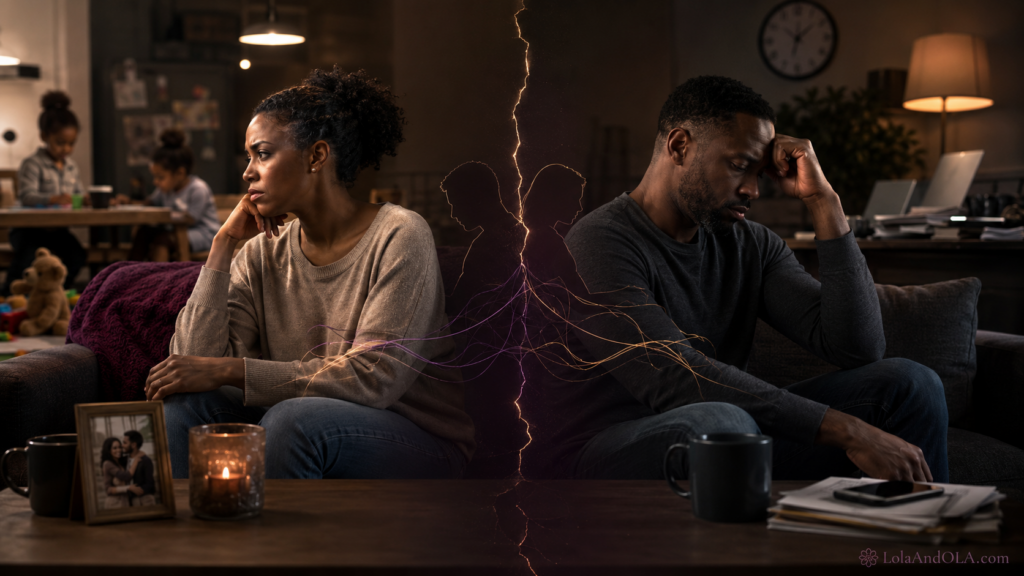
For many couples, the hardest stage of marriage arrives between years seven and ten.
This period often coincides with raising young children, demanding careers, financial pressure, chronic stress, and a gradual loss of romantic connection.
If your marriage feels more like a business partnership than a passionate relationship, you’re not necessarily failing.
You may simply be navigating one of the most difficult times in a marriage—the stage where commitment is tested, attraction must be rebuilt intentionally, and emotional intelligence becomes more important than chemistry.
What Is the Hardest Stage of Marriage?
The hardest stage of marriage typically occurs during the mid-marriage years, often between years seven and ten.
This is the stage where the excitement of novelty fades and reality takes over.
The relationship no longer runs on automatic attraction.
The habits, communication patterns, expectations, and emotional wounds that were easy to overlook during the honeymoon phase become impossible to ignore.
Many couples find themselves asking:
- Why do we argue so much now?
- Why has our sex life disappeared?
- Why do I feel lonely even though I’m married?
- Why do I feel more appreciated by coworkers than my spouse?
These questions often emerge during the same period because the marriage is no longer fueled by chemistry alone.
It now requires skill, intention, leadership, and emotional maturity.
The Psychology of the Hardest Stage of Marriage: Why This Happens
The psychology behind the hardest stage of marriage is surprisingly simple.
Early attraction creates emotional momentum. During the beginning stages of marriage, couples naturally prioritize one another.
They pursue each other, admire each other, and forgive flaws more easily.
Eventually, life introduces competing priorities:
- Children
- Careers
- Financial obligations
- Extended family responsibilities
- Health challenges
- Household management
As these responsibilities grow, many couples stop investing in the very behaviors that created attraction in the first place.
The relationship shifts from active romance to passive maintenance.
The danger isn’t conflict.
The danger is indifference.
Conflict means two people still care enough to engage.
Indifference signals emotional withdrawal.
Why Is the 7th Year of Marriage the Hardest?
The phrase “seven-year itch” exists for a reason.
Around year seven, many couples experience a collision of expectations and reality.
By this point:
- The novelty has worn off.
- Parenting responsibilities are often intense.
- Career pressures are increasing.
- Personal sacrifices begin to feel unequal.
- Emotional needs are often neglected.
The problem isn’t that attraction naturally disappears.
The problem is that attraction is no longer being cultivated.
Many people mistakenly assume attraction should happen automatically forever.
In reality, long-term attraction is a skill that must be maintained through intentional behaviors.
What About The Hardest Stage of Marriage When Kids Are Involved?
Children are a blessing, but they can also expose weaknesses in a relationship.
Parents often become exhausted logistics managers.
Their conversations revolve around:
- School schedules
- Appointments
- Bills
- Chores
- Household responsibilities
Meanwhile, romance slowly disappears.
Many couples unknowingly stop seeing each other as lovers and begin seeing each other only as co-parents.
This shift creates one of the biggest attraction killers in marriage: familiarity without mystery.
Healthy marriages balance two competing emotional needs:
1. Certainty
People need safety, trust, reliability, and consistency.
2. Variety
People also need novelty, excitement, adventure, and growth.
When marriage provides only certainty but no variety, attraction begins to fade.
The Real Reasons Marriages Collapse
Most marriages don’t collapse because one person suddenly became evil.
More often, marriages deteriorate because of two recurring problems:
1. Mismanaged Expectations
Unspoken expectations create hidden resentment.
Many spouses secretly expect:
- More affection
- And More appreciation
- More help
- Then More intimacy
- More validation
When these expectations remain unspoken, disappointment grows.
2. Mismanaged Pride
Pride prevents repair.
Pride says:
- “Why should I apologize first?”
- “They started it.”
- “I’m not going to chase someone who ignores me.”
Unfortunately, pride turns temporary conflict into long-term distance.
The strongest marriages are not conflict-free.
They are repair-focused.
The Silent Attraction Killers in Marriage
Many couples focus on communication while ignoring attraction.
Yet attraction often dies long before communication completely breaks down.
Some common attraction killers include:
Neediness
Constant validation-seeking creates pressure rather than desire.
Emotional Reactivity
Being easily triggered destroys emotional safety.
Criticism and Condemnation
People rarely feel attracted to someone who constantly judges them.
Loss of Self-Respect
When individuals abandon their goals, growth, health, or purpose, attraction often declines.
Chronic Neglect
Small moments of neglect accumulate into large emotional debts.
From Roommates Back to Lovers: Rebuilding Attraction
The solution is not simply “communicate more.”
Many couples communicate frequently while becoming less attracted to each other.
Instead, focus on rebuilding the foundations of attraction.
Strengthen Friendship
Friendship remains one of the strongest predictors of long-term marital success.
Ask yourself:
- Do we still enjoy each other’s company?
- Do we laugh together?
- Do we know what excites each other today?
Strong marriages maintain friendship long after the honeymoon ends.
Prioritize Intimacy
Sex is not the entire relationship.
However, intimacy often acts as a barometer for the emotional health of the marriage.
Couples who continually deprioritize intimacy often find themselves drifting into emotional distance.
Manage Expectations Explicitly
Stop assuming your spouse can read your mind.
Healthy couples discuss:
- Emotional needs
- Sexual needs
- Financial expectations
- Family responsibilities
- Future goals
Clarity reduces resentment.
Choose Curiosity Over Ego
Many arguments continue because both partners are trying to win.
Winning an argument while losing connection is a poor trade.
Curiosity creates understanding.
Understanding creates empathy.
Empathy creates reconnection.
How Emotional Intelligence Saves Marriages
Emotional intelligence becomes more valuable than romance during the hardest stage of marriage.
Emotionally intelligent spouses learn to:
- Regulate emotional reactions
- Avoid blame and shame
- Listen without defensiveness
- Understand emotional needs beneath complaints
- Repair conflicts quickly
The couples who survive the hardest years aren’t necessarily more compatible.
They’re often more emotionally skilled.
The Surprising Truth About the Best Years of Marriage
Many couples report that their best years of marriage arrive after they successfully navigate the difficult middle years.
Why?
Because trust becomes deeper.
Respect becomes earned.
Love becomes intentional.
The relationship evolves beyond chemistry into partnership, friendship, intimacy, and mutual growth.
The couples who endure the valley often discover a richer form of connection on the other side.
The Hardest Stage of Marriage Is an Invitation to Grow
Every marriage eventually reaches a point where attraction no longer runs on autopilot.
This isn’t evidence that the relationship is broken.
It’s evidence that the relationship is entering a new phase.
The hardest stage of marriage forces couples to make a choice:
Will you continue operating as roommates and logistics managers?
Or will you intentionally rebuild attraction, friendship, intimacy, and emotional connection?
The couples who thrive understand that marriage is not sustained by feelings alone.
It is sustained by daily choices, emotional intelligence, mutual respect, and the willingness to keep choosing each other long after the butterflies disappear.
Frequently Asked Questions
The most difficult stage of marriage is often between years seven and ten when stress, routine, parenting, and emotional neglect converge.
Many marriages struggle or fail during the mid-marriage years when unresolved resentment, communication breakdowns, and declining intimacy accumulate.
It may be time to consider divorce when repeated efforts to repair the relationship fail and there is ongoing abuse, chronic betrayal, or complete unwillingness from one or both partners to work on the marriage.
Divorce is often emotionally and financially hardest during middle age when couples have children, shared assets, and deeply intertwined lives.
The first year can be challenging due to adjustment and expectation management, but many couples find the mid-marriage years significantly more difficult.
For many couples, the years surrounding the tenth anniversary are among the hardest because accumulated stress and emotional distance often peak during this period.
A sexless marriage may warrant serious evaluation when intimacy has been absent for an extended period, repeated repair efforts have failed, and one or both partners are unwilling to address the underlying causes.